
Translated material
How to defeat foreign exchange loans. Recipes of Eastern Europe
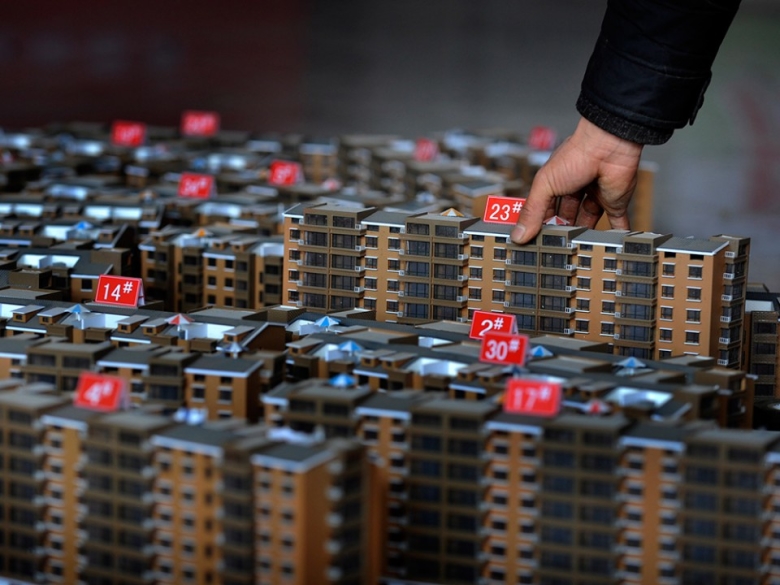
In January 2016, in Russia, due to a sharp fall in the ruble exchange rate, the problem of mortgage currency loans was aggravated. Currency borrowers held a number of shares in several banks (including Raiffeisenbank and VTB 24), achieving the restructuring of their loans. Meanwhile, the press secretary of the President of Russia Dmitry Peskov admitted that the country's authorities do not have ready-made recipes for solving the problem of currency borrowers. At the same time, according to the official, citizens who took a mortgage loan in currency were deliberately made and had to be aware of possible risks. Slon Mazagine decided to recall what measures were taken by the authorities of the Eastern European countries in the event of similar situations.
The devaluation can cause a lot of troubles to anyone, but it becomes uncomfortable to talk about these trifles when you imagine what the happy owners of foreign exchange loans are at such a moment. The rise in the price of imports, which became inaccessible trips abroad, has dried up accumulations - can all this be compared that the already rather big monthly mortgage payment has doubled? And he grew up not just during the crisis that needs to be strained and endured - no, he grew up in the next 20-30 years, so he will have to strain and endure until old age.
Here we can talk about the special irresponsibility of Russian banks distributing bonded loans; about the flagrant financial illiteracy of Russian borrowers, who now should suffer for the sake of a visual lesson to the rest; Or generally about the mediocrity of Russian regulators, who did not keep up with what a dangerous nightmare is going on in the market subordinate to them. All this will be true, only there is nothing specifically Russian in this problem. The temptation of foreign exchange loans is insurmountable for any nation - almost all countries of Eastern Europe were faced with this problem back in 2008, and on a much more difficult scale than Russia. Their torment continues to this day-now they have become aggravated again due to the next jump up the course of the Swiss Frank. Nevertheless, some of these states over the past six years were still able to come up with several ways to more or less solve the problem of foreign exchange loans.
Stable loan
Eastern European countries were massively faced with foreign exchange loans in the early 2000s, when they began to actively integrate into the European Union. Then most national banks were bored with Western financial groups that could easily issue loans even in euros, even in Swiss francs, at least in the yen. Among the inexperienced post -Soviet residents of Eastern Europe, the new service was very popular. Firstly, the exchange rate on foreign exchange loans was lower. Secondly, within a few years before the 2008 crisis, the course of East European currencies to the euro and Frank strengthened, which additionally (as it later turned out, temporarily) reduced the size of monthly payments. Well, thirdly, banks, playing on a exchange rate difference, earned a much larger margin on foreign exchange loans, so they imposed them on the population in the most active way.
Some ways to stick currency loans were completely touching. For example, it was a favorite argument of bankers: feel free to take a loan from Swiss francs - this is the “most stable currency in the world”. Then the borrowers should be alert - they are not offered to receive a salary in them, but, on the contrary, take a loan. Then they will have to get this “most stable currency in the world” somewhere in order to return the busy. So if you take it, it would be better, on the contrary, in some unstable one-give in Indonesian rupees, in Gan’s unit, in hryvnias, finally.
But no, in the post -Soviet heads it is tightly settled that stability is great. Spit that we receive a salary in the Romanian lei or Serbian dinars, with whom it is not known what will happen next week. But although the loan will be in the most stable currency in the world. Come on, write me a stable franc mortgage for three hundred thousand.
Although more often it was even easier, they spoke directly in doubt to the borrowers: take it in local tugriks - you will return to us four thousand a month, take it to Swiss francs - you will return three. And all the doubts among the borrowers fell by themselves, because the bankers did not prudently specify how long such a profitable difference would remain. Yes, and what to worry once again, all the same, everyone believed that in a couple of years they would go to the euro and it would be no difference.
On this wave of optimism of zero, residents of Eastern Europe gained as many foreign currency loans as Russia never dreamed. In Bulgaria, Croatia, Hungary, Serbia, Romania, the share of currency loans in the total loan amount was 60–70% . In some countries, especially Poland and Hungary, the situation was also complicated by the fact that people actively took loans not only to the euro, but also to the Swiss francs, which, unlike the euro, these countries will definitely never go, which means that the currency risk will be eternal. And then the 2008 crisis came, when the exchange rate of Eastern Europe fell to Frank and to the euro about one and a half times, and it became clear that foreign exchange loans can be not only temporarily profitable, but also pose a mortal danger to the entire banking system.
All for the course
Then in Eastern Europe the search for the exit began, and all of it turned out to be different. The most straightforward, but at the same time, in its own way, Latvia chose effective.
Subscribe to read the whole
Make a subscription Redefine.media to read Republic
Subscribe [you can pay for a Russian or foreign card. The subscription is extended automatically. You can unsubscribe at any time.]
Where are the money subscribers going