
Translated material
I hear from an anachronism!
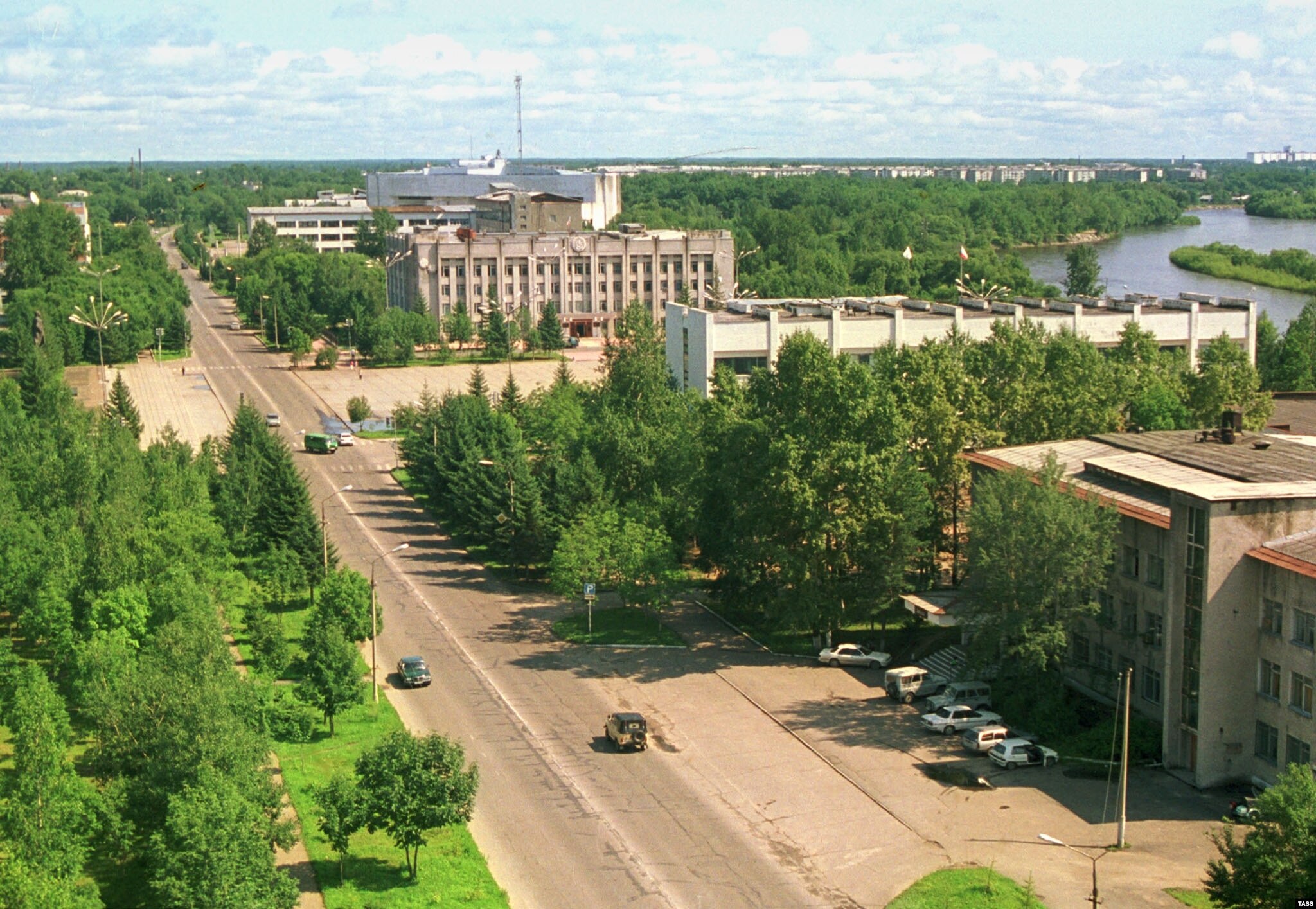
The idea of Evgeny Primakov on the abolition of the Jewish autonomous region was not accepted in the Far East
The statement of the former Prime Minister of Russia Yevgeny Primakov caused a local scandal in the Far East. The academician at a meeting of Mercury Club, who is now heading, called its existence to the governor in the Jewish Autonomous Region before the election of the governor in the Jewish Autonomous Region. The inhabitants of the EAO called Primakov himself anachronism. Analysts state: small autonomy, over the past ten years already united with other regions of Russia, this has not helped to develop rapidly.
Primakov mentioned the Far Eastern autonomy, discussing the prospects of Russian federalism. He stated: in those national entities where there is no question of the dominance of the title nation, "there are prerequisites for joining <...> to the subjects of the Federation created on a territorial basis." In Jewish autonomy of 170 thousand people, only one percent of the population is Jews.

Primakov’s words quickly picked up in the Amur Region. The regional governor Oleg Kozhemyako last summer was just speaking about the desirability of changing the regional status of the Amur region to Kraeva. He explained this by the fact that "the region has more opportunities for development." Although the head of the region himself did not make any specific proposals, the term "Amur Territory" and the idea of merging with Jewish autonomy immediately appeared in the local press. The Minister of Agriculture of the region Sergey Vologdin said that in the event of the unification of the regions, the Amur Region will receive new fertile lands. Deputy of the local legislative assembly, former governor Anatoly Belonogov , He called the fusion of Jewish autonomy with the Amur Region "Restoring Historical Justice." The “Club of Regions” cites his words : “When the emperor’s decree was signed on the creation of the Amur Region, the territory on which the EAO is now located was part of the Amur Region. And therefore the return of this territory to the Amur Region is completely legitimate.” Political scientist Gleb Kuznetsov considers such a reaction of neighbors to the idea of Primakov, not surprising:
- The desire for expansion is a certain disease for both Russia as a whole and for its individual subjects. This is not to say that someone is distracting someone from real problems, as they like to say-just people want to grow, and people now understand the growth of science, culture and everything else by "growing", but growth in the sense of the territory.
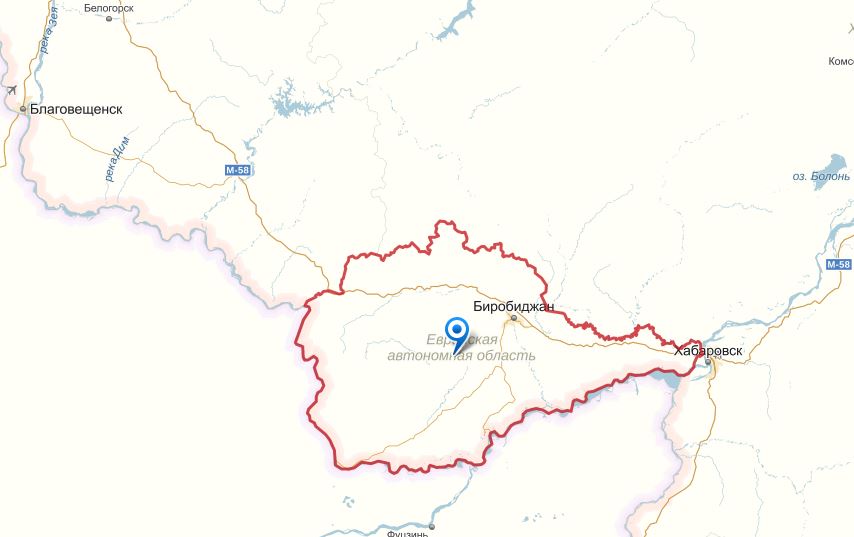
The Jewish Autonomous Region, located in the southern part of the Far East between the Amur Region and the Khabarovsk Territory, first gained independence in 1934. Only four years later she became part of the Khabarovsk Territory and stayed there until the collapse of the USSR. Autonomy received "independence" in 1990-1991, after the change of the Constitution of the RSFSR and the signing of a number of documents.
Politicians of the Khabarovsk Territory did not comment on Primakov’s last statement. It is this region that is still more closely than others associated with Jewish autonomy - in addition to the fact that it has long been part of the region, its borders come close to Khabarovsk, and the time from this city to the capital of EAO Birobidzhan is 2 hours (to the center of the Amur Region, the city of Blagoveshchensk - 8-10 hours). Once every few years, the issue of the merger of the two regions begins to be widely discussed, but the discussion quickly comes to the conclusion - it will not be economically beneficial to anyone.
In the Jewish autonomy itself, the statement of the academician of the Russian Academy of Sciences criticized. Valery Gurevich called the President of the local Federation of Jewish organizations “Anachronism” by Evgeny Primakov himself, the chairman of the notary chamber invited him to go to the local cemetery and see what nationality people are lying there. The regional governor Alexander Vinnikov called the region unique, "who appeared on the historical map of the world before the state of Israel and managed to preserve and develop Jewish culture."
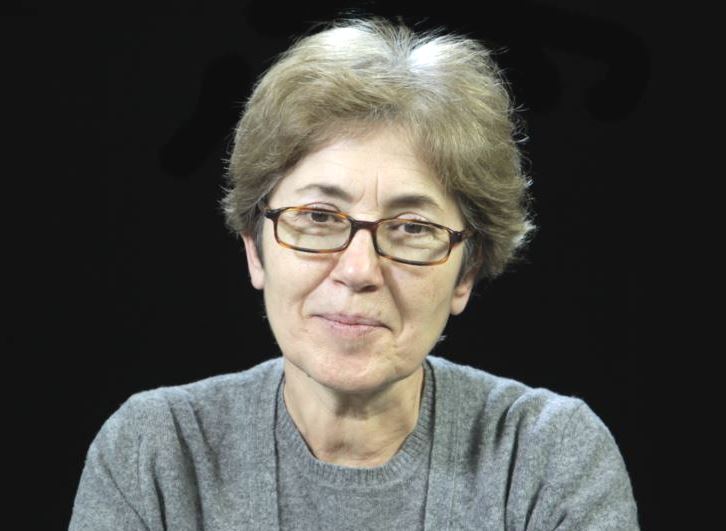
The entry of autonomy in another region will not improve the state of affairs in any of them, says Natalya Zubarevich, director of the regional program of the Independent Institute of Social Policy. As the previous fusion showed-the Komi-Permyak district with the Perm region, the Aginsky Buryat district with the Chita region, Koryakia with Kamchatka-they did not give people the promised and expected. In the Far East with its vast territories, the question of enlargement of the regions should not be there. All such decisions will turn out to be political - with economic or any other point of view of logic in this.
To Polvalida Khabarovsk Territory, add a half -disabled autonomy - will both become healthy?- Territories that have already been combined with larger ones are the far periphery of their regions. Those quasi carpets that were concluded during the unification - about investments and so on are not much respected. The cost of a ticket from the same Palan (Koryakia) to Petropavlovsk-Kamchatsky is almost the same as to Moscow. EAO does not belong to the developed regions of Russia - it is rather the tail of the middle of the list. In recent years, some projects began to appear in this region, it has become better-but still this region in its development is somewhere between the middle and tail. The Khabarovsk Territory is slightly more developed, but this association will also not add development to him. That you can not touch, it is better not to touch. You can discuss this, but I do not see the real sense. To Polvalida Khabarovsk Territory, add a half -disabled autonomy - will they be healthy?
Based on the logic of Primakov, several territorial formations in other parts of the country have “prerequisites for joining”. Only every fourteenth resident (7.4%) calls Karelia in Karelia in Karelia, while the Russians are four out of five (82.2%). In Khakassia Khakasov - 12.1%, and there are almost as many Russians as in Karelia. In Adygea, the Republic of Altai, Buryatia, Komi, Mordovia, Udmurtia, title nationalities are not a majority, while Russians are more than half. In the Nenets, Yamal-Nenets and Khanty-Mansi Autonomous Districts, formally part of other regions, and de facto independent, “title” nationality make up from 18 (Nenets) to less than two (Khanty-Mansi) interest of the population. But all this is not a reason to eliminate national entities, says Gleb Kuznetsov :
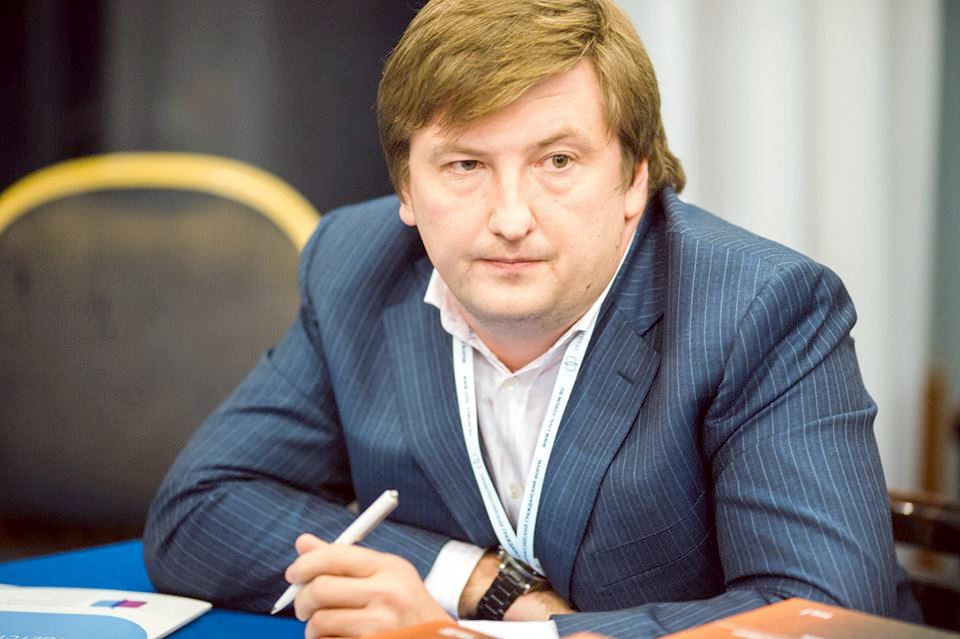
-Today , any inaccurate treatment of a national theme (let this nationality be 7 percent, albeit 5, albeit 55), in general, any excessive “clogging” of national theme is the path to the underworld. A huge number of contradictions are torn by Russia. The historical word "Khakassia" from Khakassia only because Khakasov is not 51% - not a "control package of shares" - it is ridiculous and absolutely not necessary. The unification of the constituent entities of the Federation is one of the important topics of the last 10-12 years. There are many such constituent entities of the Federation, the Soviet times, such as the Komi-Permyak Autonomous Okrug, the Aginsky Buryat, Koryak and so on-disappeared from the map, and, like, on the one hand, nothing. But it seems to me that the Jewish autonomous region gives an example of another situation. As you like, you can relate to the number of Jews in the territory of the Jewish Autonomous Region, but this is the first quasi -state education of the Jewish people in a thousand years. Again, the motivation of Stalin, who created it, can be treated as you like, as well as to the place on the map, where he suggested arranging it. But the fact remains - the Jewish autonomous region is not like the Aginsky Buryat Autonomous Okrug. You can’t just take and eliminate it without serious image consequences. And the savings, which is allegedly formed when the subject of the federation is reduced, does not clearly cover these image consequences.
In Birobidzhan, the proposal of the former prime minister, observers say, will obviously use it for a political struggle. EAO is preparing for the election of the governor, they will pass this year. The fate of the current head of the region, Alexander Vinnikov, is still unclear - it is not clear whether the Kremlin is going to give him "good" for a second term. In the December rating of the effectiveness of governors, he found a place only in the eighth ten. Vinnikov is replaced, including potential "absorptions" - officials from the Khabarovsk Territory. The context of the preservation of the Jewish autonomous region as a separate subject of the Federation can become important for any candidate. So, wanting it or not, Evgeny Primakov took part in the Far Eastern political intrigue.
-


Evgeny Kuzmin
School of the Vaclav Gavel Prize (a joint project of Radio "Freedom", the Ministry of Foreign Affairs of the Czech Republic and the Prague Freedom Foundation).
eugenekouzmin@gmail.com
Born in 1983 in the Far East. He graduated from the journalism department of Amur State University. One of the founders and the first head of the Amur.info news agency (Blagoveshchensk).