
Translated material
Dvorkovich: Oil prices were reduced to weaken Russia
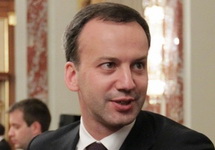
One of the goals of reducing the cost of oil in the world market could be a weakening of the Russian economy. According to RBC, the Deputy Prime Minister of the Russian Government Arkady Dvorkovich announced this on the air of the Posner television program on the First Channel. At the same time, the official admitted that this motive, if he was, was not the main one in the fall of prices.
"As an additional factor, such a theory can work ... as an additional factor plus to everything that I said - to a decline in growth rate, to an excessive oil supply - to annoy Russia, of course, yes. Why not? If there is such an opportunity," Dvorkovich said.
He called $ 80-85 per barrel with a “reasonable” price for oil. “Dear oil, expensive projects should leave the market. This will lead to the restoration of prices at a certain level. It is unlikely that it will again be $ 110-120 per barrel, but I am ready to repeat once again what I said earlier-80-85 dollars, even with all the trends that are, look intelligent,” said Dvorkovich.
The Deputy Prime Minister did not specify when it was oil to return to the previous price framework. “By summer, by the fall, maybe. I don’t want to make forecasts,” he said.
“The very low price of oil is unprofitable for the majority, because it is difficult for the budgets of those countries that they produce oil-they also want to live,” the Deputy Prime Minister noted. “And the second, many investments will not be carried out if there will be such volatility of oil prices, which means that there will not be such an offer of oil, and prices can take place very highly when it turns out that the investment is not made and the oil is simply made. No".
Touching upon the increase in prices for goods within Russia, Dvorkovich admitted: "We will not be able to return the prices for the previous level." “Even if we understand what is happening, this does not mean that we can take and return prices to where they were before the crisis,” said Dvorkovich. He cited the forecasts of the government, according to which the increase in food prices this year will be 15 percent, in January they have already increased by 5 percent. At the same time, salaries are predicted by no more than 10 percent.