
Translated material
Assad received softening
The US State Department spoke about the possibility of negotiations with the Assad regime. Probably this step is part of the efforts of the United States in reconciliation with Iran
US Secretary of State John Kerry states that Washington will have to negotiate with the regime of Syria Assad President on a peaceful settlement of the four -year civil war and creating a transition government. Does this mean that America is renouncing its promise never to conduct a dialogue with Assad?
In an interview with the CBS central television channel shown on Sunday, John Kerry said that negotiations with Syria were inevitable:
- Everyone agrees that the Syrian problem does not have a military decision. That is, everything except Assad. The conflict can be resolved only by diplomatic means. What is necessary to convince the Syrian regime. Damascus must realize that today the international community has a determination to achieve a political decision. The pressure on Damascus will be increased. We are closely cooperating with a number of interested parties in an effort to revive the negotiation process.
In an interview, the Secretary of State did not utter the usual words that Assad had lost legitimacy and should leave his post. He did not specify what he had in mind by the turnover of "strengthening of pressure." Damascus’s reaction to Kerry’s statement has not yet been. But the State Department, according to Reuters, was forced to clarify his boss. According to the press secretary of the foreign policy of Mary Harf , Kerry did not directly say that the United States agreed to have a partner in the negotiations of Assad himself. Similar is unthinkable. But someone, representing the ruling regime, is simply obliged to attend negotiations devoted to the transition period.
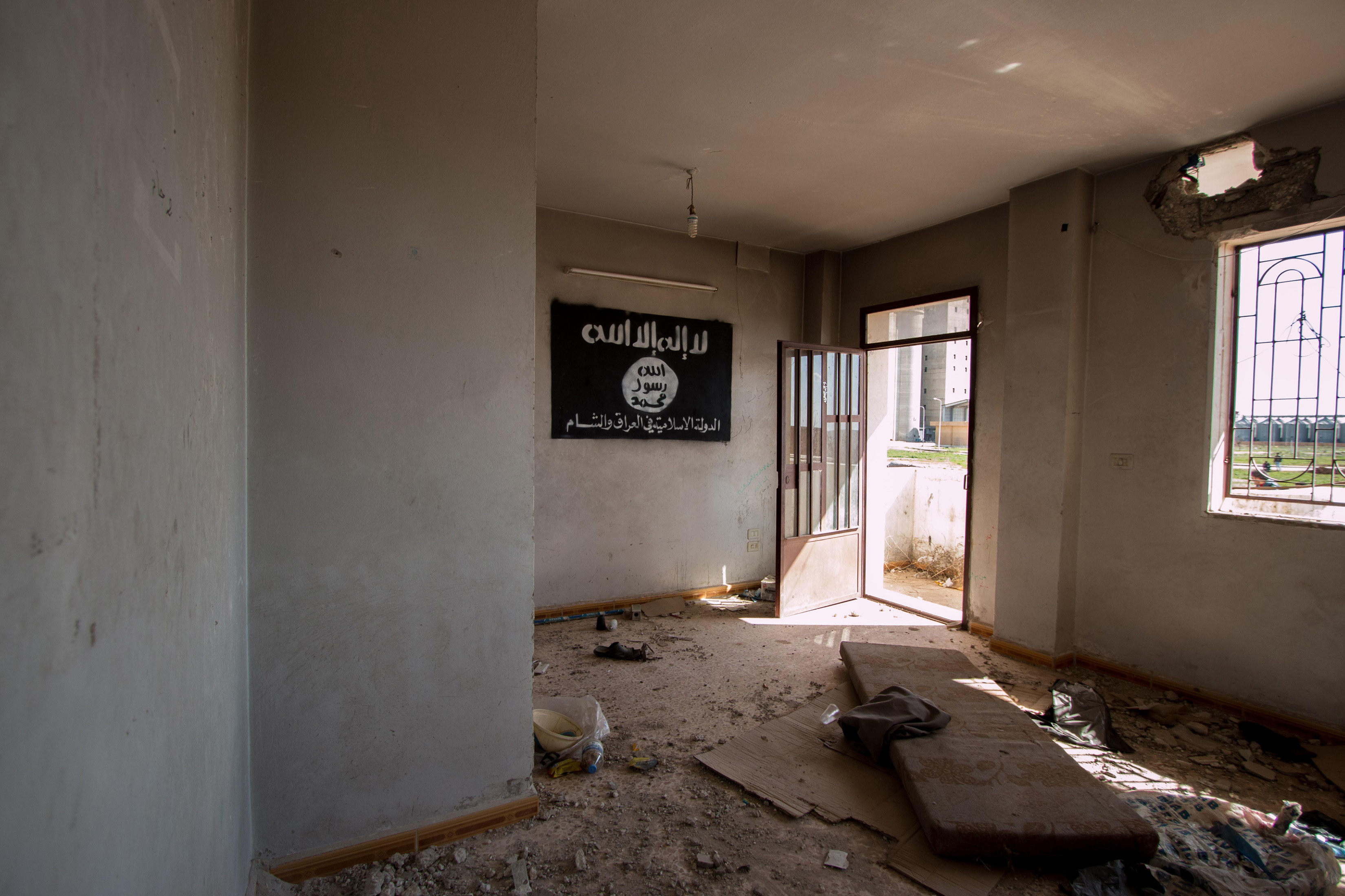
True, as the commentators note, the appearance of a new terrorist danger in the arena of the Middle Eastern Policy in the person of the Islamic State group slightly softened Washington’s attitude to the figure of Assad, fighting with Islamists. But the threat from the Islamic State is apparently only one of the motives that prompted the Obama administration to return to the topic of Syrian negotiations. Another motive may be hidden behind the words of the Secretary of State, which he also did not decipher: "We are closely cooperating with a number of interested parties in the desire to revive the negotiation process."
It is unlikely that Kerry includes Moscow, although in January in the Russian capital a meeting of representatives of the Syrian government and a number of opposition organizations took place. However, the leading rebel forces in Syria did not send anyone to this meeting.
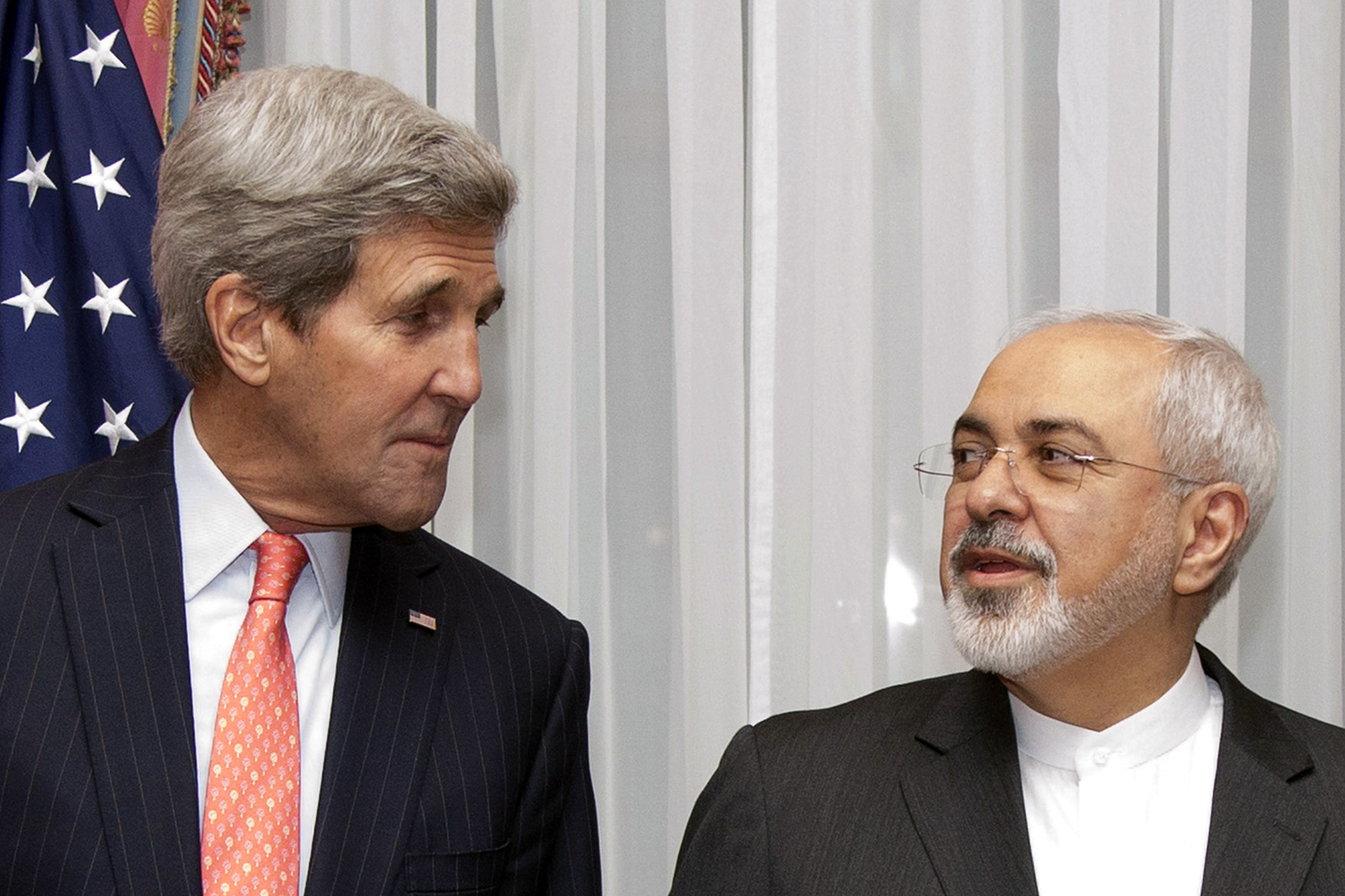
The mentioned CBS interview John Kerry gave in Cairo, where he stopped on the way to Lausanne - the Swiss city, chosen by the place of the next round of nuclear negotiations with Iran. Negotiations join the decisive phase, the main parameters of the Washington and Tehran agreed to be developed by March 31. Recently, American information funds have been written a lot about the fact that for the Obama administration the upcoming nuclear transaction is not so much an end in itself as a key moment of effort on general reconciliation with Iran. Ideally, even a return to the time of strategic partnership that existed between the two countries immediately after the end of World War II and before the victory of the Islamic Revolution of 1979. Tehran is an important sponsor of Assad, without the help of which, it seems, the Syrian ruler would not have survived under the onslaught of an armed opposition. If anyone is able to persuade Assad to constructive negotiations, this is Iran. The world in Syria promises the stabilization of the entire region, including Iraq and the Golan Heights on the Syrian-Israeli border, which has recently become another focus of tension, threatening to develop into a new front in the confrontation between Israel and the Hesbollah of the pro-based Husbollah.
At the moment, it is not clear how the new agreement on the transition period in Syria will look like. Last year, on the initiative of the United States in Geneva, two rounds of negotiations dedicated to this issue took place. They did not have any practical consequences, and new consultations on this topic were not planned. Pro -American elements in the Syrian opposition confirm their complete disagreement with the idea of inclusion of proassadian politicians in the transition government. American aviation bombs the position of Islamists in Syria, but does this allegedly without coordination with the Syrian army.
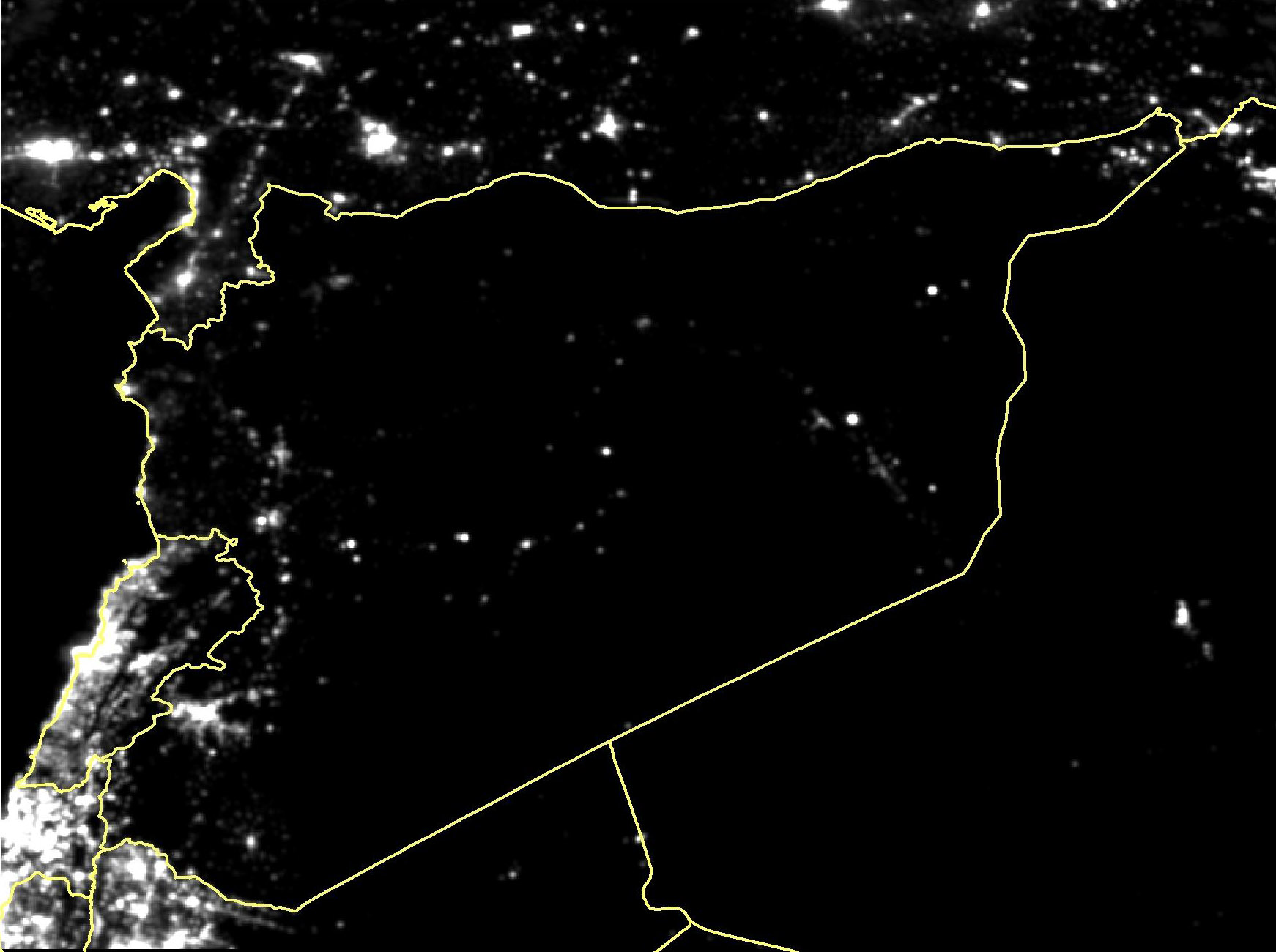
If anyone supports the State Department’s course unconditionally to revive negotiations with Damascus, these are human rights organizations. On the four -year anniversary of the outbreak of the Civil War in Syria, they released the country's night illumination made from the cosmos, showing that during the armed conflict due to physical destruction and flights of the population, the lighting was reduced by 83%, and in the second largest the city of Aleppo - by 97%. According to the former Minister of Foreign Affairs of Great Britain, and now the director of the "International Rescue Committee" David Miliband , "Syria in the literal and figurative sense of the word plunged into darkness."
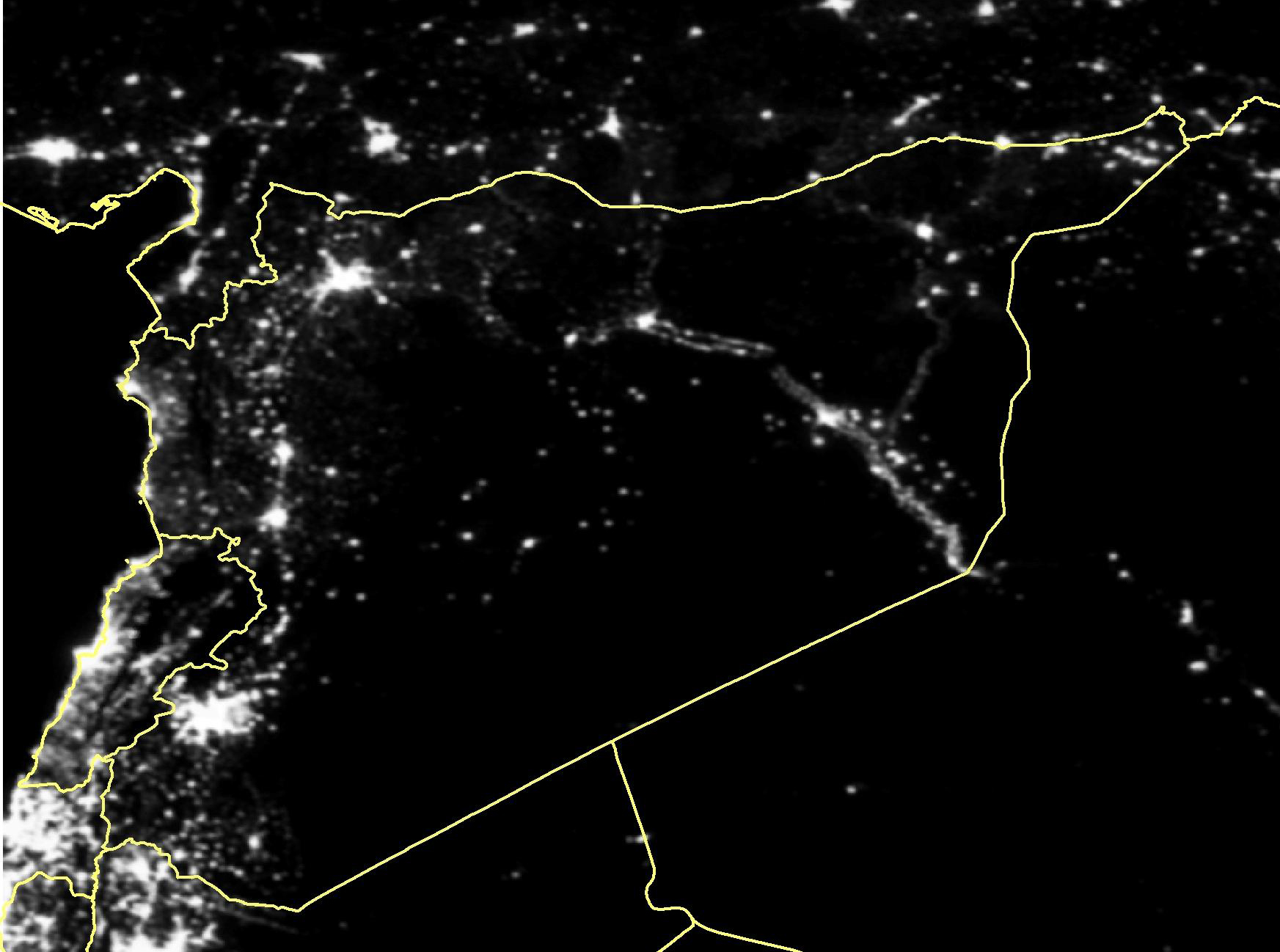
In order to return it to the light, Amnesty International believes, it is necessary to give priority to political settlement of the crisis, focusing on the expansion of humanitarian aid to refugees and internal migrants, and insisting on all the participants in the conflict to stop attacking civilians.
According to the NEW York Times in Jordan, the wound of Sveis , the problem of Syrian refugees is aggravated by the fact that more and more their number is settled not in the UN camps, to which they are officially attributed and where the conditions for their reception are created, but in the cities in which they are illegally seeped and where social services are not able to help. Jordan reduces the influx of legal refugees from Syria in view of two types of risks: the need to financially support them if private donors and the UN are cutting off donations for these purposes, which may well happen, and penetration into the country along with the migrants of the Islamist militants. Since the beginning of the war, 625 thousand Syrians moved to Jordan, but only about one hundred thousand settled in the camps.