
Translated material
Amnesty International spoke about political repressions in Crimea
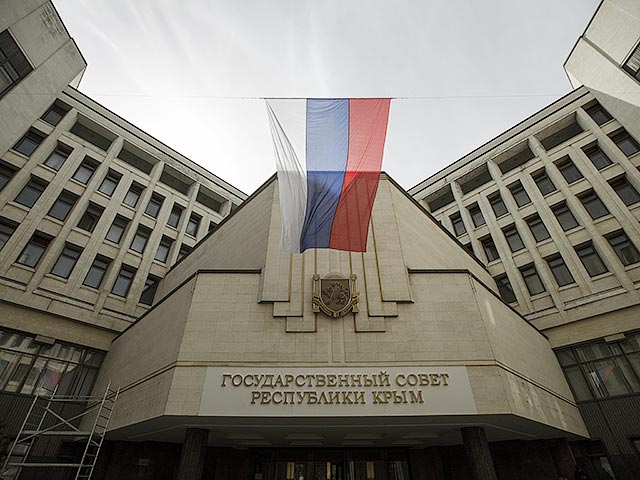
The international human rights organization Amnesty International on the anniversary of the annexation of Crimea to Russia published its report on compliance with human rights in the new Republic. According to the report, many critics of the regime were stolen and tortured, and the new authorities did not conduct public investigations of such cases, quoted the publication of DW . The independent press is forced to be silent, and the dissatisfied has a choice: to be silent or leave the peninsula.
"Since Russia has annexed Crimea that have been in power use a wide arsenal of intimidation techniques to suppress the disagreements; a series of abductions from March to September led to the fact that many open critics left the region. Those who remained were subjected to persecution by the authorities, completely determined to force the opponents," the Russian Air Force quotes the Russian Air Force quoted John Dalhizen, director of the program in Europe and Central Asia Amnesty International.
- Press about the Crimea: what has changed over the year
According to human rights activists, at least seven people have been stolen over the past year, whose fate is still unknown. The disappearance of the three Crimean Tatars was attested directly by AI. At least another stolen - Richat Ametov - was found dead with traces of torture on the body.
"The current Crimean authorities assured us that they were investigating all cases of abduction and torture, but we have not yet seen specific evidence of this," said John Dalhizen.
The authorities create an atmosphere of fear on the peninsula, using intimidation and adoption of repressive laws directed against information and non -governmental organizations, the organization’s report said. So, the Mejlis, which represents the Crimean Tatars, is not recognized as local authorities, and its leadership is subjected to persecution.
Independent media have problems. At the end of January, several dozen armed people in masks burst into the office of the National TV channel of the Crimean Tatars of ATR, stopped broadcasting and seized documents regarding the company's activities over the past 11 months. The information Crimean Tatar agency QHA (also known as "Crimean News") refused to register as the media without explanation. A number of journalists and bloggers have long left the peninsula, often explaining this to security considerations.
“A year after the annexation of Crimea, the attitude of the authorities and their Russian masters towards everyone who opens against them comes down to a simple principle: be silent or get out,” the Dalhizen summarizes.