
Translated material
Levashov wasteland
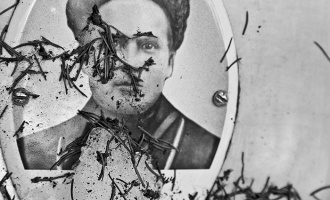
The photographer Pavel Volkov tells the story of the Pargolovskaya Dacha special object-a burial ground, where during the years of large terror the executed Leningraders were buried, and since the 1990s, a spontaneous public museum has been operating, whose exhibits have been provided with those who come here for graves of loved ones.
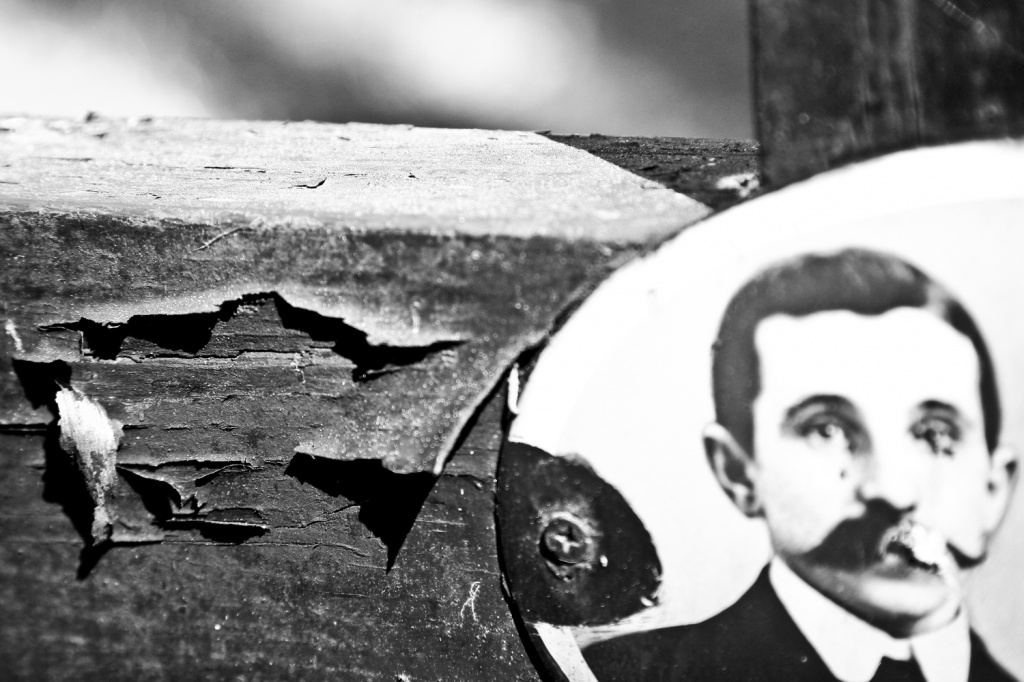
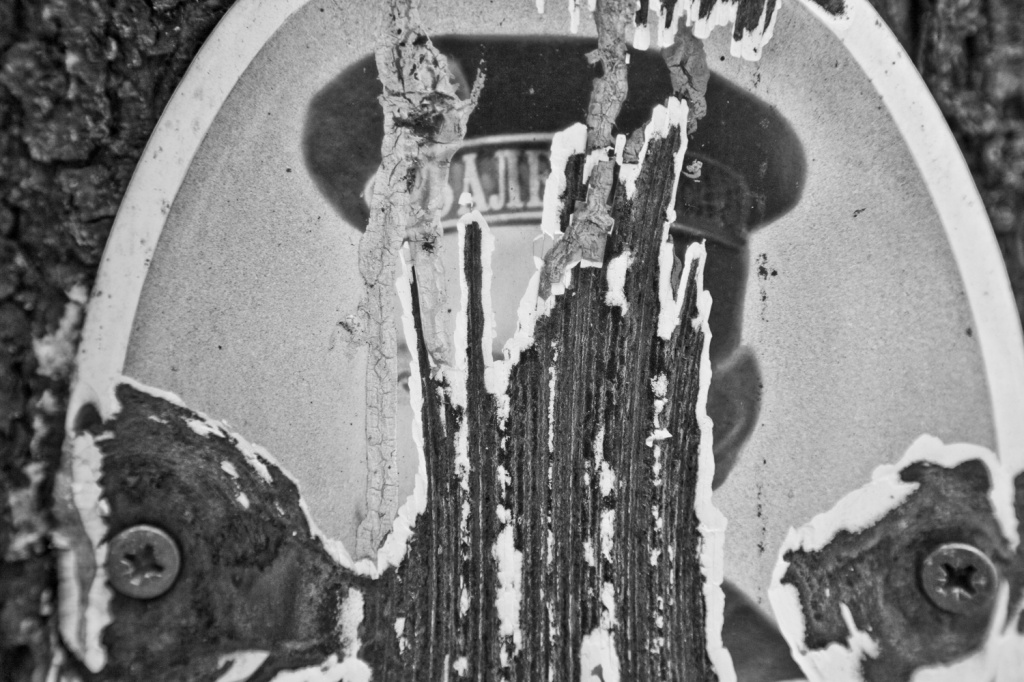
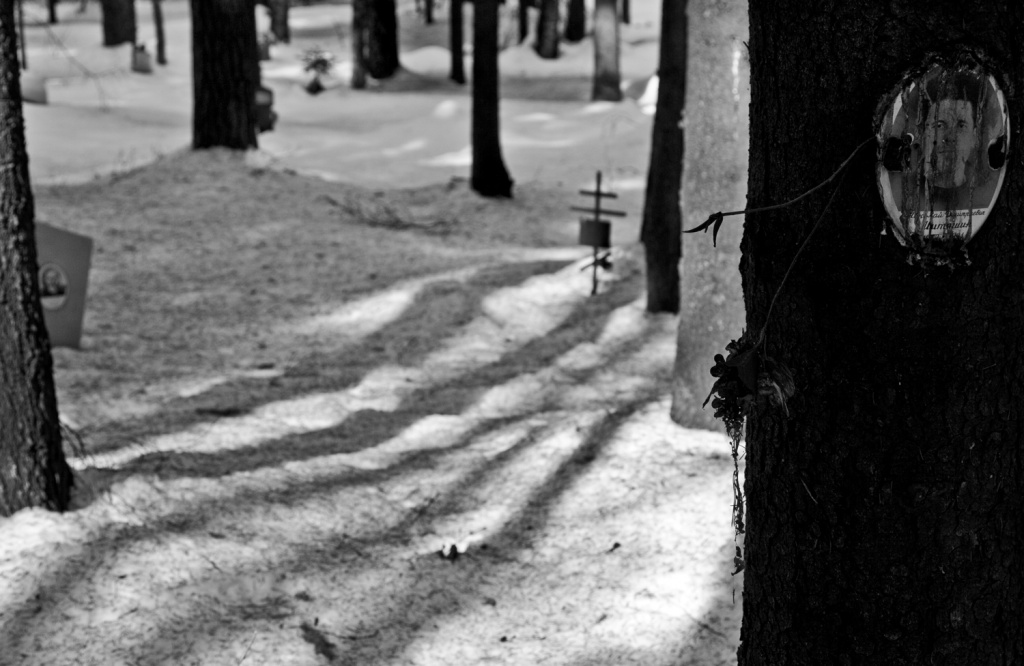
Levashov wasteland is one of the memorial cemeteries that arose at the site of mass burials of people executed by the NKVD during the years of large terror. According to official figures, disclosed in the late 1980s, the KGB of Leningrad, this place was the only one where the Leningrad residents killed during the years of the Stalinist repressions were buried. Eyewitnesses are forced to doubt this: there is information about the burials at the Rzhevsky training ground and at the city cemeteries of Leningrad. However, it was Levashovo after the declassification of the burial ground that turned into a memorial cemetery, in many ways spontaneous. Relatives of those whose bodies were never found, and the burial place remained unknown, bring photographs to the Levashov wasteland, put small monuments. Portraits of the dead hang on the trees or lie right on the ground.
According to the Gulag Museum , there are 590 necropolises in Russia, where the victims of a repressive car are buried: camp prisoners, prisoners of war, interned, children from orphanages and boarding schools, special settlers. Dozens of memorial cemeteries, like the Levashov Perenda, arose at the site of mass burials of the executed.
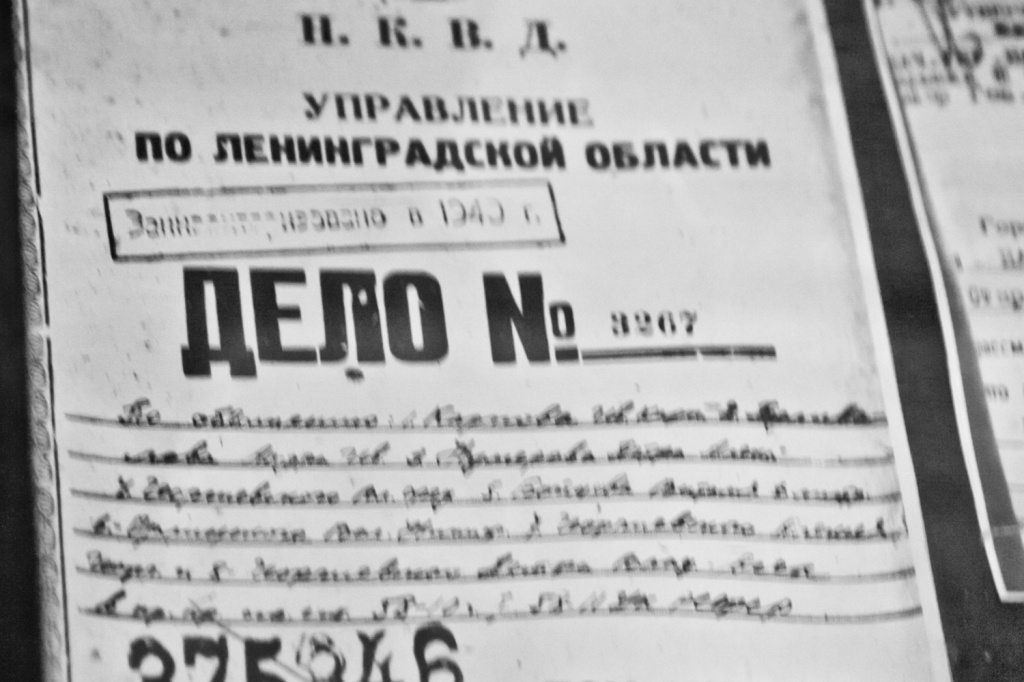
Only in 1937-1938 40 thousand people were shot in Leningrad
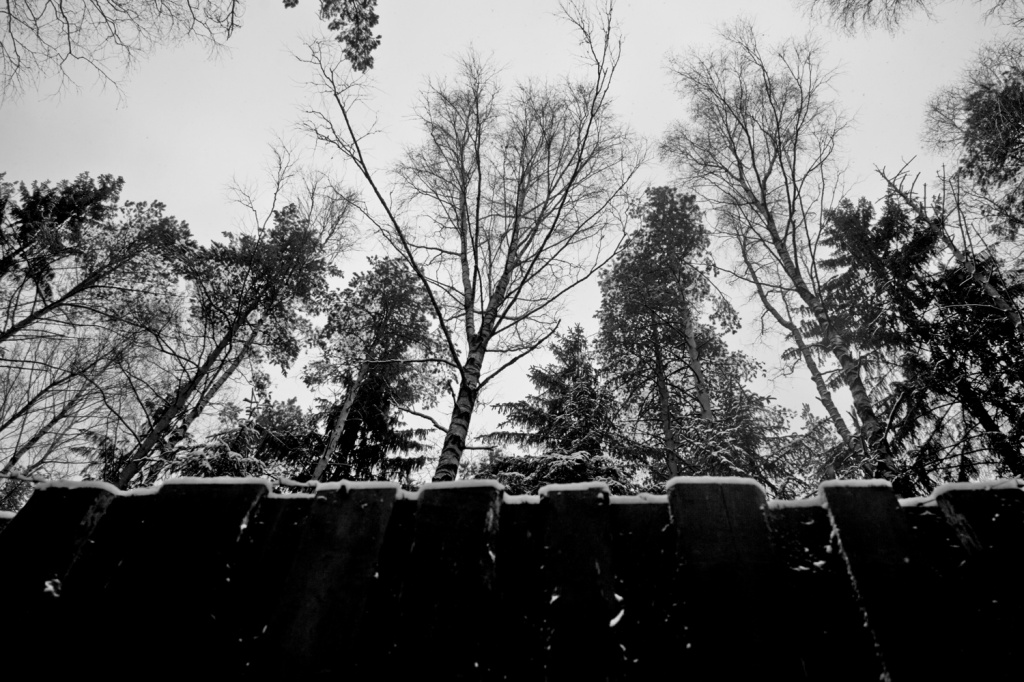
In August 1937, two forest sections of the Pargolovsky forestry were surrounded by a deaf fence in just three days.
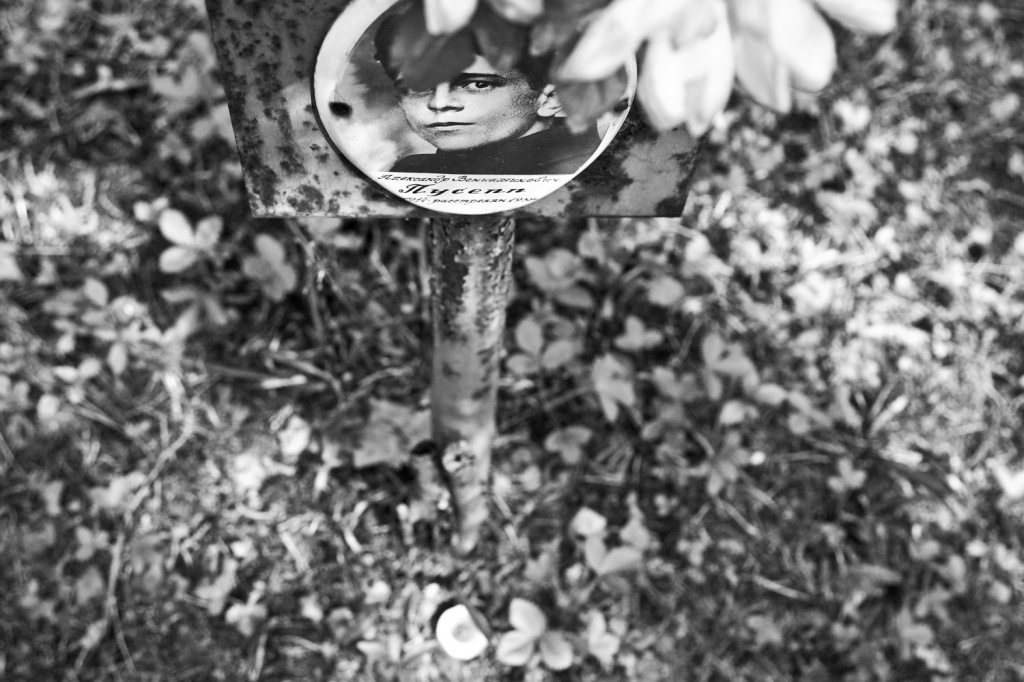
Alexander Pusepp, shot in 1938.
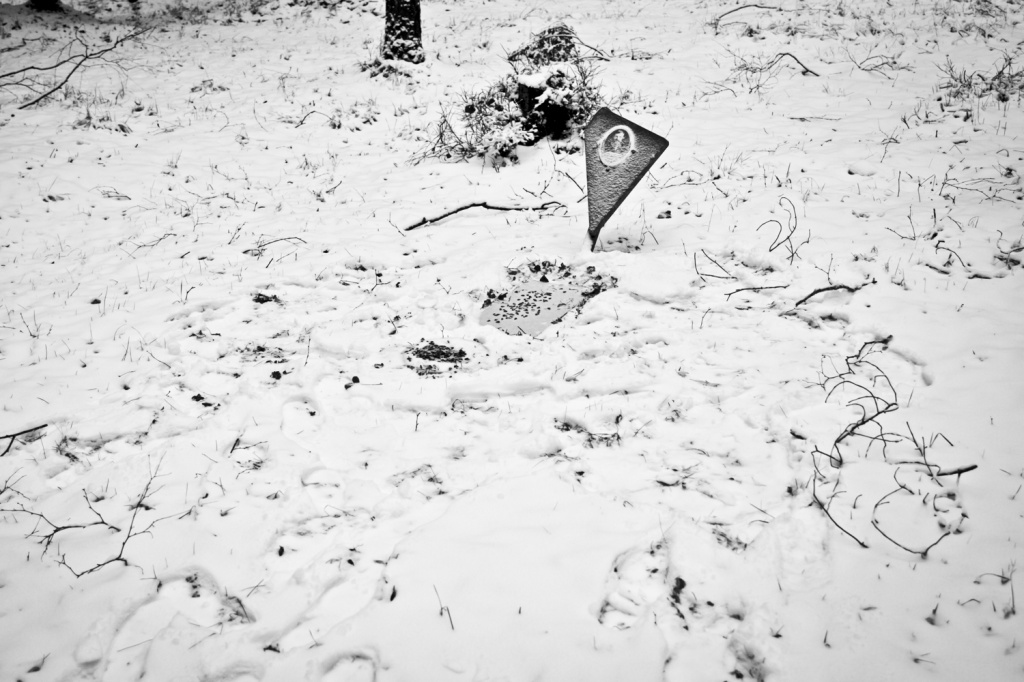
The youngest man, shot in Leningrad during the years of large terror, was 18 years old, the oldest - 85 years old. The youngest woman is 19 years old, the oldest is 79 years old.
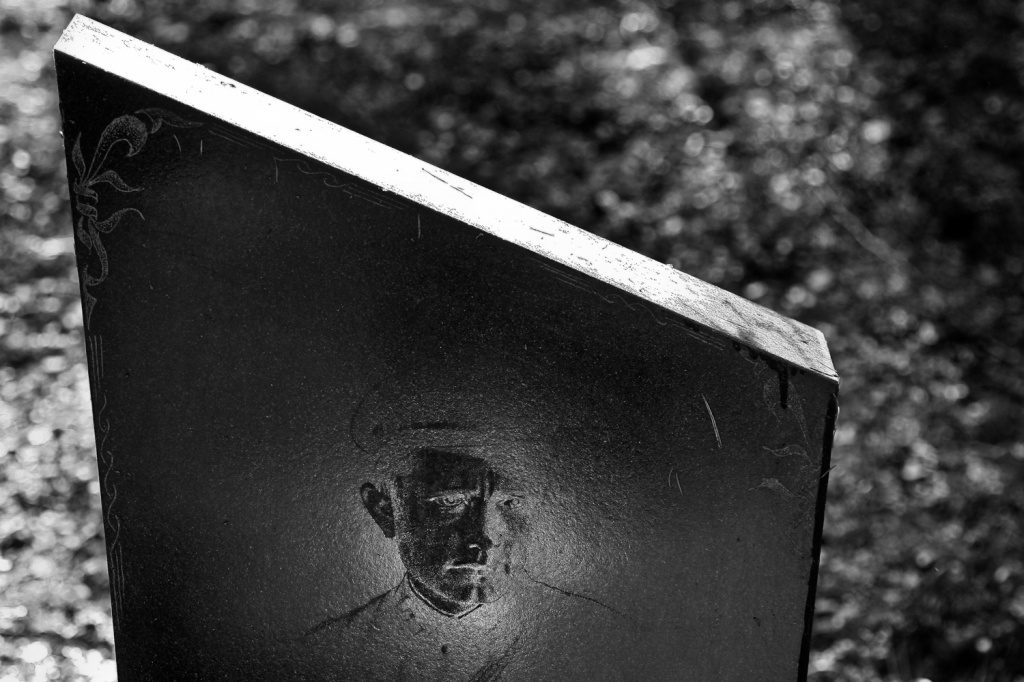
In Leningrad, not only residents of the city and the region were executed. It is known that the city was carried out by death sentences against 8,200 residents of the Pskov region. Presumably, most of them are also buried in Levashovo.
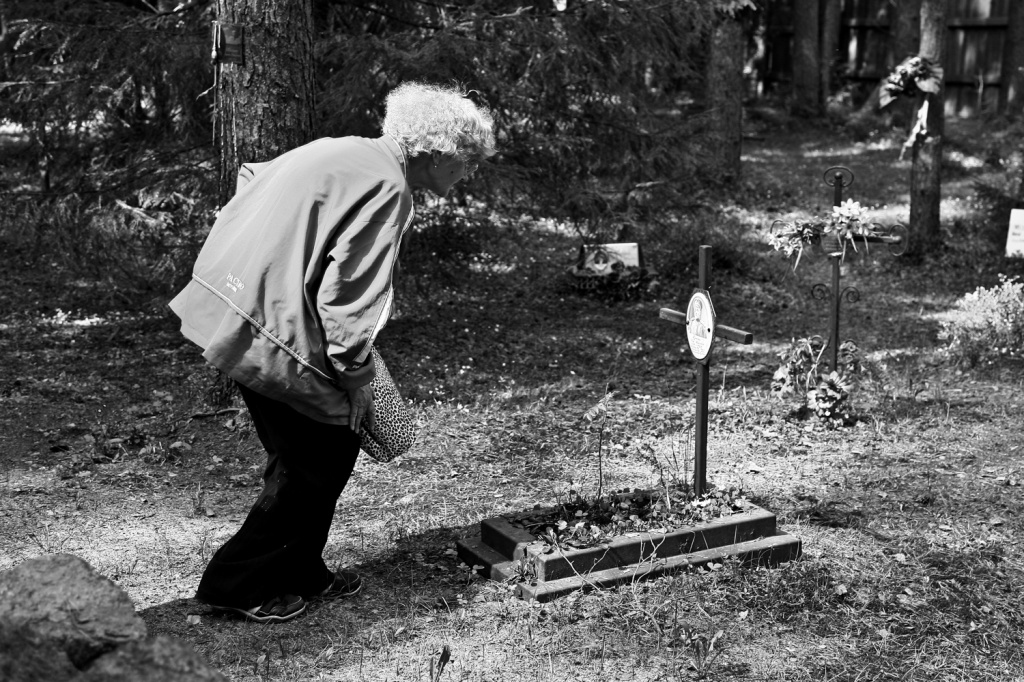
A woman at the grave of her father.
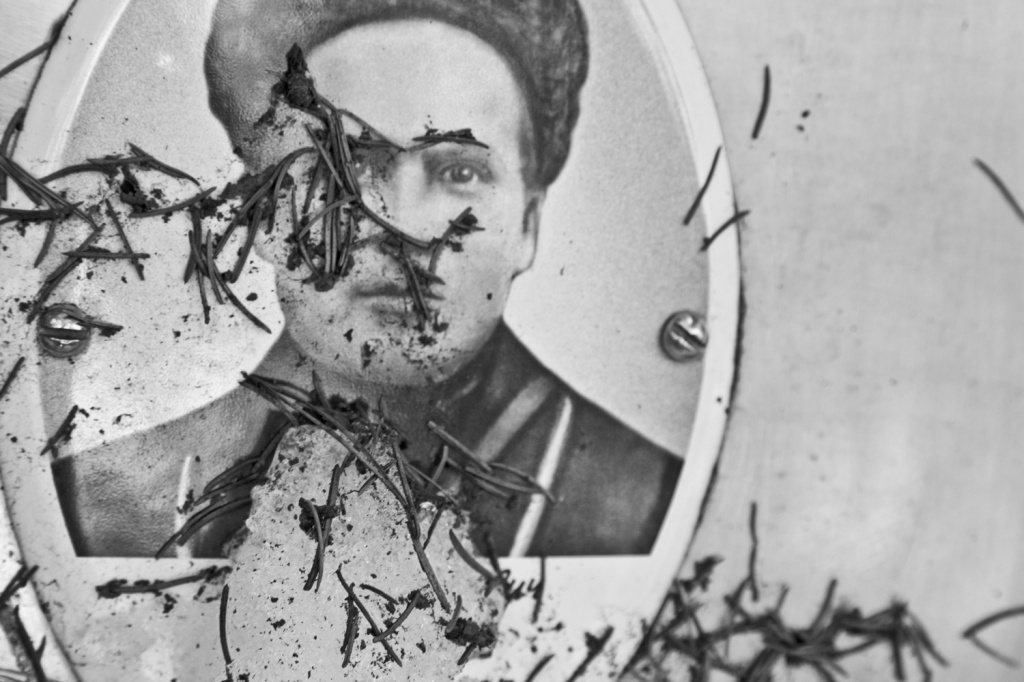
The priest and philosopher Pavel Florensky, shot in December 1937, was buried at the Pargolovsky dacha, the poet Boris Kornilov, executed in February 1938, the Futurist Benedict Livshits and many others.
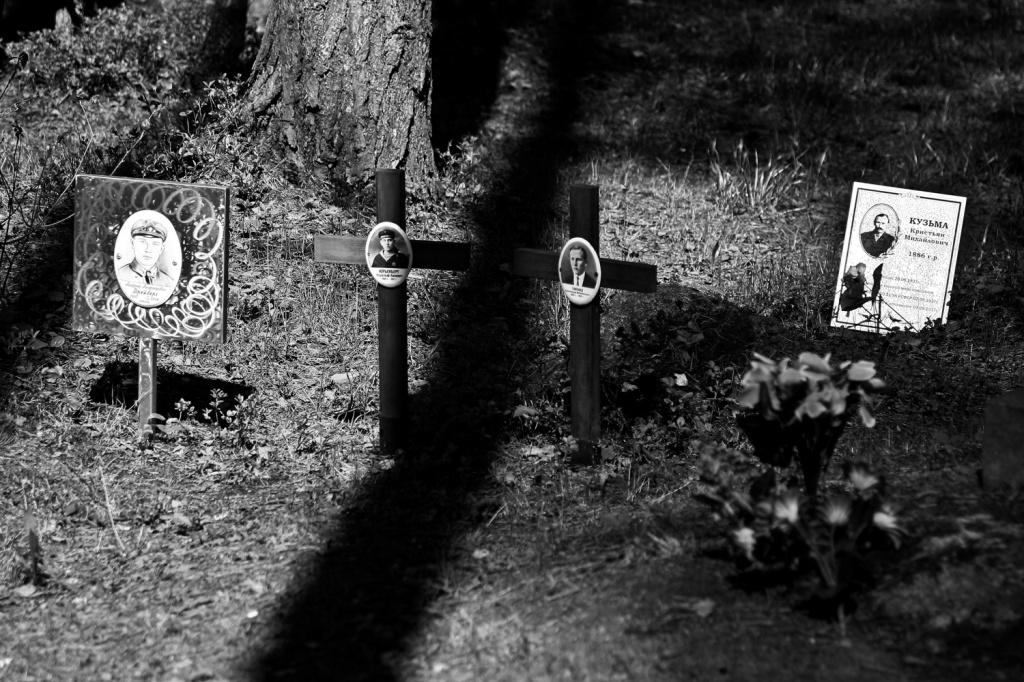
The burial ground in Levashovo was actively used until 1954.
The main place of executions in Leningrad was the department of the Leningrad prison of the Main Directorate of State Security, located in house 39 on Nizhny Novgorod Street.
In the 1960s, the KGB of Leningrad recognized the “Pargolovsky cottage” as the only burial place in the city of the repression during the years of repression, however, according to his estimates, not 40 thousand, but 19,450 people were buried in the burial ground. UFSB in St. Petersburg and the Leningrad region adheres to the same data.
Right in the Levashov forest, in 1954, one of the initiators of the “Leningradsky” was shot and buried in the general grave, Colonel General of State Security Viktor Abakumov.
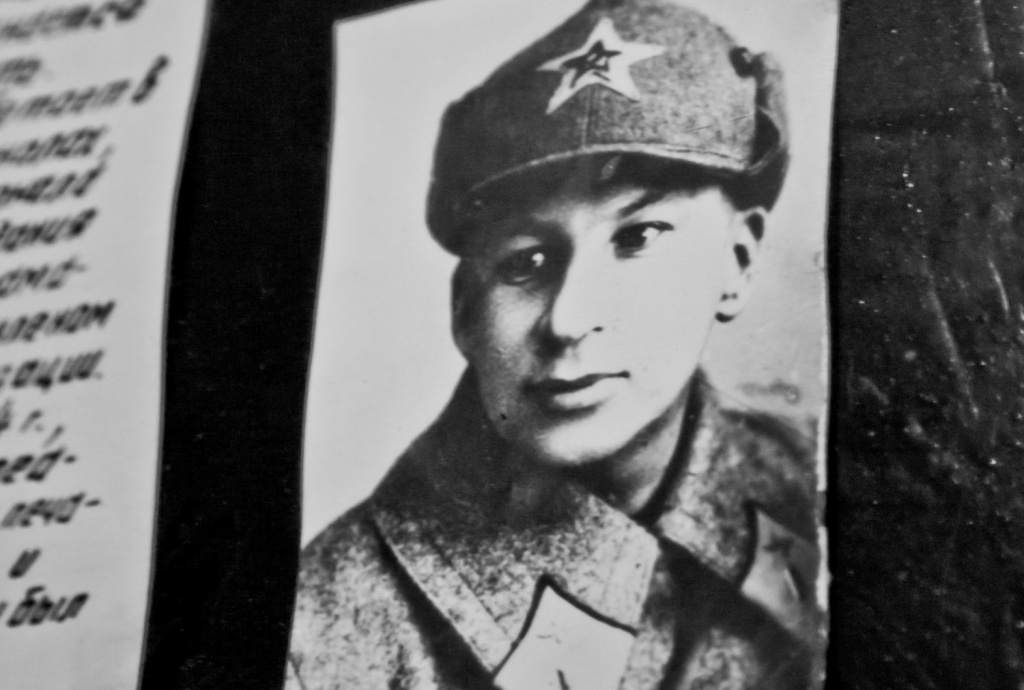
Portrait of the executed Red Army soldier. Public Museum "Levashov Perefonal".
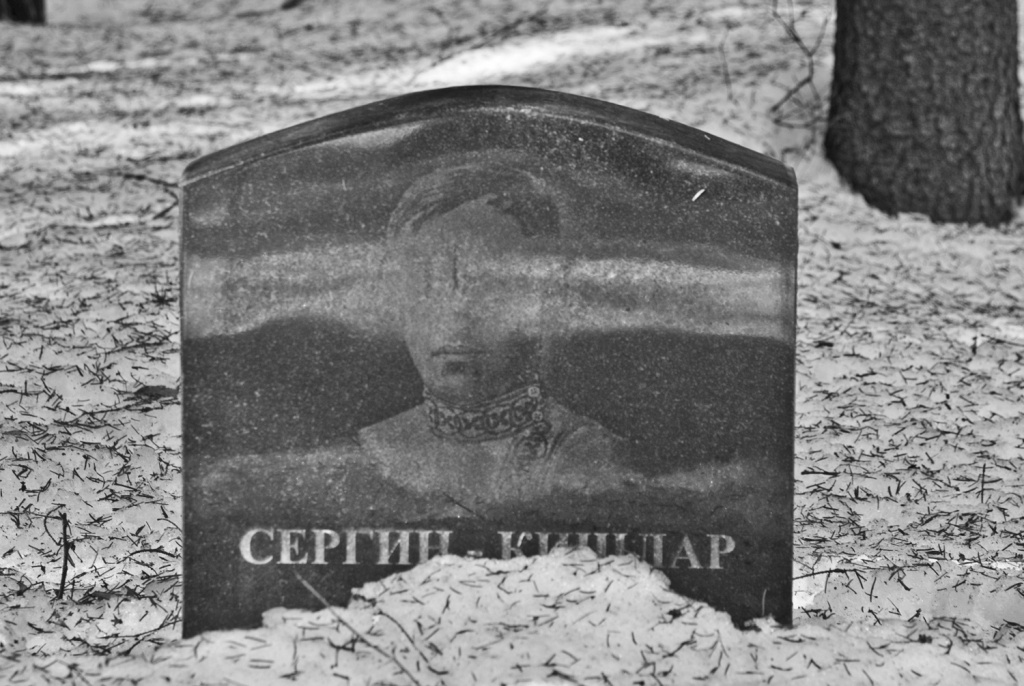
The grave of Sergey Klara.
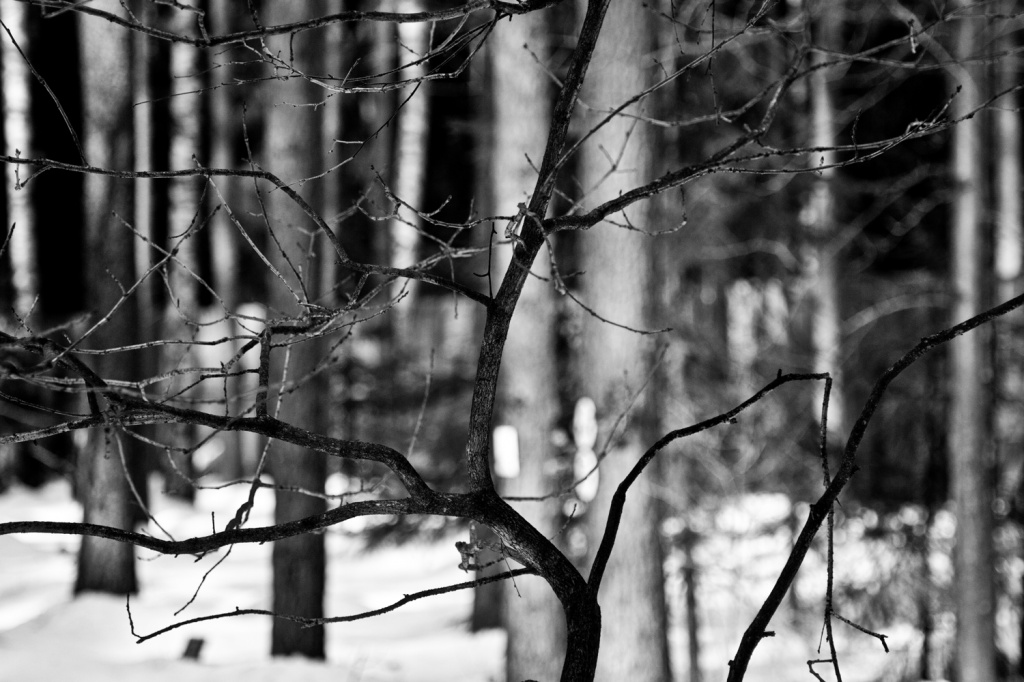
The object remained secret until 1989, it was guarded by soldiers of military unit No. 39964.
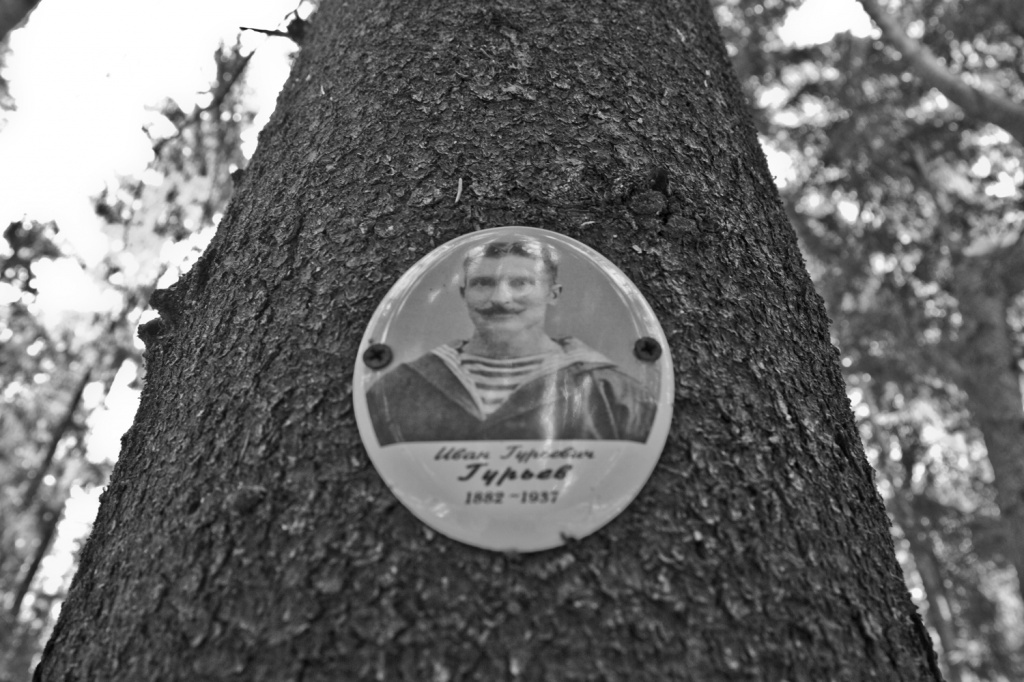
Ivan Guryevich Guryev, year of death - 1937.
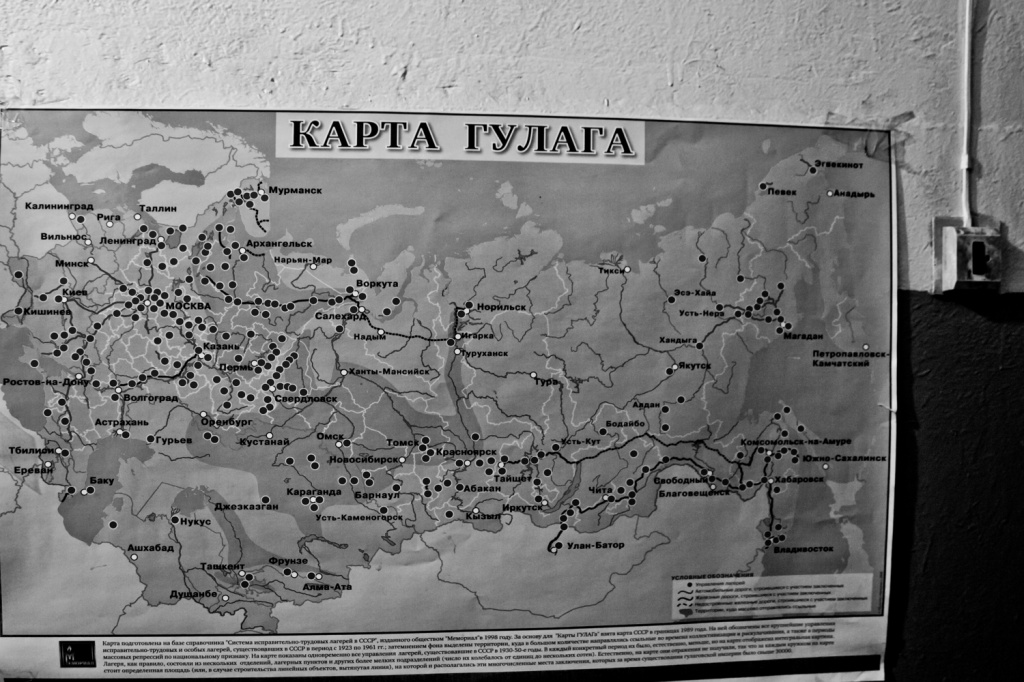
Gulag map: places of burial, executions and the maintenance of prisoners. Public Museum "Levashov Perefonal".
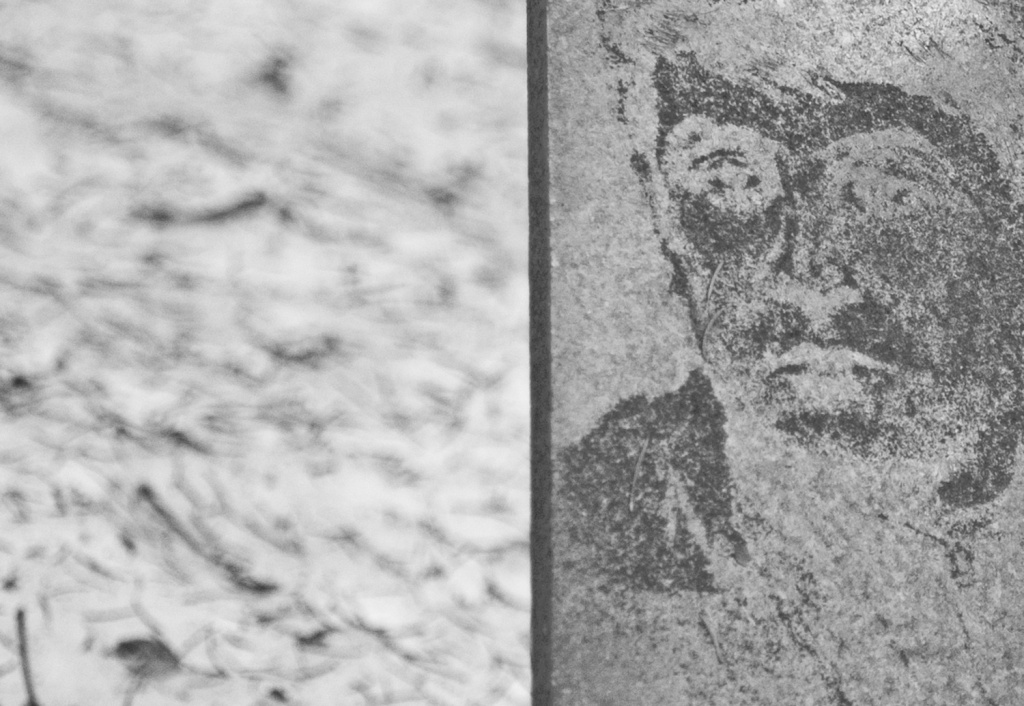
The area of the NKVD burial ground near Levashovo, designated in the materials of the Leningrad KGB as the "Pargolovsky cottage" - 11.5 hectares.
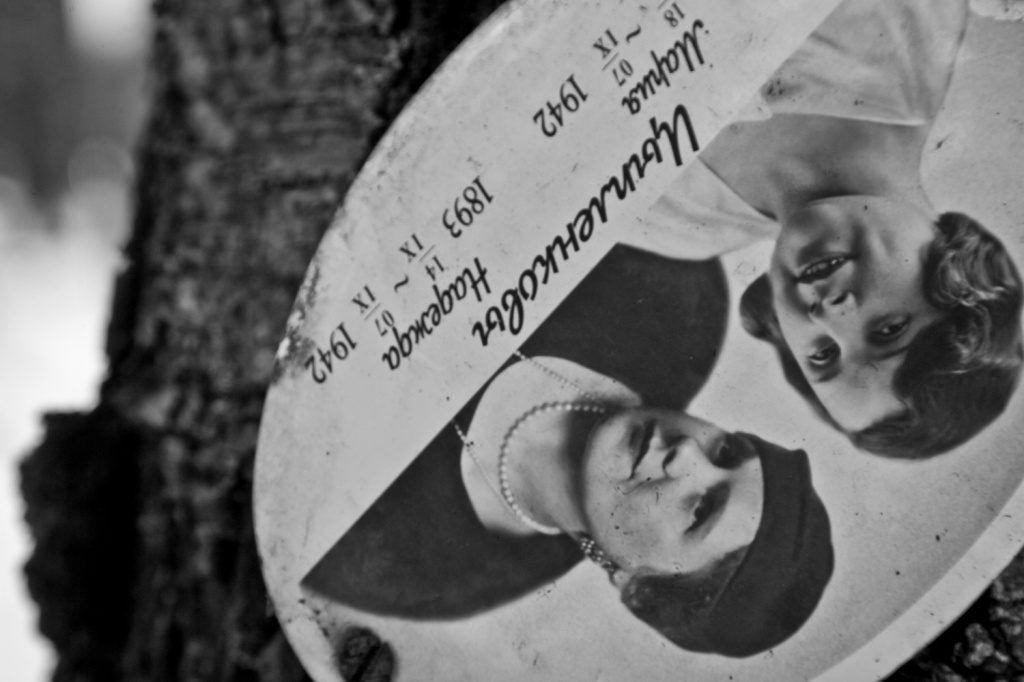
Maria and Nadezhda Tsyplenkovs were shot in 1942.
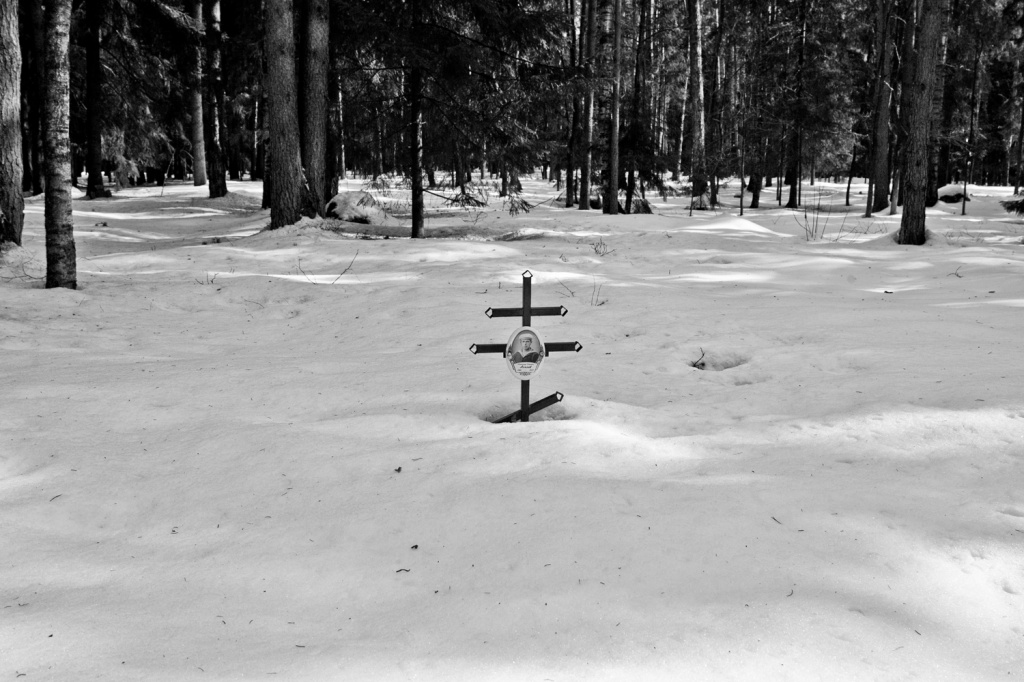
The Levashov wasteland is only one of the spontaneous memorials at the site of mass burials of the times of large terror. In Moscow, for example, there is a burial right on the territory of the Yauz hospital, where more than a thousand people are buried. In the vicinity of the village of Mednoye near Tver, a multi -thousandth burial of Soviet citizens and Polish troops killed in 1940 were discovered. In the post -war years, the sanatorium of the Kalinin Directorate of the NKVD functioned on the site of the burial ground in the copper.