
Translated material
Bodan Orlova with the "Motherland"
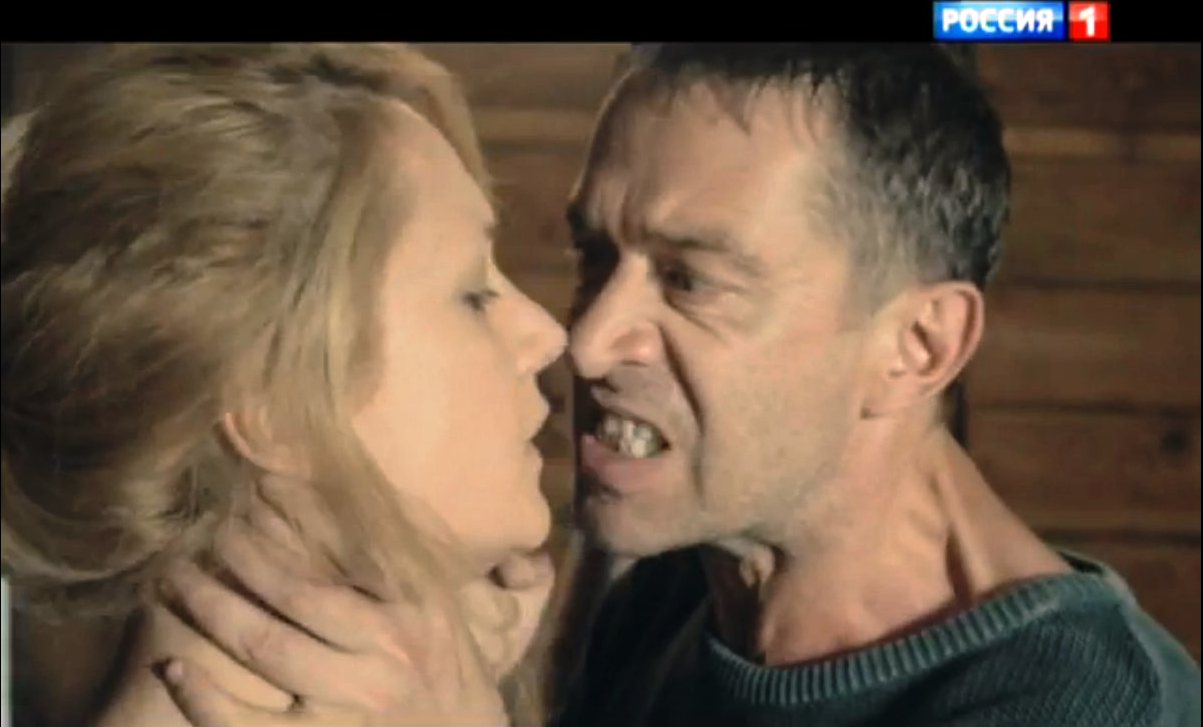
The frontal clash of the series about Lyubov Orlova on Channel One and the Motherland on Russia. Which of them does the viewer give more preference? Was Pavel Lungin the adaptation of the Israeli "Motherland"? Did the series “The Law of the Stone Jungle” managed to intervene at TNT to intervene on the battle of serial premieres? The telecritics are discussed by Arina Borodina ("Echo of Moscow"), Andrei Arkhangelsky ("Spark") and Ekaterina Barabash ("Interfax"). Presenter Elena Rykovtseva.
Full video version of the program
Elena Rykovtseva: We tried all week to watch the series that went simultaneously along three channels, three premieres on the first, on the second and through the TNT channel, which some forget about the resentment of the leadership of this channel. Andrei Arkhangelsky in our studio, the magazine "Spark", a television critic, a culturalist, a person who watches the series professionally. Ekaterina Barabash, telecritic and film critic of Interfax agency in touch with us. The telecritic Arina Borodina is so harsh that her birthday coincides with our broadcast about television series, she celebrates now, but will be in touch and report the atmosphere on ratings that have received all these three products. The first channel of Orlova and Alexandrov, the second channel "Homeland" by Pavel Lungin and the third series "Law of the Stone Jungle", which is walking along TNT. So they clashed for some reason in one week. What is the point of mocking the public? Someone first wants Orlov, then the "Motherland", then "Stone Jungle", and then all together.
Andrei Arkhangelsky: This confrontation is quite symptomatic. For example, the series, based on the motives of formally Israeli material, is actually an American, which is called the "homeland" in the Russian translation, of course, is contrasting with another homeland, but also the Motherland, our Soviet homeland-our golden 1930s. In fact, there are special services, and there are special services. There is no direct ideological confrontation. Both series that you need to love the homeland no matter what.
Elena Rykovtseva: That is, the viewer, preferring one series, will not lose anything, not looking at the other?
Andrei Arkhangelsky: In the "Motherland" more complicated, in "Orlov and Alexandrov" everything is simpler. And the topic is generally one, all the series that you need to love the homeland no matter what. It's not about you, but in your homeland.
Elena Rykovtseva: We will discuss the series "The Law of the Stone Jungle" separately from these two. He is also about his homeland, just a different type of homeland, a film of a different type about homeland than these two. "Homeland" became the most welcome premiere, with great interest awaited how Pavel Lungin adapts adaptation. There is the original - the Israeli series "Homeland". The mass Internet spokesman was more likely to watch the American Rodina series. They waited for them to be interesting, they would blow up the Kremlin, how they will blow up the FSB, as the head of the administration of the conditional Sergey Ivanov is a scoundrel and a scoundrel who needs to be removed from the face of the earth. Now, I hope you will tell you how these expectations were embodied by Pavel Lungin in life. Catherine, the interest with whom you were waiting for this series turned out to be justified?
Ekaterina Barabash: Firstly, I hope that I will not offend you or anyone if I say that I was waiting for this series with such an interest. Maybe this is my prejudice, you will forgive me. I saw a piece of the American series, I have not seen Israeli, I am not so advanced viewer. Therefore, when you know in advance that some American product is very high quality to our soil, to our realities, with our actors, with our directors, you are no longer any good. I will say briefly: no, he did not live up to my expectations. I think that if our viewers do not look at him, they will not lose anything. Let them watch the American source completely better better. This is understandable why such tracing paper is being removed around the world - this is money. If all over the world such a series brought money, why cannot bring from us. But I am interested in why such an amount of this, why such a number of remakes, why such a number of cripples, why such a amount of parasitization is already to "Orlova and Alexandrov", on the pages of Soviet history. I'm not sure that on the most interesting pages. I have the feeling that we are simply haunted by some colossal crisis of ideas, and it is just very clearly visible on the series "Homeland".
Elena Rykovtseva: Andrei, please tell us for the audience who have not watched and never look, because they suddenly don’t want to look after our ether, it would seem, it would seem, absolute tracing paper, this is an amazing case when it is transferred to Russian soil, the strokes, to the color of the hair, but what do you have a sensation?
Andrei Arkhangelsky: Firstly, this is always a slippery question of what to do with adaptations. Here the eternal fork is this: if the director bruts this film very much - it turns out a little in the bast shoes, overkill, people feel and laugh at it. A person will do almost something like the American version, to an English, with an easy amendment, with renaming, we also have a complaint. It does not work completely, because there are too too many countries, mentality and so on, but the person is guided, did not change anything, left everything as it was. So here I would not be very indignant. Because it turns out badly and so. Katya very correctly said that she had a claim to the fact that the retrouch is actually continuous, there is no her own ideas. She looks completely into the root, she is absolutely right.
Elena Rykovtseva: It seems to me that the Russian version is spoiled by this. Because the American series is absolutely modern, you watch it even from the point of view of some knowledge.
Andrei Arkhangelsky: Here the problem is fundamental, it is not possible to make remakes even, it is not possible to make a crossing of their own films. Daniil Borisovich Dondury, my senior comrade and colleague, put forward the idea that we could not succeed either remake or recruitment, because we have no our own life. When there is its own life, when there is its own energy of the living country, it inevitably gives you the ground, it carries out its own energy from remakes or repetitions. This happens inevitably. There is a country, a country is developing, it tells you some moves, because it itself pulsates. In the event that the existence of the country resembles a series or programming, when, relatively speaking, there are no virtual images of everyday life, we have all the series about the special services, all the series about the Cheka, the NKVD, the MGB, and the KGB. That is, we do not have persistent virtual images of the binding of everyday life. We are not removed about an ordinary person, we are removed about stars, we are being removed about special services. As one character said, you have nothing. That is, there is nothing to rely on. And when some director tries to transfer something West to our soil, no matter how time he takes, he cannot find support. The American Rodina series is not about the special services, like the entire products of modern American series, he is what is in the head of man, he is about the mysterious world inside the head, about psychology. It doesn’t matter here that special services, it is important here what is happening to a person. But this person should be immersed in some natural conditions. A person immersed in American natural conditions, he lives there. And our man, artificially transferred to the 1990s invented conditionally, which are not recognized in this series, he has nothing to breathe there.
Elena Rykovtseva: Why did Pavel Lungin need to identify this story, which is absolutely modern in the original?
Andrei Arkhangelsky: The only benefit of the 1990s in the concept of modern ideology is that all the horrors that could take place are transferred there. All horrors can occur in the period from the late 1980s and throughout the 1990s. In this space you can frolic, there is a small corridor of opportunities where you can show, say, betrayal or recruitment. Imagine the director’s position even such as Pavel Lungin, he finds himself in the space of absolutely total restrictions. The theme of special services, you need to play it ahead of time before saying something. You do this on the state channel, where there are also a lot of restrictions. As a result, nothing can be - as a result of life, there is no life. These are the consequences of universal self -censorship. How can you tell a difficult story if you can’t say anything directly?
Elena Rykovtseva: Everything that we are doing now when we look, we learn the American plot, but we will not recognize any Russia.
Andrei Arkhangelsky: This is a problem of cinema of broad -screen and series. Because as soon as you try to make a serious statement, you have a lot of restrictions, as a result, kefir is obtained.
Elena Rykovtseva: The Russian series "Homeland" clings to you, did you try to watch a series after the series? I could not after the first, I am completely uninteresting.
Andrei Arkhangelsky: Arina Borodina says that she specially practices, she has some cunning practices of neuro-programming, apparently she can forget the plot of American and watch just like Russian cinema. I also tried to watch as Russian cinema, but it doesn’t work out, because it is difficult, because there is nothing to rely on. Relatively speaking, where are the details? This anti -terrorist center, which the critic Alexander Zelvensky very successfully called him the space of the Strelka Institute. Naked walls, nothing. In the American series, it is clear that this is the center, because it is flooded with coffee machines, cleaners, crowds of people move back and forth, the devices stand, some wires, stickers, pieces of paper. And here it feels like they removed this pavilion for a while.
Elena Rykovtseva: I think that if you want at least some interest to experience this series, you can not watch the American "Motherland".
Andrei Arkhangelsky: You must rely on some life, you must identify this life, otherwise it is an airless space.
Elena Rykovtseva: Vitaly from Lobny, are you watching one of the three series we are talking about?
Student: You know, I look at the television movie about Orlova and Alexandrov. The theme of the film and the plot are interested in me. I don't like the film about Orlova in many ways. Firstly, the selection of actors from Lyubov Petrovna to Joseph Vissarionovich is bad both according to external data, and in character, in the game, in history. Maybe a certain exception of the cliffs. The manner of the game is horror. As a student, I was lucky enough to see Lyubov Petrovna on the stage of the Moscow City Council in 1956-this is a game. "Meeting on the Elbe" is a dramatic role, because she was a dramatic actress in comedy films. And in the film, which is going on, someone else, but not Lyubov Petrovna. Telefilm - failure. The director, the actors do not know the history of cinema.
Elena Rykovtseva: Katya, about this you definitely wrote a review, as far as I know.
Ekaterina Barabash: In many ways, this series is not so terrible in its components. There is a completely decent scenario, as it seems to me - this is a scenario for such a normal television product for office workers tired at work, who came home and want to consume this television product. There are quite normal components. They are even outwardly similar, Anatoly White looks a little like Alexandrov, at some point it even begins to seem that Olesya Sudzilovskaya is a little like Orlova. There are some successful acting moments. This is nothing, this is, but together some kind of cardboard falsity turns out. Once again, this is a mystery, how so, why, from the normal components, some kind of incomprehensible product is obtained. Probably, the whole thing here is in the cook and to the extent that it consumes flavor enhancers. Someone uses an amplifier of taste, identical to natural, and someone consumes an amplifier of taste not identical to natural. In the series "Orlova and Alexandrov", unfortunately, these flavor amplifiers are all involved on some cliches, on stamps, each character has his own flavor, he is alone, and he hits you in the face, which is called. Andrei Smolyakov, playing Gorky, here he will stand and maneuver. Nikolai Dobrynin, who, in general, maybe Utesov plays well, but he screams with a Jewish accent all the time, I don’t remember anything else. The most important thing, it seems to me, is not worse, there are better TV shows, but the fact is that the number of movie biographies is running out. It is interesting to think why. We have already seen both Furtsev and Marshal Zhukov, the daughter of Brezhnev. Why is it suddenly an interest in Soviet realities?
Elena Rykovtseva: Still to the stars. There was always interest in the stars.
Ekaterina Barabash: Daughter Brezhneva Galina Brezhneva?
Elena Rykovtseva: Of course, the star of the secular-Soviet chronicle.
Ekaterina Barabash: When they talked about the series "Homeland", why the series takes place in the 1990s, because no matter what happened if it is all in our time. Because now this is impossible, it is impossible. Dangerous.
Andrei Arkhangelsky: Marina Razbuzhkina said that 95% of applications for films from young, including directors, are all about the past. Because it is simply dangerous to shoot about today. But Katya completely noticed, asked a number of important questions, I want a question to the question. Let's ask ourselves the question: what is the idea of the series "Orlova and Aleksandrov"?
Elena Rykovtseva: This is the idea of exploiting audience interest, nothing more.
Andrei Arkhangelsky: I have my own version, it is a journalistic nature. I think that all these series about one person are all the series about Stalin.
Elena Rykovtseva: But you don’t think that when he starts this series, he wants to shoot a series about Stalin?
Andrey Arkhangelsky: Of course, no. This happens automatically. We know that Stalin in the current ideology occupies partial shade - hemails, it seems to be the whole truth about it, but nevertheless, the process of its legalization in the mind, the process of its preenching and returning to history, the process of its legitimation as a leader with the wording, "serious shortcomings were allowed", but nevertheless, his return to life is an important point. After all, we see that the center of any series about the historical figure of the 1930-50s is Stalin. Some important final decision in the hero’s life is made by Stalin, the peak point of emotional stress is Stalin. Stalin is cruel, Stalin Satrap, he mocks people, but nevertheless, Stalin still decides everything. Therefore, I think this is such an addiction. I think that all these series are made with an understanding of how to imagine this time, that it was a terrible, difficult, contradictory, but happy time, because, as you see, you could live. As for the exploitation of the topic of cinema, cinema about cinema, I think that there is still a supervision, it is associated with the name of Ernst, of course, who loves the movie very much. The idea of Ernst is that you can be free in a non -free society, if you play according to the rules, art is allowed a lot. The authorities will always close their eyes to some misconduct of people from art, because there are also people in power who can appreciate art. The cinema space is a kind of free space even with totalitarianism. In other words, this is a proposal to renew the contract with the intelligentsia of the 1960s, when the authorities said: we allow you to read Solzhenitsyn a little, and you observe our rules as a whole. We do not find fault with the little things, we do not plant anyone, but let's follow the rules of the game. Relatively speaking, his projects "Cinema about the cinema", they are about this, that you can be free in this space.
Elena Rykovtseva: You are right, maybe this can be applied to individual series, but this does not concern this particular cardboard product.
Andrei Arkhangelsky: There is no idea in this series, because what is it about? The fact that Lyubov Orlova met with so many famous people. They are trying to show us that here it is life-worship, but the merry no one also comes out, it is not possible to have fun or be sad with Lyubov Orlova. Because after all, this is a cardboard, decoratively comes out, you do not believe in the naturalness of what is happening. These are translated pictures in fact. The team of people who made this series, relatively speaking, they argue with themselves. They show the brutal but happy life of Soviet people under Stalin, at the same time they do not bypass the topic of repression. Life is not without difficulties.
Elena Rykovtseva: If you remember Soviet history textbooks, what is the cult of Stalin in Soviet textbooks - these are three sentences. Yes, there were victories, but there was a cult of personality and there was a mania of persecution. They must arrange all these checkmarks. Unfortunately, these checkmarks are unstable, unfortunately, are unfortunately placed. Alexander from Moscow, hello.
Student: Good evening. I personally did not look anything of this and I'm not going to watch. This is a garbage level that is absolutely not interested in me. I look at everything that was shot until 1991, everything that was removed after, there is simple. "Gangster Petersburg", the first part is probably the crown of the entire perestroika Russian shooting, which reflected reality to some extent. There was a successful directing, setting and work of the actor. Я согласен с гостем, власть очень боится правды, она не дает снимать правдивых сериалов, отражающих реальную жизнь нашей страны, 70% населения, которые живут у черты бедности или за этой чертой. Потому что если снимать и показывать, никакая оппозиция не нужна. Поэтому кормят страну и население этими помоями уже 25 лет в виде этих непонятных сериалов.
Елена Рыковцева: Я предложила коллегам посмотреть начало сериала, который пошел в эти же дни по ТНТ, он называется "Закон каменных джунглей". Я на самом деле совершенно случайно о нем узнала, потому что директор канала ТНТ Игорь Мишин вдруг стал обижаться на телекритиков: почему вы говорите о битве титанов, этих двух сериалов, в то время, как у нас на ТНТ запускается знаковая эпохальная премьера. Тут-то и произошел удивительный миг, сразу скажу про себя, что вы досматриваете первую серию, ставите кнопку на вторую, досматриваете вторую, была глубокая ночь, я начала третью смотреть. Это то, что лично я буду смотреть до конца.
Андрей Архангельский: Когда смотришь "Закон каменных джунглей", ты понимаешь и про "Орлову и Александрова", и про "Родину". И в том, и в другом у тебя нет особенной мотивации включать вторую серию. А вот здесь есть, здесь ты не можешь ничего с собой поделать. Я хочу сказать вообще про телеканал ТНТ, прошу не счесть это за рекламу, я хочу сказать несколько хороших слов вообще про этот канал. Вы знаете, в то время, как Первый канал и телеканал "Россия" всячески избегают любой остроты, какого бы качества ни был этот продукт, это в любом случае уход от острых тем. Уход от тем, в обсуждении которых общество сейчас нуждается. Странным образом, видимо, есть система компенсации на телевидении, все-таки у нас не три канала, есть абсолютно развлекательный канал ТНТ, который, что называется, ни на что не претендует. В момент, когда центральные каналы молчат или ничего не могут сказать, именно этот абсолютно развлекательный канал берет серьезные темы, темы, заслуживающие всенародного обсуждения. Например, я должен сказать про сериал "Дружба" – это сериал о межнациональных отношениях. Извините, у нас за 20 лет по крупным телеканалам не вышло ни одного сериала про межнациональные отношения. Это сериал шутливый, однако это первая попытка вообще показать, затронуть тему межнациональных отношений. На этом канале выходят продвинутые истории про любовь, про взаимоотношения в большом городе. Они не боятся говорить о том, от чего сошли бы с ума или поседели продюсеры на Первом канале и на "России".
Елена Рыковцева: Единственное, что им осталось, это разрешить политику своему "Камеди клаб". Только что прочитала анекдот в газете "Комсомольская правда", что "Камеди клаб" – это грустная история перерождения Гарика Мартиросяна в Евгения Петросяна. Очень точно сказано. Шутить можно по поводу Обамы, можно шутить ласково и любя про Владимира Путина, можно пародировать его, очень сильно любя, пародировать. Если бы еще это разрешить, позволить там политическую сатиру, было бы совсем неплохо.
Андрей Архангельский: Этот сериал "Закон каменных джунглей" настолько поражает тебя смелостью и критичностью по отношению к нашей современной жизни. Только на телеканале ТНТ выходит сериал про трудную жизнь подростков сейчас. Вы не найдете сериал про наше время ни на одном крупном канале. Вы вдумайтесь, какой перекос, мы не видим нашего времени на экране вообще. Речь не идет, правдиво, не правдиво, мы не видим нашего времени вообще. А большинство сериалов ТНТ про наше время.
Елена Рыковцева: Это драматический сериал, очень современно снят. Там совершенно замечательный ход, когда содержание предыдущих серий пересказывается в стиле рэп.
Андрей Архангельский: Это актерская школа, это школа "Театра.док", школа Кирилла Серебренникова. Извините, эти ребята, далеко не все известные актеры, играют в сто тысяч убедительнее, чем все наши звезды.
Елена Рыковцева: И очень жестко показана полиция.
Андрей Архангельский: Мы живем в ситуации, когда по центральному каналу нельзя, но в каких-то нишах допустимо. Это, условно говоря, вариант Таганки. Есть разрешенные театры свободы, где можно больше, где можно ругать, и есть нишевые каналы, где тоже можно ругать. Грех издеваться и говорить, что вы это все сделали, потому что вам разрешили. Они могли ведь не захотеть что-то сделать такое, к чему им проблемы, но им разрешили, и они этим воспользовались.
Елена Рыковцева: Катя, вы посмотрели первую серию хотя бы "Джунглей"? Что вы скажете?
Екатерина Барабаш: Вы знаете, я не знаю, что там будет дальше в этом сериале, я не могу сказать, что я была совершенно очарована этими героями. Но я хочу сказать, что после "Орловой и Александрова", после "Родины", после этого огромного количества всего, что нам предоставляет телевидение, я впервые за долгое время увидела живых людей, живые проблемы. Я увидела молодых ребят, которые играют.
Елена Рыковцева: И веришь им.
Екатерина Барабаш: Я не знаю, веришь, не веришь, я, к сожалению, не Станиславский, но я вижу, что там есть жизнь.
Елена Рыковцева: Раз видите жизнь – значит, верите.
Екатерина Барабаш : Это тот глоток свежего воздуха, который в последние годы принесла в кино Валерия Гай-Германика, как к ней ни относись.
Елена Рыковцева: Я отношусь плохо, мне неинтересно, что она делает, но это мне нравится. Я понимаю, что всегда не хватает последнего дня, но я бы прошлась по тексту этого сериала рукой подростка. Тат только одна проблема, что временами чувствуется взрослый текст, вложенный в уста этих ребят. Вот эти четверо отвязанных парней говорят: "У нас демократия". "Нет, у нас тимократия", потому что главного героя зовут Тима. Нет, неправда, не говорят между собой подростки "у нас демократия", они этого слова не употребляют.
Андрей Архангельский: Я боюсь, что это обязательный необходимый элемент любого продукта. Нужно немножко поругать или американцев, или демократию, потому что иначе вообще не пройдет.
Елена Рыковцева: Это чисто сценарные вещи. Видно, что сценарист побывал среди молодежи, лексику подхватил, переписал в блокнотик, но какие-то взрослости все-таки остались. Станислав из Москвы, здравствуйте.
Слушатель: Я в начале 1990-х смотрел сериал "Горячев и другие", действительно неплохой сериал. Сейчас же сериалов практически нет, исключения бывают документальные сериалы на "Пятнице", "Орел и решка" и другие. Этот канал, интересно, цензурируется или нет?
Елена Рыковцева: Во-первых, "Орел и решка" – это не сериал, это такой формат, это программа развлекательная. Двое молодых людей в каждой передаче бросают жребий и едут в какую-то страну, которую определяют авторы сценария. Девушке, которая вытянула решку, достается сто долларов на всю поездку, а парню, которому выпал орел, золотая карта, и он может неограниченно пользоваться средствами. То есть вся идея состоит в том, что один из них может много тратить в этой стране, а другой мало, и так мы узнаем страну через их расходы. Это не сериал – это игра, это просто "Клуб кинопутешествий". Арина, расскажите, пожалуйста, нашим слушателям, кого смотрят лучше "Орлову" или "Родину"? И обязательно скажите нам, как отнеслась публика к сериалу, который нам очень понравился, "Закон каменных джунглей".
Арина Бородина: Во-первых, конечно, эффект ожидания был у сериала "Родина". Я думаю, что впервые, так редко бывает, здесь сошлись ожидания аудитории интернета и классической телевизионной аудитории. То есть люди, которые редко смотрят телевизор, но смотрят американские сериалы, соответственно, смотрели американскую версию сериала "Родина", все хотели посмотреть, как получилось у наших. Поэтому доля 27% в Москве и столько же по стране в целом у первой серии сериала "Родина" говорит сама за себя. "Орлова и Александров" получили очень средние цифры, а потом начались такие качели, кто кого. Сначала "Родина" с большим отрывом, потом подтянулся "Орлова и Александров". Сегодня были такие интересные наблюдения, на мой взгляд, вчера была не очень удачная серия у "Родины", крен пошел совсем не туда, и на мой взгляд, это нашло отражение в цифрах. Поэтому следующая неделя будет у них решающей, кто кого. Пока впереди "Родина", она популярнее. После первой серии много зрителей отсеялось, потому что много разочарований у тех, кто является членами фан-клуба американской версии "Родина", это тоже предсказуемо, но цифры все равно хорошие. Потому что если абстрагироваться, заставить себя забыть о том, что есть израильская версия, американская версия, а есть только наша, то сериал сделан неплохо, добротно, во всяком случае, лучше многих остальных. Что касается сериала ТНТ, мне тоже он очень понравился. Я, правда, смотрела только две серии. "Родина" отняла у него цифры на старте, как это ни странно. Потому что молодые зрители тоже смотрели "Родину", и они пришли на канал "Россия" – это уникальный случай, обычно этот канал смотрят люди более старшего возраста. На старте у "Каменных джунглей" были невысокие цифры в целевой аудитории канала от 14 до 44 лет зрителей, а потом они пошли вверх, и это тоже отрадно. Можем схему вывести такую: те, кто ушел после первой серии "Родины" с канала "Россия-1", вернулся в том числе на ТНТ к "Закону каменных джунглей". Мне кажется, ТНТ в любом случае можно поздравить с победой, потому что они не снимали подобного рода сериалов, они каждый раз ищут новые жанры, часто успешно их находят. Я за них очень рада.
Елена Рыковцева: Арина, про вас Андрей Архангельский рассказал совершенно удивительную вещь, что вы способны сделать над собой психологическое усилие и смотреть сериал, как будто это не адаптация, а с чистого листа. Скажите, когда вы его смотрите, вы Россию чувствуете какую-то вокруг этих людей?
Арина Бородина: Нет, это главная проблема этого сериала. Настолько абстрагироваться, смотря этот сериал, я не могу. Но я могу видеть сюжет, я заставляю себя изо всех сил, когда накатывают на меня воспоминания об американском сериале, мне становится плохо. Но России я не вижу, российских реалий я не вижу, я не вижу ни Чечни, ни Дагестана, ни Ингушетии, я вижу абстрактный Северный Кавказ. Я не вижу ни чеченцев, ни ингушей, ни дагестанцев, я вижу только злодеев из других государств, которые тоже никак не обозначены. Я даже не понимаю, какая силовая структура, где работает героиня Виктории Исаковой. Более того, вчера герой наконец-то представился, что он сотрудник антитеррористического центра. Какого центра, какой год? I do not see. Но я смотрю за сюжетной линией, у меня главный вопрос, который я жду: как российским зрителям сегодняшним в наших политических и идеологических реалиях объяснят, что майор, а теперь уже полковник ГРУ мог изменить родине в плену и как это воспримут в исполнении любимца публики Владимира Машкова. Вот это для меня загадка, и в том числе ради этого я смотрю сериал и буду его смотреть, ну и потому, что мне просто это интересно. Вчерашняя серия, честно скажу, меня удручила и мои какие-то прогнозы пока невеселые. Потому что той сюжетной линии так, как она была снята, в американской "Родине", понятное дело, нет, а в наших сериалах таких сцен достаточно. Я не понимаю зачем режиссеру уровня Павла Лунгина была эта сцена в финале 6-й серии.
Елена Рыковцева: Вы ждете, насколько я понимаю, мотивацию. В американской очень жесткая мотивация, там человек воспитывает мальчика во вражеском стане, школу, куда ходит этот мальчик, ракета разнесла, погибли дети, американская ракета уничтожает эту школу. Поэтому у этого человека есть к своей стране огромный список претензий.
Арина Бородина: Это было не сразу в американском сериале, к этому нас подвели. В российском сериале я жду этого объяснения мотивации, может быть, они предложат другую. У меня сегодня был черный юмор, мы с коллегами обменялись в социальных сетях, я уже не удивлюсь, если мне скажут, что он был заслан в плен майор ГРУ, чтобы разоблачить там гнездо террористов. Когда героиня выдает ему в порыве страсти главную ключевую улику в сюжет, я в полном недоумении, не понимаю, зачем она это делает. Этого не было в американской версии. Здесь пока загадка, я не жду такой мотивации, как было в американском сериале. Я вообще не понимаю, как можно объяснить российским зрителям то, что офицер ГРУ может принять ислам.
Елена Рыковцева: Для этого Россия должна очень напакостить той стране, в которой он находился. А как это сделать в современных условиях современной цензуры, что Россия так пакостит в то время, как она всюду строит мир во всем мире?
Андрей Архангельский: Арина прекрасно все сформулировала. Я должен добавить, что вообще в американских сериалах не боятся плохо говорить об Америке.
Арина Бородина: Не боятся говорить о президентах, что они могут быть даже убийцами.
Андрей Архангельский: Еще, если обобщить, Америка не устает повторять в своих сериалах, что любовь к родине и отношения с родиной весьма сложно устроены у человека. Любовь к родине не является простым чувством. Наш зритель просто не приучен к этой мысли.
Елена Рыковцева: Арина, правильно ли я понимаю, что никакой президент там не действует Российской Федерации, никаких высших чинов нет?
Арина Бородина: Там в лучшем случае останется депутат, которого играет Андрей Мерзликин, абстрактный депутат. Я, кстати говоря, не помню этого в американской "Родине", может быть, это есть в израильской версии, а здесь есть некий заговор внутренний политический, что эти трое людей, генерал-полковник, депутат Госдумы и еще какой-то чиновник, они готовят антиправительственный переворот внутренний и хотят главного героя привлечь на свою сторону как лицо их предвыборной кампании. Этой линии я не помню в американской "Родине", там такого не было. Это такая отдельная политическая интрига. И тоже непонятно, против кого они хотят устроить политический переворот.
Елена Рыковцева: Может быть, та параллель в американской "Родине" имеется в виду, что он становится помощником сенатора, его вовлекают в политику.
Арина Бородина: Пока она очень невнятная. Возможна эта линия, но она слишком невнятная.