
Translated material
Aggressor and professor
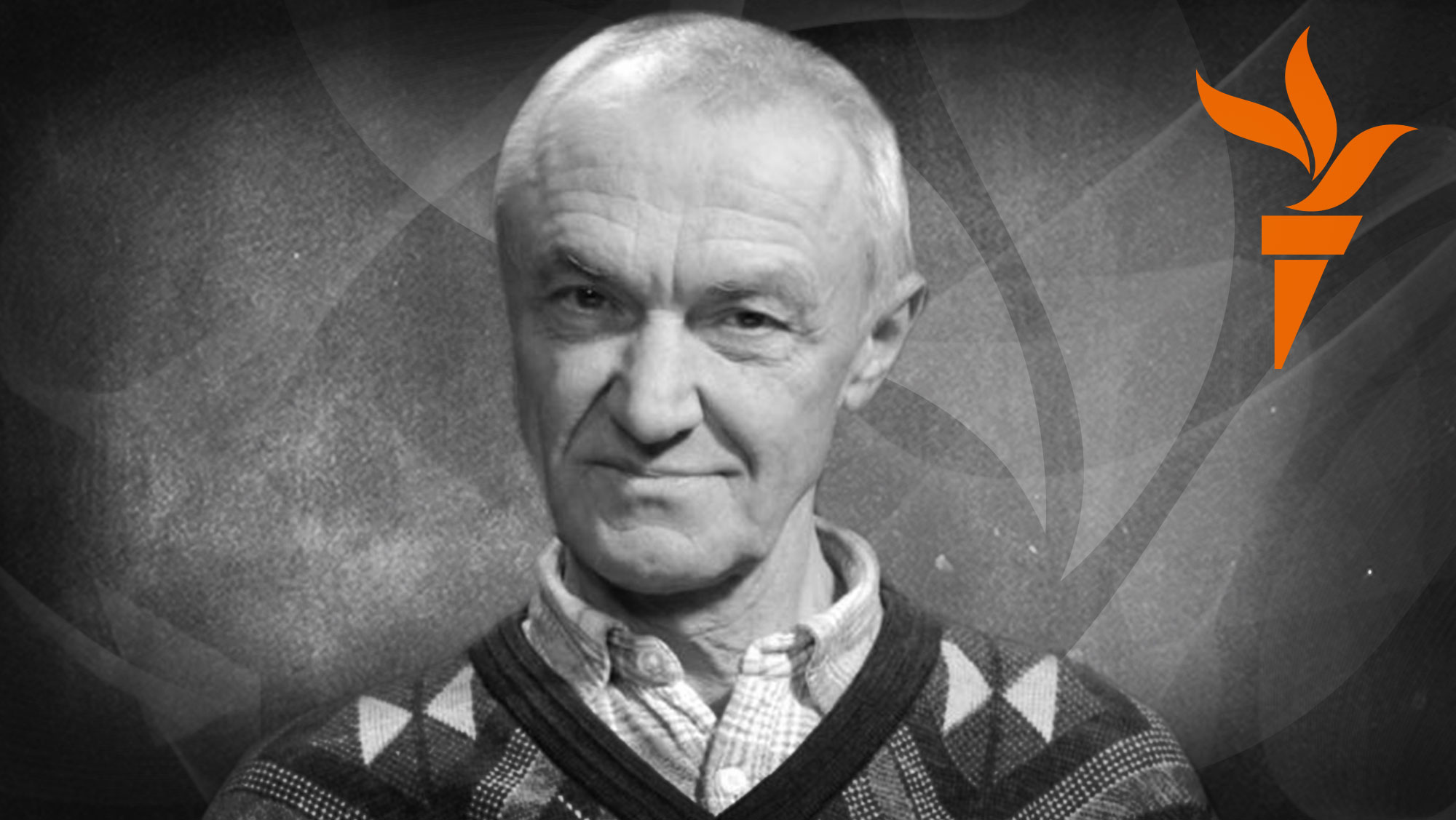
“Ukrainians need to kill, kill and kill, I tell you as a professor,” said Alexander Dugin in one of his videouters . The strange thing, despite Article 280 of the Criminal Code of the Russian Federation, “Public calls for extremist activity”, which provides for the punishment of up to 5 years in prison for such appeals, no one “professor” has planted this “professor”, did not arrest and did not even bear him warning! Although everything is clear: in the aggressor country they cannot condemn those who call for aggression. This is illogical. In Western Europe or in the USA, for such calls, Dugin would definitely have received a real term.
Someone may doubt in the statement that Russia is an aggressor country. Moreover, Russia is the successor of the USSR, which also acted as an aggressor country. The roots of modern aggression of Russia can be found both in the Soviet past and in the present. In the fall of 1939, Soviet troops occupied Western Ukraine and Western Belarus. The secret protocol attached to the Molotov -Ribbentrop Pact, the “non -aggression agreement between Germany and the Soviet Union,” allowed the Kremlin to annex the territories that were part of the sphere of influence of the Soviet Union. Based on the petitions of puppet of plenipotentiary commissions of the People’s Assembly of Western Ukraine and Western Belarus V, an extraordinary session of the Supreme Council of the USSR on November 1, 1939 adopted the Law of the USSR "On the inclusion of Western Ukraine in the Union of SSR", and the next day - exactly the same law "On the inclusion of Western Belarusian in the USSR". Everything happened very quickly, quietly and with the silent consent of the West, while Nazi Germany unleashed the Second World War. In October of the same year, the Soviet Union occupied the Baltic countries, again on the basis of contracts "on friendship and mutual assistance", and in the summer of the next year, guided by the appeal of workers of Estonia, Latvia and Lithuania to the government of the Soviet Union with a request to protect them from Nazi Germany, all these three independent republics were included in the Union of SSR. These "appeals" were prepared by Moscow agents, campaigning and capturing the Russophiles of these republics.
The current Kremlin leadership and President Putin have probably forgotten about the lessons of the past. This can lead to the fact that Russia will repeat the fate of the USSR
The Kremlin considered Finland as a victim of imperial ambitions. However, the misfire came out: the Finns did not agree to give to the "Soviets" even those islands in the Gulf of Finland, where no one lived and where Moscow intended to place military bases. Then the Soviet leadership resorted to the tested method of solving disputed issues - provocation on the border. On November 26, 1939, the USSR government sent a note of protest of Finland in connection with the artillery of its border point, which the Soviet military themselves implemented. The Soviet Union ignored the evidence of Finland about the absence of artillery in the immediate vicinity of the border. The Soviet-Finnish war began, where the Finns received the stigma of the Belofinns by analogy with the White Guards to raise the patriotic spirit in the ranks of the Red Army. In December of the same year, the USSR as a military aggressor was expelled from the League of Nations. Despite the obvious advantage of personnel and weapons, the Soviet Union carried tangible losses. According to the results of the war ending on March 13, 1940, Finland lost 11% of its territory, almost half a million residents of the country were forced to move from the front -line regions. Moscow achieved its own: the Soviet-Finnish border moved away from Leningrad.
After the victory in the Great Patriotic War, the Soviet Union, as the winner, annexed by Germany Koenigsberg and Japan of the Kuril Islands, leaving a significant contingent of its troops in the countries of Eastern Europe. Poland, Eastern Germany, Czechoslovakia, Hungary, Romania, Bulgaria became states of the socialist system in the economy with a one -party system in politics. The “brown plague” was replaced by “red cholera”, but not all peoples of Eastern Europe calmly endured the Soviet occupation. In October 1956, Hungary rebelled, after 12 years she did not want to put up with the Kremlin dictatorship of Czechoslovakia - and also fell out of the victim of the invasion of the Soviet troops. And on December 25, 1979, the “limited contingent of the Soviet troops” was in the territory of “friendly” Afghanistan. The most grandiose military adventure of Moscow began, ended with defeat in the Cold War. The Afghan war was not just expensive to Moscow - it cost her statehood.
The current Kremlin leadership and President Putin have probably forgotten about the lessons of the past. This can lead to the fact that Russia will repeat the fate of the USSR. In the new Russia - Chechnya, Transnistria, South Ossetia and Abkhazia, now Crimea and Donbass. Maybe enough? How much more the "Russian bear" will fall into neighboring countries, killing civilians for the sake of their imperial ambitions? Volunteers from Russia traveling to fight in Eastern Ukraine are not fighting for the independence of the self -proclaimed republics, but for the money of the party of oligarchs. When they - and everyone else - will understand it, great shocks are waiting for Russia.
German Obukhov - coordinator of the International Antiputine Coalition "Stop Fascism in Russia"