
Translated material
Guests who choose us
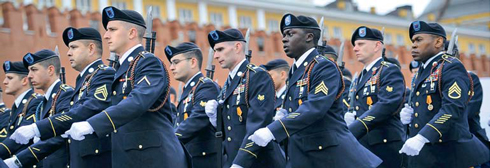
In new -fashioned political terms, the memory of victory in the Great Patriotic War is the only “spiritual scrap” of our society, not grown in the test tube of political strategists. Not one generation of Soviet leaders used this victory suffered by all people for their current needs. Russian leaders go the same way. Their affairs are nowhere worse: the oil and gas freebie ends, the economy is standing, prices are rising, corruption goes off scale, state institutions are destroyed. And, most importantly, no one in the world loves or respects. For their troubles, they hopelessly stuck in the “Ukrainian” adventure, promoting the flywheel “Crimeanshism”. In the end, they received the population shed in propaganda inside, a full -fledged hostile environment outside and tens of millions of people around the world who sincerely hate Russia and personally Vladimir Putin. Until 2008, he had just played the Cold War, as befits threatening his hotels with a hot war. Then, with the connivance of the West, he invaded Georgia, and in February 2014, intoxicated by impunity, took up the destruction of Ukraine.
And then the 70th anniversary of the Great Victory arrived. In other circumstances, the former allies, the leaders of the leading countries of the West, reluctantly, would probably have respected their Russian colleague, having come to him to see the triumphal parade to him in Moscow. As in the distant 1995 they arrived on the same reason to Boris Yeltsin. But the times are now others: they don’t want to go to Putin. And not because the victim of his policy - Ukraine is a huge European state, many times more Georgia. The reason is that Russia's actions in relation to Ukraine from the very beginning were direct challenges of all norms and principles of international law. And also because the Russian president seems to sincerely believe in his own right, revels in his personal contribution to the special operation to capture Crimea and even threatens with nuclear weapons to everyone who encroach on the fruits of his “victory”. In such conditions, for any responsible leader of the West, the presence at the Victory Parade in Moscow is tantamount to demonstration, if not approval of Russian policy towards Ukraine, then at least indifference to it. What no responsible leader of the West, remembering the next elections,, of course, cannot.
Any historical parallels are lame. And yet, even with the adjustment to this, which covered Russia, the military-patriotic hysteria causes the notorious Weimar Syndrome in memory, which Yegor Gaidar warned about the danger of nine years ago (Kommersant, 02/06/2006). And the actions of Russia since February last year resemble, alas, the actions of Germany in the late 30s of the last century. And this is another reason, the historical, through which the leaders of the leading and non -leading countries of the West, newly united by the discipline of the Cold War, will not come to Moscow to the Victory Parade.
As a result, the list of high foreign guests in Moscow on May 9, 2015 will probably be very informative. The leaders of the PRC, India, Brazil and South Africa, Russian partners in BRICS will come. European affairs are not very worried about them. The leaders of the CIS countries will come: they have nowhere to go. The rest of the guests, for the most part, will come to get money and unwind a little. It is boring to them, outcasts, in their outback. The appearance of such an exotic power as Burkina Faso (former Upper Volta) is not excluded. In this connection, evil languages, probably, will not fail to notice that he came to look at the country, which was jokingly called "Upper Volta with rockets." It is clear that not all these foreign guests with their presence will contribute to improving the international reputation of Russia. This, however, does not matter: Russia waved its hand for its international reputation for a long time.
In general, it is important to note that none of the motley countries whose high representatives will be on May 9 in Moscow is an ally of Russia. All of them, at best, are indifferent observers.
Photo: Alexey Filippov/ITAR-TASS