
Translated material
"Sprayed" when falling
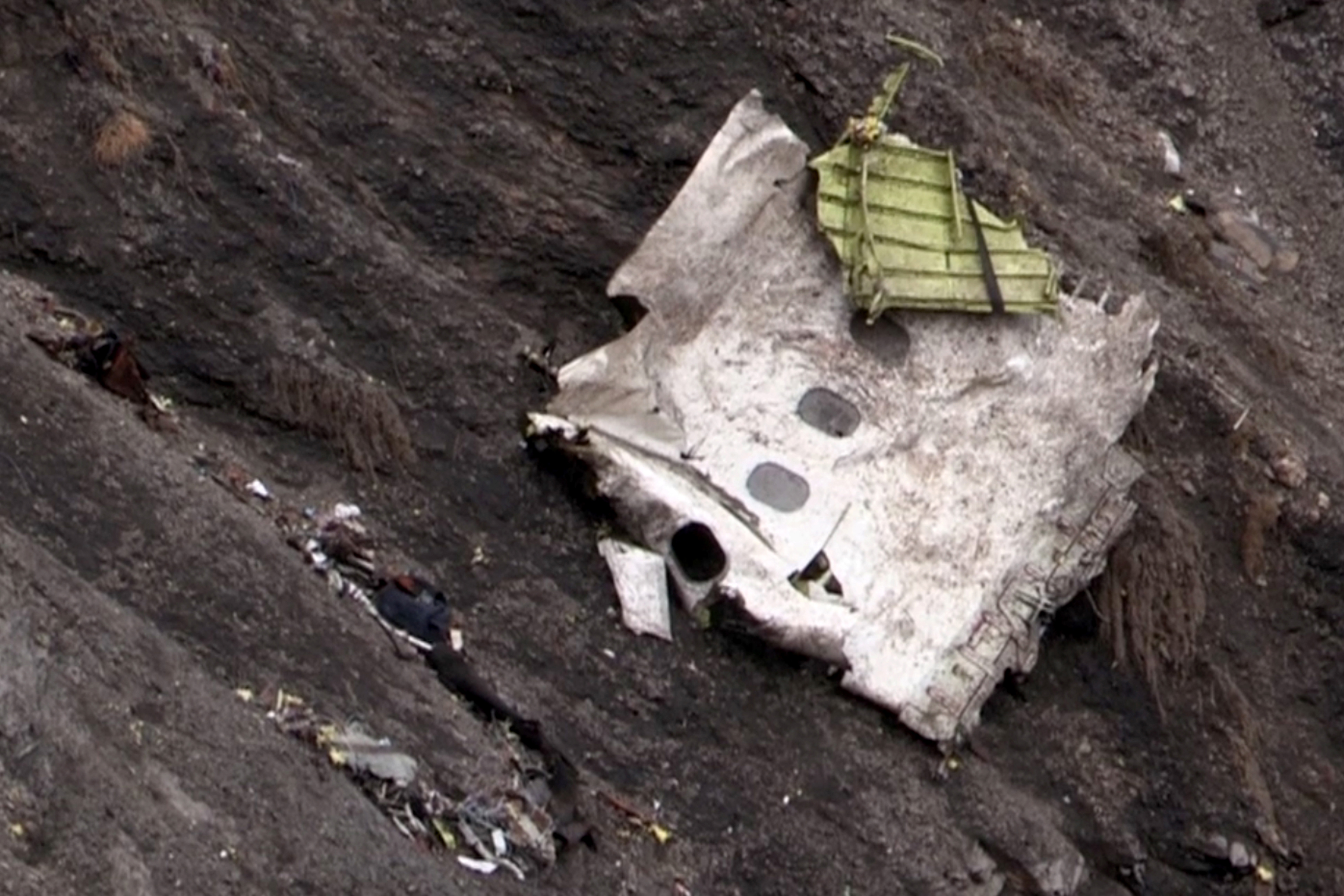
The search operation continues at the fall of the Germanwings aircraft in French Alps
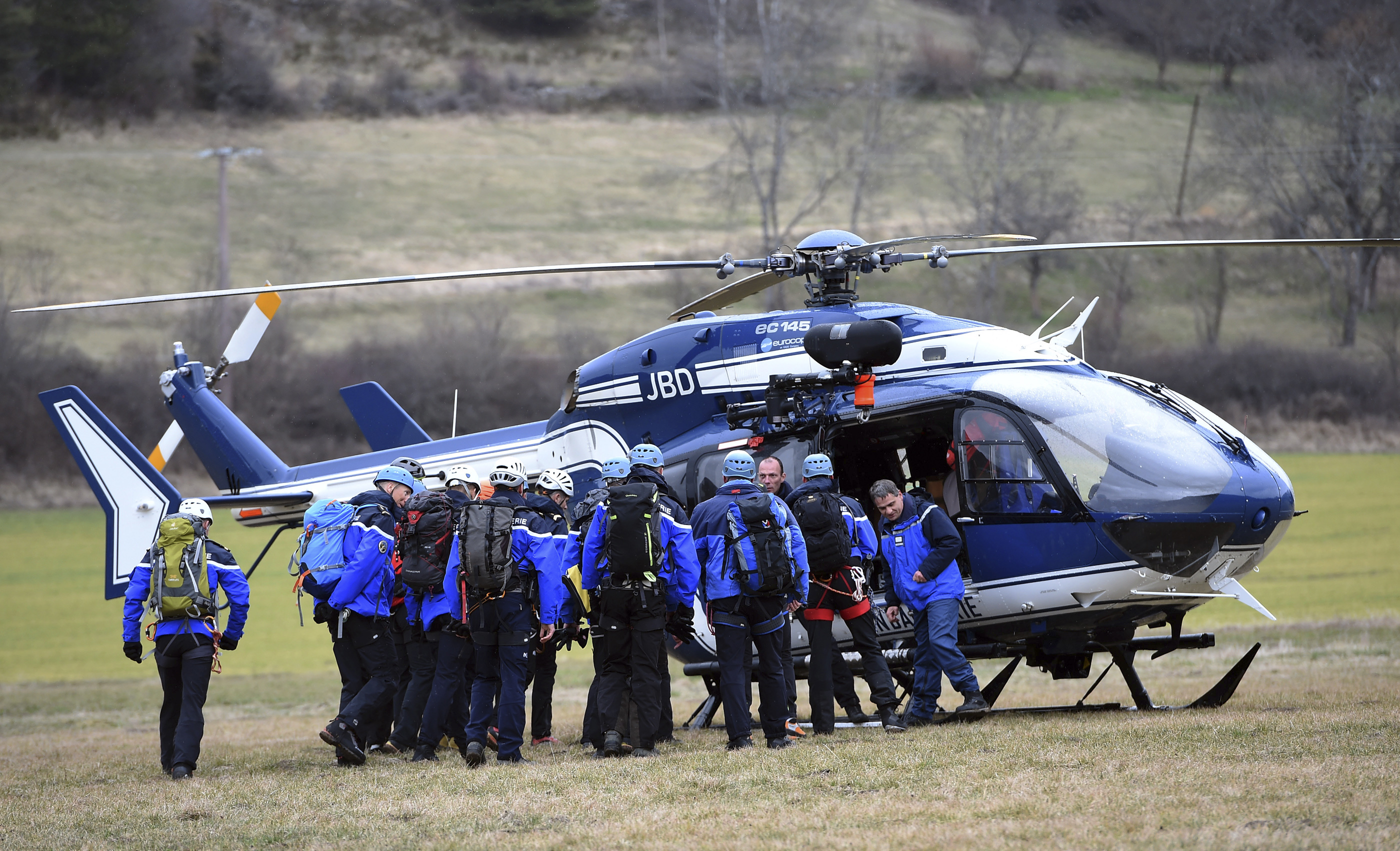
On the morning of March 25, in the French Alps, about ten kilometers from the Sein-Lep-alp of the Alpa Overnecue Department, at an altitude of one and a half thousand meters, the search operation resumed. The forces of French gendarmerie, police, salvation services, as well as forensic experts take part in it. The camp of participants in the operation was divided into Seyn-Les-alp-this small commune turned out to be the closest settlement to the place of disaster. The remains of the dead and fragments of the liner are transported here.
"Spraying" is the word that rescuers were described by the crash site "Airbus-320". The fragments are so small that among them there is practically not to distinguish parts of the aircraft. They were scattered within a radius from one to four hectares. When the rescuers were asked a question about the bodies of the dead, everything that they could say: human remains at the site of the disaster are not in the best condition than the fragments of the fuselage.
The priority task at this stage is to identify bodies and speedy delivery to their families, but experts do not have illusions: due to the state of the remains, this work will take at least several days. This was warned by the prosecutor Marseille Bris Roben, who had previously announced the start of the investigation on the fact of an unintentional murder.
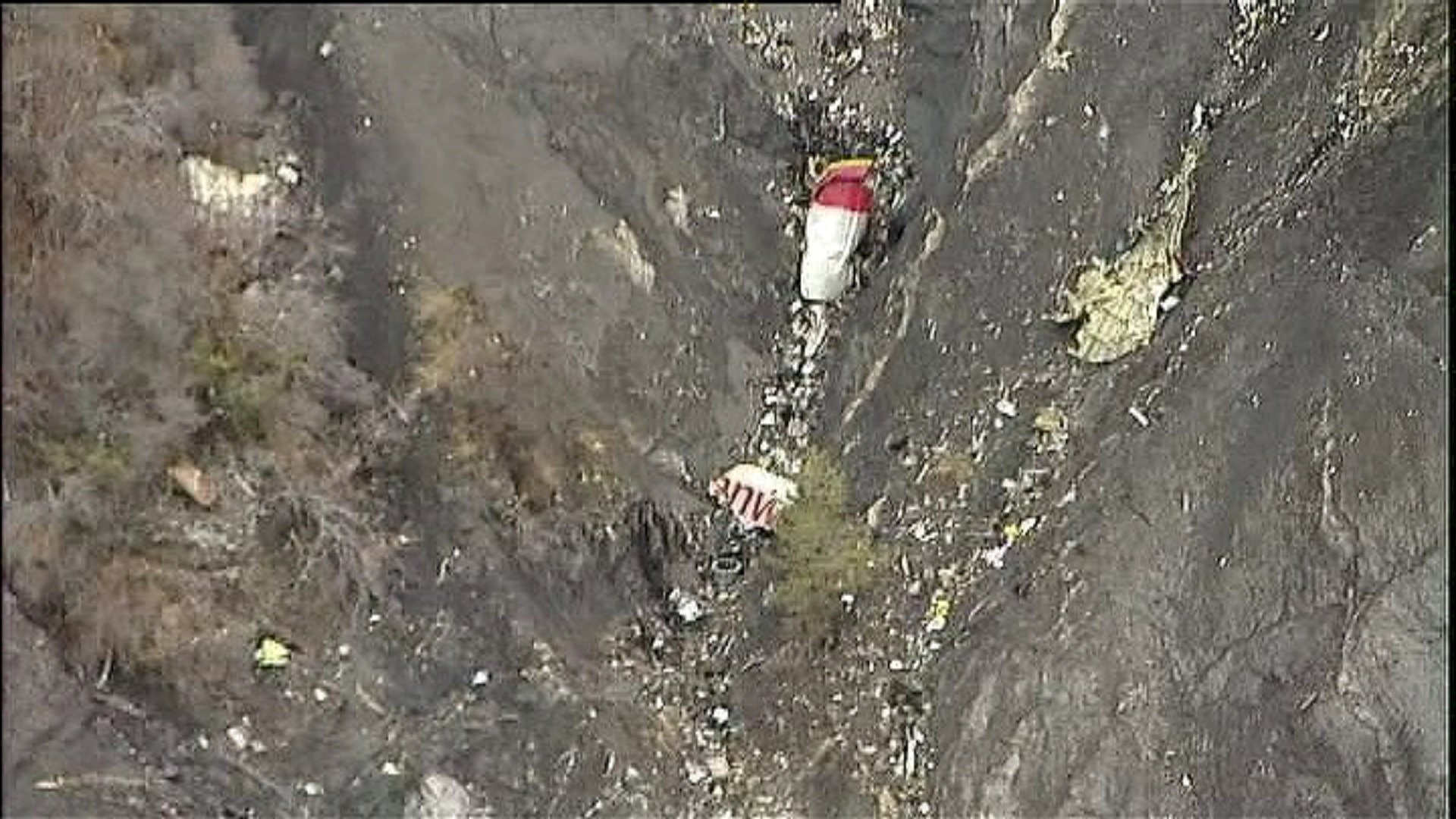
One of the on -board recorders was found on Tuesday, thanks to the sound signal that he published. The next day it became known that we are talking about a "black box", which wrote what was happening in the cockpit. According to experts, the self -writer is damaged, but not disabled. Investigators count on these notes to understand what happened in the last minutes before the crash.
Recall the main facts: "Airbus-320" of the German company Germanwings-Luokoster of the branch of the National Airline Lufthansa-crashed on March 24 at 10:53 in the area of the Estrope mountain massif. The liner performed a flight 4u9525 from Barcelona to Dusseldorf. He flew out of the El Pram airport in the region of 10 a.m., with a half-hour delay, and was supposed to land at the destination at 11:55. On board were 144 passengers and 6 crew members.
Shortly after the collapse of the Deputy Minister of Transport of France, Alain Vidalis said that at 10:47 the aircraft distress signal was recorded, "when the liner was at an altitude of 5,000 feet (1,500 meters), in an emergency," over the Estrope mountain range. Later, the message of the distress signal was refuted by the Main Directorate of Civil Aviation of France. The Office said: "The liner crew did not give the Mayday distress signal. The decision to declare the aircraft distress was made by the flight control in ex-en-province at 10:30, since the crew was no longer a connection, and the plane was rapidly losing height."
At the time of the disaster, weather conditions in the indicated area were favorable. No precipitation, clouds, no wind was observed. Rains and thunderstorms were only over the Mediterranean - this segment of the way the liner has already passed safely. Thus, the version that the accident occurred due to natural factors is not a priority. Representatives of the German Airline Luftganza, whose subsidiary is Germanwings, said yesterday that the disaster was an accident, and all other assumptions (including the version of the attack) "are only speculations."
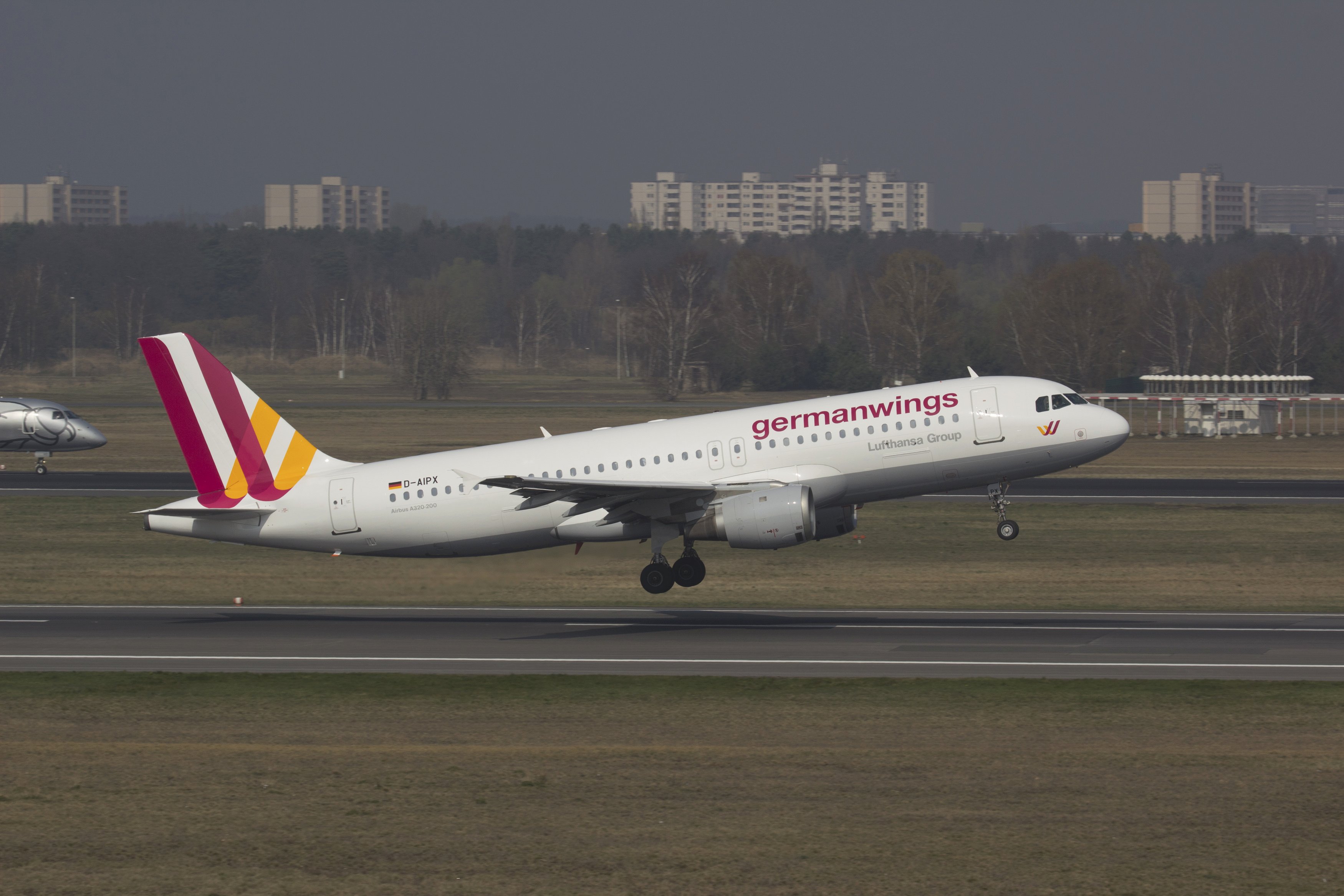
The main question to which the experts have no answer yet: why did the crew not give a distress signal? The liner began to quickly lose his height, but the pilots were silent. This lasted about ten minutes - the liner went down, not turning from his course, losing about 1200 meters per minute. At the same time, attempts by a ground dispatcher to contact the crew did not give a result. Probably, on -board recorders, as well as satellite entries and entries of radars from numerous military bases located in this area, will help this question.
Now the French experts, whose work on Wednesday was supposed to join German colleagues, do not exclude any of the versions: a technical problem, an inadequate reaction of the crew to an emergency, a terrorist attack. Specialists analyzing this issue in the media tend to believe that the plane crashed directly when falling, and did not explode in the air. In the latter case, the wreckage is scattered within a radius of several kilometers, the expert notes, as in the case of the Malaysian liner shot down in the east of Ukraine.
Regarding the technical condition of the aircraft, it is still difficult to say anything specific. According to the head of Germanwings, Thomas Vinkelmann, the broken Airbus was 24 years old, he took the last general check in the summer of 2013. As a rule, if such a check passes successfully, the license for the operation of the liner is extended for five years. In addition, before each flight, the aircraft undergoes an inspection and is inspected by pilots. All this, experts believe, does not exclude the possibility of failure of a particular node or liner system. Investigators will need more than one day in order to analyze all the evidence collected on the site, but it is on the basis of these that it is possible to establish the true cause of the crash.
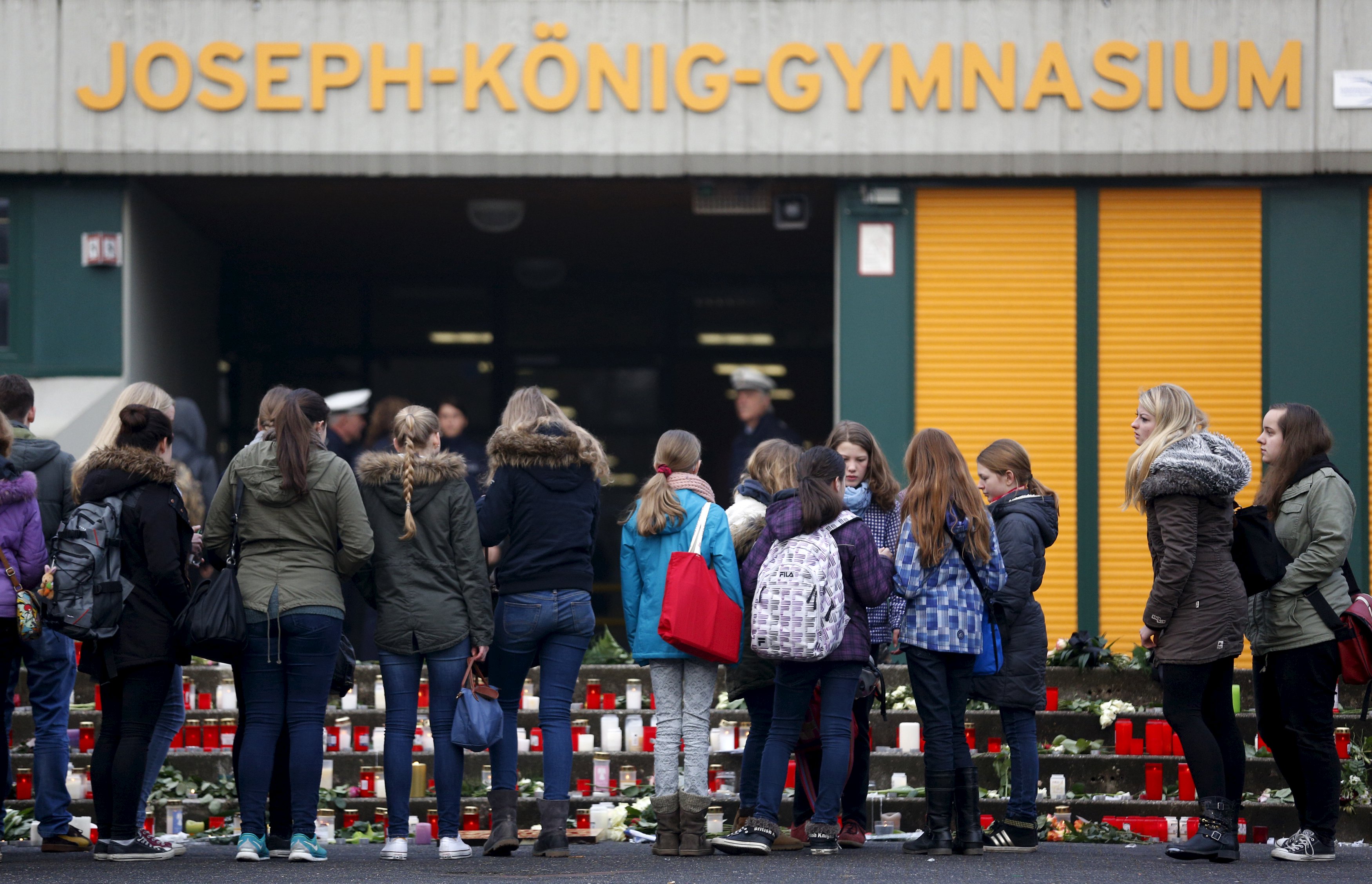
At this stage, a complete list of victims of the plane crash has not yet been compiled. It is known that there were citizens of at least fifteen countries aboard. 72 dead are German citizens. Among them-16 schoolchildren and two teachers of the gymnasium of the city of Haltern-Am-Ze and two soloists of the Duusseldorf Opera Theater. Another 49 dead are Spanish subjects. France Prime Minister Manuel Waltz said that there were "at least three British, one American, one Moroccan, several Turks and Argentines on board the crashed liner." Foreign Minister Laurent Fabius added that among passengers there were also citizens of Australia, Belgium, Colombia, Denmark, Israel, Japan, Mexico and the Netherlands.
A sad coincidence: just on Tuesday, a state visit in France was the king of Spain Philip VI with his wife, queen Leticia. The crash of the aircraft became known during the meeting of Philip VI with Francois Holland. At a joint press conference in the Champs Elysees, the Spanish monarch said that in the circumstances, he was forced to interrupt his visit and return to his homeland. A three -day national mourning has been declared in Spain.
German Chancellor Angela Merkel and Prime Minister of Spain Mariano Rahoy said they were deeply shocked by what had happened and reported the cancellation of all the official events planned for these days. On Wednesday, in the afternoon, Merkel, Raha and French President Francois Hollande visited the place of disaster.
We are talking about the most severe plane crash in France since December 1981, when 180 people died as a result of the crash of the MD-81 aircraft of the Yugoslav company Inex-Dria Aviapromet at the top of Mount San Pietro on Corsica. Another shocking world of the disaster occurred in July 2000 near the Paris Airport Charles de Gaulle - then the Concord supersonic aircraft broke up, all 109 passengers and crew members died.