
Translated material
Experts predict a significant devaluation of tenge after elections in Kazakhstan
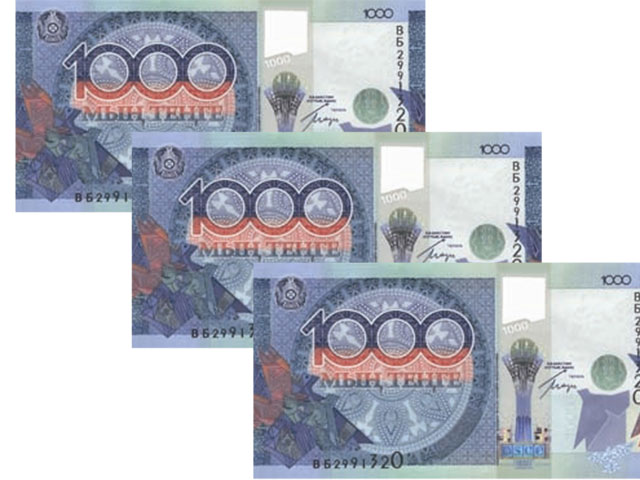
Analysts of the largest banking holding in the USA Bank of America believe that Kazakhstan will have to devalue tenge by 30%to avoid recession in the economy. The fault of this is the devaluation of the ruble, which led to a deterioration in the conditions of trade with Russia, and a drop in oil prices.
According to the bank, by the end of the year, the course of the Kazakh currency will drop to 250 tenge per dollar, the Vedomosti writes. Tenge devaluation is expected after the presidential election, which are scheduled for April 26.
From January to March 2014, the average monthly tenge rate fell by 16.5% and has been on the same level since then. Over the past year, the National Bank of Kazakhstan spent 18 billion on the support of tenge, says Vladimir Osakarsky from Bofa Merrill Lynch.
Fitch Ratings International Rating Agency also does not exclude the likely devaluation of tenge to 45% after the election of the President of Kazakhstan.
According to the agency’s message, “earlier the authorities indicated that the corridor from 3.5 to 4.5 per ruble is comfortable for tenge, which involves possible devaluation from 13% to 45% in relation to the dollar, taking into account the exchange rate at the end of 2014.”
In February, the head of the National Bank, Karat Kelimbetov, promised to prevent the tenge’s “simultaneous shock” devaluation, without excluding a “smooth and flexible change in the exchange rate”.
Since February 11, 2014, the National Bank of Kazakhstan decided to refuse to maintain the exchange rate of tenge at the same level, reduce the volume of foreign exchange interventions and reduce the intervention in the process of forming a tenge exchange rate. The new equilibrium rate is set at 185 tenge per dollar. In September 2014, the corridor was expanded to 170-188 tenge per dollar.
In 2012 and 2013, the economy of Kazakhstan increased by 5% and 6%, respectively, in 2014 - by 4.3%. According to BOFA Merrill Lynch, in 2015, Kazakh GDP will grow by 1%.
Kazakhstan is not the only country in the post -Soviet space faced with devaluation. Over the year to April 2015, the currencies of Ukraine (82.9%), Russia (61.9%) and Belarus (54.4%) were most. In February, the Central Bank of Azerbaijan reduced the manat by 34.6%.