
Translated material
A chlorine question arose in Russia
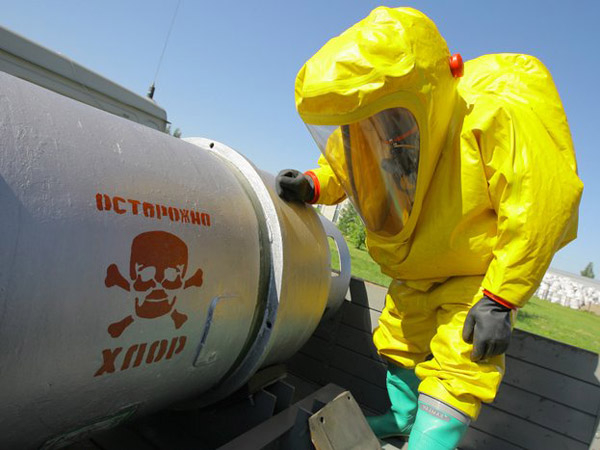
At the very beginning of April, the conference “chlorine and chlorproduction 2015” was held in Moscow in the media space. On the one hand, such narrow -industrial events, as a rule, write only specialized magazines, in Russia, for example, there is an publication “Chemistry and Business”. On the other hand, the problems of the chlorine suburb are so characteristic of domestic industry that they should pay attention to them.
To begin with, it is worth noting the positive: sanctions and economic problems did not affect the composition of the conference participants. Representatives of the largest chemical concerns came to Moscow not only from Japan, China, but also from Europe and the USA - countries that imposed sanctions against Russia. In total, 90 people took part in the conference.
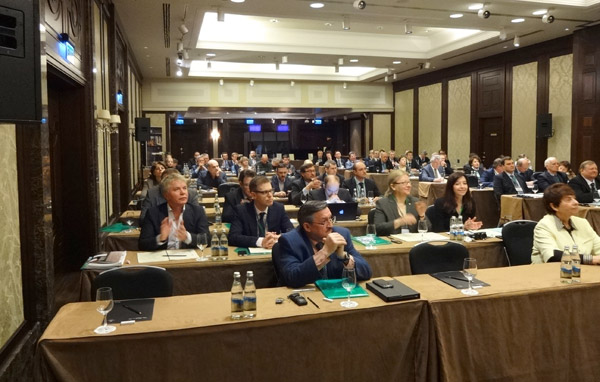 Conference "Chlorine and Chlorproducts 2015"
Some reports were of great interest for engineers of chemical enterprises, which made up more than half of all participants. The technology of electrolysis with zero gap, new reinforcements, the latest developments in the field of chlorine transportation, which a century ago was used as a chemical weapon, all this is certainly important information, it depends on it, including the environmental situation in Russian cities, but an insignificant person at least without specialized higher education.
Another thing is a description of the problems available to everyone. Like any direction of the “real sector of the economy”, the existence of the chlorine sub -secture, at first glance, is imperceptible. Seven more or less large enterprises are left in Russia, the market is estimated at about $ 2 billion, this is a little even by Russian standards and amounts to less than 2% of the global issue.
It is the chlorine sub -sectors that produce: polyvinyl chloride (PVC), from which you can make insulation for wires and modern water pipes; trichlorethylene, which is used in medicine and to degrease metal surfaces; chlormethane, which is a raw material for silicone polymers; Epichlorgidrin from which epoxy resin and many other substances are produced.
In theory, everything can be purchased abroad, but two main components for the operation of the chlorine subworm, oil products and electricity are produced in Russia, which means that it would seem that world -class enterprises can be built here. This, however, does not happen.
Moreover, even during the rapid economic growth of the 2000s, the chlorine industry, although it increased the production, but, in fact, degraded: in Russia the production of complex products stopped, while the production of the same PVC has been preserved. In the report of the Deputy General Director for Scientific and Technical Work of the Capital NIC “Synthesis”, Mark Flid on the situation in the field of industrial chlorological synthesis in Russia indicates that in 2000, 12 existing enterprises produced 29 names of the main products, and in 2015 the remaining seven enterprises produce only 4 main products and another 6 positions in small amounts. Production of products such for industry as epichlorgidrin, perchlorethilene, chlorbenzole was completely discontinued. The production of technologically complex products was stopped not only by liquidated enterprises, but also by quite successful companies, since it was unprofitable in existing macroeconomic conditions.
Moreover, projects for the development of production in Russia were quite itself. The Nicohim group prepared a project to create a modern petrochemical complex in Volgograd, which could work on almost any hydrocarbon raw materials: straight -up gasoline, diesel fuel or associated gas. The supply of up to two million tons of hydrocarbon raw materials was required - but no one agreed to sell raw materials in Russia at a price that was set by a predetermined formula. It turned out that it is more profitable for everyone to sell oil products abroad, receiving currency for this, and the chemical industry stagnates, remaining without access to raw materials.
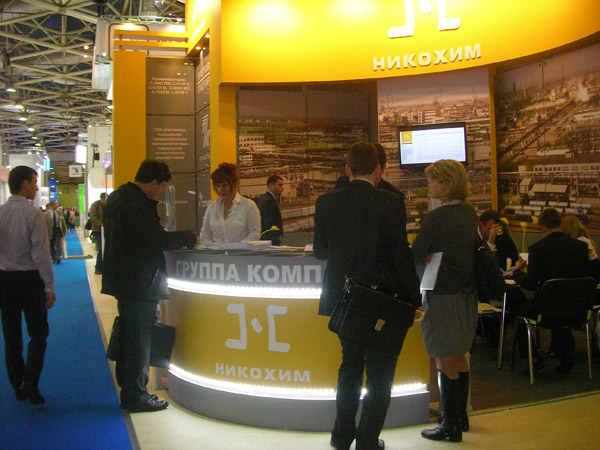 Group of Companies "Nicohim". Photo: NikoChem.com
It’s really not necessary to count on the state’s support. Chemical, including chlorine, industry is in a double position. On the one hand, it is inextricably linked with oil and gas, for which the Ministry of Energy is responsible in the federal government. On the other hand, for the industry there is a special department-the Ministry of Industry and Trade, which has formed the Department of the Chemical-Technological and Forestry Complex. There are five departments in this department, one of which is responsible for the chemical industry. Thus, it turns out that only a few people are engaged in a whole industry with a turnover of a hundred billion dollars in the federal government.
In principle, almost all domestic enterprises are faced with the second main problem of chlorine industry: despite “cheap” nuclear and hydroelectric power plants, very expensive electricity. For 2008-2013, electricity prices for industry rose 2.7 times, the cost of gas for consumers increased 2.6 times.
At the same time, the law allows enterprises to use for themselves only relatively small their own generating capacities - up to 25 MW, this is not enough for energy -consuming chemical, including chlorine industry. Everything from above must be sold to network companies and then purchase your own energy at a high wholesale price. A practice that is often used in the West is also prohibited: one powerful station for several enterprises is being built - according to Russian law, the station at cost can supply energy to only one company, all the rest are required to receive it through network companies.
Thus, the chlorine industry stagnates, despite the fact that, at first glance, in Russia there are all conditions to ensure its growth. An anecdotic situation has developed: the petrochemical industry of Singapore, a tiny island state, produces more than the entire relevant industry in Russia. And more not only in value, but also in natural terms.