
Translated material
Half -fifty catastrophe
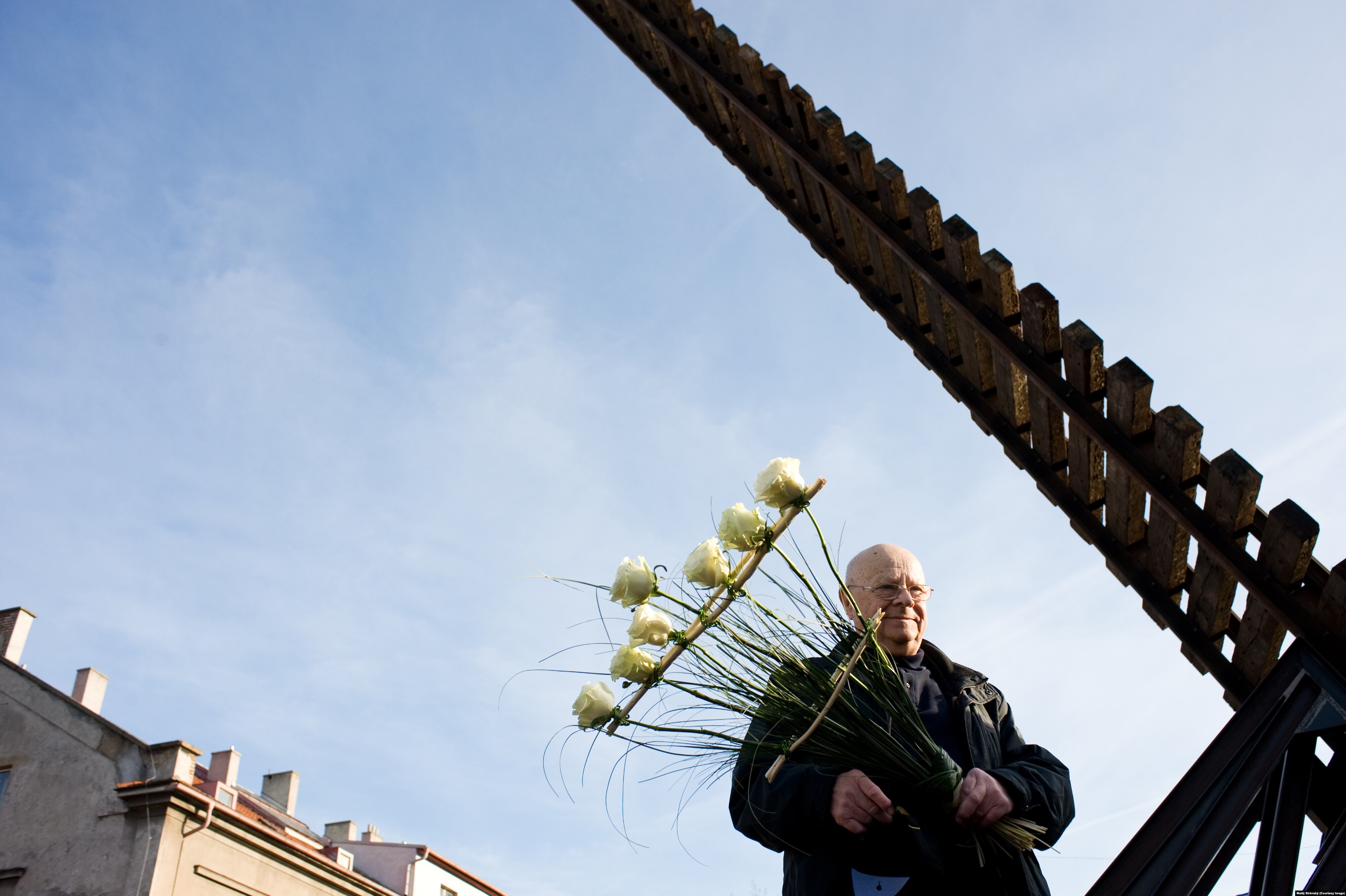
The memorial created in the station building will tell about the deportations of Jews and Germans, where deportation began
In Prague, the first stone of the Holocaust memorial was laid, which is planned to be opened in the building of the Prague-Bubna station, which is now not used by passengers. Hence, during the Second World War, tens of thousands of Prague Jews sent Lodza and Terezin to the ghetto, subsequently transporting to concentration camps. After the war, the dark pages of the history of the station continued, as the deportation of the Germans to Germany began.
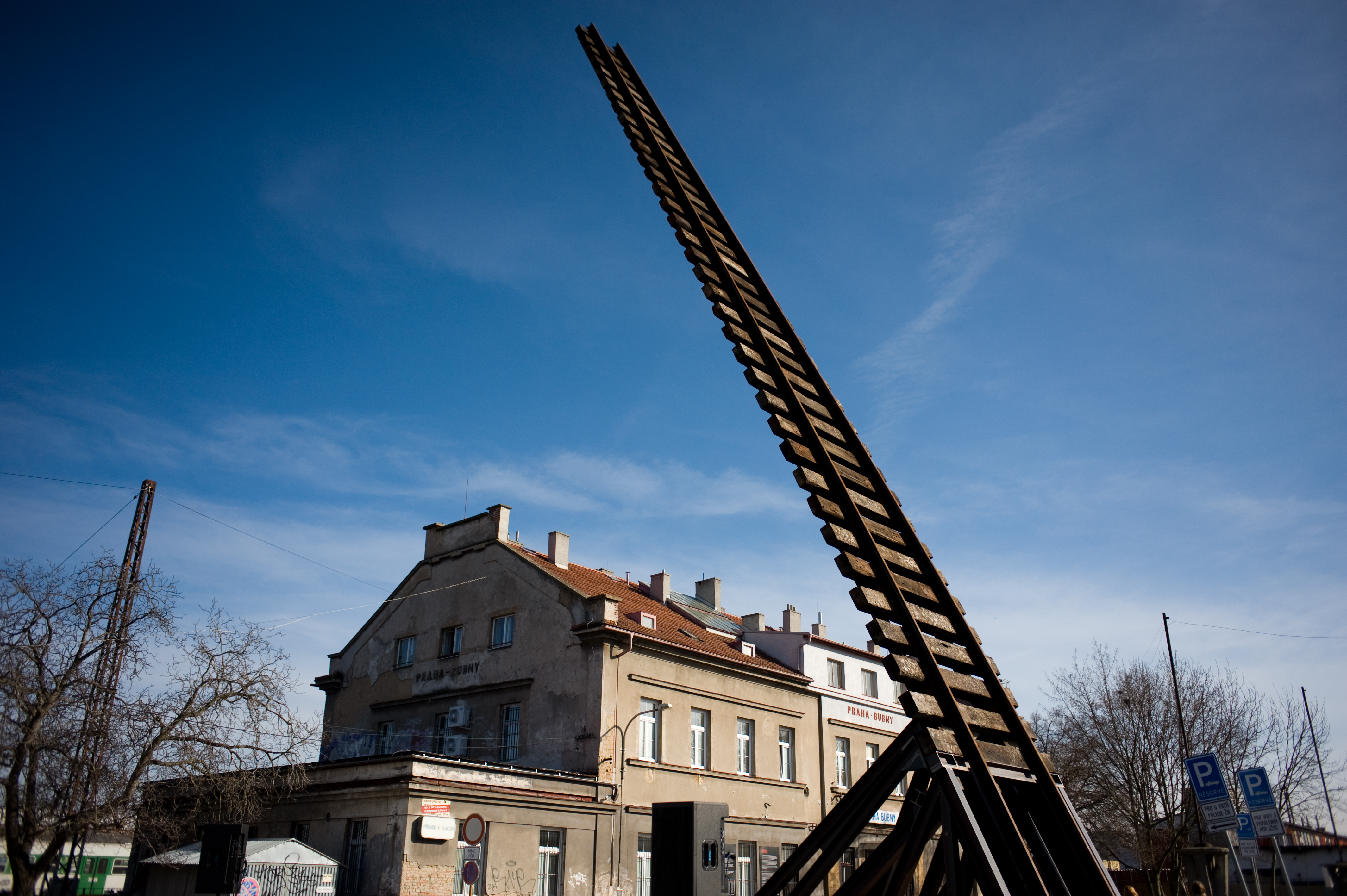
The first stone of the future memorial was the sculpture of Alyosha Vesny, who, in a small square in front of the so far abandoned station building, installed part of the railway track that goes into the sky. According to the author, this track, along which trains traveled for a hundred years, is a symbol of Jacob's so -called staircase. One of the three biblical patriarchs saw a staircase in a dream how it connects the earth and sky.
Dozens of thousands of Germans and Jews from Prague left the railway rut, so that they would never return home, not only the measured life of individual families, but also the capital of Czechoslovakia, thus forever lost part of its own urban culture. That is why the creators determine the emergency arising not by the word "Holocaust", but by a word from Hebrew, "Shoa", denoting a catastrophe or disaster. And as a monument, a place closely related to leaving, disappearance was chosen as a monument in the 20th century:
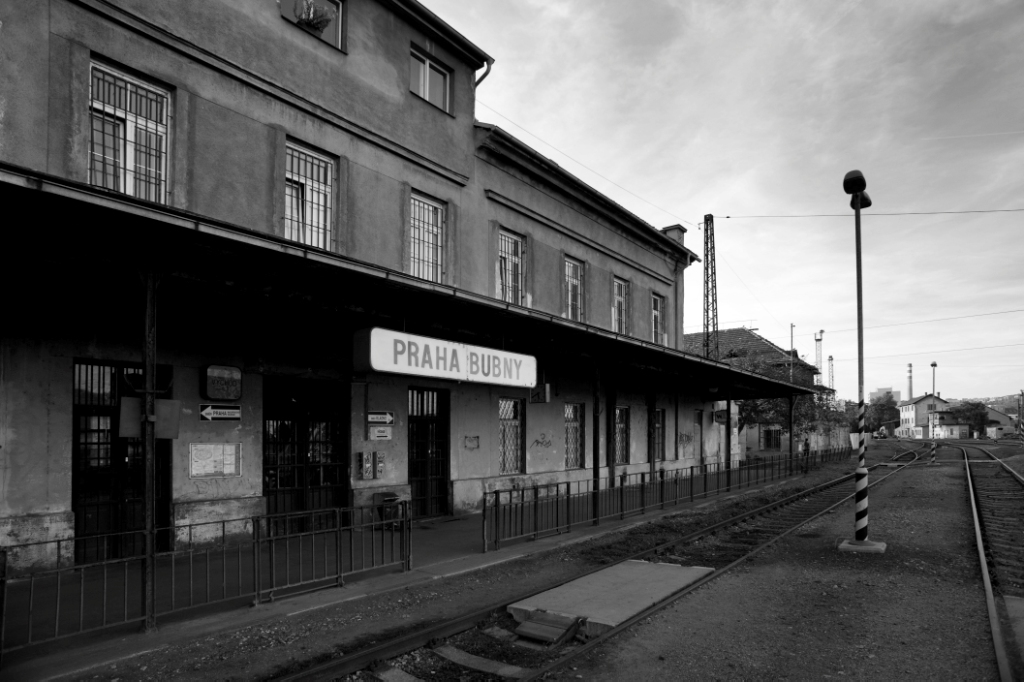
-The Prague-Bubny station is associated with the deportation of Jews, but when we began to think that it would be in the exposition, we realized that the Holocaust, the tragic page in the history of mankind, imposes certain restrictions.
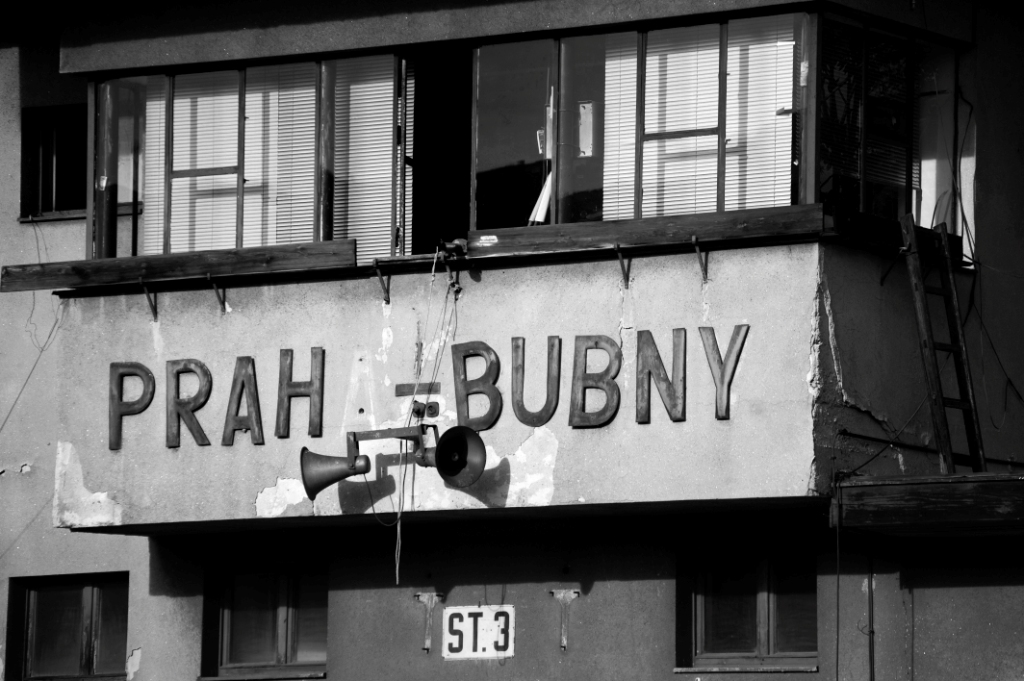
We decided to expand this topic, to tell that all the inhabitants of Prague - regardless of what national culture they belong to, to German or Czech - lost something first due to the deportation of the Jews, and then the Germans. Both those and others from the city were taken away from the station Prague-Bubna. We would like to talk about the connection of history and modernity, pay attention to the characteristics of character characteristic of people that lead to such tragedies. Even today, the humble, passive, silent majority, which either does not know how to live differently, or does not want to take the initiative in his own hands continues to surround us today: he lacks civil courage to express his opinion or perform any action loudly, ”says one of the creators of the Holocaust memorial Pavel Sting .
The station, built in one of the districts of the old Prague city at the end of the 19th century, at first served for noble purposes - put the townspeople to work or from work, and on weekends to walks to the suburbs. The building reminds of the disappeared empire of Franz Joseph I, since it was built during his reign, as well as the first steps of the independent Republic of Czechoslovakia, which followed the fashion in Europe at the exhibitions of industry or agriculture at the beginning of the 20th century. The Prague-Bubny station was used while the transport hub for the delivery of goods for various exhibitions held in the nearby Main Prague Exhibition Center. This period of a calm and measured life did not last long, a military era came behind it. After the appointment in 1941 by the Reichsprotector, or the head of the protectorate of Bohemia and Moravia, Reinhard Heydrich forcibly took out more than 50 thousand Jews from this station. Only 10 percent of them returned home. And in 1945, the deportation of the Germans began. The memorial arising in Prague will be dedicated to these historical events, says Pavel Sting:
It is impossible to allow totalitarianism to ever connect with extremist ideology
- If we talk about the form, then we are talking about a memorial that, it seems to me, is different from the museum. This is a place that helps to preserve the memory of the event, and not to preserve antiquity. We are not going to create an exposition from the objects of that time, we primarily set ourselves the task of talking on a specific topic, about losses for culture, for a specific place. Next, we want to show the roots of evil, talk about Eugenica, about the ideologies of the 20th century, that is, that so far we are still concerned, because it cannot be allowed to ever be combined with extremist ideology. Of course, part of the exposition will be the topic of return, hope.
The first exhibition in the memorial will open in the fall of this year - even despite the fact that the repair of the building has not yet been completed. It will be dedicated to the Maus comic book , telling the history of the Holocaust.