
Translated material
How to understand Russia?
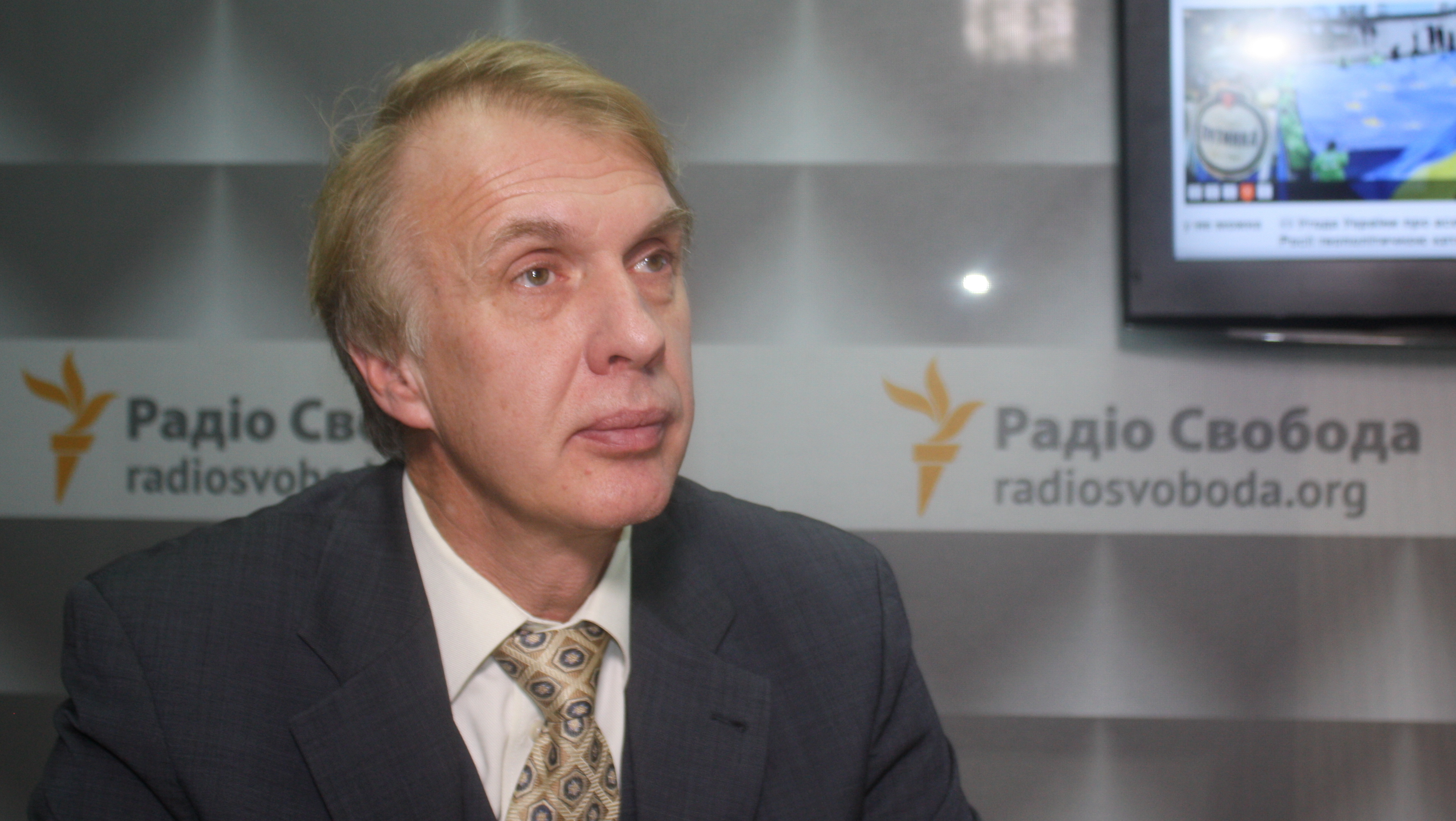
Vitaly Portnikov: What can Russian-Ukrainian relations be in the foreseeable future? Will they help their restoration of diplomacy? How much do they know each other in both countries and understand political patterns? Today we will talk about this with the former Minister of Foreign Affairs of Ukraine, one of the initiators of the Russian Research Center Vladimir Ogryzko.
The main question that arose among observers in the last days, when you, together with a group of politicians and experts, presented the Center for the Study of Russia, sounded like this: and what, until that time in Ukraine, no one explored Russia?
Vladimir Ogryzko: At the very beginning of the independent existence of Ukraine, we even created a whole institution of research of Russia and even wrote something for some time (he was under the presidential administration). Then the thought arose: we will not limit the whole strategy only by Russia, let's look at the world wider. This was a certain logic. So the scale changed - the whole world began to analyze. There was a plus, but there was a minus: we lost the focus precisely the Russian focus. Unfortunately, today we reap the fruits of a somewhat short -sighted attitude to what is around us.
After 1991, everyone for some reason decided that Russia has a chance to become a democratic country and an integral part of the civilized world
The same problems arose among the Americans and Europeans. After 1991, for some reason everyone decided that it was over with previous Russia (in the form of the Soviet Union) that Russia has a chance to become a democratic country and an integral part of the civilized world. As we see, it was a serious mistake.
Vitaliy Portnikov: Do you observe such a pattern that representatives of the older generation who worked with Russian colleagues in some structures still understand the Russian political life, and they replaced them far from those who are now in the Russian corridors of the authorities?
Vladimir Ogryzko: Yes, we have already lost a whole generation of researchers who could, having certain contacts, understand Russia from the inside. What, in my opinion, is the main problem of those who write about Russia in the West? They are academicians, theorists, they analyze Russia not from the inside, but by what is written in the newspaper, which is shown on television. They take only the upper section of what is happening in Russia, without delving into the essence of the problem. So the need for such an analysis is obvious.
It's good that a very strong group of analysts gathered in Kyiv
It is good that a very strong group of analysts, specialists in various fields gathered in Kyiv: foreign policy, security, economics, journalism, information, in the humanitarian sphere - which can be deeply analyzed. This group has people with very good practical experience with various Russian structures. This gives a chance that we will produce deep studies, sentences, ideas about what could be done in case of this or that event of events.
Vitaliy Portnikov: Heading the Ukrainian Foreign Ministry, you worked with Sergey Lavrov and with other representatives of Russian diplomacy. Some kind of mutation has occurred with them in recent years, or work for the state leads to the fact that the diplomat exactly repeats the contours of the state?
Vladimir Ogryzko: It seems to me that there is no mutation. On the example of the generation that is in power in Russia today, we see that these are post -Soviet people who have incorporated everything that was in Soviet reality. The new conditions that arose after 1991 simply forced them to act differently, to mimic a little, to adapt to the situation. And when she returned to her circles, they simply remembered that the ten -year period was an exception to the rules, and everything else returned. I think they remained the same, and today we see the results of this post -Soviet policy. After all, only the Soviet Union in those days could threaten neighbors, introduce troops into someone else's territory, destroy entire groups of the population in their country and abroad.
Vitaly Portnikov: That is, it is still Soviet diplomacy?
Vladimir Ogryzko: Of course.
Vitaly Portnikov: On the other hand, different people come out of Soviet diplomacy. There are those who in Soviet times understood the inevitability of a completely different approach to diplomacy. I well remember that in the early years of the independence of Ukraine in the Ministry of Foreign Affairs of the Russian Federation there were many people who said that it was necessary to build relations with Ukraine, as with an ordinary independent state. It was precisely the diplomatic position that was proposed by politicians. All this disappeared with these people.
Diplomacy does not play an independent role, this is just a continuation of what is accepted at the political level
Vladimir Ogryzko: We understand that diplomacy does not play an independent role, it is just a continuation of what is accepted at the political level. After all, both under the Russian Constitution and the Ukrainian head of state determines the foundations of the country's foreign policy. The Minister of Foreign Affairs with all his great status is just a person who broadcasts outside what the president says. Even Mr. Kozyrev, the first Minister of Foreign Affairs of the Russian Federation , who already spoke about new things, was somehow dependent on what the president would say. From what we know about the first unofficial statements of the first Russian president, it should have been that Russia is not going to let Ukraine go just like that.
Vitaly Portnikov: In any case, in many bilateral relations, diplomatic services play a very important expert role. It always seemed to me that in Russian-Ukrainian relations there are neither ministries of foreign affairs or embassies. In the last year, this very clearly affected the situation.
From what we know about the first unofficial statements of the first Russian president, it should have been that Russia was not going to let Ukraine go just like that
Vladimir Ogryzko: This is just what you are talking about - the continuation of the “scoop”, Sovietism, when all the problems of bilateral relations were solved at the highest level, when the Ministry of Foreign Affairs, intelligence did not play the roles that should have been played. They made proposals that no one listened to. After all, and so far we have the elements of "post -Outskism". Until now, something is being discussed at a certain level, and often very far to be known to the public-some decision is made, and then it is simply executed by the appropriate diplomatic efforts, agreements and agreements.
If we talk about the relationship between Russia and Ukraine, as between normal states, then, of course, the role of the Foreign Ministry should be different. But since we are all from that Soviet era, we have actually in fact that we have actually been quasi -dependent from each other by states. After all, very often the issues that the diplomats had to be resolved were taken from suitcases.
Vitaly Portnikov: Now there is no danger that these relations will go again, if you want, to the corporate level? In fact, President of Ukraine Petro Poroshenko took over the severity of dialogue with Russian President Vladimir Putin. There, in general, everything happens “for four”. The leaders of the states, meeting, speak among themselves, and diplomats have to play, in fact, auxiliary role. We do not even know to the end, which the leaders of the states are agreeing about - this was the whole period of Russian -Ukrainian relations. Now a special, fundamental moment, but the situation still did not come into the light.
Vladimir Ogryzko: Of course, there is such a threat. This is also a certain format that is used in other situations. Take the Iranian problem. Leaders or people close to leaders also sit down, and also discuss problems and make political decisions. Then they are transformed into some agreements that are already prescribed by those who directly take part in the preparation of documents. That is, such a form, in principle, has the right to life, but the question is, it is the main or secondary. Indeed, there are problems when it is necessary to gather four leaders of the country, sit down at one table and say: it will be so - this is our political decision. But this should not be everyday practice - then the role of the Foreign Ministry becomes scholastic.
Vitaly Portnikov: When centers are created as the one that you initiate, is it not to some extent a receipt in the inability of the state structures themselves to engage in serious analytical work? There are analytical centers in Ukraine, but their effectiveness is always called into question.
When standing in high chairs, for some reason, people quickly decide that they are the smartest and that they do not need more tips
Vladimir Ogryzko: You know, they are, they are good. There is an institution of strategic research, led by Academician Gorbulin, a very strong, very good team that can give very valuable materials. I was convinced of this repeatedly. The question is different. Do they listen to what these experts are preparing? Is it accepted that they analyze, as some kind of hint to make decisions?
By the way, this applies not only to us. It seems to me that this is such a common disease: being in high chairs, for some reason, people quickly decide that they are the smartest and that they do not need more tips.
We see the meaning of our activity in analyzing what is happening in the Russian Federation, to help, first of all, to the public to understand what is happening. We will provide our results for public discussion. And in the same way, we will inform the people who make decisions about what results we see in a particular issue, we will transmit their proposals to them so that they take them into account in our work.
Ukrainian politics is open, it is in the palm of your hand, because it involves maximum publicity
Vitaly Portnikov: Analytical activity in the Russian direction has a drawback: experts seem to move in a fog. There is a huge amount of information emissions, no one fully understands the position of the President of Russia, they believe that it acts almost according to a hunch. On the other hand, Ukrainian politics is open, it is in the palm of your hand, because it involves maximum publicity. Even what should have been a cupid is literally after 48 hours spilled either on a parliamentary rostrum or in the press.
Vladimir Ogryzko: I think this is good. The more open society, the easier it is for him to blow up those things that slow down it. Today, at a meeting of the parliament, one of the deputies demanded the creation of a temporary investigative commission. Maybe this is a PR, but at the same time it helps society once again pay attention to the splinter that sits in it and try to pull it out.
The more open society, the easier it is for him to blow up those things that slow down it
Regarding the closeness of Russian society and what is happening there ... Serious analysts can draw conclusions out of 95% openly circulating information, at least feel a tendency. We will not give information that on May 1, Putin will do this, or that on June 10, Russian troops will start attacking Mariupol. We do not know this and do not set such a goal. We want to understand which direction the development of Russia will go, based on certain possible scenarios for the development of the Russian economy, Russian foreign policy, Russian society, from how different parts of the Russian Federation will interact with each other, whether there is some kind of combustible material for that can affect some trends. That is, we will try to understand the direction of movement and, based on this, offer some scenarios of our possible actions. Indeed, in fact, the main thing in politics is to try to understand what will happen in a step, in two. It's like in chess-you need to play 5-8 steps forward, then you will win. If you walk, only reacting to your opponent’s move, then you will lose.
Vitaliy Portnikov: There is a difference in reading a situation that, it seems to me, is very preventing Ukrainian experts and Ukrainian society, unlike Russian, because Ukrainian society is pregnant with the expectation of a new war. All the time there is a expectation that Russia will move tomorrow. We do not say that Russia will go or will not go to Mariupol, but this is what is actively circulating, which they are talking about, but in Russia they do not talk about it at all. There is a priori some kind of mass idea that the point is not that there will be a war, but the fact is that it is not clear what to do with the situation that has developed. That is, Russia reads the situation as the current one, and Ukraine - as soon as the beginning.
Vladimir Ogryzko: If we prepare quality information and transmit it to society (and this is one of the main functions of the center), discuss these issues, then in this way we will form a correct understanding of what is happening in Russia. Now this is not.
Indeed, we are all in anticipation. In the morning we got up, looked into the computer: thank God, today I did not go. But it could be tomorrow. We must give society objective information about whether it will go or not, for some reason, or not, or not, what needs to be done so that this does not happen. This is what we want to implement, attracting truly high -class specialists in various fields to our work.
Vitaliy Portnikov: In Russia, there is such an idea that there is European fatigue in connection with Ukraine - not even in connection with the war, but with the fact that reforms are not advanced in the country, corruption is not outdated, conflicts in power continue. Everything that they would like to avoid during the Maidan nevertheless exists. How can Europe hope that if the situation between Russia and Ukraine calms down, Ukraine will go in the right direction?
A very well-organized, thoughtful, though primitive, but still ideological war, is being conducted against Ukraine, a huge amount of misinformation is thrown every day
Vladimir Ogryzko: Such a thesis is really regularly thrown from Moscow. This is right, that is, they realize the interests that they have on the agenda. It is necessary to create the impression that Ukraine is the failed state, that it can not do anything on their own, that they need to be controlled either on the left, either on the right, either from the west or from the east.
A very well -organized, thoughtful, truthful, but still war, an ideological war, is really being conducted against Ukraine, a huge amount of misinformation is thrown every day, it is chewed, and then a certain public opinion is created on its basis.
But let's look at the situation from the other side. In the West (I literally met with the deputies of the European Parliament who came to Kyiv), including what will happen if Russia continues such an inadequate politics, from the point of view of normal international law. Many people have the hope that everything will somehow get tired, they understand that Russia has gone too far in this policy, which is not accepted even by those who were well, liberal -minded in relation to the Russian Federation - as a great power, as to the state that gave the world a lot of positive achievements in art, science, and so on. Patience is coming to an end.
Vitaly Portnikov: And what does that mean?
If military operations from Russia continue, then, it is very possible, they will lead the Russian economy to a pre -infarction state, and maybe even a collapse
Vladimir Ogryzko: This means that the sanctions are ongoing. This means that if military operations from Russia continue, then, it is very possible, they will lead the Russian economy to the pre -infarction state, and maybe even to collapse. And then the situation can become really threatening for Russian statehood. After all, if the economy does not work, then politics ceases to work. Obviously, this moment must be studied in many European capitals.
Vitaly Portnikov: Suppose that Russia behaves more prudently. It seems to me that for Russia prudence is not leaving Donbass, but freezing the conflict, this is the maximum that the Russian leadership is today. Is Ukraine ready to live with such a frozen conflict on the border (as the Republic of Moldova or the Republic of Georgia lives for decades)? Is Ukraine ready for such a life?
The price of the occupied regions of Donbass every month will increase
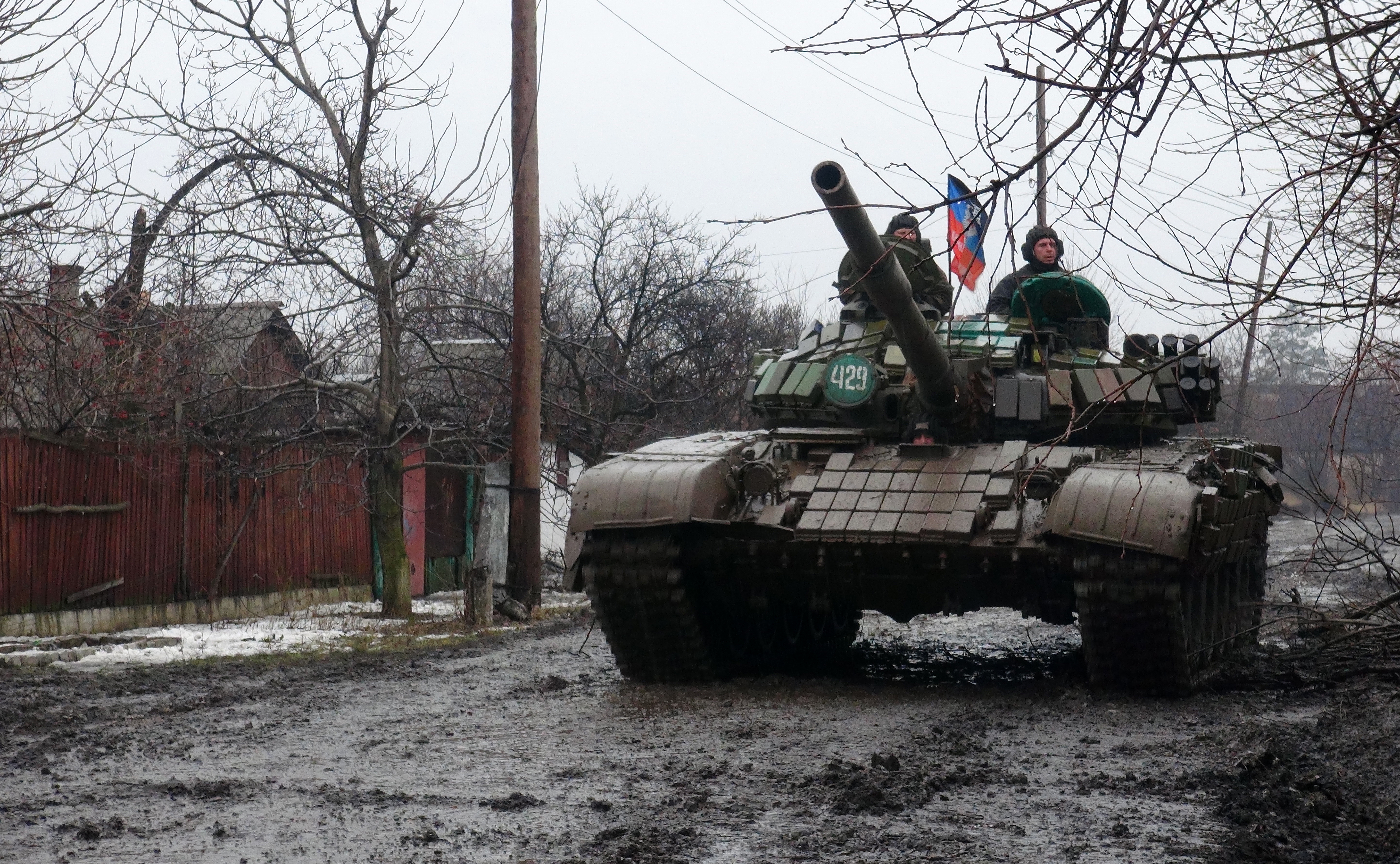
Vladimir Ogryzko: I think Russia itself is not ready for this, because the price of the maintenance of the occupied areas of Donbass will increase every month. Today it is a truly diluted land, where everyone is destroyed where people live on the verge of simply physical extinction, when there is nothing of what a normal civilized person should have. Now humanitarian aid is delivered there, but at some point it can run out. People remain on the verge of a humanitarian catastrophe. Для того, чтобы это поддерживать, нужны колоссальные деньги.
Вот Крым: хоть написано, что «хоть камни с неба», а камни с неба уже полетели. Многие мои друзья и знакомые живут в Крыму, люди старшего и среднего возраста рассказывают, что таких камней им уже больше не нужно, они уже начинают этими камнями наедаться. But only a year passed. Что будет дальше — мы увидим.
Если Россия увязнет в Донбассе, то она потеряет значительно больше, чем рассчитывала
То же самое, только в обостренном варианте, мы получим сейчас на Донбассе. Если Россия увязнет в Донбассе, то она потеряет значительно больше, чем рассчитывала. Она рассчитывала подарить нам проблемы - чтобы Украина финансировала эти территории, а она будет поставлять боевикам вооружение, танки, «Грады» и тому подобное. На этот путь, я думаю, мы не встанем. Так что у России остается два выхода: либо уйти из Крыма и Донбасса, либо стать государством-изгоем со всеми вытекающими отсюда последствиями.
Виталий Портников: Мне кажется, в России мало кто верит, что можно уйти из Крыма. Такой веры нет даже среди людей, позитивно настроенных по отношению к Украине.
У России остается два выхода: либо уйти из Крыма и Донбасса, либо стать государством-изгоем со всеми вытекающими отсюда последствиями.
Владимир Огрызко: Вера очень часто формируется материальным положением. Уже сегодня говорят о том, что очень большая часть россиян начинает экономить на еде, а значит, так называемая «партия холодильников» очень быстро поймет, что это не та цена, которую нужно платить, за «Крым наш».
Виталий Портников: С другой стороны, Путин как политик не мог не предвидеть того решения по Крыму, которое он принял — это, прежде всего, решение с точки зрения международного права. Вам как дипломату должно быть очевидно, что это такой клинч, из которого нельзя выйти до сих пор применявшимися средствами.
Я вижу один выход — продолжение очень четких и очень жестких санкций
Владимир Огрызко: Я вижу один выход — продолжение очень четких и очень жестких санкций, которые заставят тех, кто принимал такие решения, отодвинуться назад. Иначе вопрос будет стоять очень просто: либо в какой-то степени возвращение назад (хотя его, безусловно, уже не будет), но с возможностью продолжить существование этого государства, либо перспектива утраты Россией государственности. Если в Кремле этого не понимают...
Виталий Портников: В Кремле, по-моему, ждут противоположного — утраты украинской государственности, вот это их расчет номер один.
Владимир Огрызко: Украине все-таки слабо, но помогают (должны были бы значительно больше). Греция, которая сегодня приехала в ЕС, в очередной раз просила помощи, получила больше 210 миллиардов евро. Мы боремся за 15 миллиардов и то с условием — это неадекватные вещи. Но все же помогают: и финансово, и в военной сфере, и в том, чтобы наладить нормальные европейские правила игры, борьбы с коррупцией и так далее.
России не помогают, Россию, наоборот, отталкивают, причем повсеместно
России не помогают, Россию, наоборот, отталкивают, причем повсеместно. Посмотрите, что сейчас будет 9 мая - Европа уже не приедет. Если там будет один господин Земан , то это просто исключение из правил. Россия становится страной-изгоем. С одной стороны, это страшно, ведь мы понимаем, что она должна была бы быть включена в нормальный цивилизованный процесс. Но она приняла такое решение, и мы не можем повлиять на нее иным способом, кроме как показать, что тут все очень жестко.
Виталий Портников: После аннексии Крыма санкции были не такие жесткие. Так что у России всегда есть возможность маневра: вернуться к статус-кво на Донбассе и рассчитывать на то, что санкции ослабнут и останется та чепуха, которая была после Крыма.
За весь послевоенный период не было ситуации, когда таким нахальным, непонятным способом захватывается территория чужого государства и присоединяется к своему
Владимир Огрызко: Согласен. Но вы понимаете, почему после Крыма не было санкций? Весь Запад находился в состоянии шока. За весь послевоенный период не было ситуации, когда таким нахальным, непонятным способом захватывается территория чужого государства и присоединяется к своему. Запад был точно так же, как мы, не готов к такому повороту событий — это очень плохо. Потому что не изучали, перестали изучать. Мы попытаемся как-то занять эту нишу. Теперь, после года всего того, что мы видели, мы немножко протрезвели и поняли, что если допускать это дальше, то завтра будет Таллин, потом Рига, потом Вильнюс, потом Варшава.
Виталий Портников: Рига, Таллин, Вильнюс - это столицы стран-членов НАТО. Кстати, вы не жалеете, что Украина не успела стать частью НАТО?
Если допускать это дальше, то завтра будет Таллин, потом Рига, потом Вильнюс, потом Варшава
Владимир Огрызко: Мы еще успеем, в этом нет никакого сомнения. Я общаюсь с коллегами из Прибалтики - они продолжают опасаться самого плохого сценария, даже будучи членами НАТО. Это говорит о том, что, к великому сожалению, «Газпром» сумел коррумпировать очень многих на Западе своими подачками, подарками, просто прямым подкупом.
Виталий Портников: То есть Запад стал частью газотранспортной системы России?
Владимир Огрызко: Он стал частью глобальной коррупционной системы. Сейчас, слава богу, начинают над этим думать и понимать, что нужно ставить заслоны на этом коррупционном пути.
Виталий Портников: Это была гениальная российская идея: не надо жить по западным правилам, надо научить Запад жить по своим.
Владимир Огрызко: Этому многих там научили, поэтому переоценка ценностей происходит очень медленно. Действительно, не было санкций, но прошел год, и уже чувствуются изменения. Главное - чувствуются изменения в подходах, в понимании того, что такая Россия — это угроза для всего цивилизованного мира.
Виталий Портников: Тут есть совершенно очевидный вопрос: действительно ли у Европы, у Запада в целом и у Украины хватит инструментов для того, чтобы бороться с угрозами мирным путем? Вы говорили о санкциях, но неизвестно, насколько они действенны.
Владимир Огрызко: Других путей нет. Мы же не можем себе представить, что начнется третья мировая война — это коллапс. Поэтому остается два способа — дипломатия и те инструменты, которые могут как-то стимулировать другую сторону к изменению позиции. Давайте говорить откровенно и честно - дипломатия не работает. Все эти посиделки очень красивы и хороши, но они не дают результата.
Виталий Портников: Для поиска договоренностей странам понадобились долгие годы и терпение.
Владимир Огрызко: Сейчас у нас нет такого временного лага, поэтому в ход пойдут исключительно инструменты экономического принуждения к любви или к миру, вот они и дадут результат.