
Translated material
Russian atom from wioming
Clintons were suspected of cooperation with Rosatom: The New York Times
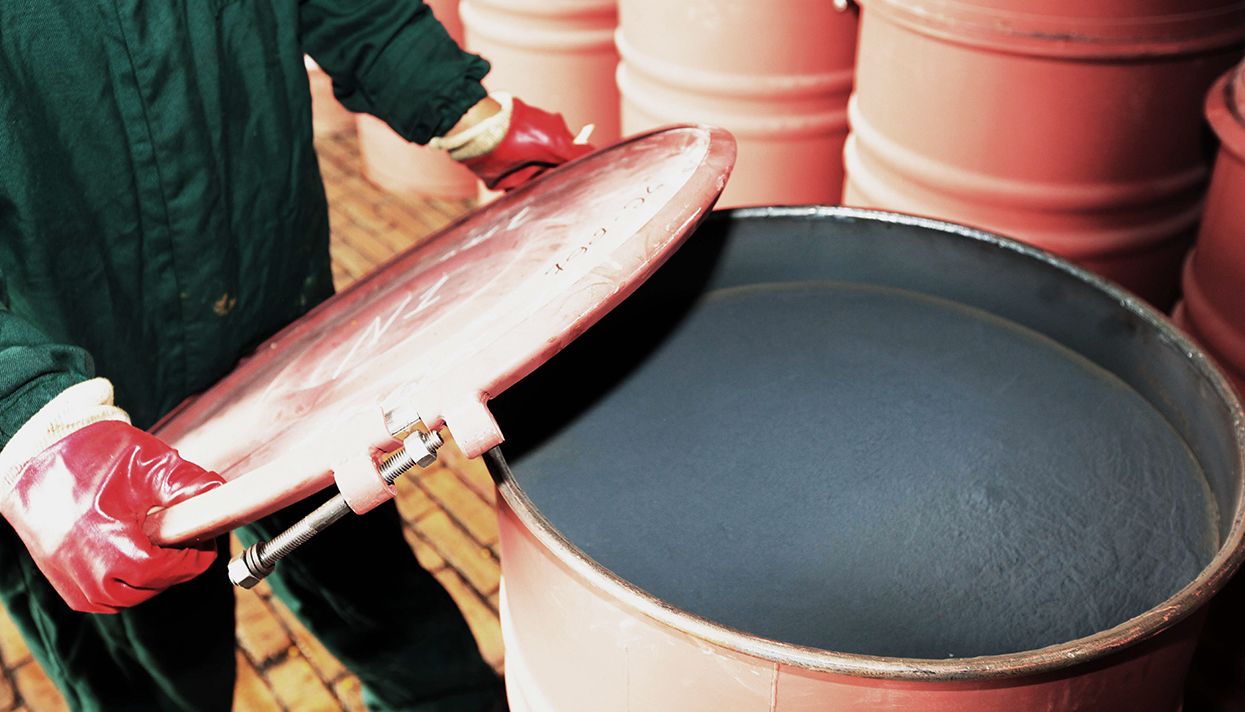
In 2013, the Canadian company Uranium One, which controls the uranium mines in Kazakhstan, Australia, South Africa and North America, completely transferred to the ownership of the Russian Rosatom unit. For the first time, the Russian state -owned company entered the capital of Uranium One in 2009, about the same time Bill and Hillary Clinton began to receive large donations from the uranium enterprise. Uranium One accounts for one fifth of all uranium reserves in the United States; All transactions with him-as the owner of a strategic resource-should be approved by the country's authorities, including the State Department, which from 2009 to 2013 was headed by Hillary Clinton. The New York Times is versed in the difficult history of Clintons relations with the Canadian Uranium One, Rosatom and its own fund.
As the investigation of The New York Times, the chairman of the Uranium One Ian Talfer transferred 2,35 million dollars to the Clinton Fund from 2009 to 2013. The Canadian entrepreneur and the well -known phranck Giustra, who stood at the origins of one of the Uranium One assets and flying along with Bill Clinton in 2005 in Kazakhstan (to agree with Nursultan Nazarbayev on the sale of Kazakhstan uranium mines), donated about 31 million dollars more than ten million.
Rosatom through a subsidiary bought a 17% stake in Uranium One in 2009, and by 2013 it became the owner of the entire company. Against the background of this deal, people associated with Uranium One began to sacrifice money from the Clintons Fund. In June 2010, Bill Clinton received a fee for speech in Moscow in the amount of 500 thousand dollars from the Renaissance Capital bank, which was engaged in the assets of Uranium One and recommended their purchase. Upon coincidence, in the same month it became known about the intention of Rosatom to gain complete control over the uranium company.
After the purchase of Uranium One, Rosatom went to uranium mines in Wyoming, but the Russian company did not have the right to transport Uranus somewhere mined. As journalists managed to find out, the radioactive element for processing was eventually sent to Canada using a transport company, which had an appropriate license and then returned to the United States, but not all, but only about 75%. The rest was delivered to Western Europe and Japan. Thus, the ban on the export of Uranus has successfully cost.
The New York Times notes that Hillary Clinton - before taking the post of Secretary of State - reported on the sources of replenishment of the Clinton Foundation in order to avoid conflicts of interests. She indicated among the donors and the head of the Uranium One Telfer, although the amount of donations was small - about 250 thousand dollars. In subsequent years, Telfer continued to sacrifice the Clintons fund money, but Hillary did not notify the White House about this. The head of the Uranium One gave money to the fund and when the US government’s foreign investment commission (the State Department was directly related to its work) considered the issue of acquiring a company and mining in Weyoming Rosatom. And all this - despite the fact that Hillary Clinton is known as an opponent of such deals.
The New York Times, at the same time, notes: no evidence that donations from the Clintons Fund from the part of the Uranium One somehow influenced the decision of the US authorities to sell the company's assets to Rosatom structures. According to the Clinton of sources close to Hillary, talking about such matters did not reach her - they were discussed at a lower level.
Whether the donations played any role in the approval of the uranium transaction is unknown. The episode rather emphasizes the special ethical nuances in the work of the Clinton Foundation, which, under the leadership of the former president, raised $ 250 million largely due to foreign donors, while his wife led the American foreign policy as a state secretary and controlled decisions capable of helping the donors of the Fund (English).