
Translated material
"I hope we find a common language again"
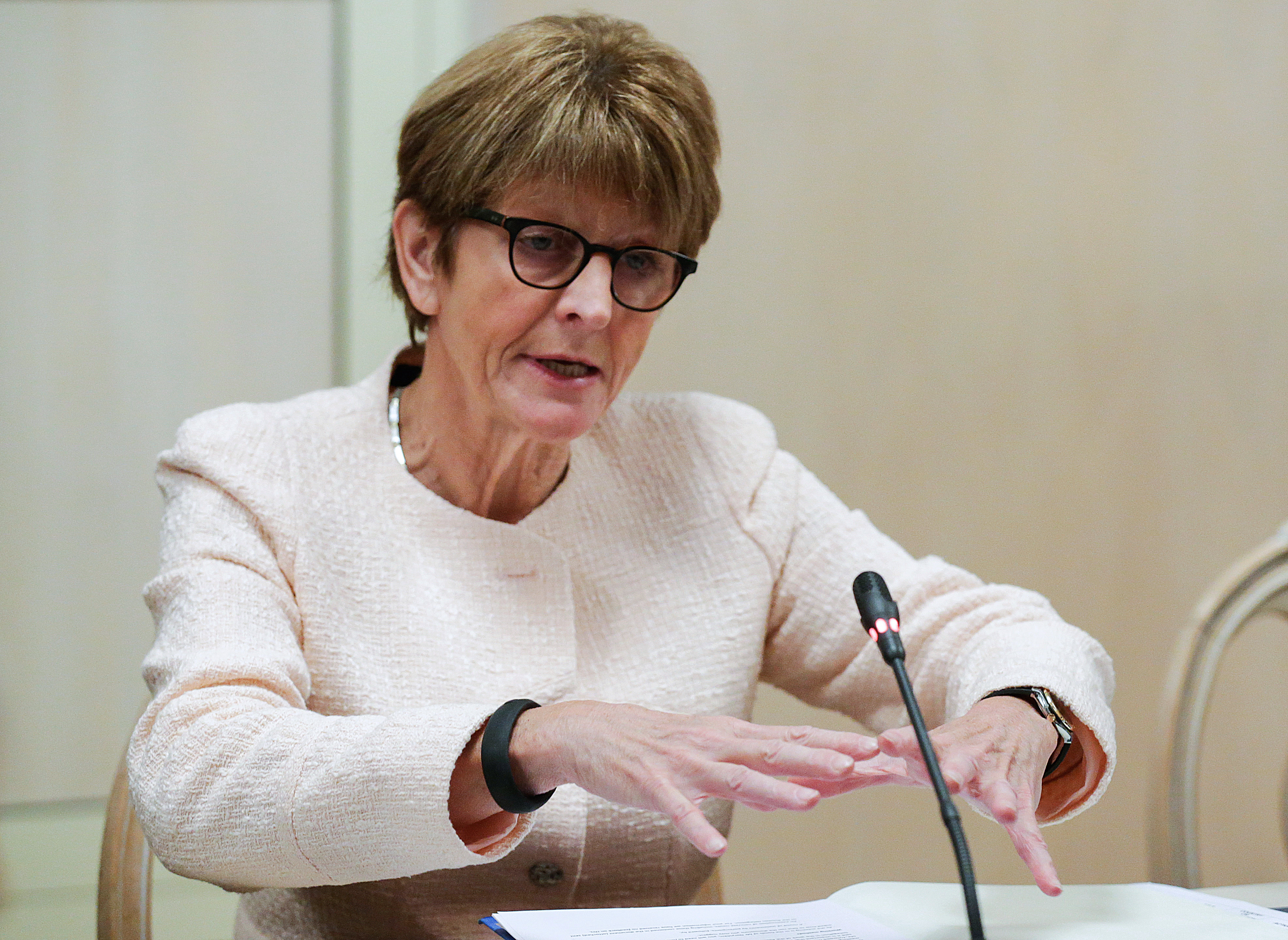
PACE Chairman Ann Brasser - about what Ukraine needs, how to talk with Russia and why the Mediterranean Sea has become a cemetery
In Strasbourg, a spring session of the Parliamentary Assembly of the Council of Europe (PACE) takes place in Strasbourg. On the agenda - a series of shipwrecks in the Mediterranean Sea, which claimed the lives of hundreds of illegal migrants from the Middle East and from North Africa, the situation in Ukraine, European sanctions against Russia.
Representatives of 47 countries participating in the Council of Europe gathered at the beginning of the week in Strasbourg, not yet assuming that they would have to significantly change the agenda of the spring session PACE-due to the tragic death of hundreds of illegal migrants trying to get to the European coast. According to the plan, the main topic of discussion at this session was to be the situation in Ukraine and the possibilities of the Council of Europe in the maintenance of a fragile truce in the east of this country.
The discussion of this topic took place at a special meeting of the Assembly on April 22. PACE Chairman Ann Brasser is convinced that the Council of Europe can and should play a paramount role in creating conditions for a durable world in Ukraine. About how to achieve this, she spoke in an interview with Radio Liberty.
The main role of the Council of Europe is to help Ukrainians reform their country
- We discussed the situation in Ukraine and once again emphasized the need for the parties of the Minsk Agreement and compliance with the ceasefire. But the main role of the Council of Europe is to help Ukrainians reform their country. Until now, constitutional reforms have gone there very slowly. Experts of the Council of Europe now help Ukrainians develop a constitution that would comply with the norms and standards of our organization.
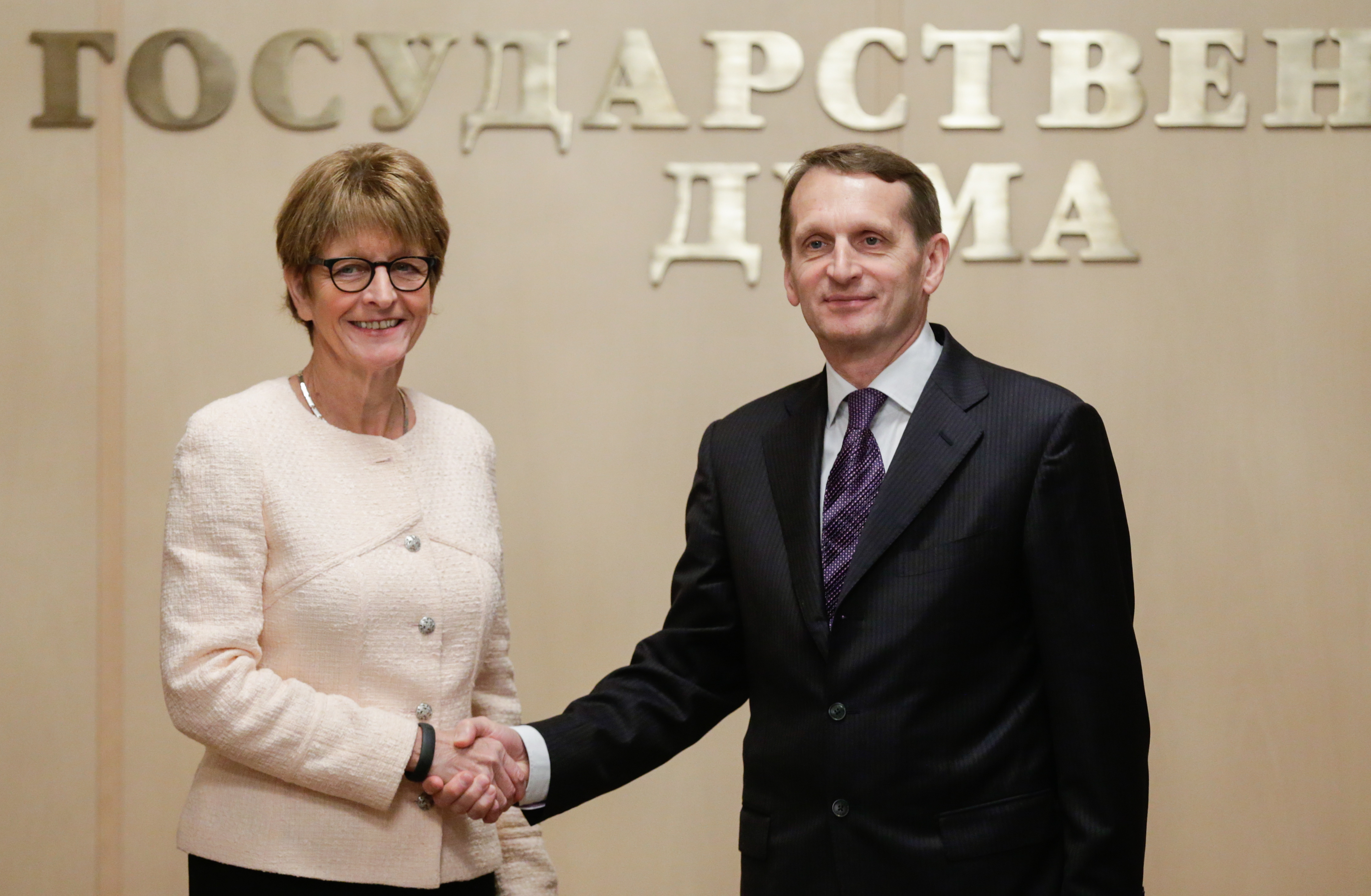
Those reforms that were still carried out in Ukraine in the field of justice are not enough, according to the head of the Parliamentary Assembly of the Council of Europe. This country needs an independent judicial system. The Council of Europe will help Kyiv with regard to the training of judges. In addition, says Ann Brasser, Ukraine should pass the process of decentralization of power. In this area, the Council of Europe also has already developed specific recommendations.
Another field of cooperation is the fight against corruption. "We have developed a special action plan, three weeks ago approved by the Secretary General of the Council of Europe and the Ukrainian leadership, and we begin joint work in this area." All the tools that the Council of Europe have in the legal and constitutional spheres, says Ann Brasser, he now provides assistance to Ukraine.
The force of last year, after the annexation of Crimea, remains in force, the decision to deprive the Russian delegation of the right to vote
Regarding the issue of the powers of the Russian delegation in the Council of Europe, PACE Chairman notes that it was decided to leave them in force in January of this year, but not completely. “We are convinced that we need to work together, and only through collaboration we can find solutions to existing problems and conduct dialogue,” says Ann Brasser. “Nevertheless, the decision to deprive the Russian delegation of the right of voting in April remains in force.” Because of this, the head of Pase explains, in January the Russian delegation decided not to participate in joint work until 2016. "I am very sorry about this. Problems need to be analyzed and discussed, even if our views diverge. I sincerely hope that we will again find a common language with the Russian delegation."
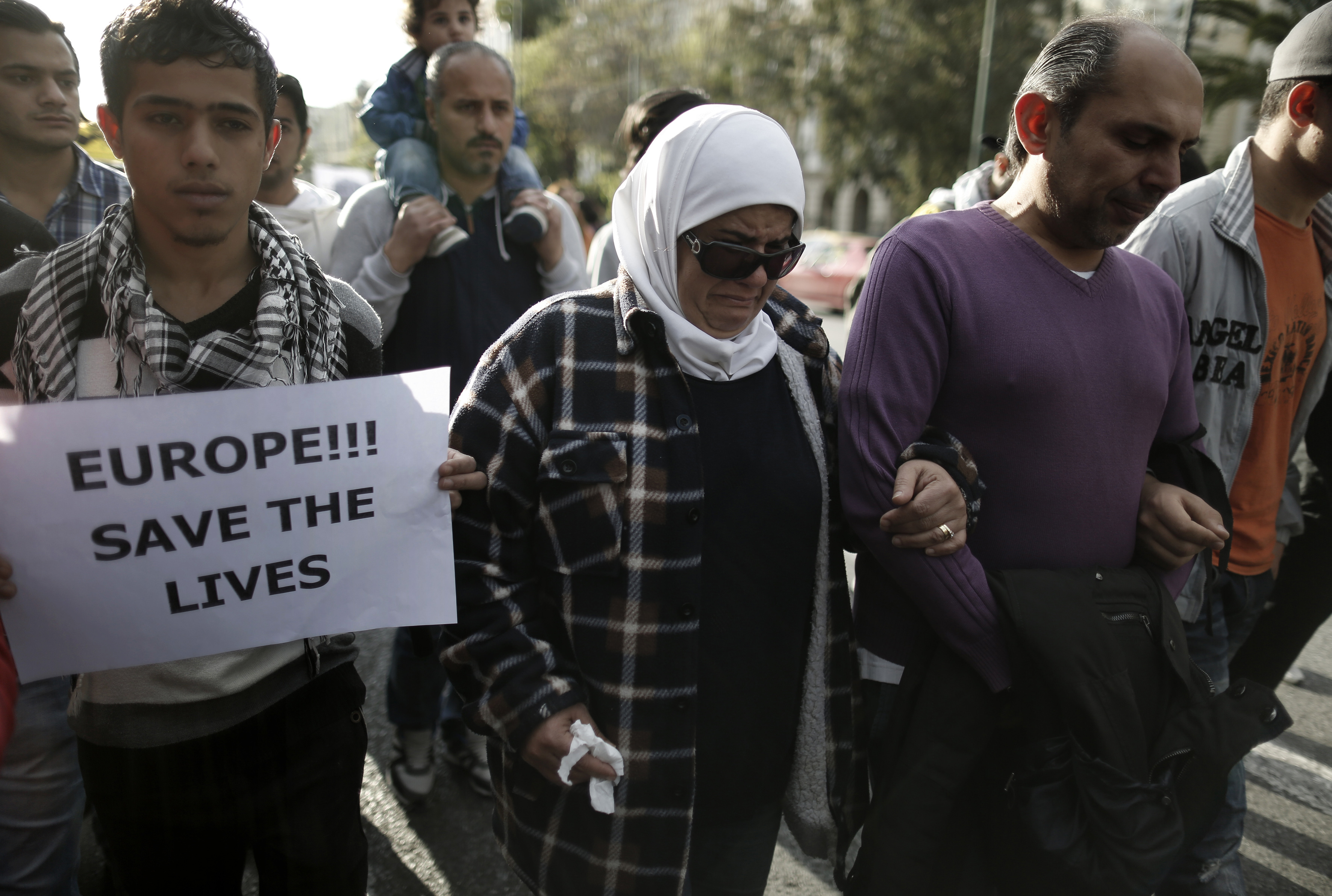
The most acute topic of discussion in Strasbourg nevertheless this time was the problem of illegal refugees from the countries of Africa and the Middle East. The meeting dedicated to this issue is taking place today. Opening the spring session PACE, Ann Brasser said that the current legislation of the European Union, namely the Dublin Convention of 1990 (the main document regulating the relations between the EU states in the issue of granting refugee status) not only outdated and does not meet today's realities, but also unfair in relation to the first entry of refugees and in relation to migrants themselves.
- We must understand that we are talking about an incredible human tragedy. In recent weeks, I have visited countries that are directly related to this situation, such as Italy. Two weeks ago, I was in Turkey, on the border with Syria. And everywhere I saw many those who fled from their countries, for various reasons. I observed the enormous efforts that countries make the countries to receive refugees, migrants and applicants for political asylum. We cannot leave countries on the borders of Europe, such as Türkiye, Greece, Italy, Spain, Malta, alone in the face of this problem. At this stage, we tell them: you cannot expel these people, they should not leave your territory and cross the boundaries of other states.
Almost complete anarchy reigns in Libya. At the level of the authorities, we have actually have no one to talk to there. Criminal elements there mixed with representatives of the authorities
But this problem can only be solved together, says PACE Chairman. In her opinion, when the European Union approved the Dublin Convention, it consistent with the realities of that period. It states that the first EU country, on the territory of which migrants enter, is responsible for their reception. “Today, this document is no longer able to ensure an adequate solution to the problem. Responsibility should be distributed between countries,” Ann Brasser explains.
As for the dialogue with countries that are not part of the Council of Europe, with those from where thousands of migrants go to Europe, the main problem here is Libya, says PACE Chairman:
- Almost complete anarchy reigns in Libya. At the level of the authorities, we have actually have no one to talk to there. The criminal elements there mixed with representatives of the authorities. There is an absolute paradise for those for whom people are nothing more than a product.
With other countries of North Africa, such as Morocco and Tunisia, on the contrary, the European Council established fruitful cooperation, said Ann Brasser:
- We are not so naive as to believe that we are able to solve all the problems of African countries. But we must at least do everything in our power to stabilize the situation. Only in case of stabilization of the situation in the countries of Africa and the Middle East, the problem of refugees will be solved.