
Translated material
Nuclear
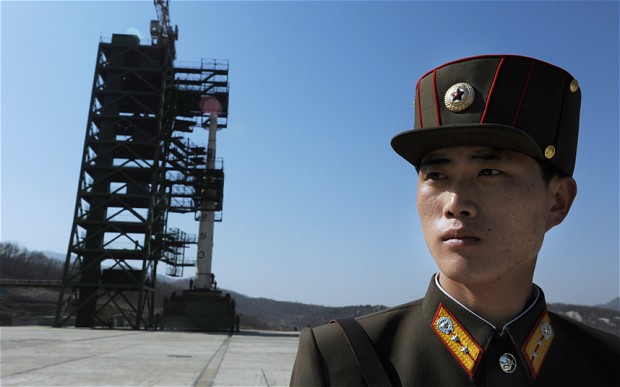
New data on the nuclear program of North Korea as a scenario of the outcome of the transaction of Western countries with Iran
The Wall Street Journal and CNN report that China confirmed the assumptions of American analysts about the rapid increase in nuclear potential North Korea over the past five years. The fact that the international community was unable to prevent the transformation of the DPRK into a nuclear power may affect the outcome of the current multilateral negotiations of the leading powers with Iran.
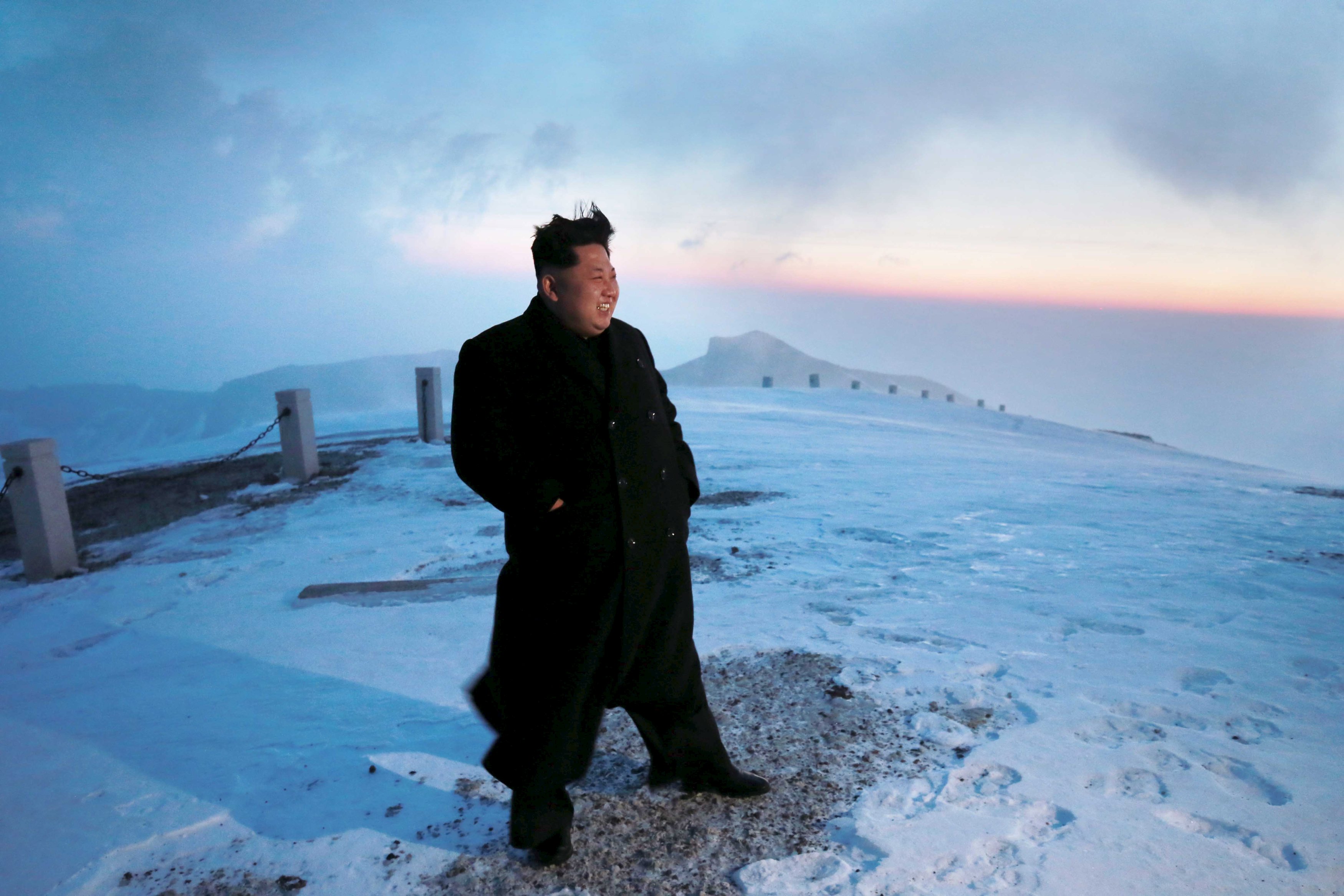
China and the United States are revising their assessment of their assessment of the nuclear potential of North Korea. According to the latest assumptions, Pyongyang today has twenty nuclear ammunition and is quite capable of doubleting his arsenal by the end of next year. According to David Olbright , an American analyst, a former inspector at the International Atomic Energy Agency (Magate), the worst, but quite realistic scenario, is that in five years the DPRK will have 100 nuclear ammunition.
China, presumably, was better than other countries about what was happening in North Korea, but it also underestimated the power of the military -industrial complex of North Korea and the art of masking this power. However, now, perhaps, China is rushing to the opposite extreme and overestimates the abilities of North Korean nuclear holders, says Daniel Snyder, Deputy Director of the Institute of East Asia at the University of California, says in an interview with RS. According to him, Iran, after the approval of the agreement with the West, can go the same path as the DPRK, a similar agreement with which was concluded 11 years ago:
"The framework agreement with North Korea of 1994 is largely similar to an agreement that was concluded with Iran in April. The idea was to stop the Northwest Nuclear Development before they entered the weapon phase, and combine this with economic help and political normalization, up to the establishment of complete diplomatic relations with Pyongyang and the assistance in the development of peaceful peaceful Atomic energy. North Korea.
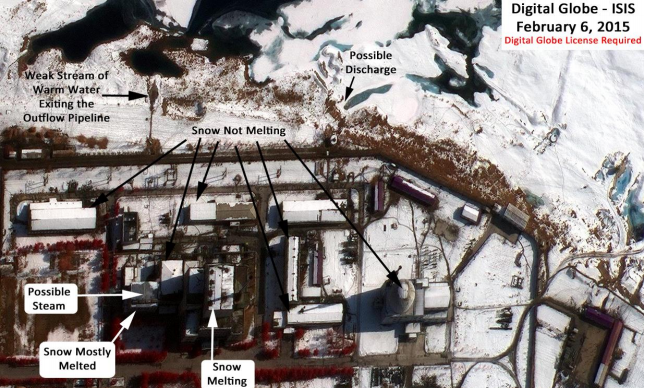
Let us also recall that the accusations against the DPRK in violation of the agreement began almost immediately after signing it. I am sure that the same fate awaits the coming deal with Iran. Based on the pictures taken by reconnaissance satellites, Washington considered that North Korea secretly builds an underground atomic object, and suspended the agreement until North Korea would allow us to make an inspection of a suspicious place. The inspection was allowed and showed that we were wrong. But only in that case. Because in the future, the DPRK really moved away from the agreement. She froze the plutonium weapons projects, poorly amenable to conceal, and secretly launched the implementation of the uraniums, which were easier to hide. For a long time we knew nothing about them until these developments reached a wide scope. "
Difficulties in monitoring agreements on disarmament closed for the external world and at the same time extremely interested in creating a nuclear shield that covers their aggressive foreign policy is another similarity that Daniel Snyder sees between North Korea and Iran:
Inspectors examined the atomic facilities that were declared by the Government, where weapons work were mothballed, but in parallel development were promoted by undeclared secret facilities
"See what happened. North Korea and Iran are participants in the agreement on non-proliferation of nuclear weapons. For some time, in accordance with their obligations under this agreement, the DPRK launched international inspectors. This happened while the violations could be relatively easily hidden. Inspectors examined the atomic facilities that were declared by the government where weapons were mothballed, but in parallel development of the development. It was promoted to unnecessary secrets. We did nothing to stop its movement to a nuclear bomb. Very different and often conflicting interests and priorities, and it seems to me that Tehran will not be difficult to split into their camp. ”

In the face of violations of the disarmament agreement, the party that spent a lot of effort on it, values with its prestige, experiences the strongest desire to eliminate violations by negotiation, and not resort to the forceful methods of punishing the perpetrator in them, says Daniel Snyder. In the case of North Korea, the smallest desire to punish the guilty was among China and South Korea. In the case of Iran, this, with a high probability, may be the same China and Russia. Pyongyang, who has already successfully experienced a nuclear ammunition, in addition to diplomatic protection acquired a reliable military means of restraining the zealous guardians of international treaties.