
Translated material
To the anniversary in the load
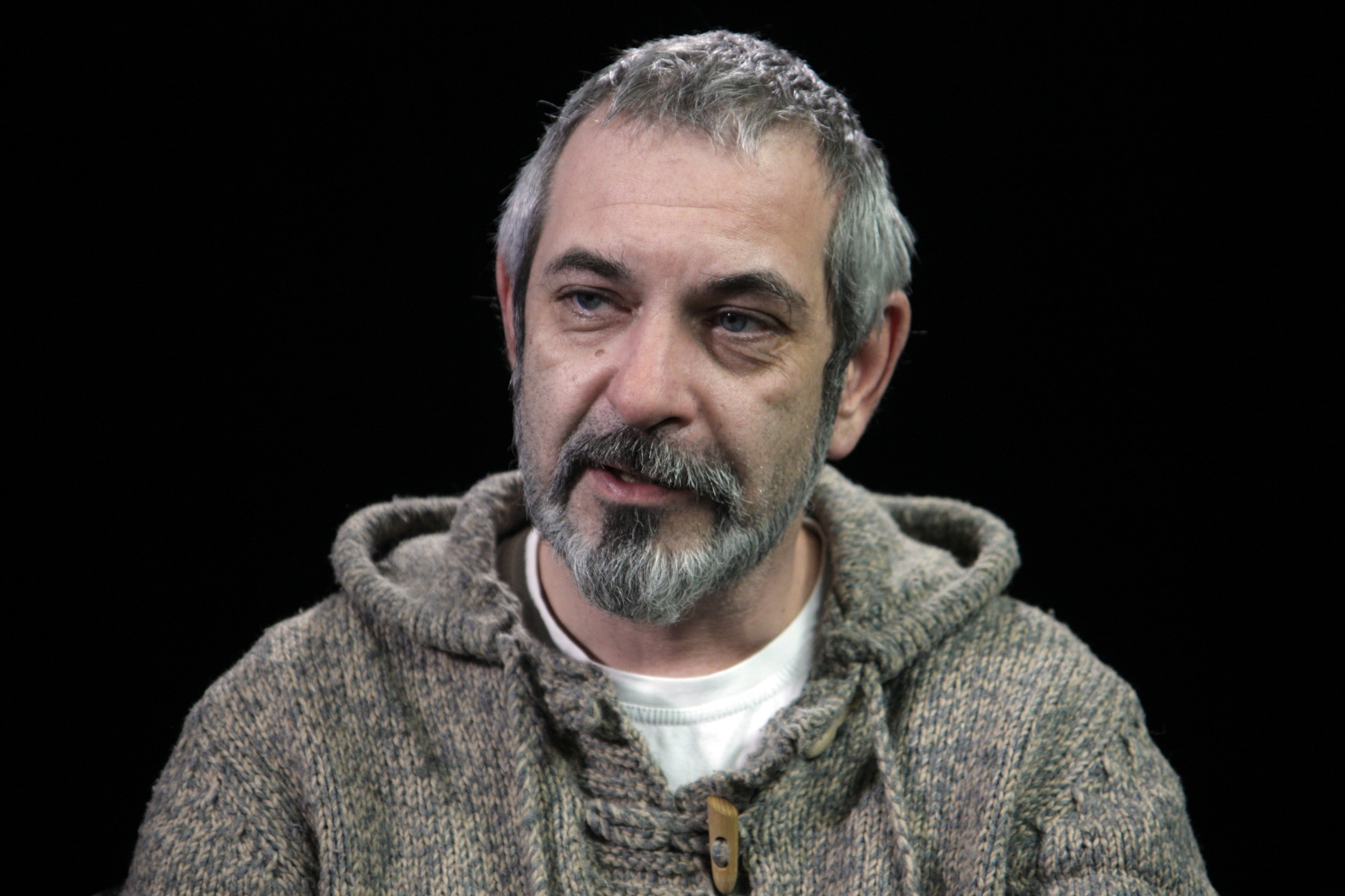
The propaganda hype, arranged by the authorities around the celebration of the 70th anniversary of the Victory over Nazism, many causes persistent rejection, and there are many about it in the last days. The motives and goals of ideological pumping are so transparent that discussing them is not even interesting. The question is whether the splash-patriotism of the prospects for the development of the Russian economy, which is bloated by the Kremlin, has to do? Unfortunately, it has, and the most direct - since the system of values and priorities in society cannot exist separately from the political and economic system, from the structure of the economy. And an uncritical attitude to the Soviet past is fraught with a repetition of the errors of the collapsed empire.
In fact, today we are offered an improved version of the USSR - a great power that defeated a deadly battle with fascism and for more than forty years after this opposed the "world backstage" led by American imperialists. The modernized version of the potential superpower is devoid of communist ideology and is equipped with elements of a market economy. The “socialism in a single country” was replaced by the construction of the “Russian world” (which gives rise to completely unpleasant associations from the history of the twentieth century). However, everything has its own price, and it would be nice to understand what life in Supreme Power will cost, especially since individual elements of the Soviet approach are already visible today in the Russian economy and economic policy with the naked eye.
Even in conditions of a favorable foreign economic conjuncture, development is becoming more and more disappointing, and each next crisis is becoming more destructive
First of all, it should be noted the rapid swelling of the public sector. Under talk about the next wave of large -scale privatization, private business is rapidly washed out of the economy, and the number of enterprises that are controlled by the state - directly or through state banks or companies, is growing. How does the non -market sector grow and the number of citizens occupied in it. At the same time, the only criteria for private business - profitability and economic efficiency - are by no means the only and far from the main criteria for state enterprises. The competition for them is “national security”, which in the conditions of life in a “hostile environment” comes to the fore. According to the number of projects that ensure one or another “security” of the country (food, energy, financial, information, etc.), Russia has been on records in recent years. Partnerships and trade relations with foreign partners are aimed not so much to maximizing profit as to solve the political problems of the country's leadership.
The second, no less significant element of the Soviet system is the priority development of the military-industrial complex. The rearmament of the army and navy for "superpower" is a priority task, although incredibly costly. And in the conditions of a technological lag, it is almost unbearable. So if soon in one form or another, variations on the theme of "guns instead of oil" begin to advance in one form or another, you should not be surprised.
Another detail that remained unchanged since the time of the USSR is that all this luxury is funded by means of export of raw materials. And in conditions when the prices for raw materials are reduced, the country's economic crisis sets in, and the authorities are forced to choose between the need to increase military spending and maintain social obligations. Superpress cannot afford to give up military expenses, as well as openly reduce social programs. Therefore, the company is subject to "inflation", which in the USSR took the form of total deficiency.
This whole design is extremely vulnerable. The economic crises periodically covering the country do not fulfill their main positive function - to cleanse the economy of ineffective and uncompetitive enterprises. The bloated public sector immediately begins to demand from the government additional injections, which can only be provided by additional load on the private sector and population. Not the strongest survive, but those who have access to certain "high" cabinets. Instead of cleansing, the mechanism of negative selection is turned on. Therefore, even in conditions of a favorable foreign economic conjuncture, development is becoming increasingly disappointing, and each next crisis is increasingly destructive.
Maxim Blanus - Economic observer
Opinions expressed under the heading "Law" may not reflect the point of view of the editorial office