
Translated material
After the prison
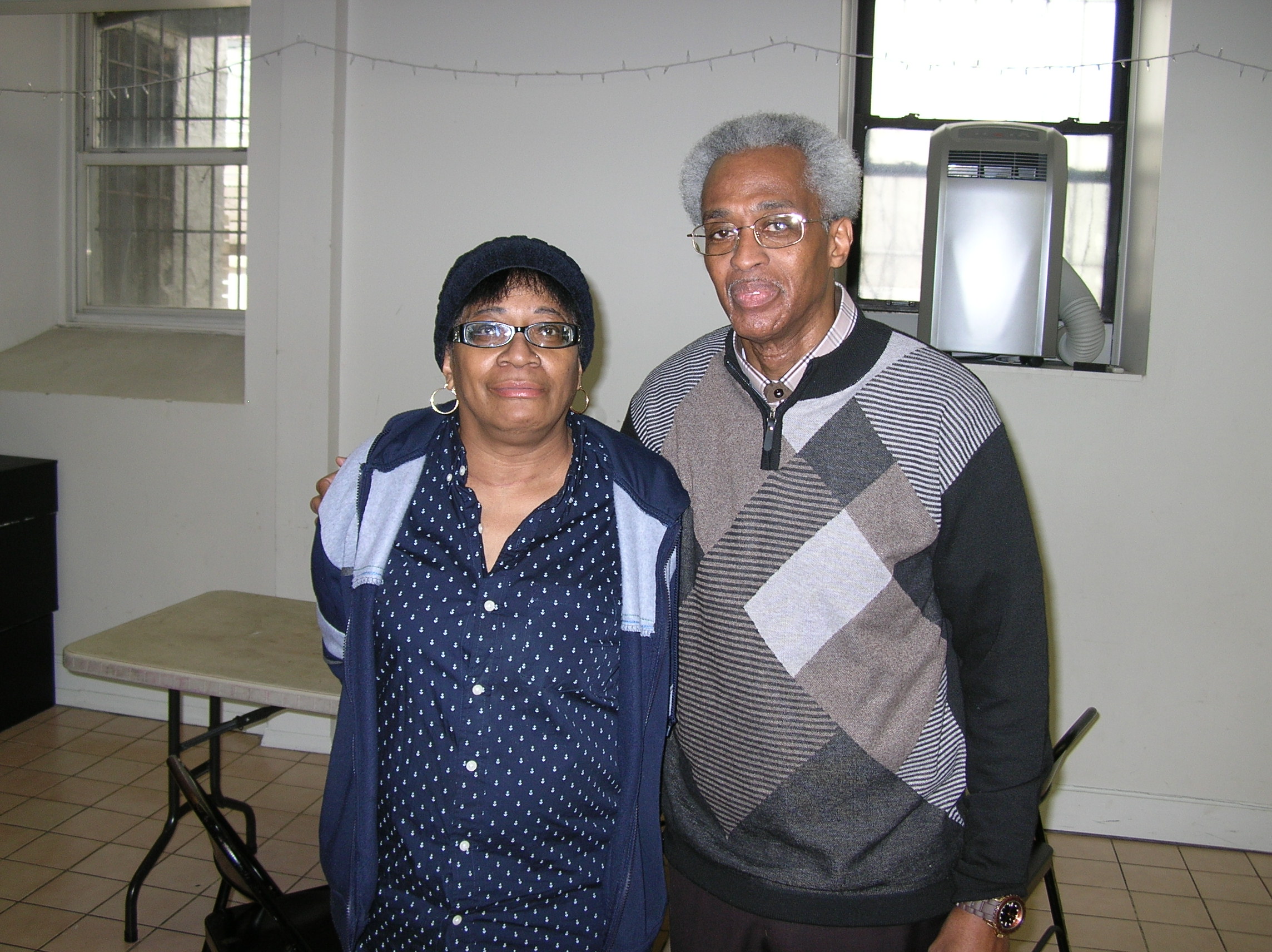
Extraordinary Americans Vladimir Morozov
Alexander Genis: This time, Vladimir Morozov found his unusual Americans among former prisoners.
Robert Williams: for the first time I was given 12 years for the crimes that I committed, and in the second 30 years. What did you do? I left the nightclub and fought with one guy. The police arrived and we were pulled out. Only everything, it seems, fell silent, as we again rushed at each other. He has a stone in his hand, I have a knife. I hit him with a knife in the chest.
Vladimir Morozov: And the second sentence?
Robert Williams: I was an alcoholic and a drug addict. Our gang bore the funny name - "Peacemakers". We were an ordinary street wrist, constantly lifted up people and ran into trouble. Somehow collided with another gang. It is already more serious matter, with shooting, one person was killed. And this time they gave me a period of 20 years to a lifelong imprisonment. How old are I now? 63. And how many of them did I spend in prison? 42 years.
Vladimir Morozov: My interlocutor's name is Robert Williams. Our conversation takes place in the refectory of the Church of Gepsimania, which is located in the New York district of Park Slope in house number 1012 for the eighth Avenue? Today, after the service, here they are treated to Veremichelian tags. This joint meal is not just the opportunity to talk. Many parishioners live in the nearest shelters for the homeless, and a free lunch for them is the opportunity to save a few dollars.
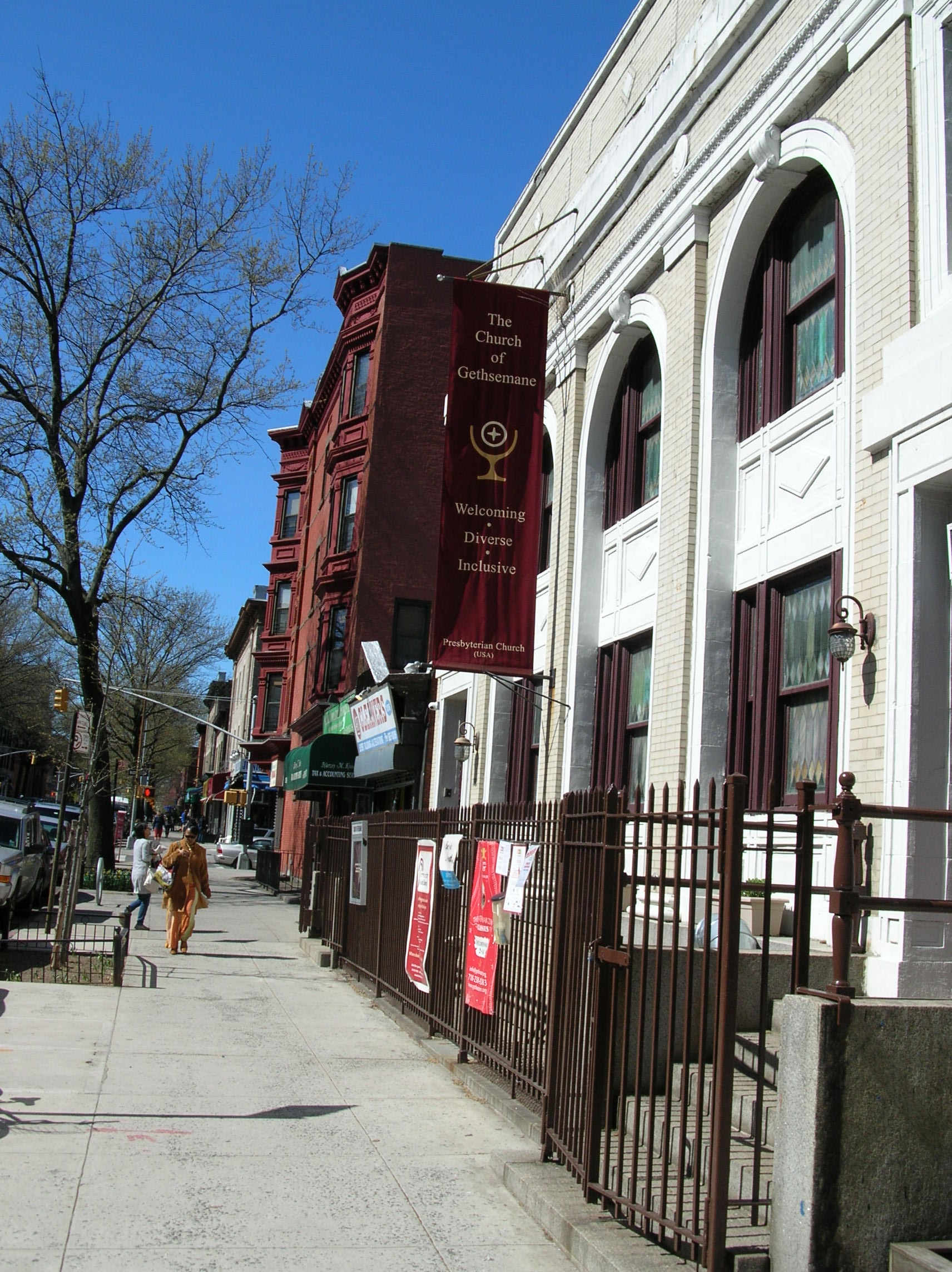
Diane Lacey: Our Church opened in 1986. Almost all parishioners are people who have served a prison term. We visit these people when they are still in prison. We tell them about Christ, about what awaits them outside the gates of the prison, we help to find housing and work after liberation. Another person in prison is a cool man, and at large he is a blind kitten, although with sharp claws. He was weaned from normal life, especially if he spent many years behind bars. Often during this time he manages to lose all family ties. So he left prison, and he simply had nowhere to bow his head, nowhere to sleep. And they do not want to take him to work with such and such a biography. This was well understood by Constance M. Baugh) the first priest of our church. After all, before she was a chaplain, that is, the same priest in a women's prison. And the first idea to create a church for former prisoners came in her voice.
Vladimir Morozov: This says the current pastor Diane Lacey. She worked for many years in various non -profit organizations that help low -income. I graduated from the seminary. And when the pastor of the Church of Gepsimania retired, Lacey offered the Church Council her candidacy. There were several applicants, but they chose it, because many parishioners knew Lacey well for her previous work. She has few parishioners, basically these are Afro-Americans, there are no wealthy people among them. How can such a solid two -story building manage to contain?
Diane Lacey: We receive financial support from other richer presbyterian churches. As we call them, from churches where the spire is higher than ours. Among them are famous Presbyterian temples in Manhattan on Fifth Avenue and Madison Avenue, that is, in the rich areas of New York. These and other churches regularly send us their donations. There are offers from our parishioners. Plus small irrevocable loans from various charitable foundations.
Vladimir Morozov: In addition, several times a week, the Presbyterian Church of Gepsimania rents its premises for rent a small local synagogue and a group of Buddhists - both have their own building yet.
Pastor Lacey, in the brochure of your church, I read about Luis Rodriguez. It is known that in prison you can get a specialty of a carpenter, a computer, and a locksmith. But Rodriguez, being behind bars, finished the theological seminary?
Diane Lacey: About 20-30 years ago, Doctor of Theological Sciences of Weber from the New York Seminary began a course of theology in one of the city prisons. At that time, the staff gave funds to training those prisoners who wanted to study. Several people took advantage of this opportunity. Unfortunately, since then the staff has ceased to allocate money. But now, at their own expense, employees of several colleges and universities continue to visit prisons and train prisoners.
Vladimir Morozov: This Church is not accidentally called Church of Gethseman. As you know, the Gethsemane Garden is a terrain near ancient Jerusalem, where, according to the Gospel, Jesus Christ prayed on the night before arrest. Agony and despair that he experienced in the Gethsemane Garden, feeling the approach of torture and execution, are heard in several religious songs. One of them also sounds in the once popular rock-Opera Jesus Christ-Sumsovezd. So, the Church of Gepsimania is for those who have experienced or experiencing agony and despair. If, simply put, ordinary believers simply do not want to get to hell, then the parishioners of this temple in hell have already visited. Like my interlocutor Robert Williams.
Robert Williams: I sat in prisons of cities of the second and Greenhaven (Greenhaven). These are institutions with moderate severity. But then I was transferred to the Sing Sing, and this is one of America's most rigid prisons. Both the guards and the prisoners themselves could beat you into the Sing Sing. I have seen both rape and murder there. During my imprisonment, they wanted to kill me more than once. I have five stab wounds.
Vladimir Morozov: Sing-sping, in the language of the Indians means stone on stone. This prison is located in the town of Autumning. Once he was also called Sing Sing. But then the townspeople were ashamed of the infamous name and changed it. A lot of books have been written about the Sing Sing prison, films have been shot. She became the basis of one of the American Idiom. Sing-sping is located 50 kilometers north of New York up the Gudzon River. And in the state, since the end of the 19th century, it was possible when a person received a deadline, they said that he was sent up along the Up the River river. Then it was precisely this prison that the prison was no longer necessary, but the expression “up the river” remained.
What is tom? - Where is Tom?
They Sent Him Up the River. - He thundered in the Union.
I met this expression in books and heard from the Americans.
But we will continue our conversation with Robert Williams. Robert, are you married?
Robert Williams: Yes, I have been married for 46 years. We got married on March 11, 1969. I was 17 years old. My wife Mildred (Millie) had been waiting for me for 42 years that I was behind bars. She's on that bench. We have four children. They often visited me in prison. Beautiful children, they love us. Often they bring our own guys to us. We have 15 grandchildren and four great -grandchildren. Millie and I believe that this is the gift of God. How do we earn a living? We are pensioners. Millie worked on yellow school buses that take children to school, followed the order there. Well, I did what they ordered in prison. What do our children do? Son musician. The other is busy with computers. The daughter of the dressmaker. The youngest is a cleaning lady.
Vladimir Morozov: And then I could not resist the tactless question. Robert, how do you live in the wild after 42 years in prison? Sorry, but you don’t want to sometimes tear off anger, somehow throw out your bitterness?
Robert Williams: How to curb anger? Sige deeply, count to ten. Special breathing exercises help. We, former prisoners, often meet with psychologists. Learning to restrain our emotions. We go to meetings of anonymous alcoholics and drug addicts. Look around, there are many people in the church with the same problems as mine. Together we learn not to scandal, but to calmly discuss our problems. We go to prison, meet with young guys who will soon be released. We tell them about ourselves. We explain that, they say, in the wild you must forget all your prison experience and adapt to normal life. And when you find yourself free, you must become a new person and behave as expected. Only then you will not go back to jail.