
Translated material
Letters of a black spider
What is said in the correspondence of Prince Charles with politicians
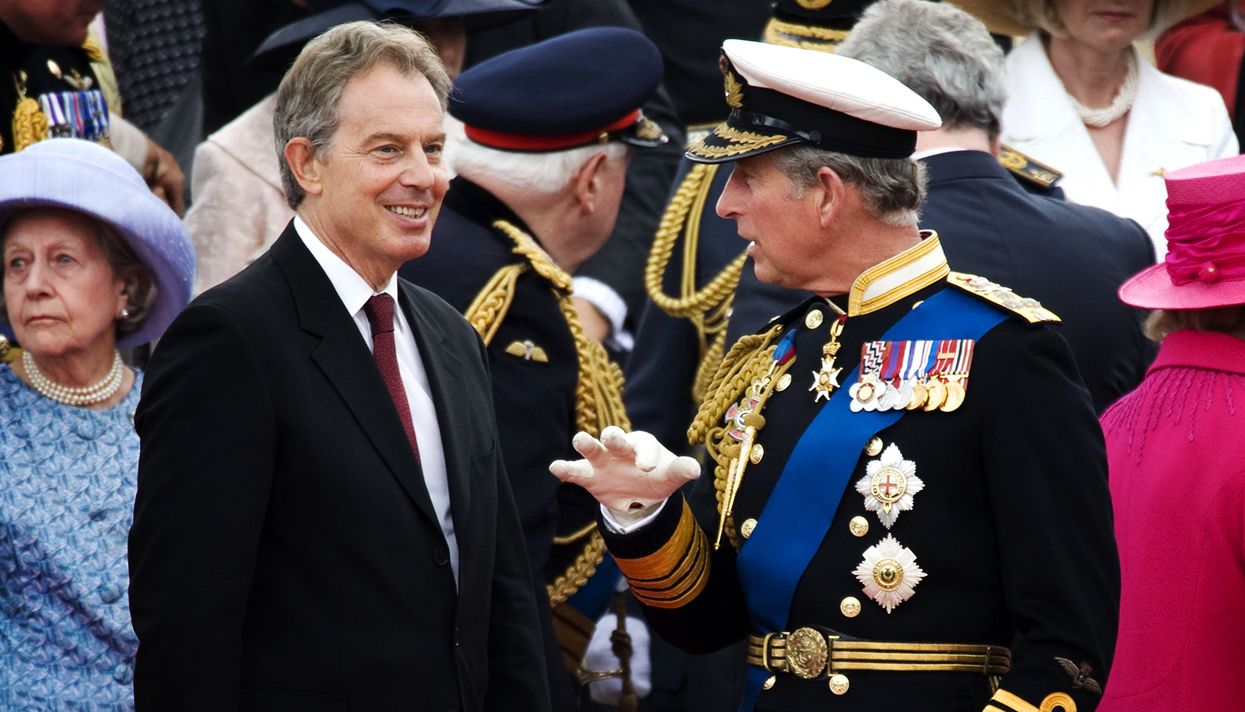
On May 13, The Guardian newspaper won a historical victory over the British authorities and the royal family, having achieved the publication of Prince Charles's correspondence with the ministers of the government Tony Blair. The heir to the British throne wrote to high -ranking officials on various issues - from the war in Iraq to alternative medicine and the fate of the Patagonian Klykach, and often quite intrusively informed about his opinion. Medusa read correspondence and tells why The Guardian fought for so long.
In total, 27 letters written in 2004-2005 were published -all of them are printed from the handwritten notes of Charles and equipped with handwritten additions and comments. The archive, even before the publication, received the name “Black Spider letters” in the press due to the characteristic handwriting of Prince Charles.
The Battle of The Guardian for the publication of letters, the existence of which became the journalist of the newspaper Rob Evans, lasted ten years. At first, the authorities flatly refused to publish letters then the information disclosure commission agreed to publicize them, but the general prosecutor's office imposed this decision. In the time, the general public became known about letters; The public discussion began that Prince Charles could lobby for his political interests. For British society, accustomed to Elizabeth II of more than 60 years of reign to the maximum neutrality of the monarch, such suspicions are a rather loud accusation. During the lawsuit, the law on the disclosure of information even managed to change in order to prevent this from henceforth: now the publication of letters is allowed 25 years after their writing or five years after the death of the author.
But in the story of Charles correspondence, journalists still won. In March 2015, the country's Supreme Court recognized the decision of the former General Prosecutor Dominic Grive, who forbade the public prosecutor, who forbade publishing letters - and thus allowed the publicity of Charles to issue the Blair’s government ministers, including the prime minister. According to The Daily Mail, the government struggle to preserve the correspondence secretly cost British taxpayers of 400 thousand pounds.
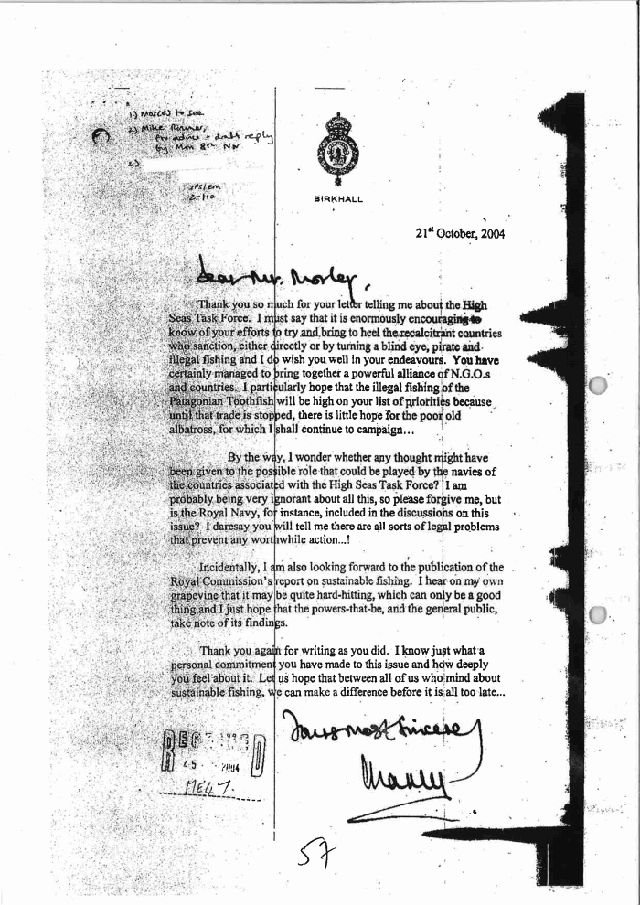
Correspondence sheds light on the backstage relations of the royal family and authorities, which in the eyes of the public are limited to ceremonial functions. As follows from Charles’s letters, the prince tells the ministers about his fears on certain issues-from socio-political to exotic ones as alternative medicine, the number of badgers and the position of the Patagonian fang (the illegal fishing of the fang can hit the population of the albatrosses, which is patronized by the heir to the throne).
“I especially hope that the illegal fishing of the Patagonian fang will take a high place in the list of your priorities: until it is stopped, the good old albatross, for which I am campaigned, is of little hope ...” - from the letter of Charles to the Minister of Environment Enlliutt Morley.
The most extensive correspondence of Charles with the Prime Minister and leader of the Labor Partytoni Blair, who led the government from 1997 to 2007. Basically, it is devoted to agricultural issues: the prince invites the prime minister to support the “Buy British” program, asks to deal with the badgers from which cows suffer, and calls opponents of reducing the badger population “intellectually dishonest” people. He also offers a candidate for one of the posts in the agricultural industry and generally acts as an extremely knowledgeable person in these matters. Separately, the prince draws the attention of Blair to the Directives of the European Union regarding herbalus, which harm the British segment of non -traditional medicine - in a response letter, the prime minister thanks him for the appeal and promises to take measures.
In 2004, Charles wrote to Blara about the poor equipment of the British troops in Iraq and the ineffectiveness of aircraft in the conditions of the Middle Eastern heat, thereby showing an extremely wide horizons. Finally, ten years ago, Charles actually predicted the probability of a scandal related to the publication of letters.
“It was very pleasant to see you, as always, I was glad to discuss a large number of issues with you. You complained about all questions in the letter - and this is despite the act of disclosing information! ”
At the end of each letter, Charles invariably crumbles into courtesy and apologizes for a too long message. He looks extremely sweet British - polite, but at the same time confident in his innocence. And incredibly persistent. In a letter to the Minister of Health about the fate of one of the hospitals in Charles, for example, writes: “With a risk to finally bore you with this - I ask with all my heart that we can more fully discuss these issues, until the irreversible decisions would negate all the long -term benefits.”
Prince Charles is upset by the publication of correspondence. According to The Guardian, Charles insists that his duty is to report all the concerns of the citizens with whom he meets when traveling around the country. The publication of letters did not bring any serious damage to his reputation-their content is not much different from his public speaking. The British public did not learn anything new, except about the prince’s love for the Patagonian Klykachu, as well as about the very fact of the existence of this type of fish. Why Britain’s authorities spent almost half a million pounds on the protection of these secrets is unclear.