
Translated material
Blessed unbearable is lucky
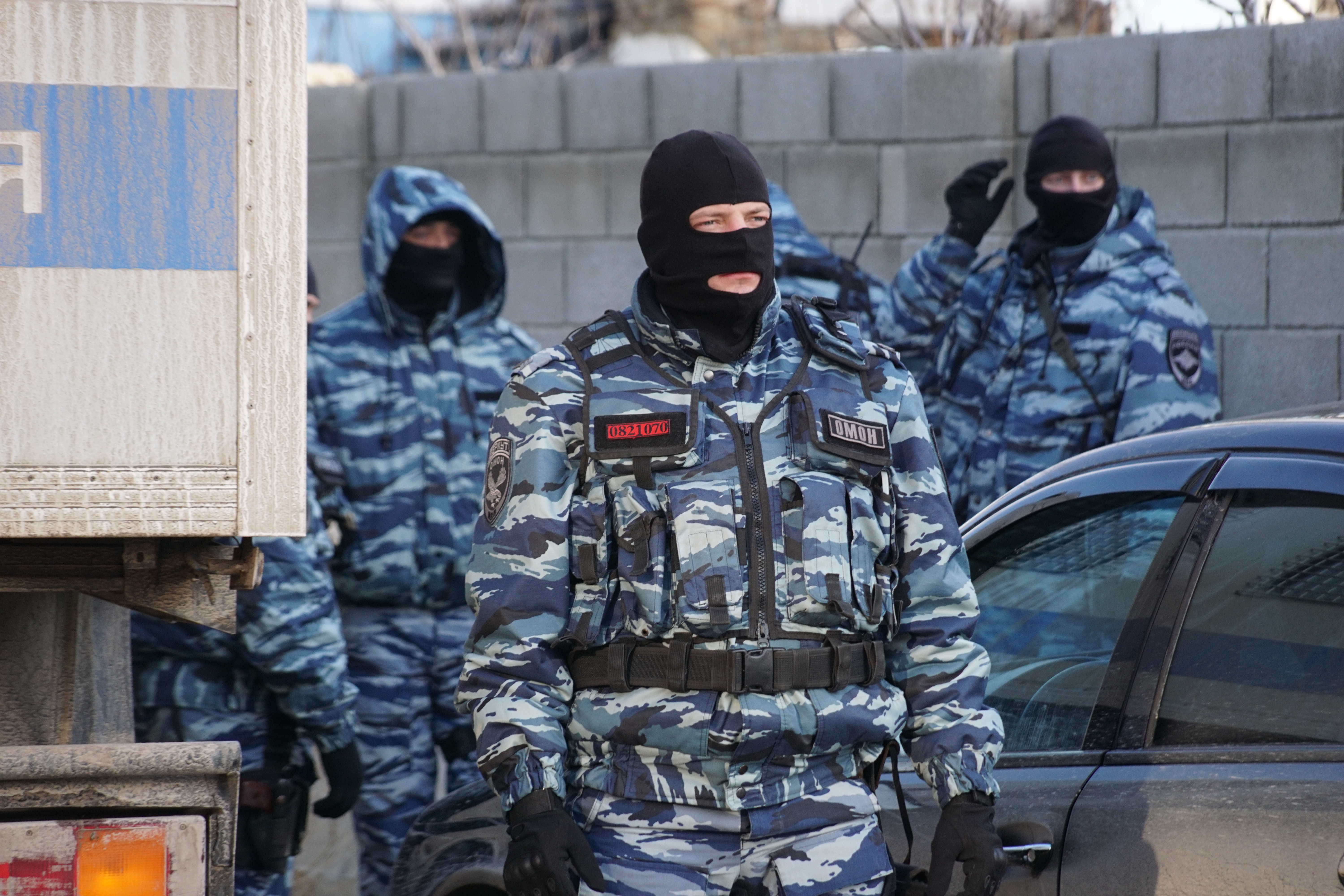
Marina Zlotnikova, Marina Andreeva, Boris Bailinson and Gayane Amrakhova
Maryana Torocheshnikova: The charge under the 318th article of the Criminal Code of Russia "The application of violence against a representative of the authorities" often and successfully use Russian law enforcement agencies for pressure on activists. And cases when the judges would take the side of the accused in such cases, units. In the Trinity District Court, a case is obvious in the territory of New Moscow about the use of violence against representatives of the authorities. The defendant is the head of the Moscow Region Department of the All -Russian Movement "For Human Rights" Marina Zlotnikova. She is accused of beating a policeman, whom Zlotnikova herself and her supporters are unsuccessfully trying to hold accountable for excess of authority when accelerating a mourning event in the forest of a memorable sign to the victims of political repressions in the forest. That story for Marina Zlotnikova ended in a hospital, where, after an attempt to detain her, she hit with a hypertensive crisis.
In the Radio Studio Liberty - head of the Moscow Region Department of the All -Russian Movement "For Human Rights" Marina Zlotnikova , lawyer Marina Andreeva , co-founder of the OVD-Info project Boris Bailinon and human rights activist Gayan Amrakhova .
The charges on the 318th article of the Criminal Code of the Russian Federation "Application of violence in relation to a representative of the authorities" often and successfully use Russian law enforcement agencies for pressure on activists
Marina, first tell us what happened, and why, after you were detained in the forest and you got to the hospital, nevertheless, they bring you to criminal liability?
Marina Zlotnikova: On that day, November 25, we arrived with friends (15-20 people) in the village of Sport Baza, put a car and began to go down to the ravine: all the action took place at the bottom of the ravine, in the thimble. We went to this memorable sign, wanted to put candles, put flowers, wanted to remember people who passed away, conduct a Christian religious rite, and then fry kebabs with friends. That is, this was not a rally, a meeting, nor a procession. Nevertheless, when we were already at the bottom of the ravine, we were surrounded by police officers, and began to prevent us. There were about ten people, and about a dozen people in civilian clothes. They pinned us, pushed us, grabbed hands ...
Maryana Torocheshnikova: What did you tell you? That you can’t walk through the forest?
Police officers pinned us, pushed us, grabbed hands
Marina Zlotnikova: Just silently. Or they said: "You can’t go through." And then strange things began to happen: people in civilian clothes grabbed the phone from the lawyer Arkhipov and ran - in front of the police and another 30-40 people. Then we saw this small pedestal - such a pebble closed by branches. We saw the inscription: "This stone was erected in memory of the victims of the political repressions of the Horde-Kremile occupation, from the XIII to the XXI century." The village of Sport Baza is the former settlement Przemysl, and this memorial sign was between the boulders of this ancient wall of Przemysl, which was destroyed in the XV or XVI century by the Mongol -Tatar invasion. One of the activists, in my opinion, Valery Tsaturov, pushed back these branches, broke through somehow through the police, and here something interesting began. People in civilian clothes still continued to grab our hands, Tsaturov began to shout that one of them climbed into his pocket and pulled out the phone. I have a video of this event, and I, already watching the video and getting acquainted with the materials of my criminal case, found that the person who climbed into the pocket of Tsaturov, my friend who came with me from Ramensky, was also an activist of the Ramensky district, - this man in civilian clothes turned out to be the deputy head of the administration of the Shchapovsky settlement . That's the most interesting!
Maryana Torocheshnikova: How did your business arise? Why did you beat the police?
Two police officers attacked me, made a cut, they began to turn my hands at the same time. The pain was hellish!
Marina Zlotnikova: We managed to put flowers and candles, but, of course, we were indignant. And I said, giving an interview to some journalist: “Look, what a mess! Let the police remember the lessons of history - how is such an attitude towards civilians ...” And they surrounded me with a crowd - ten policemen and people in civilian clothes - listened. Maybe they did not like it. Then I got up with everyone. Then at least four police officers came up to me, they began to say to me: "Come with us." I said: "I won’t go anywhere! Moreover, they steal phones here, climb their pockets, and the police do not apply any measures to gopniks and crooks!" Then two police officers attacked me, made a cut, they began to turn my hands at the same time. The pain was hellish! I began to scream. She screamed that I had a sore hand, that it hurts me. I felt that I was losing consciousness, my heart fell ill ... And before that they still grabbed me for the intimate parts of the body - publicly, with all ...
Maryana Torocheshnikova: But as a result, you did not go anywhere with them, and, as I understand it, you ended up in the hospital that evening.
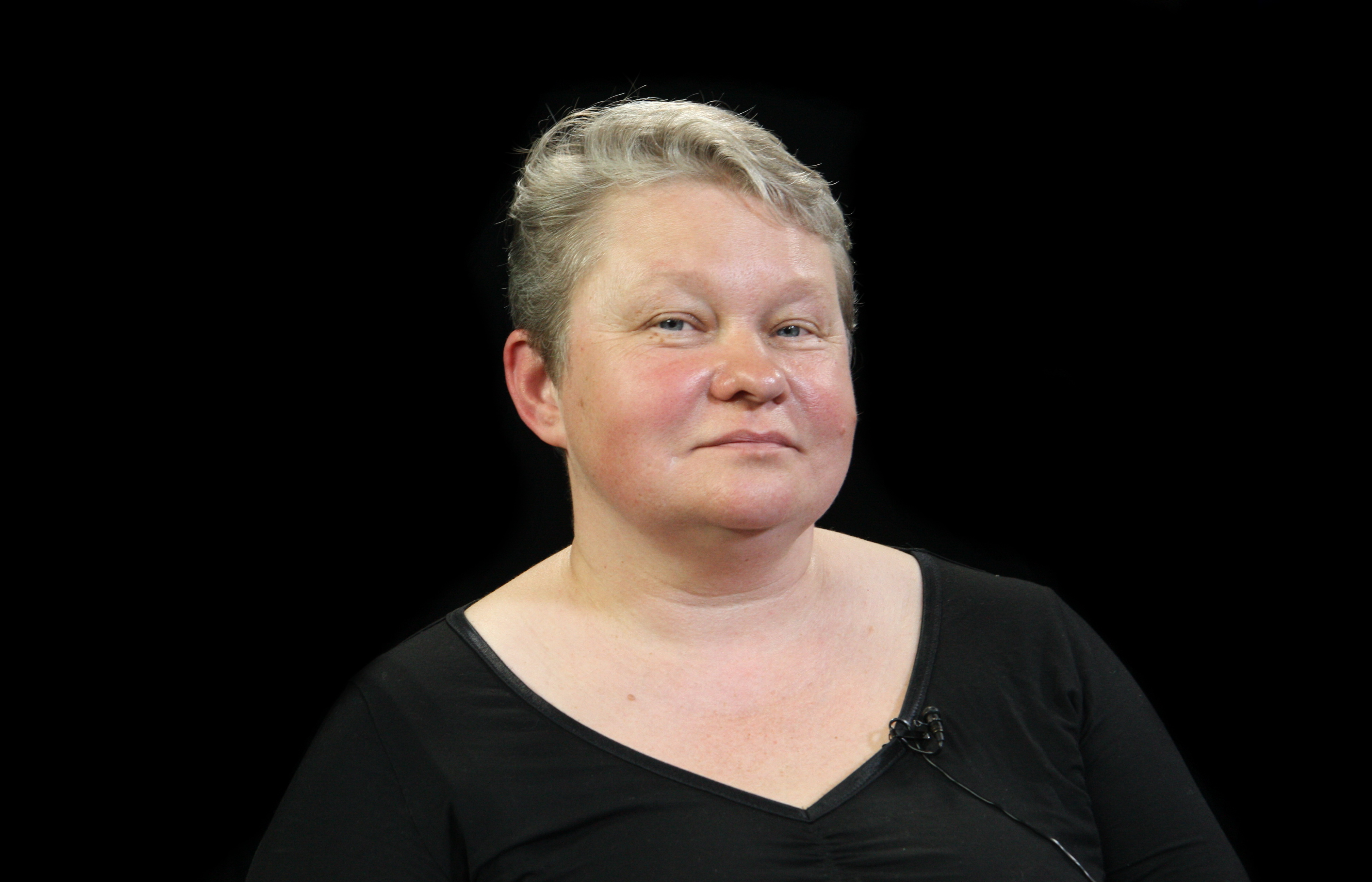
Marina Zlotnikova: Yes. Then they just began to break my hands. I screamed, lost consciousness several times. Phyturov, who at that moment was at the monument, shouted: "Do not touch the woman!" They grabbed him and dragged him into the car.
The women who were with me lifted me up from this ravine. The police walked from behind. I immediately sat on the asphalt, because I just could not move: my heart hurt, my head was spinning. I was called an ambulance.
Maryana Torocheshnikova: So did you beat a policeman or not?
They just began to break my hands. I felt that I was losing consciousness, my heart fell ill
Marina Zlotnikova: When I began to break my hands, I pulled out. I came to my senses in the hospital only a day later - all this time I was under a dropper. The next day, my relatives took me to Ramenskoye.
Maryana Torocheshnikova: When did you find out that you are a criminal criminal?
Marina Zlotnikova: These events occurred in November, and only six months later, in April 2013, I found out that a criminal case was opened against me. I was treated for about 4 months.
Maryana Torocheshnikova: Have you somehow tried to hold those policemen who brought you to such a state?
Marina Zlotnikova: When I entered the hospital, I had hematomas on both hands, they immediately conducted an examination there. There were bruises of both shoulders. Doctors sent these results to the Trinity Department of Internal Affairs. I indicated that I was beaten by police officers. The police did not understand. I think, as soon as they received a telephone message, they calmly opened a job at me.
Maryana Torocheshnikova: Marina, it seems to me that the case of one of your clients, whom you represented in the Moscow court, partly similar to the story of Marina Zlotnikova. I mean the story of Stanislav Pozdnyakov, who was accused of encroaching on a policeman’s life, putting him in the face, while he himself was detained. He was still found guilty, despite a lot of evidence that it was the police who behaved unlawfully.
Marina Andreeva: Yes, they violated the law, exceeded their powers.
The main question that faces people - do they need to obey the requirements of police officers?
Maryana Torocheshnikova: In the history of Marina Zlotnikova, from your point of view, were there any violations from the police? After all, the main question that faces people: do they need to obey the requirements of police officers? They told people to disperse in the forest, so they had to leave, do nothing, and then there would be no such events. Or, as in the case of your client, they said: there is nothing to walk here on Manezhnaya Square - but he took and did not leave, and then he was brought to the police department, and even accused him of encroaching on the health of an employee. Why is this happening?

Marina Andreeva: You see, a police officer has no right to just approach and say "pass". If, from his point of view, Marina violated the law, then they had to approach her, say: you violate this and that, we ask you to proceed with us there, for example, to draw up a protocol on an administrative offense. But even the criminal cannot be dragged somewhere, it would be nice for this to have a decree on attracting him as the accused. They had to explain, in connection with which she should go somewhere. Therefore, her behavior was completely legitimate.
Maryana Torocheshnikova: I get the impression that many people do not understand the reasons for their detention in such situations, nevertheless, for them it ends at best to bring to administrative responsibility under the article “For failure to fulfill the legal requirements of the police” (they believe that all their requirements are legal).
The low legal literacy of our law enforcement officers is largely the cause of what is happening
Marina Andreeva: In order for these requirements to be legal, they must comply with the law on the police, the law on administrative offenses. I believe that this was a completely illegal requirement in relation to Marina, and it was also illegal in relation to my principal Pozdnyakov, who simply approached the police and asked: “In connection with which you delay my colleague?” And after that, without explanation, they pushed him into the bus. I believe that the low legal literacy of our law enforcement officers is largely the cause of what is happening.
Maryana Torocheshnikova: But the courts insure them.
Marina Andreeva : Of course. Since they are not held accountable for this, they simply do not consider it necessary to increase it.
Maryana Torocheshnikova: Boris, you monitor these stories, when people are illegally detained, illegally brought to administrative responsibility. As a rule, these are activists who participate in shares. And then the same activists are prescribed guilty of the fact that they caused something there by the police. At least once, such people were able to avoid the indictment of the court in an administrative case or a conviction?
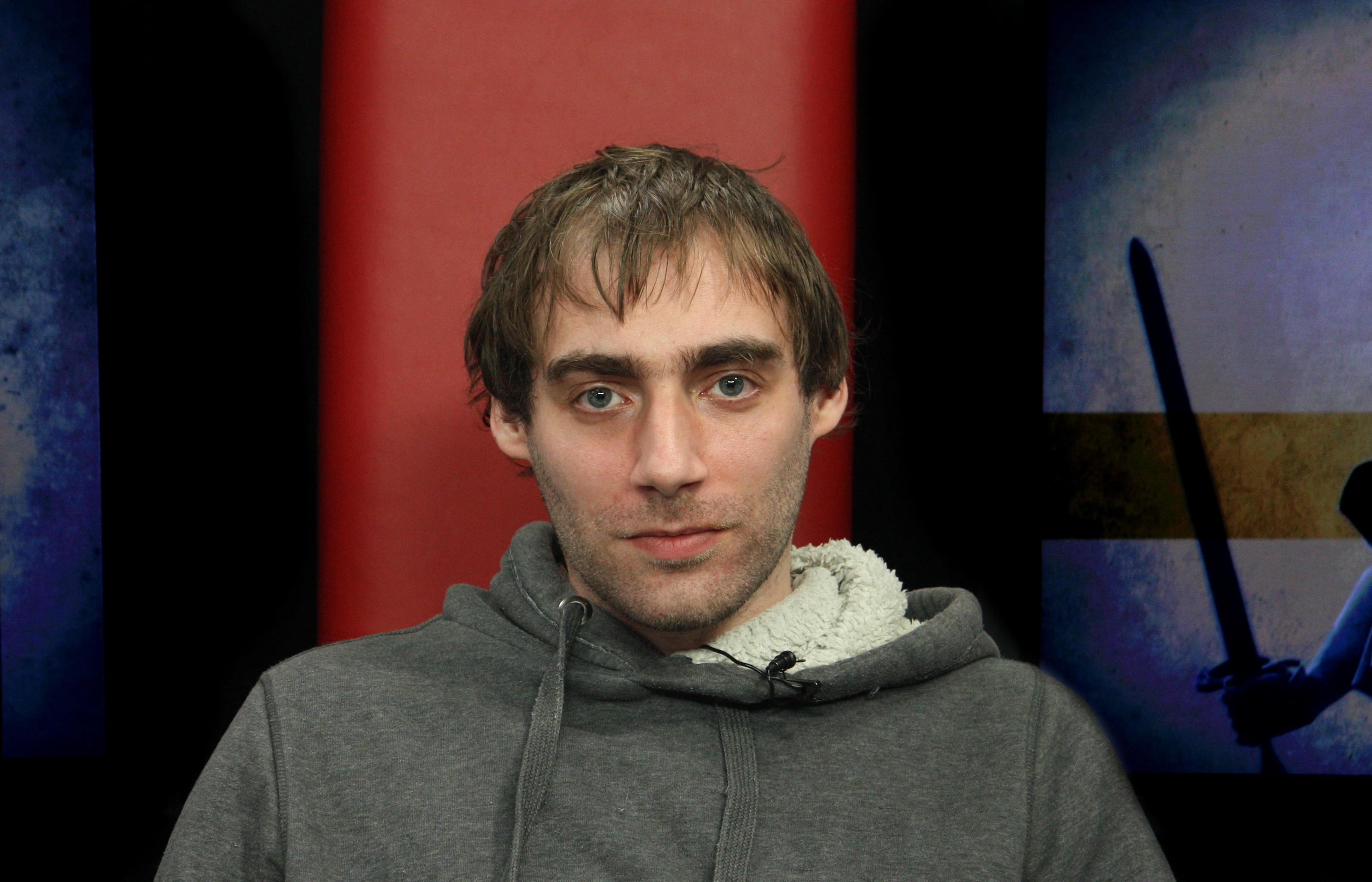
Boris Bailinson: as a rule, this is an accusation under Article 19.3 of the Code of Administrative Offenses , which is not such a mechanism that shows us that a person resisted or something like that. Often it is just a appendage to the standard article 20.2 - "Violation of the rules of public actions." This is clearly visible, for example, on mass shares, when several autosaks leave the square, all people behave approximately the same, but, it turns out, there is a clear distribution: one bus has 19.3, and the other bus has no. Usually this is just a team, lowered from above, an order, the same standard, template protocols. And most often we see that Article 19.3 is given there to the whole branch, and not to someone specific, who really resisted. It is very difficult to talk about the legal requirement of the police officer, because, in addition, what Marina told about, the policeman is still obliged to introduce himself, is obliged to try to prevent the offense on the spot.
The courts in such cases willingly support police officers
Maryana Torocheshnikova: Meanwhile, under this article of the administrative code, a person can be sent under 15 days. And this is some kind of, but still imprisonment. And the courts in such cases willingly support the police.
Boris Bailinson: Yes, they are often supported. It is well known that we are practically not justified by either criminal or administrative items, but often poorly drawn up cases are returned by the courts and die somewhere, usually for the second time they no longer go to court.
Maryana Torocheshnikova: How often do people who themselves suffered from the actions of the police try to hold accountable under the criminal article?
We are practically not justified by either criminal or administrative articles
Boris Bailinson: According to statistics, about 7 thousand people a year are involved in the 318th article. Of course, this is not all political. And somewhere around 500-900 of these cases ceases. With our norm - less percentage of acquittals - this is still a certain achievement. A lot of conditional sentences under the 318th article-somewhere half. There are also fines.
Marina Andreeva: Here is Marina this situation: either she should be held accountable, or police officers. And in this situation, as in those situations where the court does not consider it necessary to comply with the requirements of the law, does not want to be an arbitrator between the arguing parties, actually rises on one of the parties: on the indictment - I believe that the choice fell on it. Moreover, she repeatedly demanded to initiate a criminal case on the fact of the bodily harm that she received, and the criminal case was not instituted.
Marina Zlotnikova: There was a whole bouquet of illegal actions of the police! And on November 19, 2014 they just wanted to take me from the courtroom. Representatives of Kurilovsky OP arrived, deputy. The boss, they took away my passport before entering the court, before the meeting and broke into the courtroom, tearing off the meeting.
Maryana Torocheshnikova: Gayane was just a witness to these events. What happened there, how did the bailiffs behave?
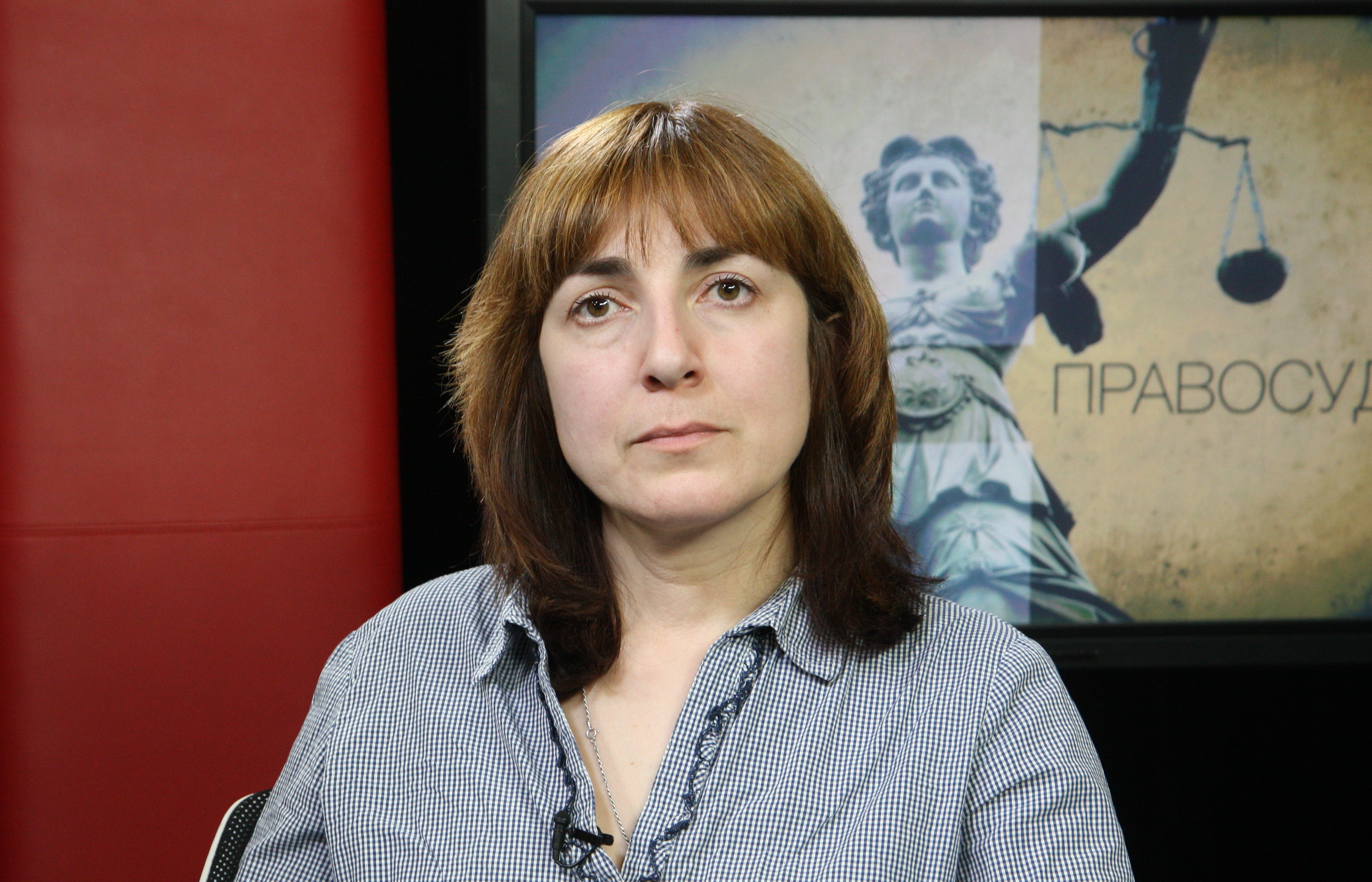
Gayane Amrakhov: There was just a mess, a nightmare. We, a group of activists, arrived with Marina Zlotnikova at the hearing. For two years, Marina Ivanovna has not been hidden from investigators or from the courts, she constantly comes with a lawyer on the day of the trial. We arrived, put single pickets with posters, all within the framework of the 54th Federal Law on rallies and shares, we did not violate anything, stood 50 meters from each other. And suddenly, when they entered the hall, the police major came in, a lieutenant with him, and they say: "Who is Marina Ivanovna Zlotnikova?" Marina Ivanovna said: "I." Her lawyer is standing and we are all activists. And he says: "You are detained." And at that moment the activists were not afraid of responsibility, they simply rushed into defense of Marina Ivanovna and separated her from the police. We defended her - activists, grandparents, disabled people ...
There was such a feeling of injustice - how is it? A man in form comes up: "You will come with me!" - I have enough of her for the forearm and pulls with force. We defended Marina Ivanovna, she went into the meeting room. I saw the face of the judge of Rozhkov, he was clearly unhappy, and an assistant to the judge was unhappy, she ran in anger and pushed activists. It seems that they had some kind of operation, but it did not work out.
Maryana Torocheshnikova: So you think that the judge was at the same time with the police?
Gayane Amrakhov: Yes. I did not go into the hall, I saw how the police went to the chairman of the court. There were no about 30 minutes, they left there, someone called them, and they began to say on the phone: "Yes, we know, we all understood." And the senior bailiff defended Marina Ivanovna from the actions of police officers in the court premises - he tried in every possible way to squeeze them out, said that their actions were unlawful.
Maryana Torocheshnikova: Did you try to hold these police officers accountable?
There was a whole bouquet of illegal actions of the police!
Marina Zlotnikova: Yes, a statement was written right away. But Gayane did not say that I was again taken away by ambulance. I was so bad, I had such a shock that they called an ambulance. The pressure of 200, made a cardiogram - a pre -infarction, previous condition. I was taken to the hospital of RAS Troitsk. A police outfit was driving behind me. It turned out that about a dozen police outfits came to the Trinity Court for my detention. I was charged with a violation of the non -departure subscription. I later looked in the criminal case - a violation of the non -departure subscription was fabricated, that is, during 2014 they gave requests at railway stations. And it turned out that Zlotnikova Maria Ivanovna went to Peter and Nizhny Novgorod with a completely different passport. And I was charged with all this.
Marina Andreeva: But the investigator can make this decision. The police came for you, and the investigator gave them a separate assignment to be detained?
Marina Zlotnikova: When they came up to the meeting: “Come with us. You are on the federal wanted list,” my eyes became just round. They pulled out my passport. It ended in the fact that I was again taken to the hospital, under the droppers. And the police who were with me immediately wrote a statement to the General Prosecutor's Office, to the Investigative Department. There is still no answer. I immediately called Lev Ponomarev, the head of the “For Human Rights” movement, he involved Andrei Babushkin , Ella Pamfilov and Mikhail Fedotov , the head of the Presidential Council, - my situation was controlled. Police officers who did not allow the hearing, they simply created a crime, but still there is no answer to several statements. And they continue to judge me!
Maryana Torocheshnikova: Boris, how indicative and typical is the story of Marina? Is it possible to say that the police clung to her only because of an active life position? Or is it just the case when I found a braid on a stone? Какова вероятность, что, если человек ходит по митингам, против чего-то протестует, судится, то на него в конце концов могут попытаться надавить таким образом? Ведь эту 318-ю статью УК РФ очень часто и успешно используют как средство давления на активистов.
Зачастую 318-я статья - это защита полицейских после того, как они сами бьют задержанных
Борис Бейлинсон: Да, но зачастую 318-я статья - это защита полицейских после того, как они сами бьют задержанных. Наверное, это была еще "Стратегия-31", типичный случай: задерживают Игоря Шука из "Другой России", привозят в ОВД "Тверской", долго держат, Игорь просит отпустить его покурить, ему несколько раз отвечают, что нельзя, хотя по некоторым международным нормам это даже приравнивается к пыткам. Он закуривает в актовом зале. Следует совсем неадекватный ответ - задержанного избивают. Через некоторое время полицейские все-таки выводят его покурить и говорят: "Ну, что, будешь на нас писать заявление? Хочешь - пиши, у нас уже все готово - заявление по 318-ой статье". И что зачастую выбирают активисты? Ну, охота ли с этим связываться? 318-я статья часто просто не реализуется за счет того, что активисты или другие люди не идут до конца.
Марьяна Торочешникова: То есть человека буквально шантажируют.
Борис Бейлинсон: Фактически - да.
Марьяна Торочешникова: Здесь, наверное, есть смысл вспомнить о фигурантах "Болотного дела" , там 17 человек привлечены к ответственности как раз по разным частям 318-ой статьи УК РФ. Это вот то самое "применение насилия в отношении представителя власти". Но ведь тогда, после событий 6 мая 2012 года, было направлено несколько тысяч заявлений в отделения полиции и в Следственный комитет от людей, которые пришли на эту мирную согласованную акцию, их там избили, растолкали, что-то кому-то порвали, и ни одного дела, насколько мне известно, не было возбуждено против ни одного полицейского, а кому-то, наоборот, выдали квартиры, премии и награды. Может быть, в этой ситуации вообще бессмысленно ходить в суды и что-то там отстаивать, пытаться привлечь к ответственности полицейского? Ведь известно, что придут свидетели, такие же сотрудники полиции, которые расскажут все, что нужно, чтобы выгородить коллегу.
По "Болотному делу" только один человек реально продолжает судиться
Борис Бейлинсон: Проблема в том, что по "Болотному делу" только один человек реально продолжает судиться. Его зовут Виктор Захаров, его фотографии с окровавленным лицом облетели весь мир. Многих, понятное дело, запугали, многие поняли, чем это оборачивается, там есть пример Сергея Кривова, который получил самый большой срок по "Болотному делу", а чем он занимался – всего лишь ходил на пикеты к Следственному комитету, когда уже были арестованы другие по этому делу, пытался добиться правды.
Марьяна Торочешникова: То есть показали, что не надо высовываться.
Если вы хотите добиться справедливости, это должно быть на слуху
Борис Бейлинсон: Да. И есть другой пример - акции в поддержку Навального 18 июля 2013 года, когда его на день закрыли, и в этот день были массовые протесты на Манежной площади, вышла огромная толпа народу, и был совершенно ужасный инцидент - одного из активистов, Дмитрия Монахова, затолкали в автозак и там долго избивали. Там была масса журналистов, они это засняли, есть фотографии. А ведь он не оказывал сопротивления, да даже если бы и оказывал, вряд ли это была бы адекватная мера. Тем более, что, опять-таки, полицейские не представлялись, не объясняли причину задержания, а просто били. Дмитрий Монахов подал заявление, тоже пытается судиться. Это была достаточно публичная история, и это очень важный момент: если вы хотите добиться справедливости, это должно быть на слуху. На него самого не посмели завести уголовное дело, но результата мы тоже пока особо не видим.
Марьяна Торочешникова: Я вспомнила историю "жемчужного прапорщика" из Санкт-Петербурга , который направо и налево лупил людей резиновой дубинкой, совершенно ни за что, и вот в какой-то момент это зафиксировали. Он отделался условным сроком, тем не менее, это был тот самый случай, когда удалось все-таки привлечь полицейского к ответственности за незаконные действия. Но чаще бывает наоборот, как в случае с Мариной Злотниковой. Марина, а суд прислушивается к вашим доводам?
Марина Злотникова: Мои доводы, собственно, еще не рассматривались. Мы заслушали пять свидетелей обвинения, этих полицейских, и они все дуют в одну дуду, что подошли к Злотниковой, сказали ей "пройдемте", и она начала, как Джеки Чан, лупить полицейского ногами, кулаками, - вся эта их ахинея. Это была определенная тактика провокации. А если бы "скорая" не приехала? Если бы меня утащили в околоток и потом через сутки отдали в целлофановом пакете моим родственникам?
Марьяна Торочешникова: А вот тогда бы полицейских, вероятно, привлекли к уголовной ответственности.
Марина Злотникова: Вероятно, но совершенно не факт!
Марьяна Торочешникова: А насколько легко или сложно отстаивать в суде позицию человека, которого обвиняют в применении насилия в отношении представителей власти? Реально ли добиться оправдания?
Решение всегда выносится против того человека, который обвиняется в совершении преступления по 318-ой статье
Марина Андреева: В этой ситуации практически невозможно отстоять позицию своего доверителя. Сотрудники полиции лгут, а если ты просто буквально, документально ловишь их на лжи, то суд не принимает это во внимание, и решение всегда выносится в их пользу и против того человека, который обвиняется в совершении преступления по 318-ой статье. У нас же нет оправдательных приговоров. А потом, мне кажется, они просто считают, что делают общее дело, они единомышленники, а все эти глупости - правовое государство, Конституция, Процессуальный кодекс, - это ничего не значит. Мы живем не в правовом государстве, поэтому Марина - молодец! Я ей желаю всяческих успехов, но не уверена, что она добьется оправдания. Я бы, скорее, сказала, что ее осудят. Но вот ее гражданская позиция у меня вызывает уважение, потому что надо хоть что-то делать, если мы хотим жить в правовом государстве! А если мы вообще откажемся от любой борьбы, тогда будет даже еще хуже.
Марьяна Торочешникова: Но все-таки эта 318-я статья Уголовного кодекса, о которой мы сегодня так много говорим, вероятно, дает судьям простор для фантазии, и, может быть, когда они понимают, что недостаточно доказательств, они просто не назначают людям реальные сроки лишения свободы, а, как было в случае со Станиславом Поздняковым, приговаривают к условному сроку или же дают штрафы, как-то дают человеку возможность не отбывать наказание в колонии или в колонии-поселении.
Марина Андреева: Я не думаю, что в случае со Станиславом Поздняковым они что-то признали. Я считаю, что там условный срок имел целью заставить его не ходить на митинги и акции. Ведь если бы его еще раз привлекли к ответственности в последующие три года, то вступил бы в силу и первый приговор.
Марьяна Торочешникова: Потому что он все-таки занимает активную жизненную позицию, является членом "Солидарности" . А сейчас он находится в больнице после инцидента под Москвой, где он был наблюдателем на выборах, обнаружил вброс на избирательном участке, после чего его и его товарища избили. И вот сейчас он в Институте Склифосовского, ему удалили селезенку. Очень интересно, будут ли найдены люди, которые участвовали в этом избиении, станет ли полиция их искать так активно, как она до сих пор ищет людей по "Болотному делу" и продолжает арестовывать?
Я посмотрела судебную практику - с мая 2011-го по май 2015 года было вынесено пять оправдательных приговоров по 318-ой статье, причем в двух случаях людей оправдывали в уголовном преступлении только потому, что до этого было вынесено решение об административном правонарушении по статье 19.3, и судьи считали, что дважды за одно судить нельзя.
Марина Андреева: Тогда давайте их исключим из вашего списка.
Марьяна Торочешникова: Тогда остается три оправдательных приговора, что тоже, наверное, все-таки не может не радовать.
Борис Бейлинсон: Из 30 тысяч! Ведь за 4 года было примерно 30 тысяч дело по 318-ой статье. 0,01 процента...
Марина Андреева : При такой статистике невозможно радоваться!
Марьяна Торочешникова: Мне удалось найти еще одну историю: офицер Федеральной службы госнаркоконтроля при задержании человека очень сильно его избил, и когда этот избитый обратился с требованием возбудить уголовное дело по факту превышения полномочий, то этот сотрудник ФСКН пытался привлечь его к ответственности по 318-ой и 319-ой статьям, но в итоге сам был приговорен к пяти годам лишения свободы. Это вот тот самый случай, когда все-таки торжествует справедливость! И хочется верить, что судьи будут прислушиваться к людям.
Марина Андреева: Справедливость здесь совершенно не при чем. Либо мы выполняем законы, живем в правовом государстве, либо нет.
Марьяна Торочешникова: Насколько перспективны обращения по таким делам - о нарушенном праве на участие в мирных акциях - в Европейский суд по правам человека ?
Борис Бейлинсон : Конечно, люди обращаются в Страсбург и по административным правонарушениям. Но это занимает достаточно большой срок.
Марьяна Торочешникова: То есть пока еще нет никаких конкретных решений?
Главное - действительно нужно обращаться, писать заявления, оспаривать все это. Но нужно это делать публично
Борис Бейлинсон: Иногда, в каких-то частных случаях решения принимаются достаточно быстро. Если я не ошибаюсь, было достаточно быстро принято решение о незаконном задержании Гарри Каспарова, когда он якобы укусил полицейского. Но в принципе, очередь там может быть и 10 лет, и вряд ли это как-то сильно скажется на судьбе того человека, который сейчас попал в сложную ситуацию. Главное - действительно нужно обращаться, писать заявления, оспаривать все это. Но нужно это делать публично - это основное правило. Мы готовы писать про такие истории, и другие издания тоже ими интересуются.
Марьяна Торочешникова: То есть, чтобы не случилось, как в сказке, что битый небитого везет, действительно нужно привлекать внимание к своей истории. Марина, а с чем вы связываете свои надежды на этот суд?
Я не надеюсь на торжество закона в России
Марина Злотникова: Я не надеюсь на торжество закона в России. Я его не вижу уже, наверное, лет 20, а с 2000 года я его не вижу вообще. Я выигрывала дела за счет того, что привлекала очень большое внимание к своим проблемам. Мы проводили очень громкие пикеты, и возможно, именно за эти пикеты 19 ноября меня и решили засунуть в СИЗО . В тот день, когда меня поместили в больницу, пришел следователь Демидов из Троицкого отдела прямо ко мне, лежащей под капельницей с давлением 200, принес мне бумагу о том, что меня должны поместить в СИЗО - задержание на 48 часов. Но врачи троицкой больницы, естественно, не дали ему это сделать.
Марина Андреева: Нет, это как раз не естественно! Они проявили гражданское мужество. Врачи в этой ситуации тоже часто становятся на сторону полиции.
Марина Злотникова: Через двое суток, когда закончилось мое задержание, мне привезли уведомление об освобождении, но конвой продолжал сидеть до моей выписки.
А сейчас меня продолжают судить, и в зале суда не дают проводить даже видеосъемку. Но у меня сидят несколько журналистов, которые ведут хронику.
Марьяна Торочешникова: И ее можно почитать в интернете, если кого-то заинтересовала эта история.
Марина Злотникова: Да, на Kasparov.ru ведется хроника каждого заседания.