
Translated material
During the settlement of Madagascar, people lost dogs
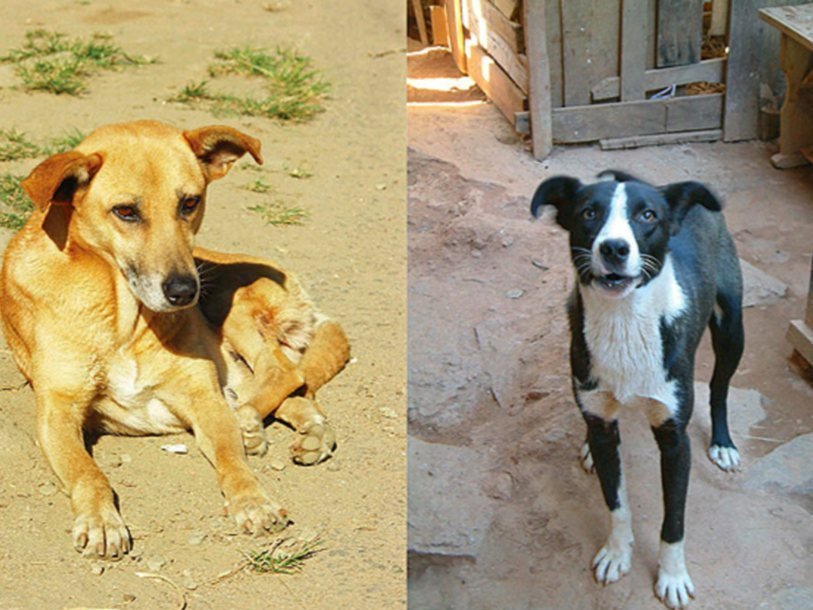
Professor of the Royal Technological Institute in Stockholm Peter Savolainen, who has long been busy building the genealogy of home dogs with the help of genetics, decided to establish the origin of the dogs of the island of Madagascar and ran into a mystery.
The main population of the island is the Malagasis - the people of Austronesian origin. Their language belongs to the Austronesian family. They arrived at Madagascar in approximately the 1st - 5th centuries of our era, having traveled the path from the islands of modern Indonesia. The few Mikea people living in the southwest of the island are supposedly considered the descendants of the indigenous inhabitants, African origin, who inhabited Madagascar before the arrival of the Austronism. From approximately 1000, representatives of the African peoples of Bantu penetrate the island through the Mozambik Strait.
The Austronesians, settling at great distances from Taiwan and Indonesia to the Hawaiian Islands and New Zealand, as a rule, brought pets with them: chickens, pigs and dogs. The general origin and route of their spread is confirmed by DNA analysis.
Savolineen hoped that according to genetic analysis, everyone or at least half of the Madagascar dogs would turn out to be descendants of those that once sailed from Indonesia. But the audit showed that Madagascar's dogs have nothing to do with Indonesia and dogs of the Austronesian peoples. Their genes indicate African origin. The data was obtained by comparing DNA of 145 dogs with Madagascar and 184 African dogs.
The absence of genetic traces of Austrodesian origin of Madagascar dogs with clearly the presence of such traces of people inhabiting island looks very strange, given the customs of the Austronisms to carry animals with them. Savolineen says that there is a sad script for dogs. They either could not stand the distant path, or were eaten by immigrants during swimming.
A study, which, in addition to Savolineen and his Swedish colleagues, participated by scientists from South Africa, Madagascar, Portugal and Iran, published on May 20 at the Royal Society Open Science.