
Translated material
Russia will extend the grocery embargo
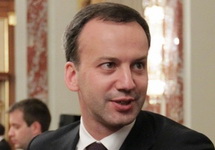
Russia will extend the food embargo if sanctions are not lifted from it. This was stated by Deputy Prime Minister Arkady Dvorkovich, Interfax reports .
"This, of course, depends on what our partners will do, who imposed sanctions against us. If the sanctions do not cancel, then then the embargo will not be canceled, of course, there is no reason to cancel something," said Dvorkovich. At the same time, he allowed, as before, point adjustments to the ban.
“There may be some point adjustments, but they were last year, when some of the products were displayed (from the list of forbidden to import. - Ed.), Part - introduced. Point things are possible, but no radical solutions are planned,” the Deputy Prime Minister said.
After the accession of Crimea, Russia is under the economic sanctions of the USA, EU, Norway, Japan, Australia and Canada. In particular, the banking sector (Sberbank, VTB, Gazprombank, Vneseconobank, Rosselkhozbank, the Bank of Moscow), oil companies (Rosneft, Transneft, Gazprom Neft, Lukoil, Surgutneftegaz) fell into restrictions.
In response, Russia introduced a grocery embargo against these countries. On August 7, the supply of meat products, vegetables and fruits, seafood and chilled fish, milk and dairy products were prohibited. On August 20, the list was replenished with live fish, but Malkov salmon and trout were removed from it, lactose milk and dairy products, seed potatoes, sugar corn, peas, dietary supplements and vitamins. According to Vladimir Putin, the response sanctions of Russia gave a chance to free the market for domestic manufacturers.
By November 25, the grocery embargo cost citizens 44.7 billion rubles , said in the report of the Institute for Strategic Analysis of the Company "Financial and Accounting Consultants". The economic price of antisanctions was estimated as an additional volume of household expenses for food products, the import of which was prohibited from a number of countries. These additional expenses now cover the additional inflationary increase in the cost of products (transport and other transaction costs).
If the food embargo lasts another year, additional expenses of Russians can amount to 147.3 billion rubles.