
Translated material
Sprotfront
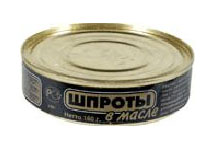
From June 4, the Rosselkhoznadzor completely prohibits the supply of fish and fish products from Estonia and Latvia. This was announced by Interfax by the head of the Rosselkhoznadzor Sergey Dankvert. The new ban applies to canned food, and above all, sprot, the main suppliers of which so far were these Baltic countries. According to the food embargo introduced by Russia in August 2014, the supply of fresh fish is already prohibited. The import of fish canned food was not limited then.
The new ban will be total. All fish processing enterprises of Latvia and Estonia will fall under it. "We are not satisfied with the system of ensuring the safety of products at these enterprises," Dankvert said. To this conclusion, Rosselkhoznadzor, according to him, came after the inspection at nine enterprises producing sprats in Latvia and Estonia. According to Rosselkhoznadzor experts, "inspectors were deeply preoccupied with what they saw."
The head of the Latvian Fisheries Union DJ Schmitts told Delfi that the ban can lead to bankruptcy of those enterprises for which Russia is the main importer. Twenty Latvian enterprises supply half of the products manufactured to Russia. The total amount of supplies is about 100 million euros per year.
Latvia may demand compensation for losses from the European Union. Part of the sprat is planned to be exported to China. According to Schmitts, in China they are interested in Latvian sprats, and they can be eaten with sticks.
In January, the Rosselkhoznadzor Inspectorate in Latviarevealed an increased content of carcinogenic substances in sprots. In October 2006, under Gennady Onishchenko, Rospotrebnadzor already prohibited the import of sprot. In Riga, this decision was called politically motivated.