
Translated material
Permanent representatives of the EU countries approved the extension of sanctions against Russia
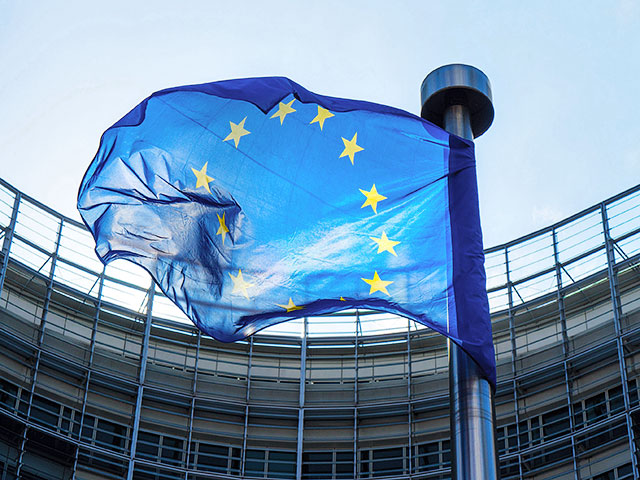
Permanent representatives of the EU countries on Wednesday, June 17, approved the extension of economic sanctions against Russia for another six months - until the end of January 2016, Reuters reports citing diplomatic sources. According to TASS, the issue of tightening sanctions is not discussed.
"The decision to extend sanctions by the end of January 2016 was agreed at the EU committee at the level of permanent representatives (Koreper)," the TASS source in Brussels said. He added that at present, tightening the sanctions regime against Russia is not discussed.
Now this decision should be officially approved by the EU Council at the level of the heads of the Foreign Ministry.
The EU summit adopted a political declaration of intention to extend economic sanctions against the Russian Federation for six months in March this year, but no formal decisions have yet been made.
Sanctions in the energy, defense and financial sectors were introduced in July last year for a period of one year as a response to the accession of Crimea, which the EU is considered annexation, as well as to support Russia of separatists in the southeast of Ukraine.
On Monday, June 22, the Ministers of Foreign Affairs of the European Union will meet in Luxembourg, where, according to the Reuters source, a final decision will be made to extend the sanctions.
Earlier on June 9, the permanent representative of Luxembourg under the EU Christian Brown said that the European Union in the coming days will extend sanctions against Crimea for another year. “I don’t know when exactly, but the fundamental decision is made. Perhaps this will happen at the next EU Council for Foreign Affairs (June 22. - Approx. Newsru.com ). We are talking about extension for a year, this will happen in the coming days,” Brown said, answering the question when the EU extends sanctions against Crimea.
The first package of the EU anti -Russian sanctions was introduced in March 2014, after Russia recognized the results of the General Crimean referendum and adopted the proposal of Crimea to join Russia. In late July, shortly after the disaster near Donetsk, the Malaysian Boeing 777 with almost 300 people on board, by the decision of the EU Council, sectoral sanctions were imposed on the largest state -owned banks - Sberbank, VTB, Gazprombank, VEB, Rosselkhozbank.
In September 2014, the European Union introduced the second package of sectoral sanctions . He extended restrictions on access to the EU financing market for three key fuel and energy companies - Rosneft, Transneft, Gazprom Neft and three defense companies - Oboronprom, UAK, Uralvagonzavod. In addition, new restrictions in the oil field were introduced: EU companies were prohibited from providing services for the exploration and extraction of deep -sea, Arctic and shale oil.