
Translated material
The government updated the list of products falling under the embargo
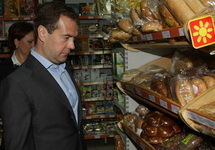
The government extended the food embargo against the United States, EU countries, Canada, Australia and Norway until August 5, 2016. This is stated in the decree signed by Prime Minister Dmitry Medvedev.
The list of prohibited products has not undergone significant changes. The requirements for the import of lactose dairy products are tightened. Now such goods can be imported into Russia only if they are certified as medical and preventive. In addition, the list includes products manufactured using cheese production technologies and containing 1.5 percent or more milk fat.
Fry of trout, young oysters and mussels are excluded from the list. "This will increase the production volumes of aquaculture in demand in the Russian market, as well as organize new fish farms and support the current ones," the government said in a commentary.
“Our farmers asked to maintain a food embargo for these types of products for as long as possible. This is understandable. When we were forced to introduce retaliatory restrictive measures almost a year ago, this step turned out to be quite difficult and sensitive to us, including because of a surge of products for products. At the same time, he gave impulse to all agriculture,” Medvedev commented on the extension of the counter -spances.
On Wednesday, Russian President Vladimir Putin signed a decree on the extension of the food embargo for a year. He instructed the government to quickly prepare and issue an appropriate resolution.
“Everything will be done, Vladimir Vladimirovich. These documents are already in the preparation stage,” Medvedev answered President.
On Monday, Medvedev said that Russia will extend the food embargo for six months in response to the extension of sanctions by the EU. He instructed the head of the government apparatus Sergey Prikhodko to prepare an appeal addressed to the president with a proposal to extend the action of the decree on the introduction of restrictive measures from Russia.
On Monday, the Foreign Minister of the countries of the European Union extended the effect of sanctions against Russia for six months , until January 31, 2016. This was the expected step that was planned in advance. Initially, this was supposed to be done at the EU summit on June 25-26, but then the decision was made to the Foreign Minister . On June 17, the renewal of sanctions approved the Committee of the Permanent Representatives of the EU members .
On June 20, Putin said that the damage to Europe from Russian counter -sanctions introduced in August last year amounted to $ 100 billion.