
Translated material
Veterans of the Korean War
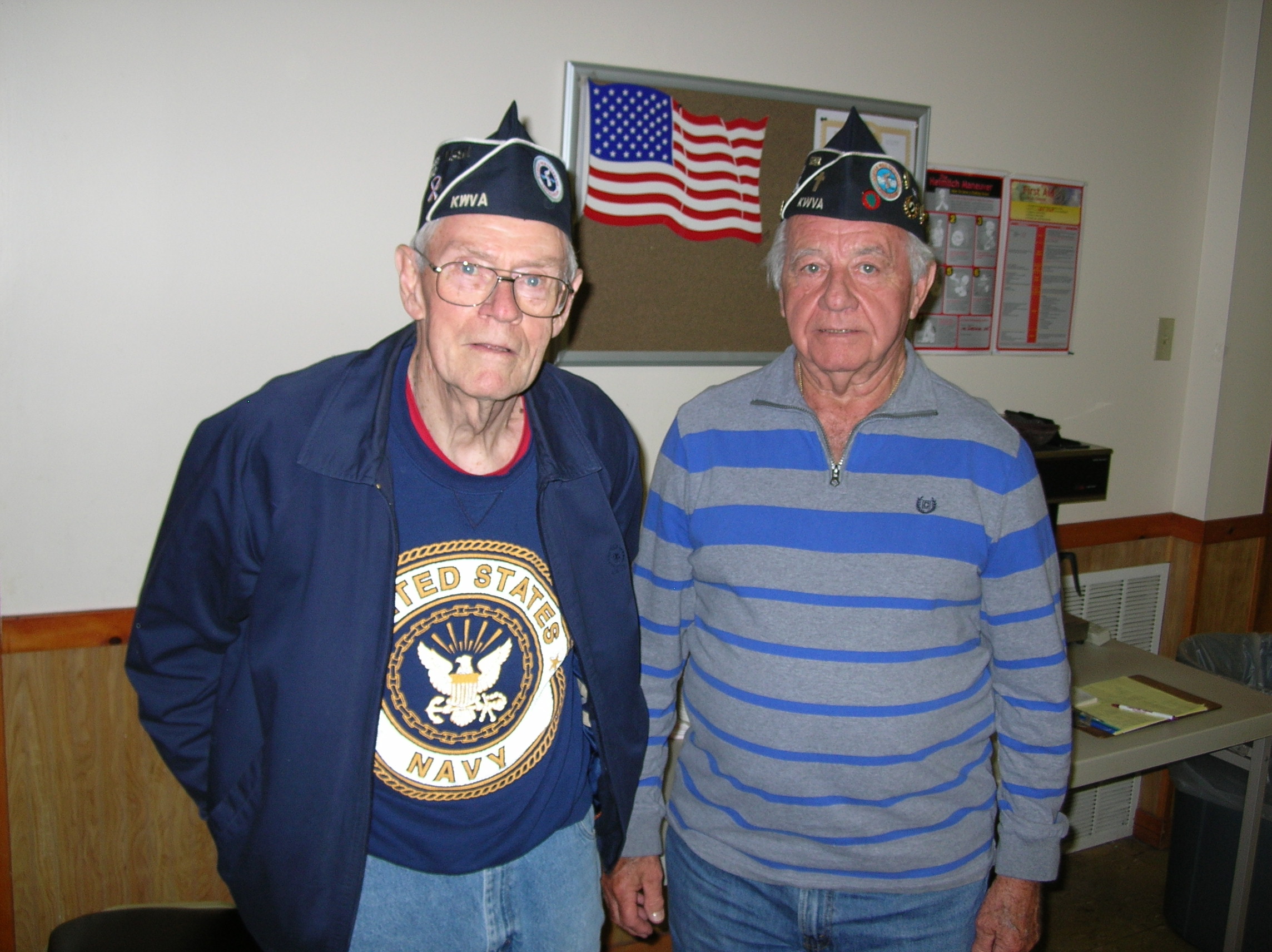
Extraordinary Americans Vladimir Morozov
Alexander Genis: These days are not celebrated too round, but an important anniversary - the 65th anniversary of the beginning of the Korean War. In America, this war is often called forgotten. Meanwhile, as veterans say, America has something to remember. If someday the war could find an excuse, then this is just that case. Half a century ago, the industrial north of the country was incomparably richer than the backward agrarian south. Today, South Korean schoolchildren - traditional winners of all Olympiads - are considered the best in the world. In a country where half a century ago there were no asphalt roads, daring skyscrapers grew. Under the protection of America, the southerners showed an economic miracle and created prosperous democratic country. North Korea, who spent half a century behind an iron curtain, remains a brutal totalitarian power that hungry hunger - already in our time! - Several million of their citizens. When Seoul first went out in the first place in the number of Internet subscribers, Pyongyang decided to reduce the daily diet from three rice flavors to two. Every tenth resident of the peninsula was killed or wounded in the Korean war, but it’s enough for the southerners to look around to see what these victims were made for. This is said by American veterans, with whom Vladimir Morozov is talking.
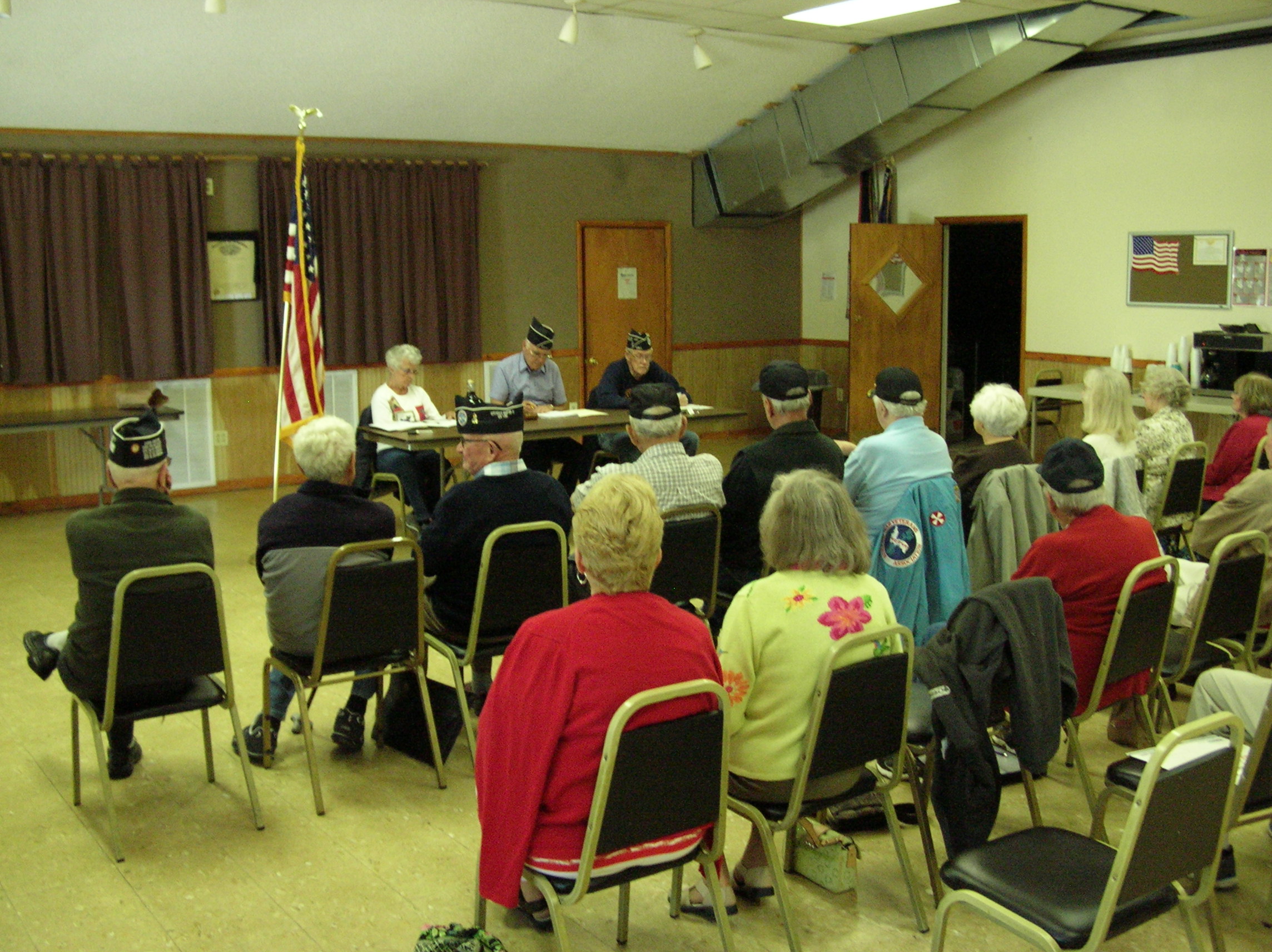
Vladimir Morozov: Equal to the flag! A minute of silence in memory of the dead. A brief prayer ... When many years ago veterans of the Korean war were built in the city of Saratog Springs this house, there was nowhere to fall in the hall of the apple. Now it looks empty. In the forefront, there are a man of 25 old people, in other rows there is no longer a need. On the agenda of the meeting of veterans, buying an open trailer so that it can strengthen the benches in it. It is not easy to go to parades, and no matter how you rely on a stick, you are far from striding. So soon I will hit 90, says Bob Garland, barely walking. But once I was a dashing guy, I have 47 parachute jumps.
Bob Garland: I have been in Korea since 1951. Then the Chinese units, hundreds of thousands of soldiers entered the territory of Korea, they strongly squeezed the Americans. I served in the airborne troops. Speak, they say, elite parts? This is in the sky you are an elite, and on earth - a simple infantry. We, paratroopers, were thrown into the aid at the hottest spots. In one battle, we met with the Chinese foreheads in the forehead, before them, as before the wall. They shot point blank. Then I had nightmares at night. Yes, I fought in Korea and Vietnam. First - ordinary, then a sergeant. I remember there, in Vietnam, we went to the village at night and killed the rebel commanders. South Koreans showed them to us. This is an unpleasant job, I don’t talk a lot about it.
Vladimir Morozov: You know Bob, I say, my father also did not like to talk about the war. He fought with the Nazis in World War II. Infantryman, junior lieutenant. His leg was shot, then in a civilian he learned to hide the lameness. But the bullet hurt some nerve, and the foot did not move very well ... He also did not like to tell anything about the war.
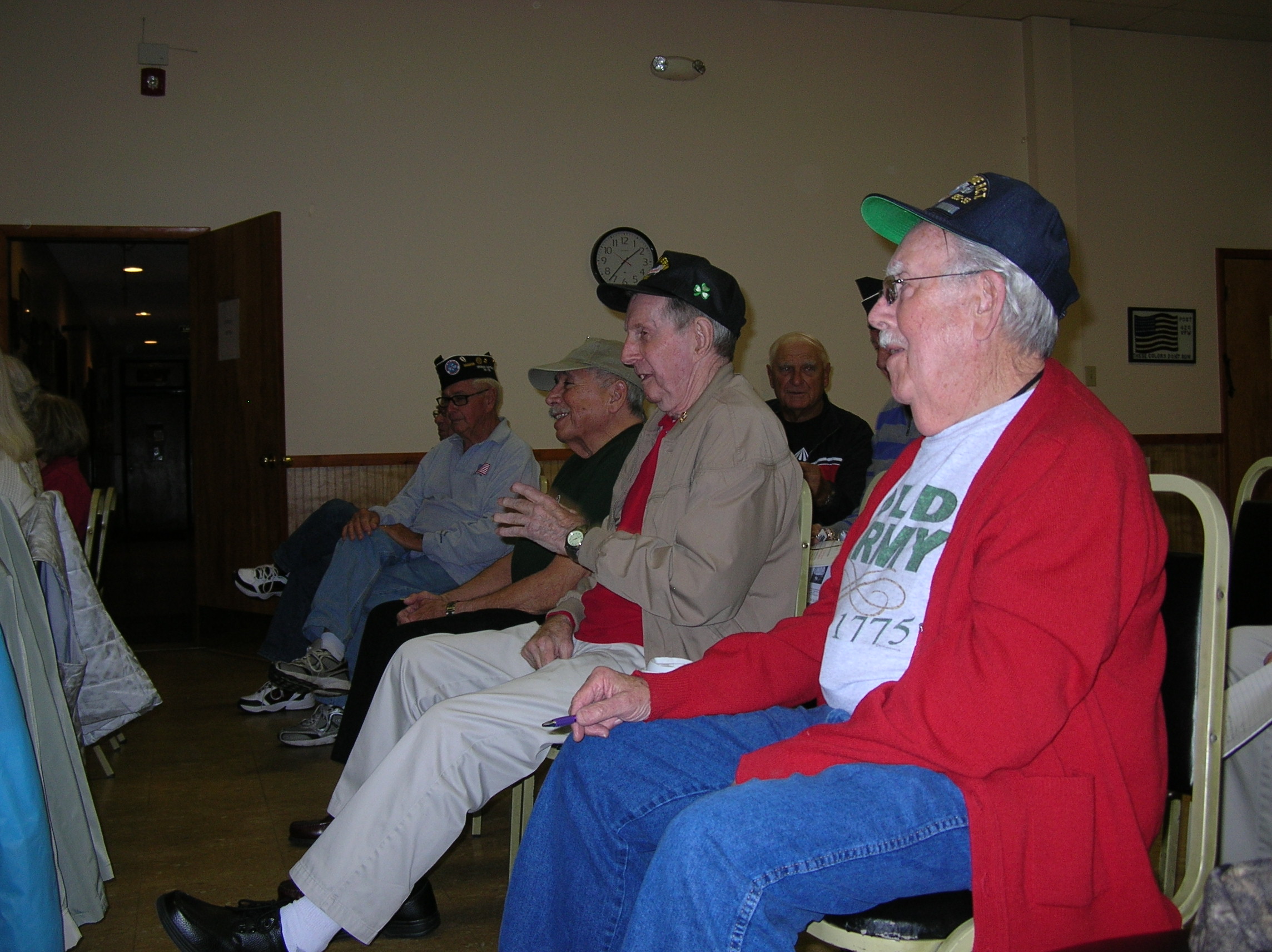
Bob Garland: And my father participated in World War II. He was a chaplain in the Canadian army. We are from Canada. I moved to America in 1950 and I was immediately drafted into the army. The war in Korea went from 1950 to 1953. Yes, I know, some Americans ran away to Canada, fleeing the draft in the army. But it was already much later during the Vietnamese War, which ended only in 1975. And during the Korean, the draftees did not run away anywhere. The attitude to the war has changed. Why? I don't know.
Vladimir Morozov: We talked about other American wars and I said that I did not like the war in Iraq and Afghanistan, which President Bush Jr. began. Yes, I voted for him, but then I was very disappointed in it.
Bob Garland: I do not agree with you. I think that Bush Jr. is a great person and an excellent president. Do not forget that he had to deal with terrorist attacks on September 11, 2001. Such a test falls to the share of far from every leader. And he made the best decision of all possible. So, I like President Bush Jr.
Vladimir Morozov: Korean war. Now those who were lucky enough to get out of there call themselves “Koreans”. The same title has more than 36 thousands of soldiers who died there. In the mountains in Korea, terrible winters, says 83-year-old Paul O'Kif. How could the American infantry survive there?
Paul O`Kif: Many guys froze their fingers on their arms and legs. Then - amputation. Sometimes I had to sleep right in the trenches. Bunkers were built from trees, and it happened that of our dead. Yes, you were not heard, they built from the dead. We often did not have the opportunity to bury them humanly. And at temperatures minus 30-40 degrees, the deceased quickly became stronger than a tree. We made parapets and bunkers from them. Our soldiers and after death protected us from enemy bullets. I understand that this is not very cool, but we did not have a way out.
Vladimir Morozov: Paul, they say that there are no atheists in the trenches. Have you met them?
Paul O`Kif: Yes, I met. There were two such guys in our platoon. They did not particularly flaunt their atheism. But, if they ask them, they bluntly answered that, they say, they would kill everything, the end, there is no afterlife life, so there is nothing to pray. And somehow many of ours were killed in battle. When the enemy was driven away, we, the survivors gathered near the dead to pray. Everyone understood that they could shoot themselves in a couple of hours. And so we began to pray. Those two atheists first stood aside, and then joined us and also prayed for the dead comrades.
Vladimir Morozov: Veteran George Koval came up to me and to my amazement surprisingly purely uttered the word "friend" in Russian.
What other Russian words do you know?
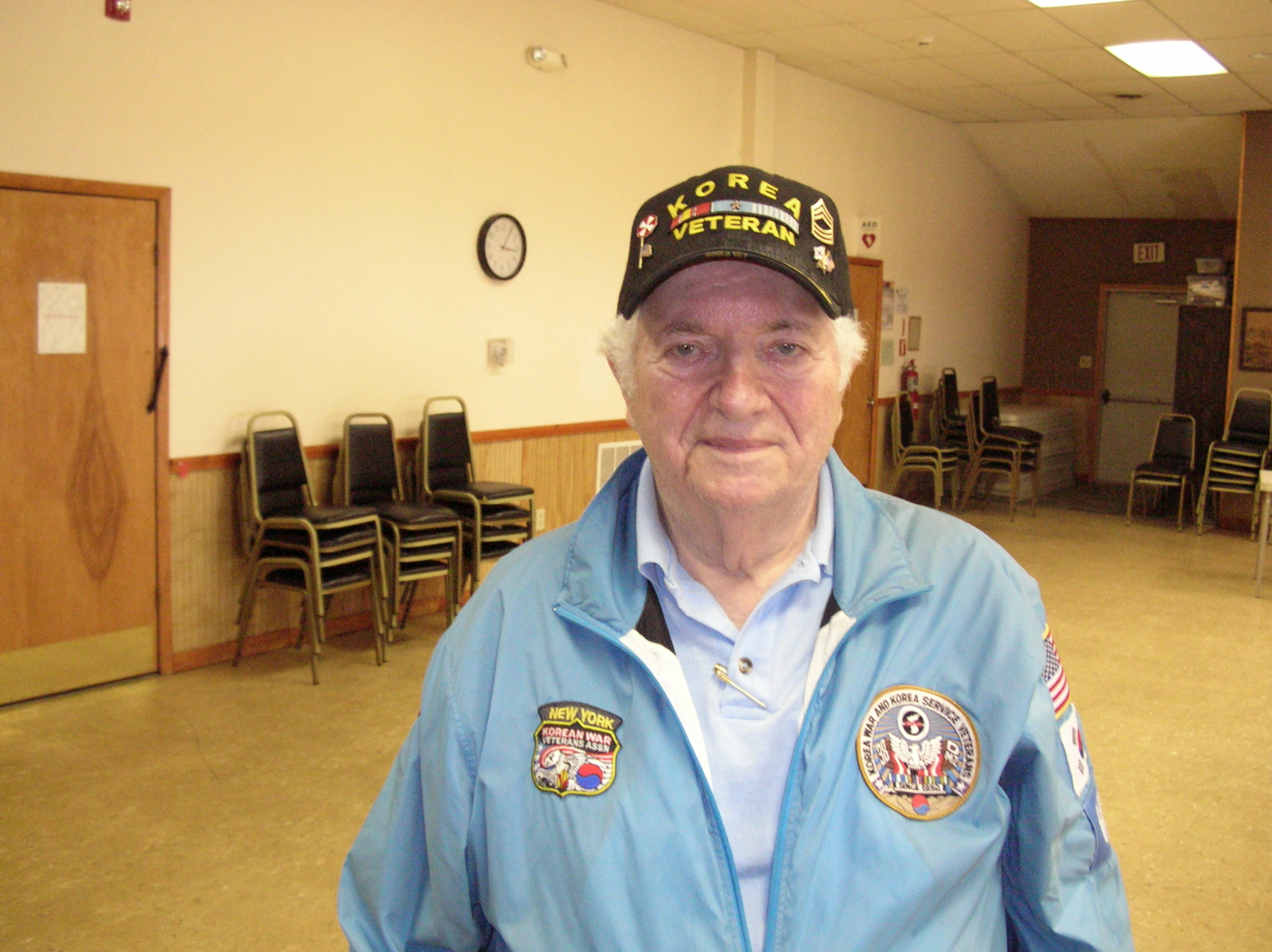
George Koval: Thank you. Friend. Yes, dates. And that's all.
Vladimir Morozov: But it turned out that this is far from all that he knows about Russia.
George Koval: Prokofiev is my favorite composer. Then go Shostakovich, Rachmaninov, Glazunov ... And I am just in love with this Borodin thing ... As it is called, I’m already starting to forget ... Yes, the second symphony ... You have a powerful music school in Russia. Here is my beloved Frenchman Maurice Ravel, he learned a lot from Russians. He worked with Diaghilev, with Nizhinsky. At the request of Russian musicians, Rael made the surroundings to the Mussorgsky “picture from the exhibition”.
Vladimir Morozov: By the call of George, the musician is forged. He played in the Symphony Orchestra in the capital of New York by the city of Albani. But his other profession was fed - a judicial stenographer. George, in what years you were in Korea, in which troops?
George Koval: in 1953. I played a pipe in the orchestra of the eighth army. A few years before, I had polio. So, I have weak legs, and took me only into non -combat troops. Well, at least in non -combatants were accepted. When they put me in a hospital with polio, guys with the same illness lay on both sides of my bed ... They have long been no longer alive.
Vladimir Morozov: Sorry, I say, sorry to ask right in the forehead. But I don’t understand why the Americans won the war in Korea and lost the war in Vietnam?
George Koval: there were political reasons for this. During the Korean War, the White House was strong -willed courageous presidents. First Truman, then Eisenhower. And we had a goal - to protect South Korea from the communist North. And why did we pin the Vietnam? We came there to save the French! It was not our conflict, not our business, which we should not have to meddle. The government did not have a political will to continue the war and there was not enough determination to leave Vietnam Shy-Pozdorov. Half the country opposed the war. Every day, anti -war demonstrations were at the White House. How to win a war when the government has no will, but the population has no desire to fight?!
Vladimir Morozov: Yes, and yet - the Vietnamese war was later and lasted much longer. Could this be the cause of failure?
George Koval: War has a period when the population accepts it. Short period. I'm not talking about the Second World War, which we were drawn into, and America had no choice. But a completely different matter of the war in Vietnam, in Afghanistan, in Iraq. People, that is, taxpayers, those who pay for a war, whose children should fight and risk their lives, if these people do not see any positive results, then they all quickly lose interest in the war, read apatii and irritation. And the war becomes a political disaster.
Vladimir Morozov: Fortunately, my children and grandchildren did not participate in these wars. But, I admit that at the beginning of hostilities in Afghanistan and Iraq, I supported President Bush, who began these wars. But then every week letters began to come with a request to sacrifice money for the soldiers wounded there. I sent small amounts. But you will not get off with money. These are terrible letters, in them are photographs of legless, armless guys. A twenty -year -old boy with an eye knocked out and in a wheelchair, and nearby is the same young wife with a child in her arms. This is a terrible sight! And I thought, and for what they are dying there and cripple ...
George Koval: Firstly, in your place I would not sacrifice money to charitable organizations. These, so to speak, “social activists” duplicate what the Federal Directorate for Veterans does for the wounded. It provides excellent and free treatment, pensions, psychological consultations. Secondly, the leaders of these charitable organizations receive a salary of 300 thousand dollars a year. So, I don’t know what part of your donations goes to the authorities, and which - to help and treat veterans.
Vladimir Morozov: What do you think of the military operations of Americans in Afghanistan?
George Koval: the British could not control Afghanistan, the Russians could not. Where did we get that we can? As soon as we knocked out of Afghanistan the Taliban, we should have left. We are superfluous there. The Americans have nothing to do in Afghanistan. There is also a tribal society. And the tribes are constantly fighting among themselves.
Vladimir Morozov: George Kovow writes his phone for me. Moreover, he does it in an ink -fed truck, which I have not seen for an eternity. Do you write such an ancient fountain pen?
George Koval: This is a silver fountain of Parker, which my wife gave me 50 years ago. I don't like ballpoint pens. When I studied, we used ink -fed cars, and they are more convenient for me. And then - memory. We are married a long time ago. The eldest daughter is soon 60. And in total we have five children, nine grandchildren and five great -grandchildren.
Vladimir Morozov: We touched in conversation and events in Ukraine ...
George Koval: Putin has nothing to do there ... He wants to restore the former Russian-Soviet empire. Do you say that 86 percent of the population of Russia support it? So you know that television is stupid. And with you and us. But the Russians are not fools. And Russia is a civilized country. I do not know what is in Putin’s head. He is from the KGB. Maybe he wants to become the second Stalin. I don't know. But it seems to me that if you approach a Russian person on the street and say, hey, friend, let's drink and talk. It will be a friendly normal conversation.
Vladimir Morozov: Do you think you can hope that someday friendships will be restored between America and Russia?
George Koval: I think it is possible. Because Russian people want it. Maybe politicians have a different opinion, but people themselves are always for peace. Those Russians that I have met, friendly, normal men. They do not want their children to fight. And what parents will want! For example, you would like your children or grandchildren to shoot at some other boys in uniform? No, of course, like any normal person. And no matter how much percent there are Putna today, I am convinced that 100 percent of people do not want their children to go to war.
Vladimir Morozov: ... Equal to the flag. A minute of silence in memory of the dead. The word takes Paul O'Kif. He became the chaplain of this group of veterans of the Korean war recently and is not yet quite confident in himself. Our former chaplain died, Paul O'Kif is justified. And the guys asked me to replace it. I tell them that, they say, where I am, I say something not very folded and I have no religious education. You will be a chaplain and that's it! Well, I began to go to different priests and pastors. They drove me. They taught prayers, I wrote some myself.
Paul O'Kif: God is almighty, thank you for our battle fraternity, for remembering our dead comrades. We pray for you to configure our hearts for love for veterans and all other people. Make us fair, kind and merciful. Help us maintain faith in you and in immortality, without which life loses its meaning and becomes in vain.