
Translated material
Cuban symbolism of Obama
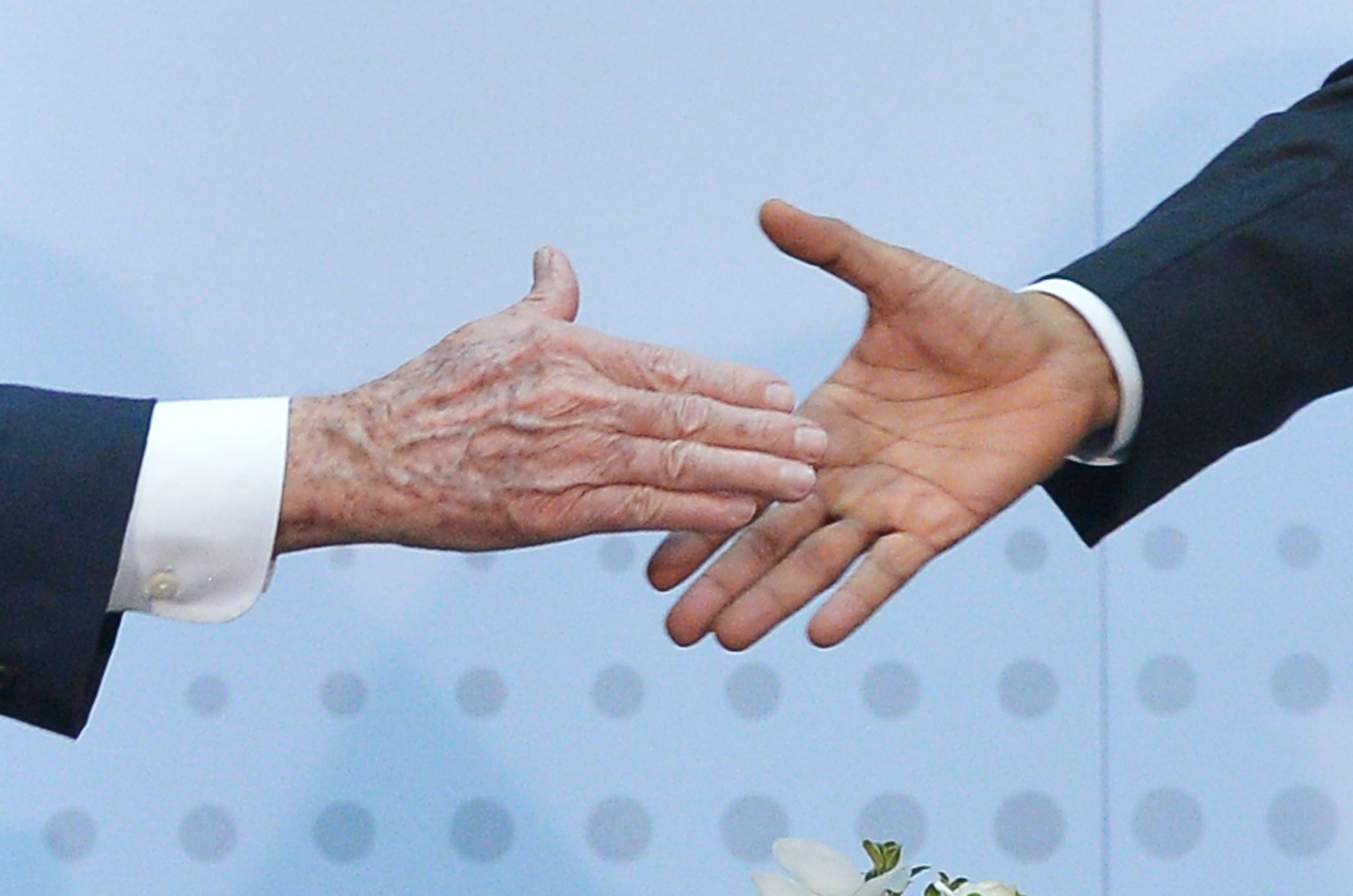
The decision of the US President to exchange embassies with Cuba is subjected to quite serious criticism from many parties
The United States and Cuba announced the discovery of each other's embassies in the capitals a few weeks later, which is an important step towards restoring full -scale diplomatic relations , torn in 1961. The change in the US course regarding Cuba, despite the enthusiasm of the executive branch, however, however, has no unanimous support either in the political establishment or in the expert community of Washington.
US President Barack Obama on Wednesday evening, July 1, went to journalists gathered at the central entrance to the White House, and read out a short statement. The main idea of the President Oblate is almost scientific in terms: “It's time to check an alternative hypothesis,” he said, “that a refusal to confront in relations with an ideological rival is the best way to encourage him to reform and become a responsible player in the international arena.”
" Sometimes we become victims of stereotypes and inertia of thinking. Fifty -four years ago, when America closed its embassy in Havana, no one assumed that the gap would last for so long. I do not want to downplay the disagreement between us, but the policy oriented to the economic and political blockade of Cuba, clearly did not bring the desired result. We need to try new approaches. Restoring new approaches. Diplomatic contacts, we expand the possibilities of influence on the Cuban people, on the socio-economic development of Cuba-which we were deprived, while, to the displeasure of our neighbors in Latin America, we kept Cuba in isolation .
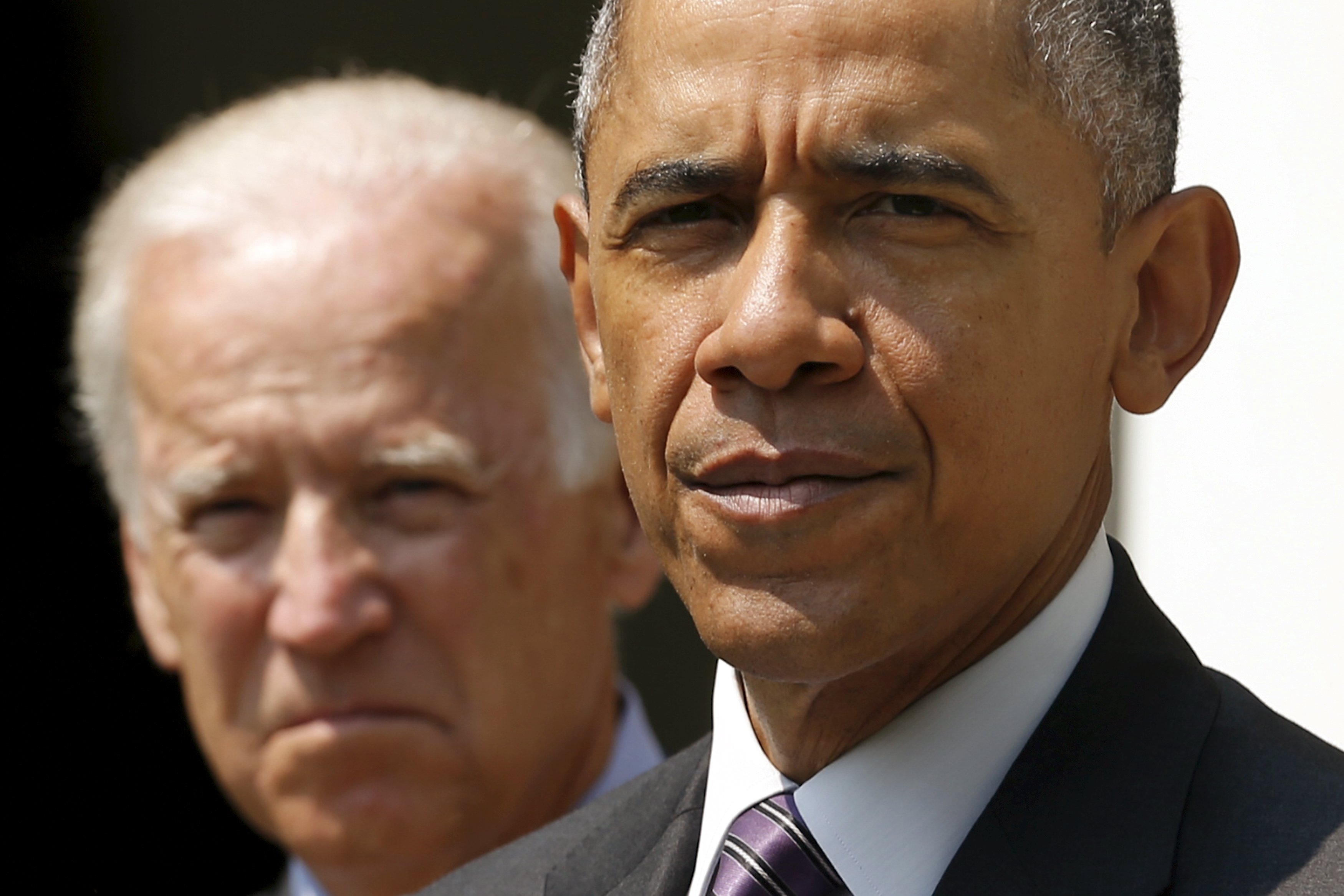
Theodor Pickon , a leading employee of the Bruckings Institute, the main brain center of the Democratic Party, completely supports the "Cuban policy" of the Obama administration:
- In the launch of dialogue with Cuba, I see only pluses. The Obama administration with its bold maneuver eliminated a serious source of irritation in the relations of the United States and Latin America, which has long insisted on the removal of diplomatic and economic blockade from the island. American tourism in Cuba is increasing; Our businessmen do not need to be more afraid to involve the court for attempts to establish business cooperation with the southern neighbor through third countries, since now Havana is officially excluded from the list of sponsors of international terrorism. But direct business ties with Cuba and its eleven million potential consumers of American goods and services still inhibit the current embargo, which can only be canceled by the congress.
Since the US victory in the 1898 Spanish-American War , which led to the fact that Cuba was in the sphere of influence of Washington, all administrations, democratic and republican, jealously made sure that the Southern neighbor "did not leave the given orbit." Therefore, the United States reacted so painfully to the loss of Cuba in 1961 and its transformation into satellite of the USSR, for the one who controls the Cuba is able to actively influence in the event of a crisis or war on the movement of American ships to Europe through the Atlantic or, conversely, their movement through the Panaman channel towards Asia. Geostrategic considerations with the end of the Cold War became less relevant, but geopolitics, oddly enough, appears not so much in the argument of supporters of convergence with Cuba, but in the reasoning of the critics of Barack Obama .
It is they who pay attention to the ideological and political proximity of Havana to anti -American forces in Latin America : Venezuela, Ecuador, Bolivia , as well as to Iran and Alliance Russia - China, from which they conclude that Cuba may well return to their former role in the emerging Cold War 2.0. This, in particular, was said in an interview with Radio Liberty, the former deputy state secretary in the Bush Jr. administration and the former Permanent Representative of the USA in the organization of American states Roger Noriega :
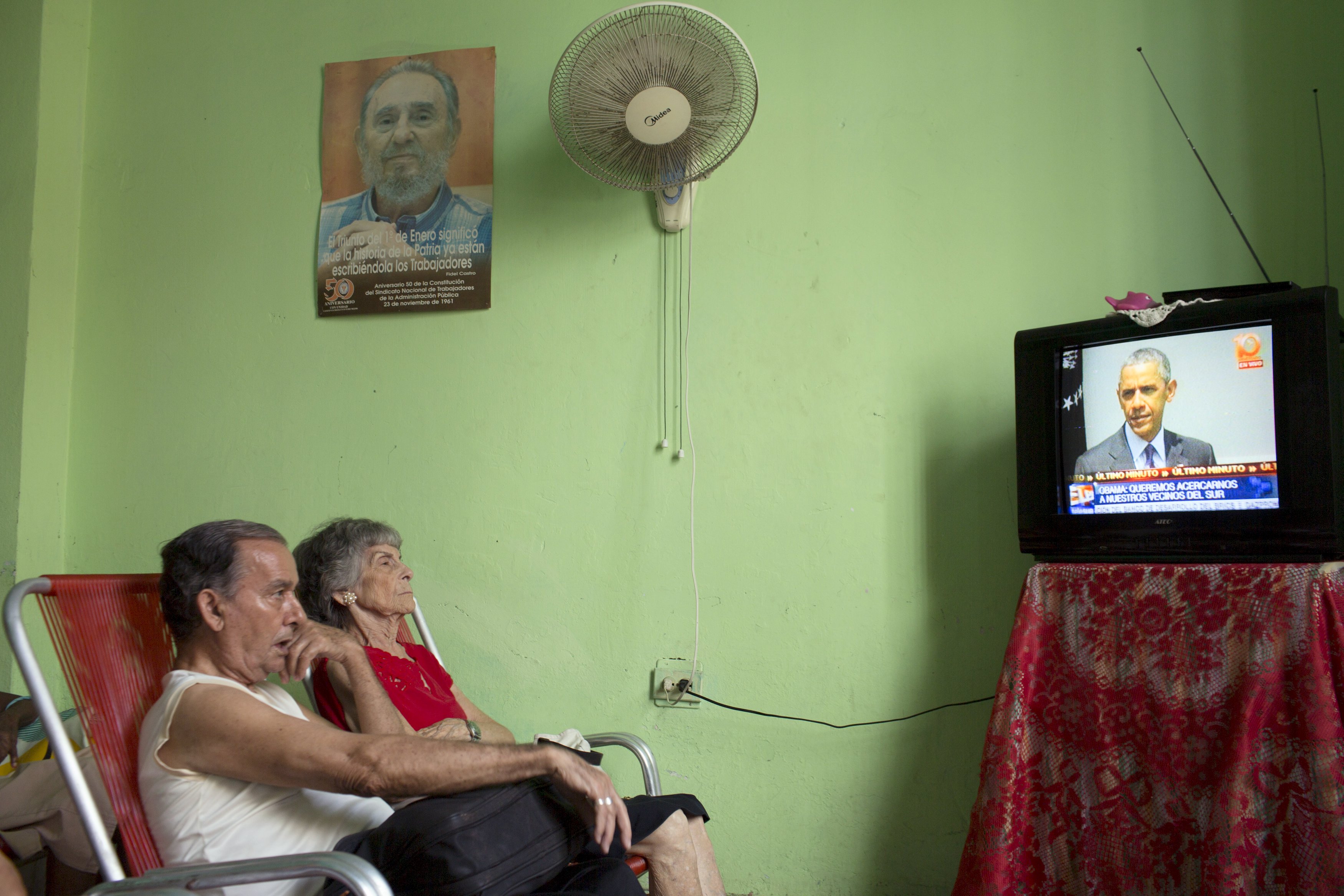
- All this epic with the opening of embassies is to a large extent of self -promotion. A wonderful informational occasion for the president to remind the fellow citizens that they should not be slaves of the past. I agree, but at least we should adhere to the true, and not a fictional picture of the past. Obama claims that the United States closed its embassy in Havana. This is wrong: we were expelled from there! The president casually mentioned, without any specifics, about disagreements with Cuba, not saying anything about how great damage caused us Cuba after 1962 - both in itself and in tandem with the Soviet Union. I am sure that American businessmen are quickly disappointed in business prospects in Cuba as soon as they are faced with the dominance of the island of special services and the military. And what disappointment awaits civil society if Washington gives up the requirements of the Castro brothers and stops radio and television broadcasting to Cuba or support of dissidents through real diplomatic and economic measures, and not just in words.
According to Roger Noriegi, Barack Obama did not achieve any concessions from Havana in exchange for a unilateral abandonment of pressure policies, which for more than half a century had been conducted by ten American administrations. Although objectively Cuba is much more interested in discharge much more than Washington, especially now, during the period of the change of power, which is an Achilles fifth totalitarian regimes, including Kubinsky. At such a moment, guaranteeing the benefits yesterday by a hostile superpower, from which you will be separated by only 90 sea miles, it is extremely important:
- I do not see any concessions from Havana at all. The release of a handful of prisoners accused of espionage in favor of the United States, or dissidents, does not mean anything: these steps can be easily turned back. Like partial liberalization of the order of departure from the country. By concessions, I mean the essential reforms of the decision -making mechanism in the field of politics or economics, on which we could well insist. Or a promise, albeit only formal, but vowel, adhere to neutrality in foreign policy. The cessation of pressure on Cuba, which was supposed to force it to divide the fate of the communist regime of the USSR and its colonies in Eastern Europe, is an undisguised ideological surrender of America.
"Constructive cooperation" is good only when a partner is ready for reforms
We could not even achieve the cancellation of the requirements of Cuba, so that in the future, as now, all the movements of American diplomats around the country were visited no later than twenty -four hours before the appointed date of the trip. As far as I know, there are also no changes in the issue of extradition to the homeland of criminal criminal criminals who found a shelter on the island. It is naive to hope that through the so -called "constructive cooperation" we will achieve more from the totalitarian Cuban regime than through its pressing. "Constructive cooperation" is good only when the partner is ready for reforms, I do not observe the signs of which I do not observe the Havana. Now we actually agreed that the legitimen regime and that we will not really criticize it.
- If, as you say, today there are no objective factors that determine the warming of relations with Cuba, then the change in the course declared by the Obama administration remains only to explain the reasons for the subjective property?
- Yes, the main of which is the indefatigable desire of the left wing of the Democratic Party, which Obama represents, get away from ideological confrontation with anti -American regimes, in particular, Cuban, assigning the main guilt for confrontation precisely on American politics. Hence the topic of the president’s statements that the United States must be free from supposedly obsolete thinking stereotypes. We will close the prison in Guantanamo, eliminate the Navy base there. And at the same time, not a single hint of the mossy consciousness of the Cuban leaders themselves. Or their repression regarding their own people, which in the last two years, despite the negotiations of Washington and Havana, were plenty of.
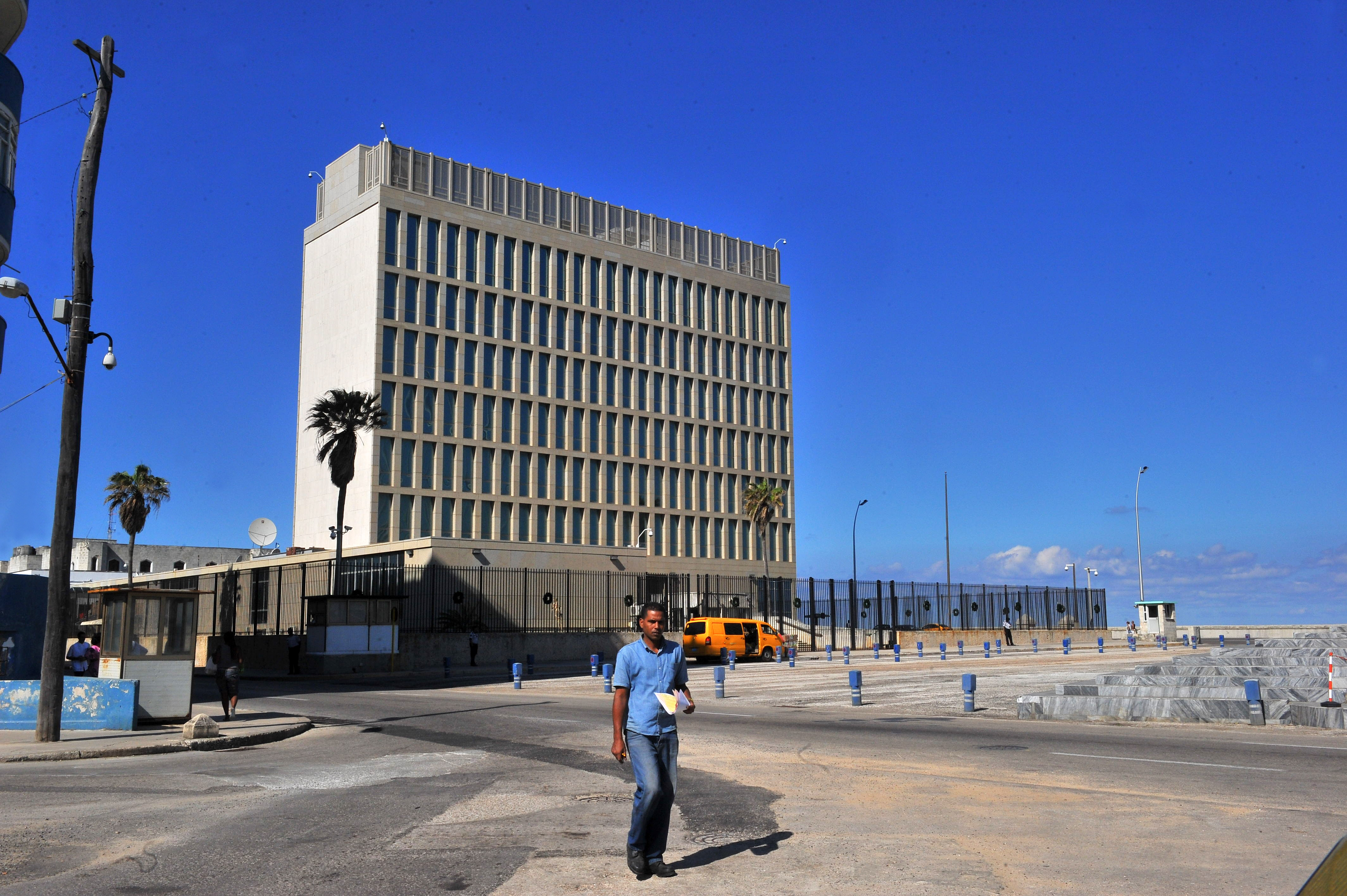
Many people wonder: why did Obama achieve a breakthrough in relations with a Cuba, which his numerous predecessors could not achieve? The answer is simple: and they could have succeeded in this if they had discarded most of the requirements for Cuba, which, decades ago, the overwhelming majority of votes approved Congress! And this consensus in the Congress is still unshakable, and therefore neither the upper nor the lower wards will vote for the abolition of the embargo for trading with Cuba. Or for the provision of funds for the modernization of our embassy. All countries of the Western hemisphere are able to satisfy one or more of the mentioned requirements - with the exception of Cuba. However, the essential achievements, in my opinion, are less important for Obama, within the presidential term, such as the prospect of coming to Havana as a great peacekeeper, shake Castro Castro’s hand and star with him in protocol photography, ”said Roger Norieg, deputy secretary in the Bush Jr. administration and former constant representative of the American states.