
Translated material
Facebook deleted the post of deputy head of Roskomnadzor with the word "Khokhly"
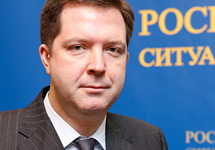
The Facebook administration deleted the post of deputy head of Roskomnadzor Maxim Ksenzov with the word "Khokhly". The official himself reported this on his Facebook account. In the post of July 2, Ksenzov wrote that he was committed to the principles of internationalism, but does not want to be tolerant. “The Soviet people are the Soviet people,” and “crests are sometimes crests,” wrote the deputy head of the RKN.
According to Ksenzov, the post was removed without warning and explanation. “Thrown (from the account. - Ed.), And then they said that the post was deleted,” he explained .
“By the way, I always said that all sorts of resource administrations are much more rigid and cynical, not limited by any framework than any state bodies,” Ksenzov noted . “It’s funny that I was often called a chokhol and in the place of birth and adolescence. The paradox’s irony, however,” the official added (he is from Zaporozhye).
“Other things being equal and other nuances, I would not want unknown citizens of famous countries to forbid the citizens of my country to speak their native language,” Ksenzov wrote in the comments to his post.
Then Ksenzov said that he would leave Facebook at all: “I am deleting an account in FB. I don’t complain absolutely. I am only sad that I can’t read friends ... and also interesting things on excellent resources,” he wrote on Twitter.
At the end of June, Facebook blocked the writer Eduard Bagirov for the use of the expression "Unfortunate crests" for a week. On this occasion, Roskomnadzor turned to the social network administration for clarification. “We turned to Facebook unofficially. We are interested in the motivation for some solutions of social networks related to the application of the Rules regarding Russian users,” Vadim Ampelonsky spokesman Vadim Ampelonsky told Izvestia. “We expect that the application of Facebook rules will be impartial and work equally in relation to any offensive vocabulary that humiliates the national dignity of any people,” he added.
"Слово "хохлы" в такой подаче подпадает под использование таких слов, как "ниггер" и другие, и нарушает правила сообщества", - цитируют "Известия" ответ администрации Facebook на запрос Роскомнадзора по поводу блокировки Багирова.
Ksenzov regularly participates in public discussions on the topic of blocking and freedom of speech, while the official speaks in an informal manner. In December last year, the scandal was caused by his anti -Semitic replica on Twitter .
Meanwhile, the collection of signatures under an online patting against political blocking on Facebook continues. Users from different countries, primarily Ukraine and Russia, demand that the social network be stopped by mass locks on the complaints of the Prochrevsky trolls. "Facebook has turned into an effective tool of the Kremlin," "an obedient tool with which enemies of freedom of speech plug the mouths to disagree," the authors of the petition write.