
Translated material
The Communist Party is not omnipotent
What and why is happening with the Chinese stock market: The Economist
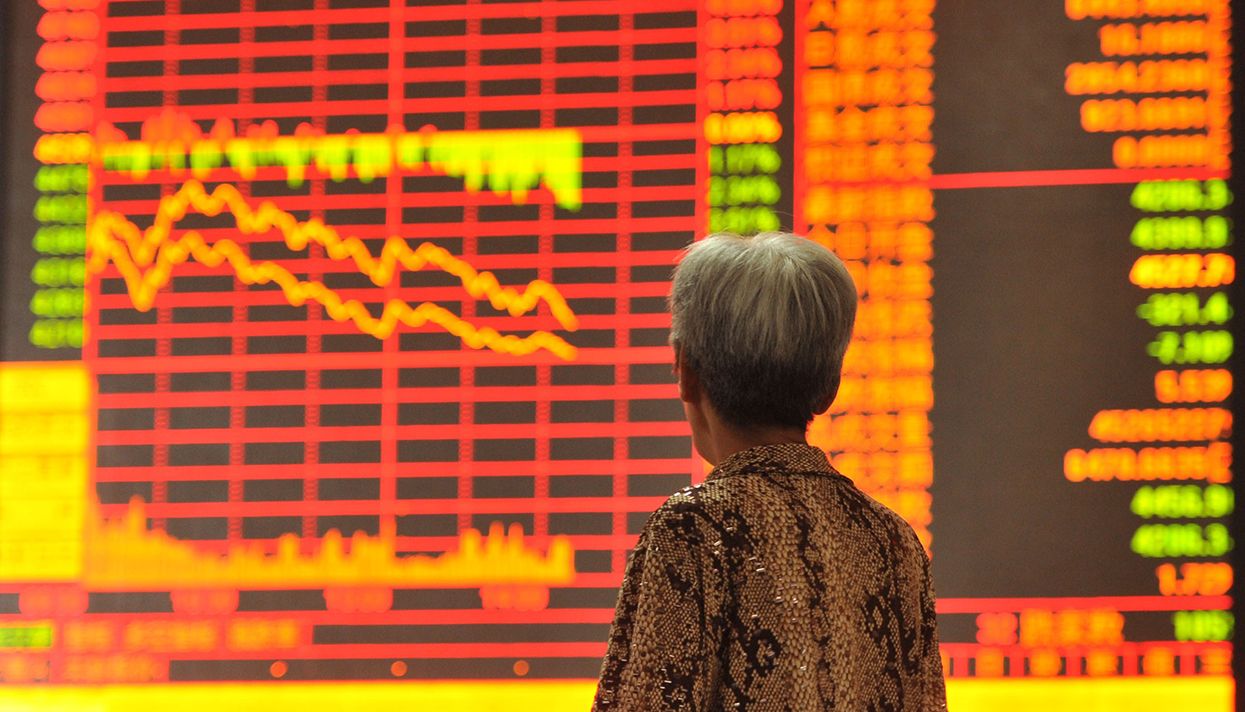
In China, there was a sharp collapse of the stock market. The country's authorities decided to intervene in the situation: they banned transactions in which the investor earns on a fall in shares (“short sales”), limited the trade in a number of securities, canceled the entering the market of new players. This is more like a baseless panic, writes The Economist - and understands what the collapse of the Chinese stock market means and how it will affect the country.
China is far from the first country where the stock market collapse occurred. Usually, after this, the central banks of the countries affected by the collapse of the countries buy shares and reduce interest rates to spur the market and help it recover. China, as it turned out, has his own path, writes The Economist.
The collapse, although it turned out to be significant (the stock market hit a third over the past month), but in fact it is only a rollback. Now the main Chinese CSI 300 Chinese index is located at the level of March 2015 and shows 80 percent growth compared to last year. In some sectors (for example, in the banking sector), the situation remains calm, and the expected correction of over -ceity assets with a stretch justifies the adopted prohibitions on IPO and “short sales”.
In reasoning about the causes of stock collapse in China, one fact is often lost - in the Chinese economy, the securities market plays a surprisingly small role, writes The Economist. The volume of the market is only a third of the annual GDP, while in developed countries it exceeds 100 percent. 15 percent of the accumulation of citizens are invested in the securities market, so the collapse practically does not affect consumption.
If the economy is not at risk, where then panic from? The most logical explanation lies in politics, the article of the British Economic Journal said. The Chinese authorities created around the securities market the image of prestige and well -being and promoted its success as a reflection of the economic reforms of Xi Jinping. The sudden end of growth threatened the image of the authorities, and they began to panic, try to give the market stability, but instead only weakened it with excessively tough measures.
The Communist Party, despite its apparent power, cannot endlessly subjugate the markets to itself. Chinese leaders must learn this lesson and follow the path of liberalization of the economy. The rollback to the economy controlled by the state is not what China will throw back back. He simply will not work (English.).