
Translated material
The gendarme on vacation
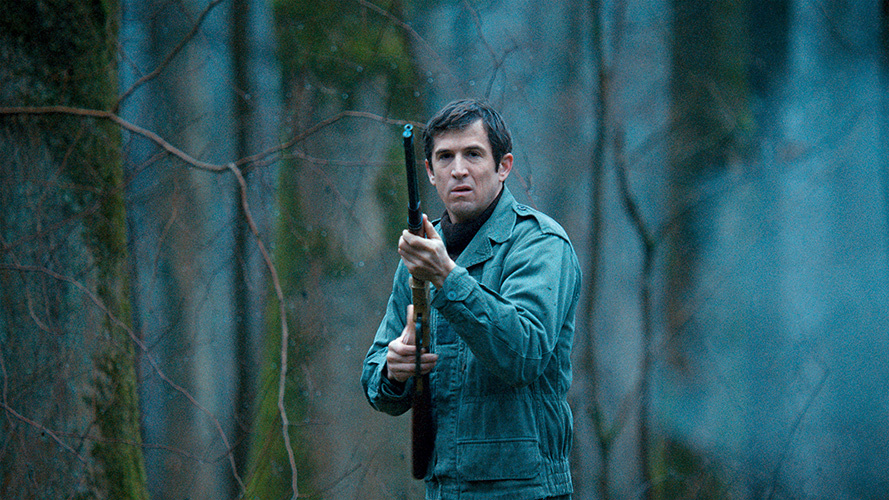
The city is watery with rain, the city breaks up into the blue-green windows of the cafe, nasty wet sidewalks and dark alleys, where indecency is teeming, the city of unwell. It is better to live in the forest. Crawl along the fragrant foliage, run between the trees, relax on mossy fallen trunks, listen to a sonorous echo from shots on bottles, and then, sitting in the lotus pose, is silence. It’s good to spend the night in a clearing, wrapping in a bag, looking at the stars in anticipation of a reindeer herd, silently passing on a watering water. It is also nice to hang the windows of the room with blankets, put a tent in the corner, put around canned food mixed with grenades and all kinds of small arms and watch television programs about the army. You can still go outside, hijack the huge, which were done only in the 70s, sedan and ride in the ugly night city, tracking lonely girls. Press them with a car, and then finish off a pistol. This is, however, it’s not so cool - sticky blood dirty everything around, the lump rolls to the throat, and worms spreading into balls, smeared along the windshield, ring, unpleasant.
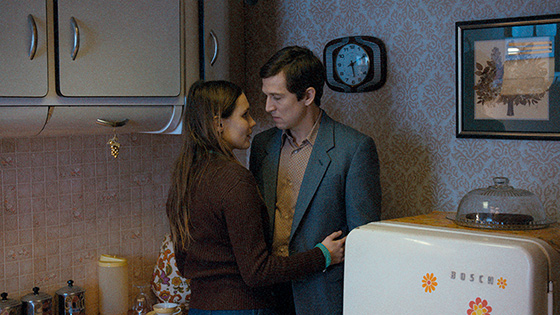
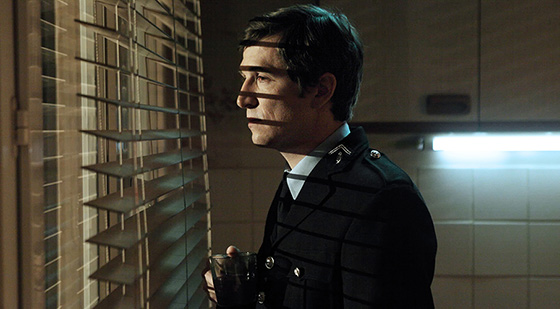
The new film by Cedric Angei, the former critic of Kaye Du Cinema, who began with scripts for Xavier Bovois (however, “new” here is completely superfluous-who saw his “old” films in Russia, gray-strict “polar” about killers and lawyers?), This is a sad lyrical picture of the uncomfortable world of the gender of the city Lance. The gendarme Frank Newart is a quiet, reasonable bachelor of a subtle mental organization (Guillaume Kane, carefully trying on the role of Laurent Luke and Mark Barbe), a sensitive policeman, an extra person who discovered all the charms of transgression. He is a hunter, but in the film only high school students kills, apparently stopping them halfway from the world of nature and naturalness to anthropogenic blood pressure. These subtle and not very articulated motives have been added and, so to speak, professional pride: Frank really wants to take place - both as an employee and as a serial killer. The ambitions are tiring: with his right hand he writes reports on the translation, and with his left - thorough reports on his mournful affairs and sends them to himself, to the gendarmerie. Car numbers and brands, accurate dates, key details - you can’t drink professionalism.
 © Mars Distribution
But alcohol is powerless and against suffering. “Next time I will shoot in my heart,” Frank promises in his estate letters; He himself has a pain and emptiness in the place of his heart. Angei is not very interesting to the genesis of the antihero - how did it happen and what was there before the gendarmerie in the boring Lance (Algeria, a foreign legion or simply unfulfilled dreams?), History in the Hollywood sense is not important to him at all. The chronological sequence of actions of the crazy gendarme - from the first victim to the arrest - reluctantly develops into a narrative with the beginning, middle, end, exposure, climax and rotary points. The world in the eyes of the paranoid rots, breaks up, loses its connectedness. He also loses the narrative connectivity and plot of Angea, the director of the battery, unobtrusively, but confidently dividing the story into Mizancens paintings, surprisingly solid and self-sufficient.
Here Frank goes to some Polina, who hung an ad in the male toilet of the bar, instead of a prostitute in a musty and baroque, as from a solemn Italo-Horror, an apartment is a ridiculous old man-synephil, under the sequencing of a distraught Canary for the third time, revising Borzegiga on TV. So he, unsuccessfully, shooting another high school student (everything goes in the real perversion, everything ends with troubles and shameful embarrassment), runs from the pursuers through a bucolic, covered in frozen forest. Nature loves and saves the murderer, the murderer: the cold drives the raid away, the ice river hides traces, the demonic black and scarlet sunset grinks after the capital police.
 © Mars Distribution
Angea gives the protagonist a large advance sensitivity (a housekeeper in love with Frank all the time calls him a genital - he is offended by a child), and the camera here escorts with special sensuality both a lonely, thought -out woman in the window of the funeral bureau, and ink clouds in the December sky, a grass and a sheet. The Glaz camera, not always, technically speaking, subjective, but always, poetically speaking, animated, with great stoicism looks at hairy chandeliers and elegant curtains in the houses of “civilians”, at their stupid, vulgar faces, at a fly crouching on the naked chest of a sleeping nearby woman. The “heart” is generally not so much a conventional thriller as the history of the disease, the introspective portrait of a rather cute guy from the birth of a guy, whose minds are fatally and irreversibly confused by tourism and terrorism, police and thieves, sex and violence, beauty and nausea. Yes, it is not easy for a person, but even worse - to feel him.