
Translated material
Six more countries joined the sanctions against Russia
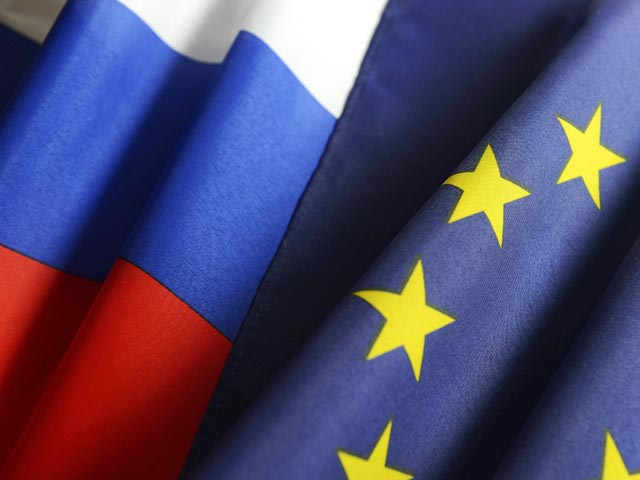
Six more countries joined economic sanctions against Russia. Among them were Montenegro, Albania, Iceland, Liechtenstein, Norway and Ukraine. We are talking about sanctions that were extended by the European Union on June 22, 2015.
As stated in the statement of the head of the EU diplomacy Federica Mogherini, Candidate countries to the EU Montenegro and Albania, as well as members of the European Free Trade Association of Iceland, Liechtenstein and Norway, members of the European Economic Zone, as well as Ukraine join these measures.
In the near future, according to the document, the authorities of all six countries will have to ensure the compliance of their national policy by the decision of the Council of the European Union. It is also noted in the press release that the EU took into account the obligation of countries and welcomes it.
In the second half of June in Brussels, they vividly discussed the project to extend sanctions against the Russian Federation. It was finally accepted on the 22nd. "The EU extended economic sanctions against Russia until January 31, 2016 in order to fulfill the Minsk agreements by it," said Suzan Kififer, a representative of the foreign policy of the European Union.
Prior to this, on June 17, a consensus was reached between 28 EU member states on the extension of sanctions. Back in March 2015, at the European Union summit, it was decided to maintain restrictive measures against the Russian Federation until the peace plan in Ukraine is fully implemented.
In the Kremlin, then the sanctions reacted calmly. According to the head of the Presidential Administration Sergey Ivanov, the actions of the EU among the country's leadership were not surprising. “It surprises you? Unfortunately, I have been gone for a long time,” he answered the question of journalists about the extension of restrictive measures against Russia.
Sanctions in the energy, defense and financial sectors were introduced in July 2014 for a period of one year as a response to the accession of Crimea to the Russian Federation and the support of Moscow separatists in the southeast of Ukraine. These measures of the EU imply restrictions on the financing of large Russian banks, prohibit the export of high -tech equipment in the field of energy, as well as the sale of weapons and some types of civilian military goods.
An additional black list , which is valid until September 15, concerns the freezing of assets and introduces a ban on entering the EU countries for more than 150 people and approximately 37 companies and organizations that are accused of destabilizing the situation in Ukraine in the European Union. In response to this, Russia introduced an economic embargo to a number of products from the EU member countries, the USA, Australia, Canada and Norway.