
Translated material
Stuffiness in front of a thunderstorm
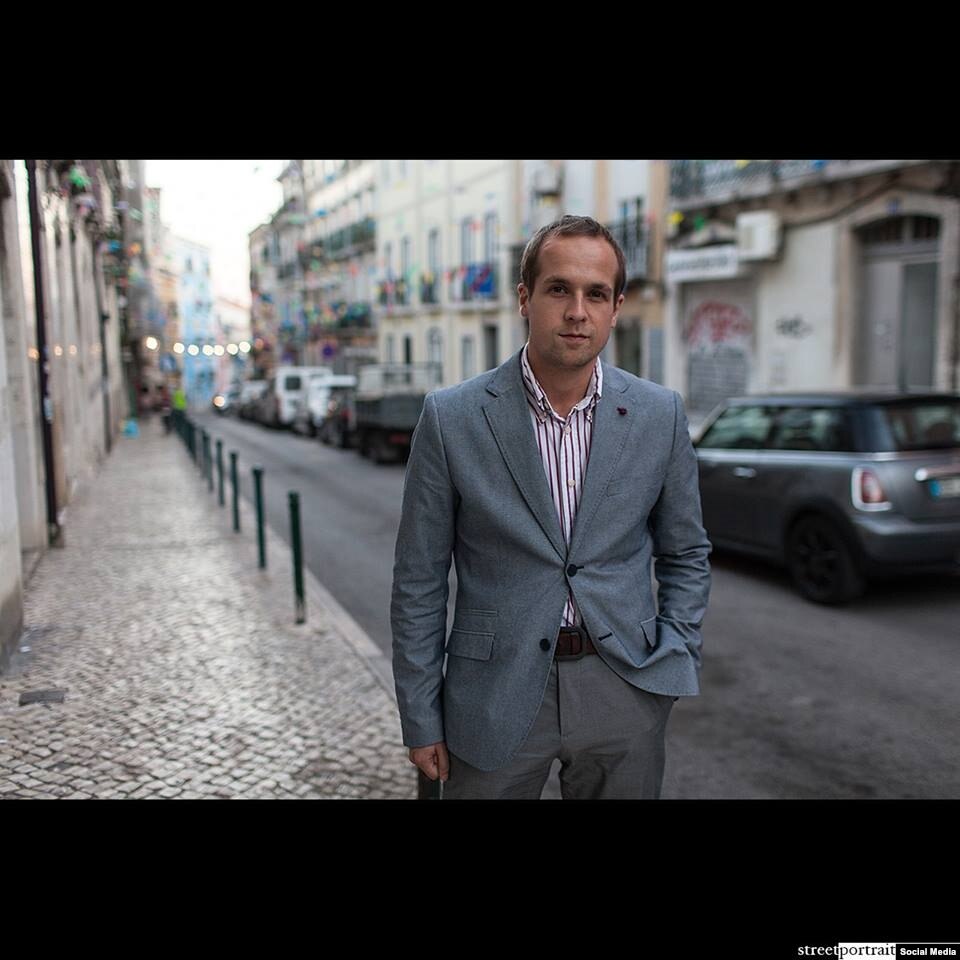
Parnas activist Pavel Elizarov - About life in Portugal and about democracy in Russia
PARNAS PARNAS activist 29-year-old Pavel Elizarov left Russia before the massive wave of emigration that began after the accession of Crimea in the summer of 2012, due to fears arrested as part of the "swamp business". The activist lived in Mozambique for a year, after which he received a political asylum in Portugal, where he lives now. Being outside of Russia, Pavel Elizarov created a site dedicated to the defendants in the “swamp business”, and now plans to organize a cultural center that would help coordinate the actions of Russian people living in Portugal, who would like to monitor Russian political life and be able to participate indirectly in it.
In an interview with Radio, Freedom Pavel Elizarov talked about how he began to do business in Mozambique, how he settled down in Portugal and why Russia will sooner or later become a democratic country, respecting human rights and freedom:
- The other day it turned three years old as I left. It was the end of July 2012. I made the decision in one day, there was no special time for fees. It all started in June, when there were the first arrests in the "swamp business" . Then they also came to me with searches. I was abroad then, my sister told me. Then I still decided to return to Russia, participated further in demonstrations, but already lived in the apartments of friends and relatives, realizing that in some form I participate in the "swamp business". I was not sure that I was the accused, but then I realized that they most likely wanted to attract me first as a witness, and then turn me into the accused. The last straw was that the police began to come to the addresses where I lived, apparently, they somehow calculated, on duty at the entrances. Then I realized that they had seriously undertook, and decided to leave. My friends finally convinced me that I need to leave at least for a while and see what was happening. I thought that I would leave for a while, I did not even take warm things with me. I left for Ukraine, I thought I would wait two months, look and return, but it turned out differently.
- From Ukraine you left for traveling in Africa, to Mozambique, and delayed there for almost a year. Why did you decide to go there? What did you do there?
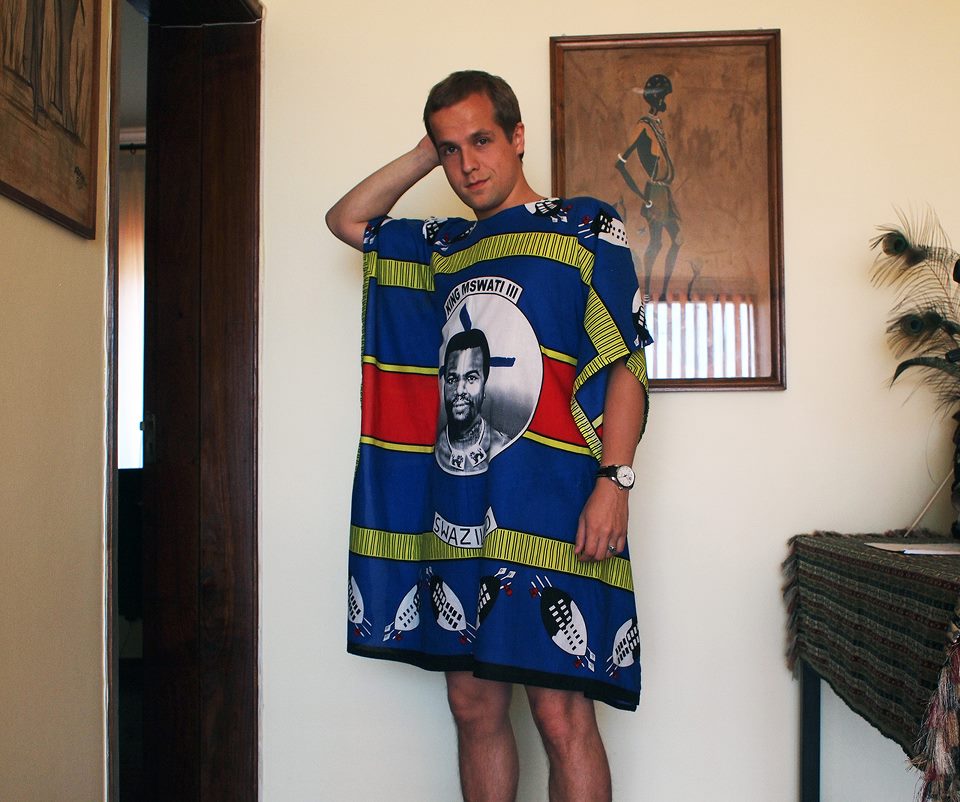
- I lived in Mozambique for a year. It was not quite a journey. I had friends who advised me to come, because there are good prospects for business, big investments. In the north of the country they found natural gas, new companies were constantly opening. And I, as an Internet specialist, decided to try to open my business there. I registered the company, everything went well, there were customers, but there were problems with the documents. The reverse side of this popularity among foreigners is that the authorities began to limit immigration. I was asked for a bribe in order to get a residence permit for a year. I decided that this was still not my way, and went to Portugal. Africa, of course, made a great impression on me, I learned a lot of new things, I saw the life of people who earn a mosambic on average $ 100 a month. These are those who have work, and 80% of the population do not have work, they somehow hunt, find something, dodge.
- In general, of course, Mozambique does not give the impression of the country where you can go to do business ...
- Indeed, until recently it was an inappropriate country for such a goal. But recently, the Mozambique government has taken such steps in this direction that it was very simple to register the company. I did not speak Portuguese (Mozambique was a colony of Portugal until 1975.-RS) , and officials there are not English, but I was able to bypass all state offices myself, was able to register the company and do my job. Now investments come there, and this gives serious development.
“But then you left there to Portugal.” Did you consciously choose this country and went to receive political asylum?
I thought I would leave for a while, I did not even take warm things with me
- I realized that with tourist and working visas I could not travel around the world for a long time. I wanted a more clear prospect for the future, because I realized that in the near future it would be difficult to return to Russia. I chose Portugal, because it was a member of the European Union, and the European Union issued several statements about the “swamp business”, they were concerned about it, and I knew that this would help me in obtaining shelter. There are quite loyal laws. Even if you are just waiting for the decision, you are not kept in the camp. They give you a temporary residence permit, and while you are waiting for a decision, you can travel around the European Union, you have the right to work, unlike, for example, from the northern countries of Europe. In addition, there are very few people who ask for asylum, so two years ago I thought it would also increase my chances. In Mozambique, I learned Portuguese, and this is also one of the factors. In addition, the climate is good here. I really liked in Africa, there is an eternal summer, and in Portugal, compared to other European countries, the climate is softer and warmer.
- How hard was it for you to get in Portugal, make new acquaintances?
- The first year I lived in the port. I received a benefit of 150 euros per month, did not work. He had several freelance projects. I am a site developer, designer. He taught a little. Gradually, through the owners of the apartments that I rented, I found friends. But in this regard, the Portuguese are not very good. The integration of immigrants and those who received political asylum is worse here than in neighboring Spain or Italy. I did not live there, but talked with friends who say that in Spain they already feel the Spaniards in a year, find friends. The Portuguese, of course, are more closed. A year later, I found a job in Lisbon, and now I work in a bank. Here communication is easier, it is still the capital, there are many migrants. I already have friends here, both among the Russians and among the Portuguese.
- What did you do in Moscow? Since 2008, you have been an activist of "solidarity", then Parnas. How significant part of your Moscow life did political activity, activism occupy?
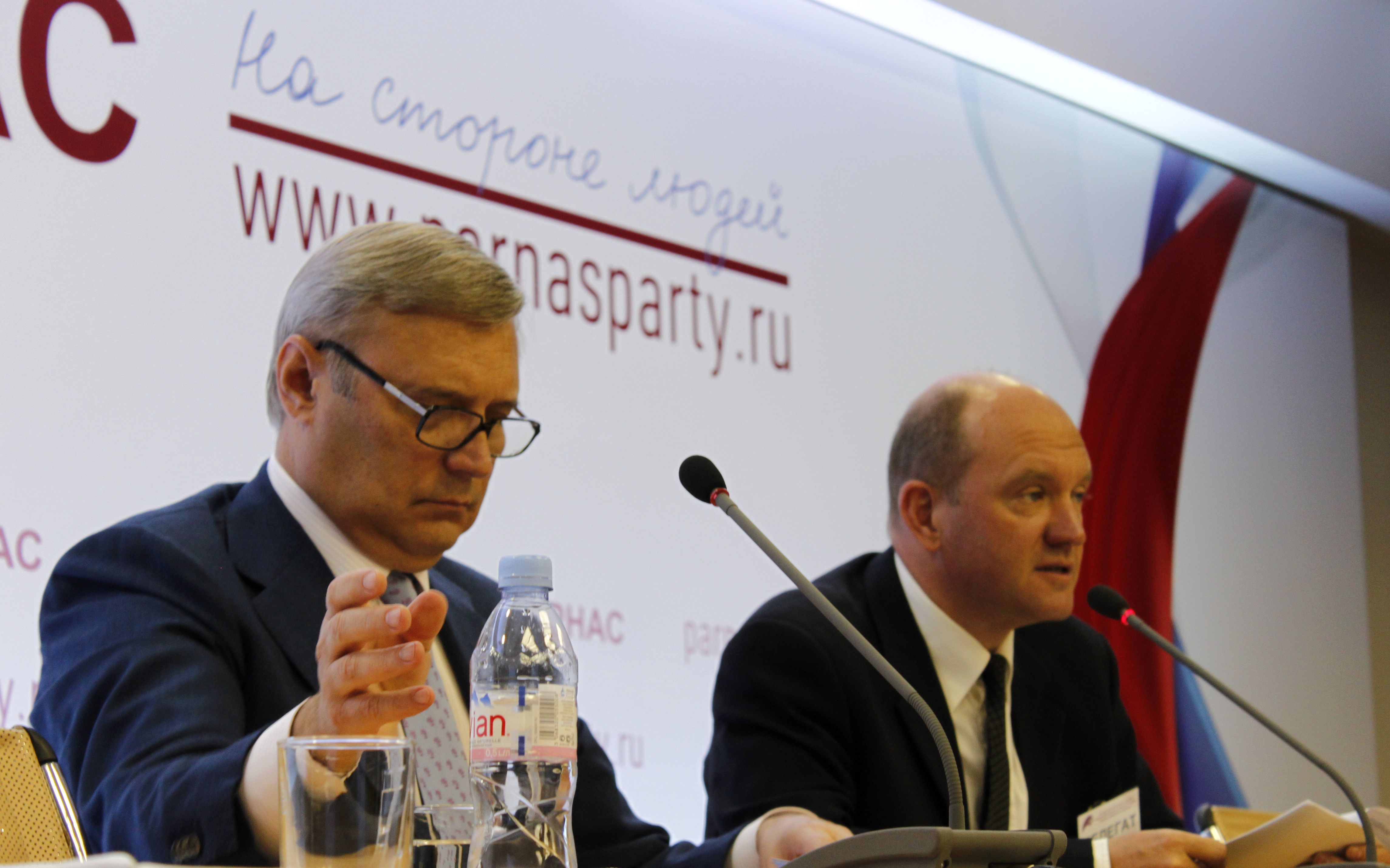
- In Moscow, as a rule, I worked full time as a project manager that are associated with IT and the Internet. In fact, political activity occupied my free time, although until recently I was a member of the Parnassus Political Council. Even here, in Portugal, I managed to participate in Skype in the meetings of the political council. Only at the last congress I did not exhibit my candidacy, because it is clear that after all, it is much more difficult to actively participate from abroad. I was engaged in Internet projects in Solidarity and Parnassus. We had many projects with Boris Nemtsov, but still it was not my main activity. I really respect people who completely devote themselves to opposition activities in Russia, because it is very difficult. In material terms, this is not always profitable, and usually, besides problems, people do not get anything from this. But I think that you need to do this.
- How much do you manage to monitor what is happening in Russia now? Do you see some opportunities for those activists who left Russia, but want to continue to participate in the life of this country, some options?
Russia is a European country, and our culture is built into the European one, despite all kinds of statements and political programs
- There is an Internet that the Russian authorities have not yet banned, so I and my friends who also left Russia continue to actively participate online. In this sense, I do not even feel that I fell out of context. In the informational plan, I still live in Russia. Of course, there are much fewer opportunities to participate. I am now worried about my friends from Parnassus , who are trying to participate in elections, who are now huge problems. They are put in jail, not allowed for elections, delayed for no reason. If I were there, I would actively help them. My friends and I are now considering a project of a cultural center that would follow a socio-political agenda. To begin with, maybe in Portugal, then - maybe throughout Europe, so that people can participate not only online, but also arrange events to coordinate the actions of those who want to actively participate, but cannot, because they had to leave Russia. When I just arrived, it seemed to me that our people did not want any political events abroad, do not want to meet with other Russians, want to move away from this and integrate into local life. It turned out that no, it turned out that many worry and want to participate, but could not find options. For example, many want to make donations from the Russian opposition, to gather. Ukrainians already have a long -term community that allows them to take events. They constantly have some Maidans, pickets, rallies. And with those who are from Russia, yet it does not work. Need someone who will organize all this.
Now the Soviet government is partly returned due to the fact that there was no trial over the Soviet Union
- How much are the locals are interested in what is happening in Russia, I ask you, why did you leave?
- If we talk about the Portuguese, this is a closed people. I think this has gone since the time of the local dictator Salazar, who tried to close the country as much as possible, so that there were fewer imported goods, so that people would leave less, and it is still felt. But they are already built into the global world and interest in what is happening. Events in Ukraine were constantly on TV. And my friends, when they come, complain that when the locals find out that they are from Russia, they begin to impose them about Putin how they relate to him, how they allow it, etc.
- Despite the dictatorial past of Portugal, you wrote in your blog that "individual freedom of the Portuguese in the blood." From your point of view, this is possible in Russia that human freedoms and human rights begin to value?
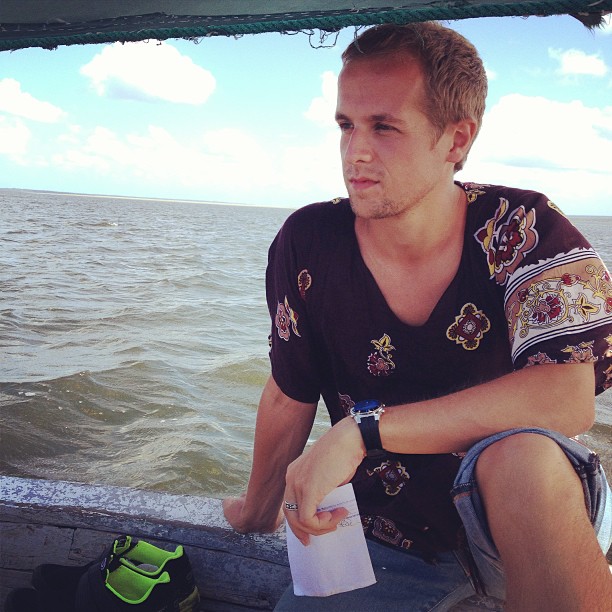
- I think this is inevitable. The only question is how much time such a transition will take. Russia is a European country, and our culture is built into the European one, despite all kinds of statements and political programs. While here, I see that the Europeans with whom I live, work and communicate, are the same Europeans as in Russia. If we talk about political freedoms, then in the 90s Russia took a big step, but simply could not hold it. Now the Soviet government is returning partly due to the fact that there was no trial over the Soviet Union, there was a huge number of crimes that remained unpunished. But in the future, I think this is inevitable. A person living in Russia also understands and sees on the example of countries that called themselves communist, but in fact they were dictatorial, the standard of living in North Korea and Cuba, and the standard of living in Western countries, where they respect human rights, where a free market, honest elections, and free press. Cuba is now also transformed, so there are fewer countries with dictatorial regimes. I think that Russia will also have to correspond to the democratic system.
- But so far the next prospects do not look very rosy from the inside, given what is happening in domestic politics and in the external one. From your point of view, are there any prospects in the near future?
I grew up in Russia, was surrounded by Russian people with a beautiful soul, I just do not believe that the country can bristle against the whole world
- At least I remain in the Russian information space, it is difficult for me to evaluate the atmosphere. My friends who come to visit, say that in particular in Moscow, an atmosphere of tension is felt, some compare it with stuffiness in front of a thunderstorm. Sooner or later, this will happen, but I hope that this thunderstorm will be a slight rain that will wash this regime. I do not believe that a Russian person is inclined to such hatred for the whole world. I grew up in Russia, was surrounded by Russian people with a beautiful soul, I just do not believe that the country can bristle against the whole world. I think this is some kind of clouding that will pass soon.
- You left three years ago, to the Crimea, before the murder of Nemtsov, after which mass emigration began. What do you think, if the "swamp business" had not hung over you then, now you would be in Russia or, after all subsequent events, would you still have left?
- If there was no direct threat to sit in prison, I, of course, would not go anywhere. Every year I made plans to return to Russia. Last year, I thought I could return: there was an amnesty in the "swamp business", I thought that all this was ending, but new detainees appeared, new things. And apparently, until 2022, when the statute of limitations in the "swamp business" ends, it will be difficult to return if the situation does not change sharply. I really miss Moscow, my relatives and friends live there. And I connect my future, of course, with Russia. Before the events with Ukraine, I did not believe that sanctions against Russia could help democratic transformation. It seemed to me that if the Russian opposition would advocate sanctions, then the people's attitude to the opposition would not be better. But now I see that Russia is becoming just a threat to the world. After the events in Ukraine, after the confused Boeing, I see that the sanctions must be imposed. This is very scary. But I see that there is no other way out.
- But on the other hand, Russia introduces retaliatory counter -sanctions and makes it worse for itself?
- In Europe, these counter -sanctions, of course, are not noticeable. Some fruit manufacturers, of course, suffered, but this did not affect the standard of living. Prices have fallen a little. Even in the distant Portugal, which does not have many relations with Russia, this is visible. So throughout Europe. These, of course, are dubious actions that have struck the pockets and refrigerators of ordinary Russians.
- But thanks to propaganda, many Russians think that it is for them for the good. Do you think this propaganda can be contrasted at all now?
- This propaganda has already crossed the edge. It is impossible for people to fill the same for such a long time. Even those who convincingly support Putin no longer believe in half the fact that propaganda broadcasts. This cannot last forever. In the USSR, propaganda continued until the last, but no one believed, and it had the opposite effect. If someone said that in America it is so bad, do not listen to this group-it is from the decaying West, then, on the contrary, it was a sign of quality, something good that we need to strive for. I think the same effect is waiting for our propaganda. Not so long left.