
Translated material
In WHO they promised to completely overcome the Ebola epidemic in Africa by the end of the year
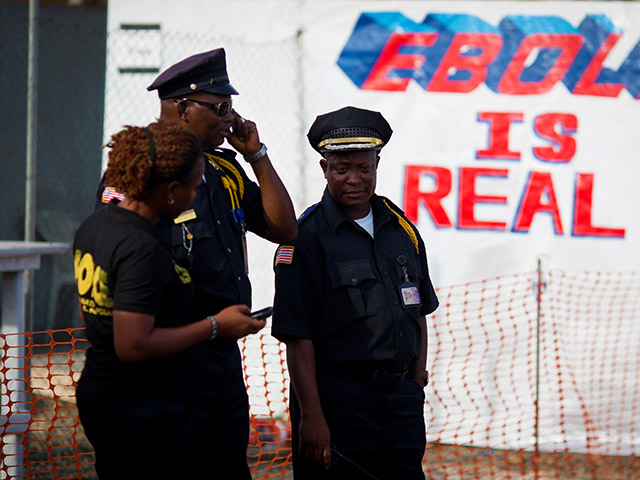
The Ebola epidemic in West Africa comes to naught, experts stated. According to the World Health Organization (WHO), the number of cases last week reached a minimum. The Deputy General Director of the Organization Bruce Eilvord said that progress is “obvious”: in the two most affected by the disease, Sierra Leone and Guinea, only one diagnosis was made, and in Liberia Ebola no one was infected at all.
It is likely that Ebola’s outbreak will be able to overcome by the end of the year, Eilvorda pointed out, whose words are quoted by The New York Times . However, even after the outbreak of the disease is completed, it will be necessary to show vigilance and maintain operational response groups throughout the year, he pointed out.
Scientists do not exclude that the epidemic may flare up again: according to experts, the virus may be transmitted from those who have recovered through unprotected sexual contacts. According to him, he has high hopes for the Ebola vaccine, since some of the drugs recently were recognized as "extremely effective."
Merck and Newslink Genetics' Vsv-Zebov were tested in the field. More than four thousand people who directly contacted infected Ebola participated in the experiment. Tests have shown that vaccines give one hundred percent protection against the virus after ten days of use.
The mortality from the hemorrhagic Ebola fever is from 25 to 90%. A strong outburst of the disease began in West Africa in February 2014. The most affected by the Gwinee, Liberia and Sierra Leone virus. According to WHO, in total, from the beginning of the Ebola outbreak in these countries, about 11 thousand people died and about 25 thousand infected.
In early May, the WHO declared Liberia a country free from the epidemic. The organization noted that this state did not record a single case of Ebola infection within 42 days.
UN Secretary General Pan Hi Moon recently noted that as long as there is at least one case of Ebola fever in West Africa, "all countries are in danger." However, at the end of June, reports began to appear about a new outbreak of fever in African countries. At first, new cases of Ebola's disease were declared in Sierra Leone, then the first case of death in six weeks was recorded in Liberia .
The disease begins with severe weakness, headache, muscle pain, diarrhea, abdominal pain, tonsillitis. Later, dry cough and stitching pain in the chest appear, signs of dehydration, vomiting and rash develop. Bleeding begins from the gastrointestinal tract, nose and mouth. If an infected person does not recover within one to two weeks after the appearance of the first symptoms, the likelihood of his death increases.