
Translated material
Parasites help rats save memory
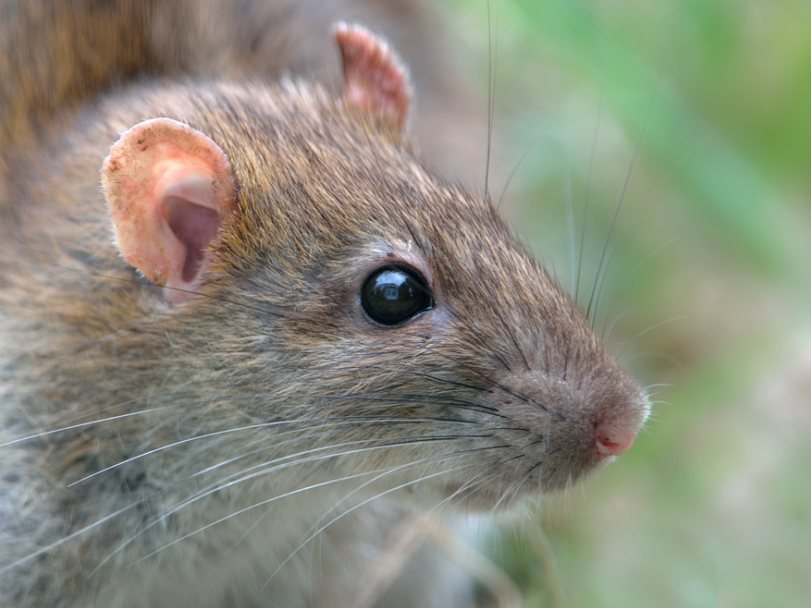
In the journal Brain, Behavior, and Immunity, an article was published , the authors of which found that parasitic worms protect rats from memory disorders. The study was conducted by Lauren Williamson ( Lauren L. Williamson ) and her colleagues from the University of Duke.
The experiment was attended by 30 rats, half of which was infected with the Hymenolepsis Diminuta parasite - a tape worm from the Cyclophyllide detachment. All rats, both in the body of the parasite and free from it, the researchers soon after birth infected with a mild form of the intestinal bacteria ( Escherichia coli ) to stimulate the immune response. After some time, lipopolysaccharide was introduced to strengthen the immune response. This substance serves as a component of the bacterial cell wall, and it is to it that the body's immune system reacts to it. Scientists expected to cause a hyperactive immune response in the body of rodents.
Typically, the production of the signal molecule of Interleukin-1bet increases with the penetration of the infection. Although this substance in small quantities is necessary for the proper functioning of the brain, increasing its concentration causes cognitive disorders and is associated with a number of nervous diseases. But their symptoms are manifested with secondary infection, when the immune system is ready to meet the infection. To prove that the disorders are caused precisely by the reaction to Interleukin-1bet, and not the destructive activity of the bacteria themselves, scientists for the second time introduced rats not bacteria into the body, but only lipopolysaccharide.
To check the memory of rats, it was first placed in a box where they received a blow with electric shock. A day later, they were again returned to their former place. As it turned out, the rats, in the body of which there were parasitic worms, recognized the situation and froze in fear, waiting for a possible shock. From the rat, devoid of parasites, only half behaved so. For control, the researchers conducted this experience with rats that had neither parasitic worms nor immune reaction to lipopolysaccharide. They also recalled the circumstances of the shock and behaved carefully. It is interesting that the rats, whose mothers were infected with parasitic worms, retained their memory, even if they themselves did not have worms.