
Translated material
Instead of "pendulum Foucault"
Umberto IVF and five other most anticipated books of autumn. Overview of Galina Yuzefovich
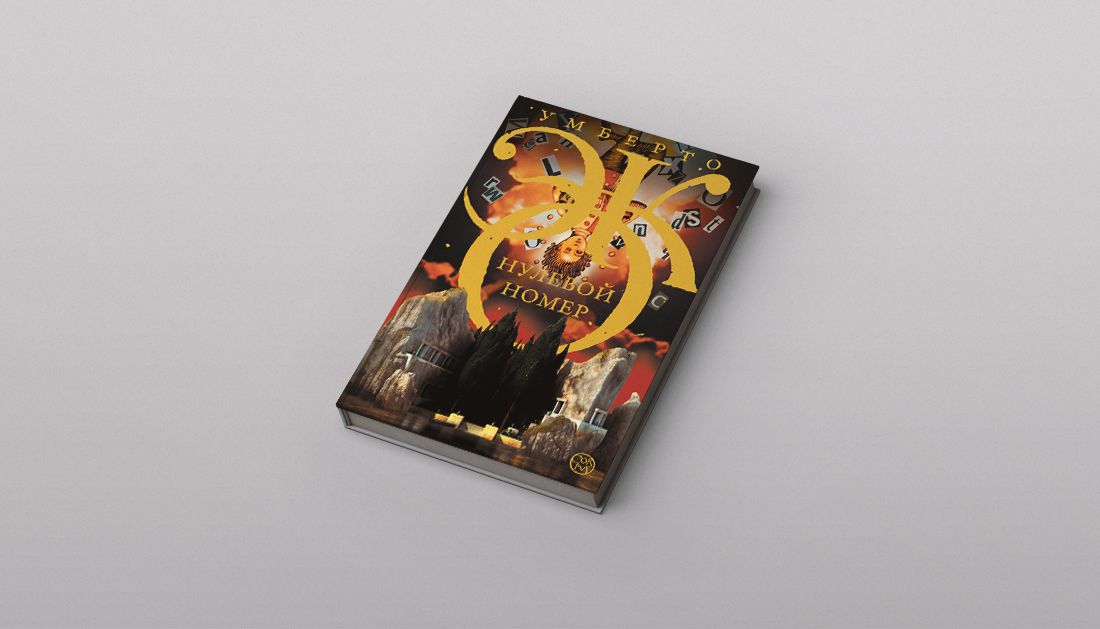
Literary critic Galina Yuzefovich tells at Medusa about the most interesting book novelties that are published in Russia. The current review is dedicated to the new Roman Umberto Eco “Zero number” - it will appear on bookstrokes in late August. In addition, Medusa chose five high -profile autumn innovations, which should be waiting for: Viktor Pelevin’s “caretaker”, “Jacob's staircase” Lyudmila Ulitskaya, “The girl who was stuck in the web of Larson and David Laggerkrantz,“ Put the watchman ”Harper Lee and“ Innovators ”Walter Aisekson.
Umberto Eco. Zero number. M.: AST: Corpus, 2015
The first and most important thing you need to know about the new Roman Umberto Eco “Zero number” is not necessary to read it. The only exception is people who either did not read the Foucault pendulum and are not ready to harness for this multi-day enterprise, or read, but they did not like the volume and absence of a happy ending. In other words, the “zero number” is such a “pendulum of Foucault”, but on another historical material, three times shorter and with a good (relatively good) end.
The main character-the failed 50-year-old writer by the name of the column-receives a very profitable proposal from a certain Mr. Simei (extremely junk and sneaking). Throughout the year, the column under the leadership of Simeya will pretend to be preparing for the release a serious daily newspaper Tomorrow. He must lead the editorial office, invent and draw up “zero numbers” (as it is customary to name issues that will never see light and make exclusively for internal use in journalism) and generally simulate violent journalistic activity. In reality, he must save the incriminating evidence to everyone he will reach, and after the project is closed (and it will certainly be closed before the first real number), write a scandalous book for his boss-and about the failed newspaper, and about all those about whom something dubious will be accelerated.
However, as they say, life brings its own adjustments to this plan. With one of the officers of the fake editorial office (a quiet and strange Maya girl - however, her oddity pedalized by the author will not come in handy for anything) will be tied up at the column, and another colleague - an unpleasant eccentric Bragg Gaggadocchio - will draw him into his strange and at first completely exhausted investigation. Indirect evidence that Mussolini was not at all shot in the spring of 1945 fell into the hands of Braggychio. The partisans killed his double, while Duche himself disappeared either in Argentina, or in the Vatican, where he safely lived until the end of the 1970s, becoming an inspirer or accomplice of all the important events of the Italian post-war history.
The parody (places and really rather funny) description of the life of the “invisible” edition, busy inventing the news and composing delusional comments on them, will alternate in the novel with the next episodes of the investigation of Bragg Gagado, and the latter will gradually grow up with flesh, gradually turning into reality from leisure and delaying the hero itself - the actual hero itself.
Any person who is at least a little familiar with the work of IVF (and simply not devoid of common sense) understands how such stories end. Believe me, everything will be exactly the way you expect - unless no one of the pretty heroes will die. 240 pages, several truly witty passages, the middle hand of the conspiracy theory, at the end of the almost wedding-in essence, it happens worse. But for the most part among other authors.
The writer's age is one of those issues that is not accepted to discuss in a decent society. However, the “zero number” Umberto Eco is perhaps the very case when exactly the thought of age comes to mind first. In any way, I can’t answer myself the question of why, after truly great (well, or in any case, just so perceived by contemporaries) IVF novels needed to retell the same, in essence, thoughts in the format of “funny pictures”-not too cheerful, if it is completely honest. One consolation - “The name of the rose” and “Pendulum Foucault” will still not take away from us.
Victor Pelevin. Wardener. M.: Exmo, 2015
The new novel by Pelevin (as usual conspired so that even his cover is held in a deep secret) will be released in September and immediately - for the first time in the literary career of Pelevin - in two volumes. The only thing the publishers report about him is that this time, Carlos Castaneda with his shaman-pi-heil adventures became the main inspirer of Viktor Olegovich. They were surprised-Polevin before, go, exclusively Turgenev was inspired.
Lyudmila Ulitskaya. Jacob's staircase. M.: AST: Editor Elena Shubina, 2015
Roman Ulitskaya will appear in bookstores in October, and so far only his abstract is available - however, quite detailed. Apparently, it will be a family saga telling about several generations of the Ossetsky family - initially Kiev, and after Muscovites. In the center of the narrative, on the one hand, the life of Nora Osetskaya (the same age as the author), and on the other, is the biography of her grandfather Jacob, which Nora restores on the basis of his diaries, letters, as well as a personal file from the KGB archive. Publishers promise multi -layer, stylistic diversity (diaries and personal files), as well as a detailed material world. In essence, it sounds quite believable - why, in fact, and not.
Steg Larson. David Lagermranz. The girl who was stuck in the web. M.: Exmo, 2015
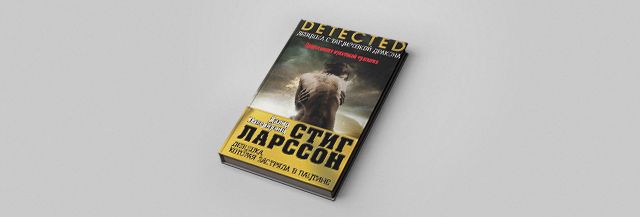
No, Stig Larson did not rebel from the dead to complete his Millenium cycle - his widow was just discovered in the desk of the deceased husband, an unfinished novel, who, according to the publisher, and wrote the Swedish journalist and prose writer David Laggerranz (the most famous book is still the biography of the football player Zlatan Ibrahimovich). The official world release of the next “girl” was scheduled for August 27 (in Russia the book will appear a couple of weeks later), and until then it is forbidden to really retell its plot - not to say how many percent of the text remained from Larson himself, and how much on the conscience of the camp of the camp. The only thing that is known is reliably known is that Michael Bloomquist and Lisbeth Salander are again together and investigate the case of the murder of a scientist, a specialist in the field of artificial intelligence.
Harper Lee. Go put the watchman. M.: AST, 2015
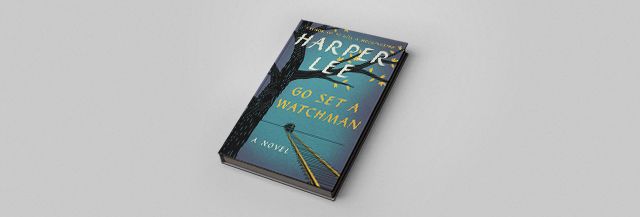
The new Roman Harper Lee came out in English at the beginning of summer and, in the blink of an eye, became the best-selling book of the year. The story with this text is muddy-in essence, this is the continuation of “kill the mockingbird” (26-year-old eyes come home to visit the aged father-Atticus Finch), but it was written earlier-at the very beginning of the 1960s. Then the novel seemed to not like the publishers, after the manuscript was lost, and now he surfaced again - and was published. In short, the editors who rejected the novel more than 60 years ago had some grounds for that. But if you (like, say, me) Harper's style immerse in a sweet trance, then you still have to read. The book, promised initially to the non-fiction fair, will be released in Russian even earlier-already in October.
Walter Isexon. Innovators. M.: AST: Corpus, 2015
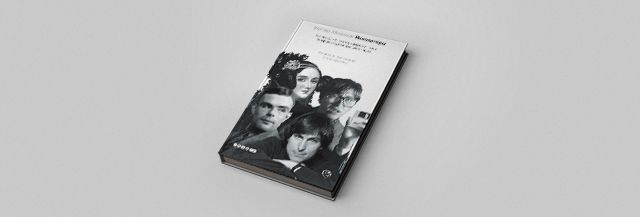
Having become famous for the whole world, the biography of Steve Jobs, Walter Aisekson decided not to stop there and spread the network wider - to tell about everyone (or at least the most important) people of the same impudent type as the late founder of Apple corporation. From the daughter of Byron Ada Lavelis, the author of the very idea of computer programming, and then through Alan Turing to the heroes of our era - Bill Gates, Steve Wozniak, Larry Page and again Steve Jobs - Aisekson builds a spacious panorama of technological innovations in their personal, human dimension. As always, and everything with this author is very convincing, very funded and very logical.
Galina Yuzefovich