
Translated material
Limited contingent of food
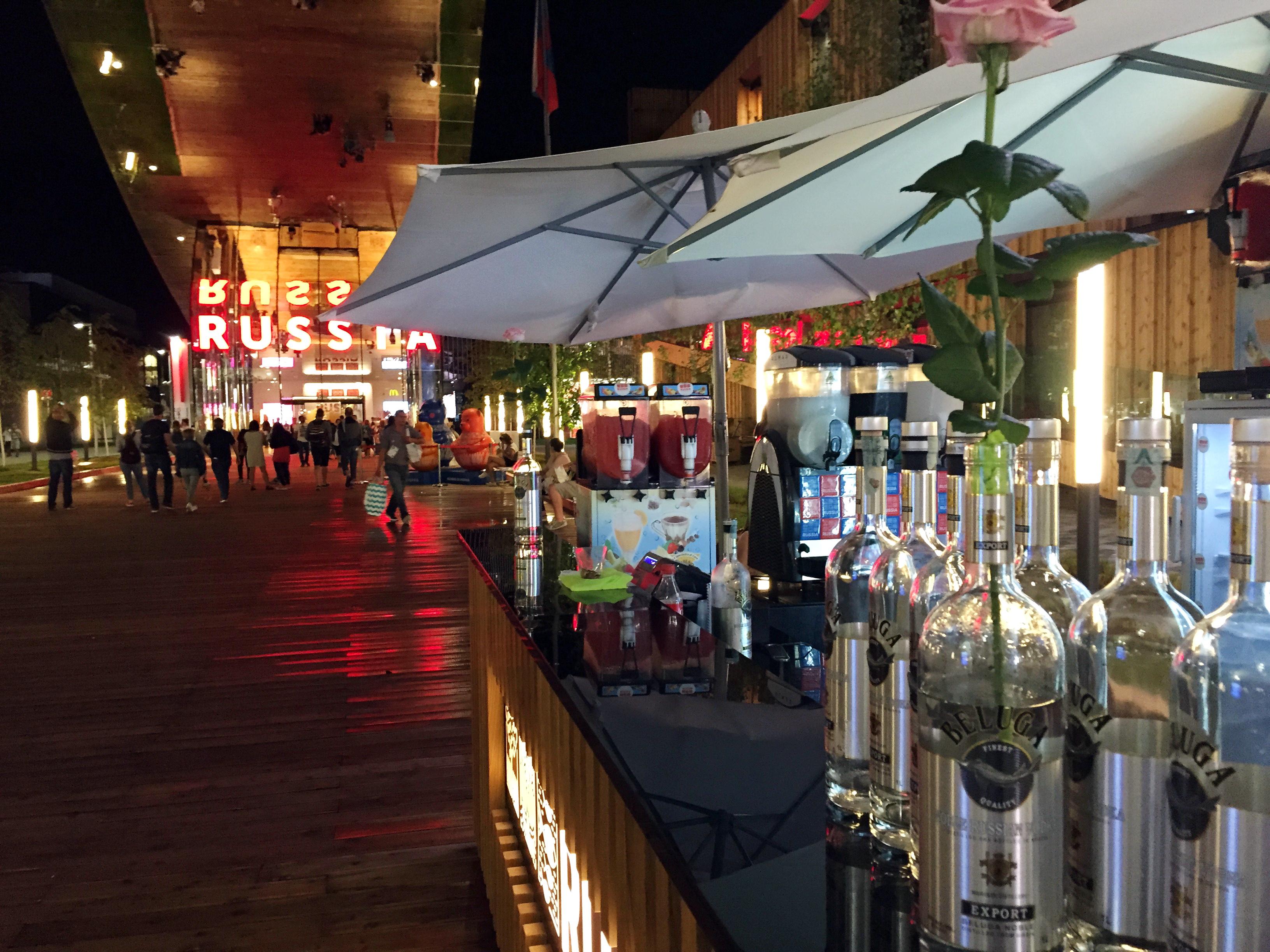
The EXPO World Exhibition this time takes place in Milan, under the motto "feed the planet." What did Russia boast there? Report of our special correspondent.
We came to the exhibition of EXPO-2015 in Milan and opened their mouths from shock. Grandiose. Everything is grandiose. This is a world exhibition of food. The stories of food and its modern state. The whole world is participating. 144 countries of 194 existing. The fantastic design of all this huge exhibition city. Luminous fountains, pyramids, sophisticated pavilions, on the design of which individual countries, it would seem, laid out their annual budgets.
The story of food was contained in the pavilion called Zero. Everything was huge there. A giant screen with personnel on which prehistoric people mined prehistoric food. Giant collections of nuts and grains. Giant mills, tools, animal sculptures and God knows what, but certainly giant. And most importantly, a whole separate hall in this pavilion occupied a giant layout of a giant dump of food! These disfigured and severe scraps!
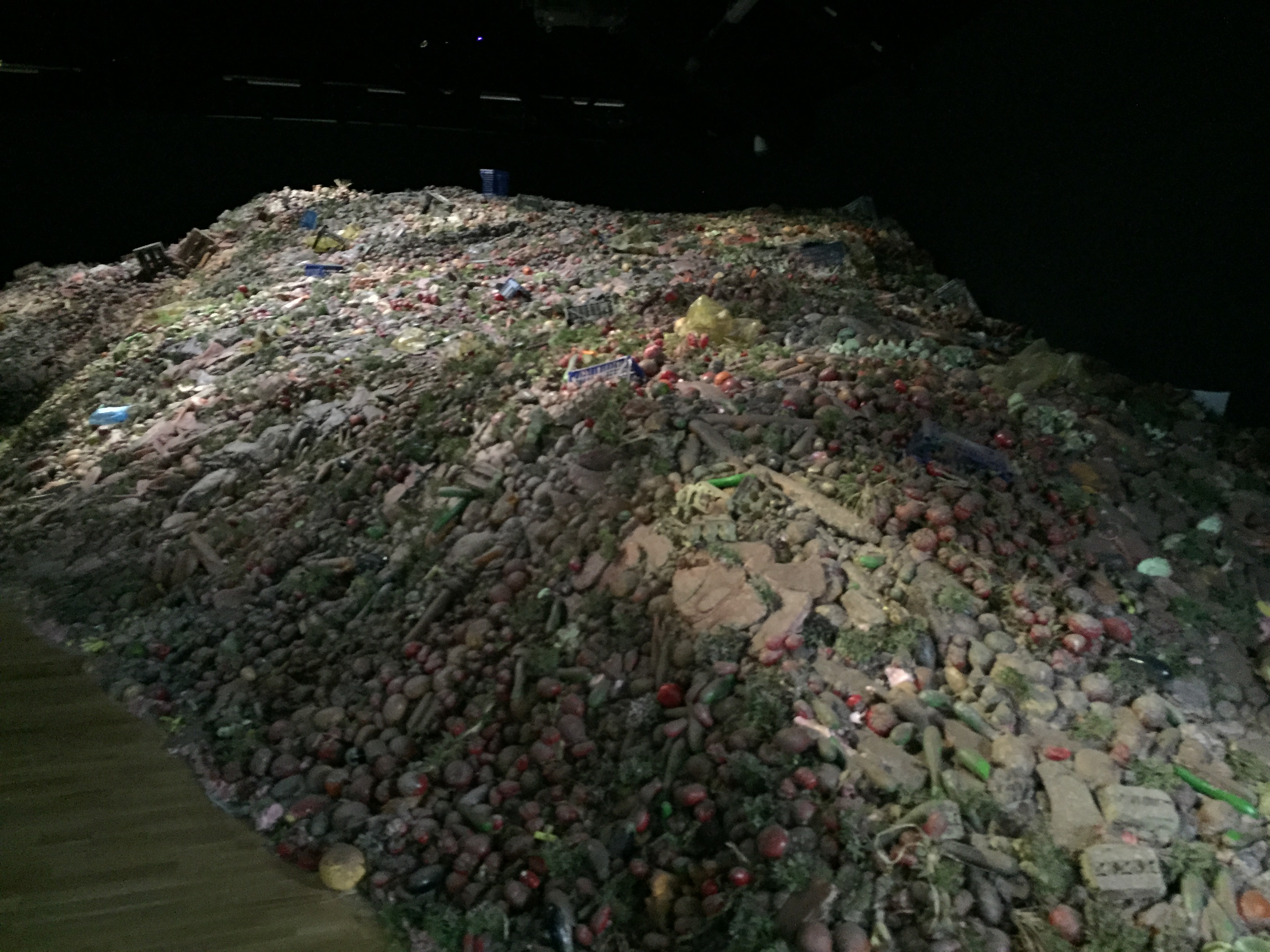
There were not even one, but two giant dummy heaps, before which I literally froze. How?! This cannot be! The World Food Exhibition managed to respond to the destruction of sanctions products in Russia?!
These artificial heaps in appearance exactly coincided with the natural ones that in Russia showed through Russian channels. However, a minute later I realized that heaps were not a rebuke of Russia. The exhibition opened a few months before the barbaric destruction of food began in Russia. So far, heaps have reproached all humanity, which loses its products in tons, while 42 million children and 500 million adults are starving in the world. This was read by a signs hanging nearby. The reasons for these losses were also listed there: in developed countries, people buy excess - the remains, respectively, are thrown away. In developing countries, the absence of technologies for storage, processing, transportation problems, etc. are all to blame. Products deteriorate and again find themselves in a landfill.
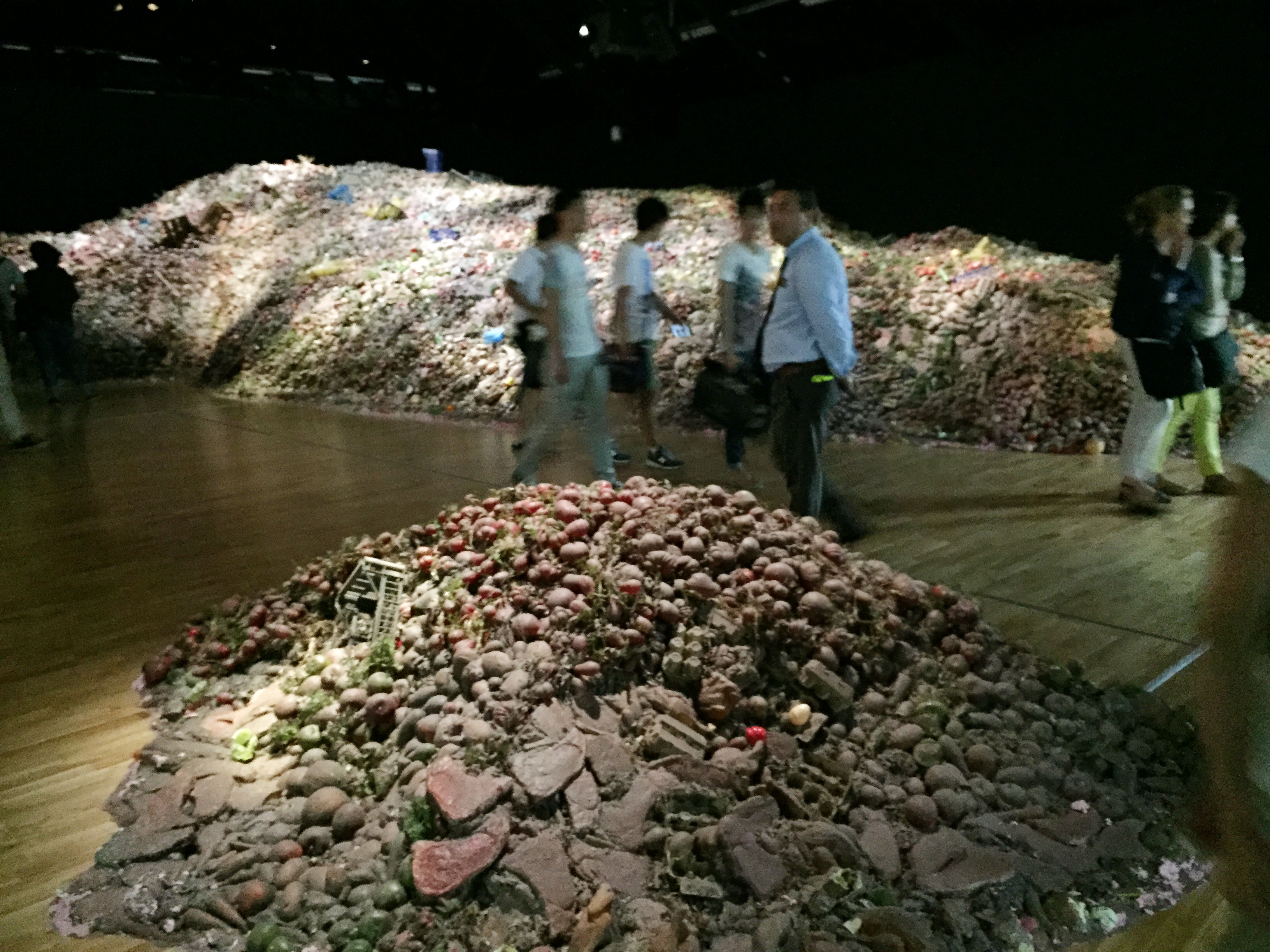
The authors of the exposition announced to mankind that only a quarter of this terrible heap was able to feed the starving around the world, and proposed combining efforts to save these products. And since Russia, on the contrary, increases efforts to destroy them, a bunch made by it will soon be concerned with a heap made by all humanity, and it still has every chance to earn a shameful place in the Zero pavilion.
But so far she occupied a completely honorable place in her separate pavilion along with other countries - participants in the World Exhibition. So we decided to specifically reach the Russian pavilion to see what a country produces such a thing that cut off all the ways to someone else's food. On the way, we even tried to guess that the grocery could become the subject of Russian national pride? "Herring!" - said my daughter. “Well, yes, and vodka,” I said. But seriously, I did not have my own options. "Wheat?" I suggested uncertainly. Our more joint fantasy was not enough.
We approached the pavilion with the name Russia. Before the entrance, there was a counter with drinks. Such shelves stood in front of almost every pavilion. They sold standard Soft Drinks and certainly something national. Of course, vodka turned out to be our national. Beluga brands. In those bottles that turned out to be devastated, sellers aesthetically inserted roses.
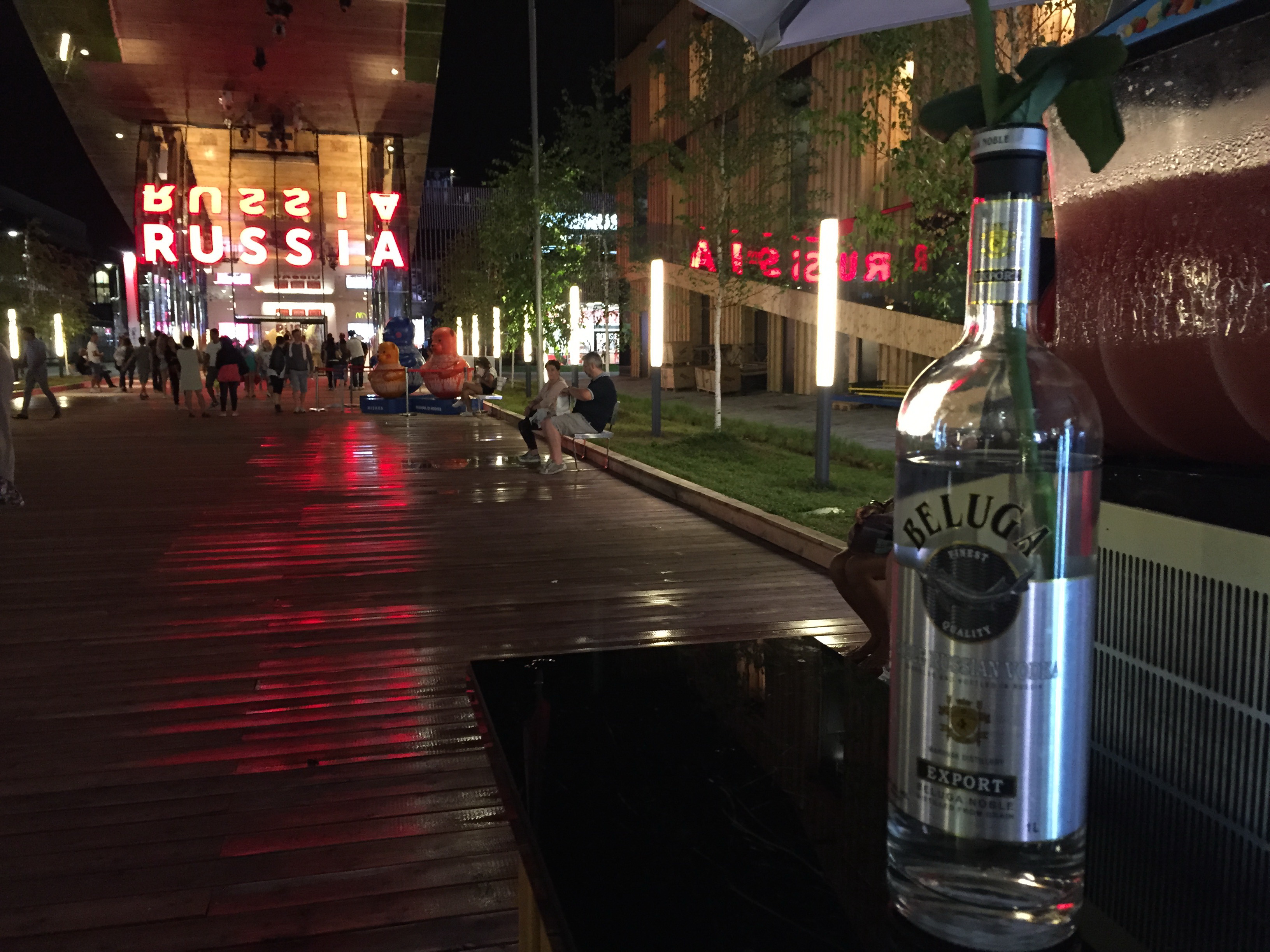
In front of my eyes, two Italians approached the counter, clapped this "beluga" and only then entered the pavilion. I entered there, without slamming. And she regretted it a lot. It would be easier for me to perceive what I saw. And I saw, you will not believe, really wheat. One exceptional wheat! Wheat, firstly, was laid out a map of Russia. Having looked closely, we saw that this card includes Crimea, consisting of several separately glued grains. (By the way, it is not very clear to me why the Italians who condemn the annexation will not scrape away these grains from the map. How they suffer this. At least Ukrainian tourists engaged in this under cover of night).
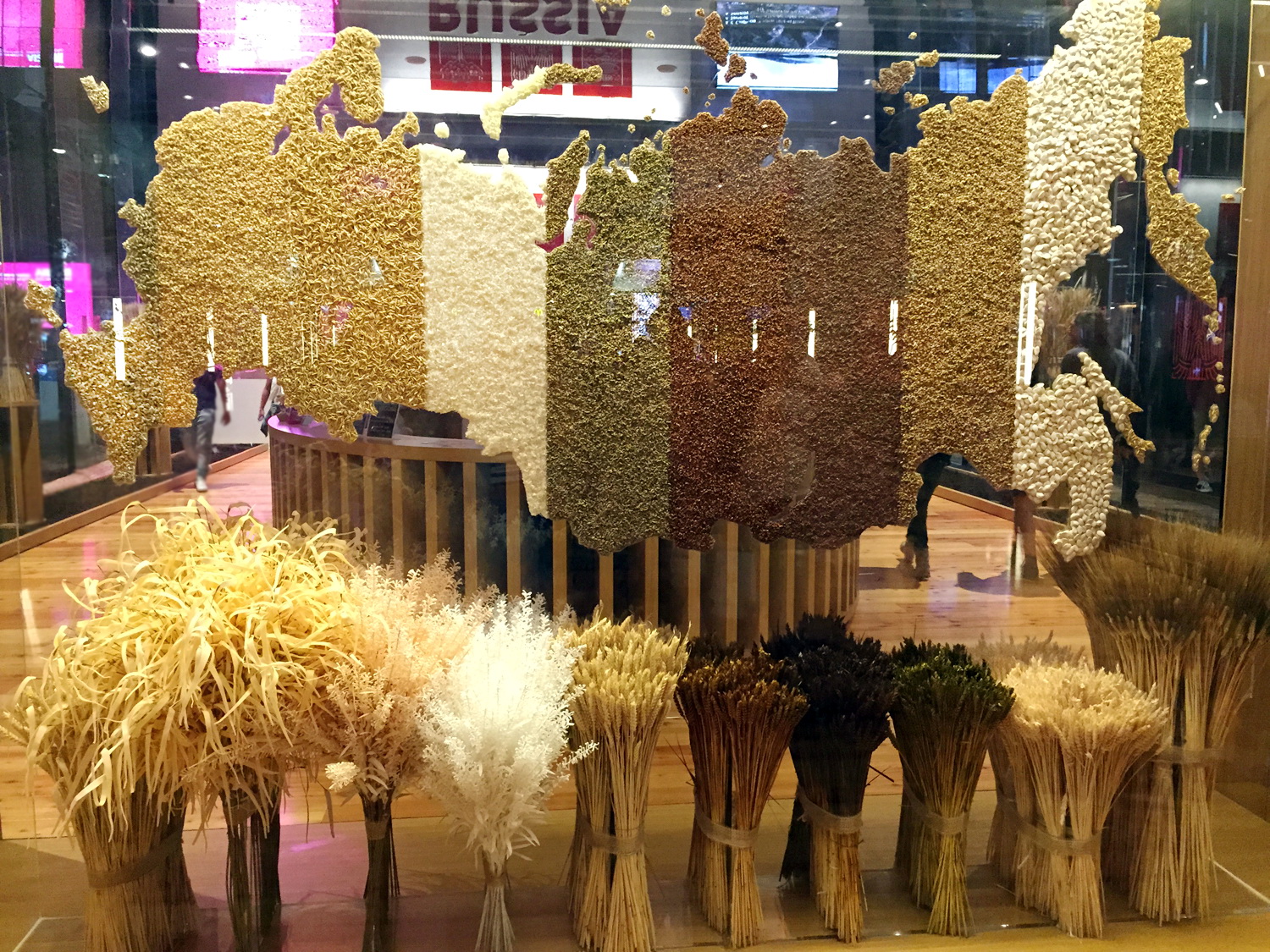
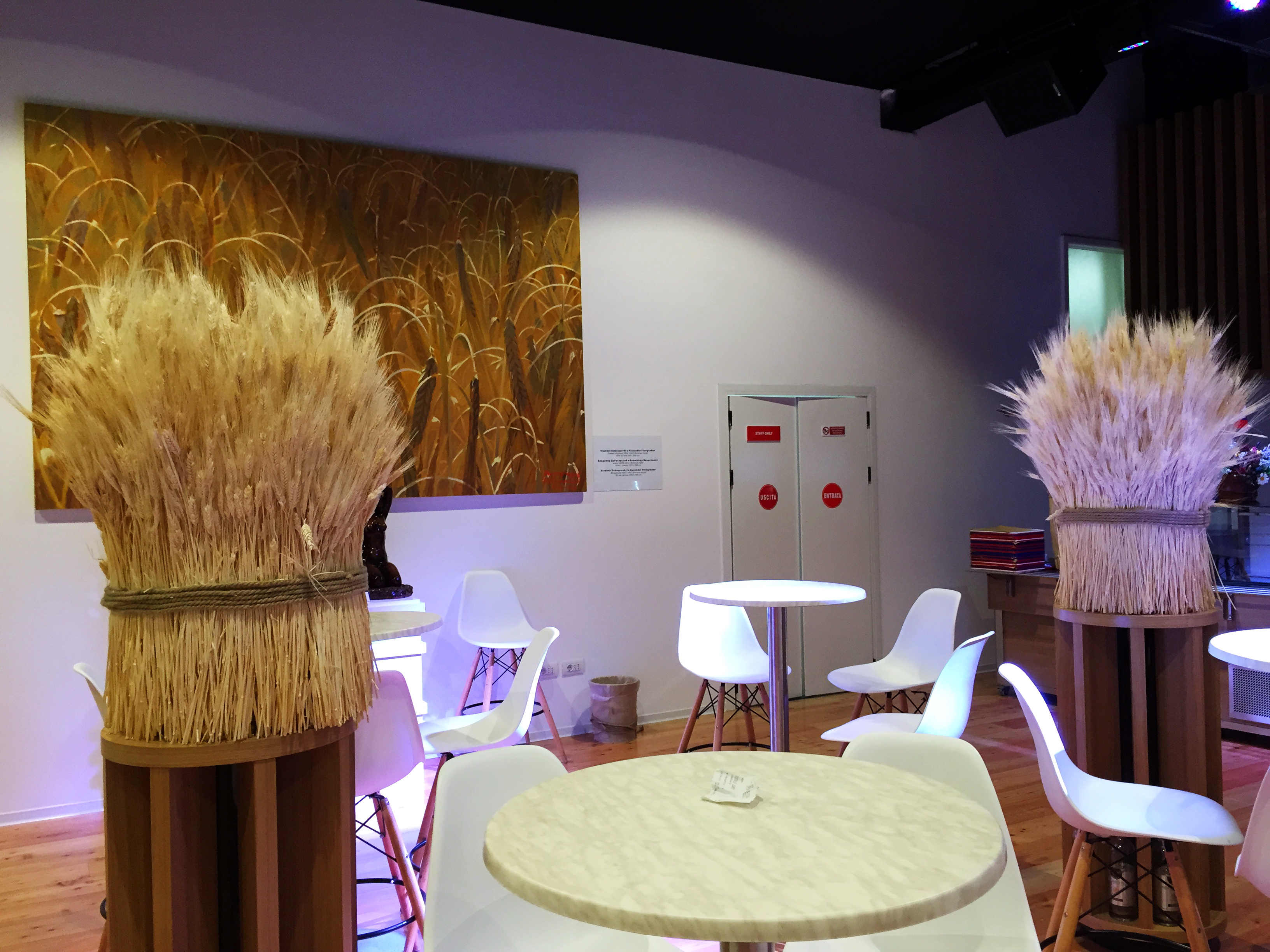
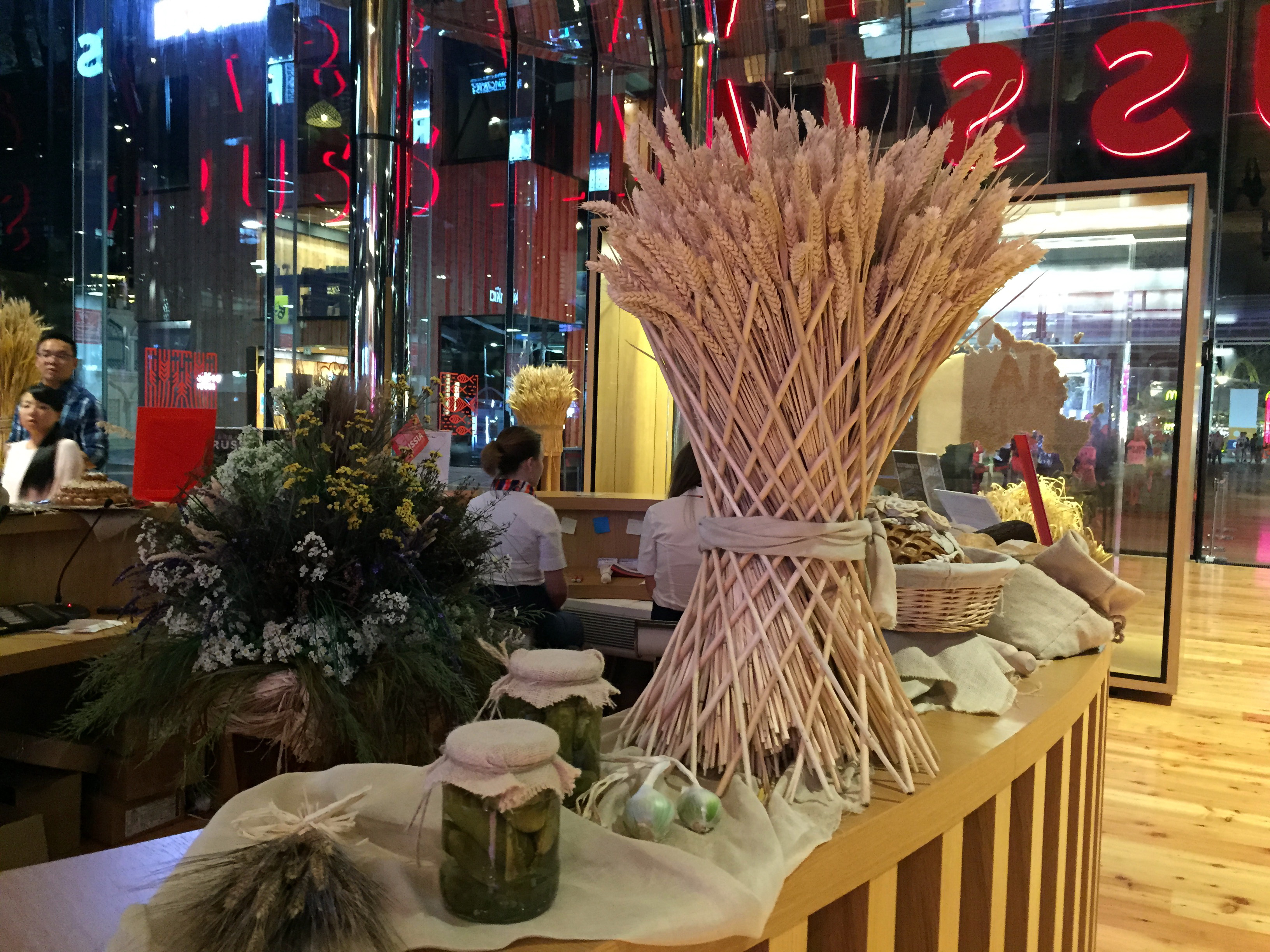
Secondly, wheat sheaves met us at the reception. Thirdly, the wheat in all of its monotony was represented in the actual exhibition hall. And even the bar was decorated with wheat. And even in the buffet, strictly wheat products were sold - lamb and loaf.
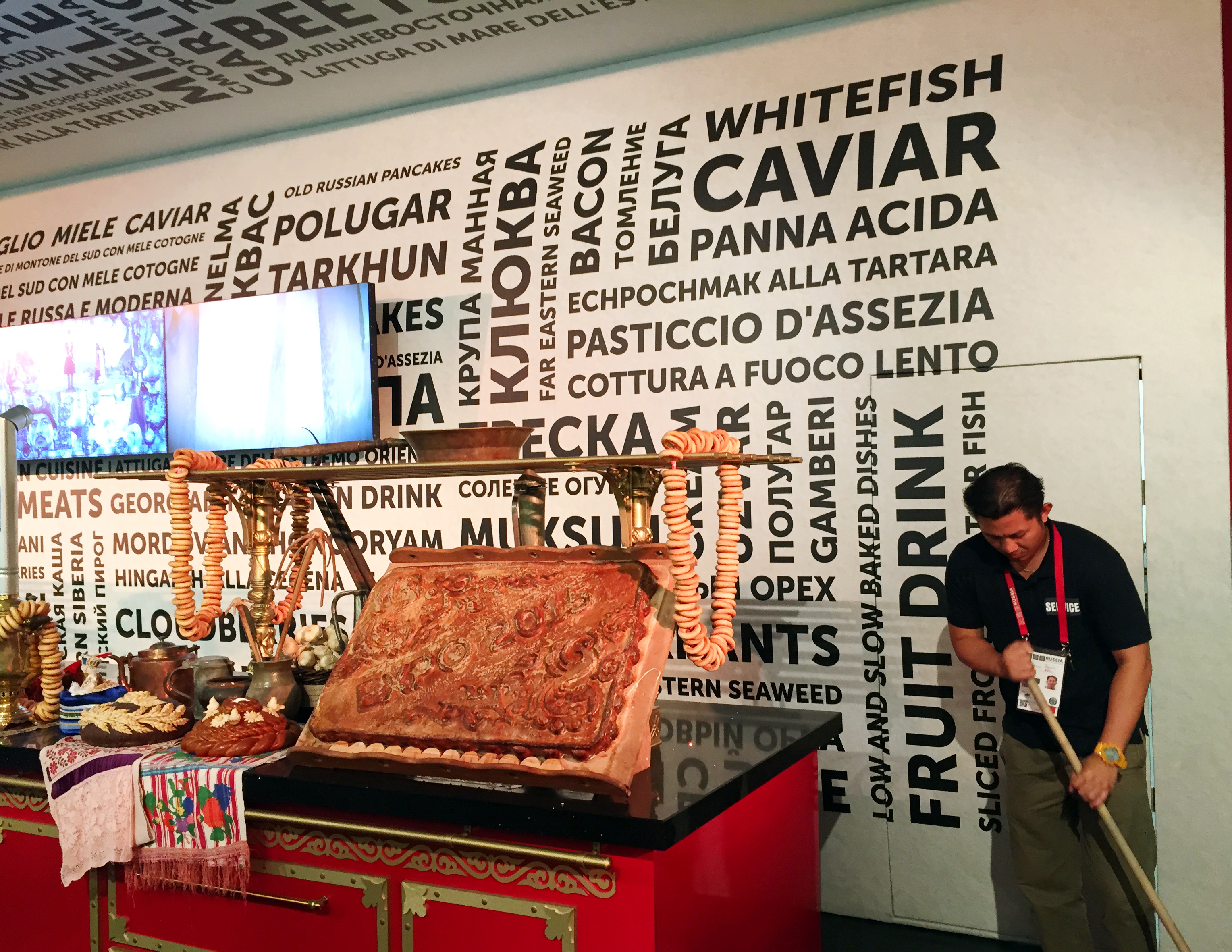
The fact that in Russia there is still some kind of food, in addition to made from wheat, you could find out if they suddenly began to disassemble the inscriptions not of the wall and ceiling of this buffet. There were other names, such as semolina, cranberries, Guryevsky porridge or such a product as Prjanik.
But I did not notice that someone was analyzing all this. Foreign tourists were doomed to take pictures against the backdrop of the same wheat, it is possible, with the aim of showing the descendants: this is what the Communists brought to Russia.
Why, you ask, no Putin, namely the Communists? Then that the second floor of the exhibition pavilion directly indicated them. He was also devoted to wheat. Only already in the form of drawn on posters. These were posters of the 50-70s. There was a slogan on each of them. “Put without losses”, “Bread to the Motherland”, “More Grain to the Motherland”, “Paul Oroshi - increase the crop!”, “Glory to the ears of golden Soviet youth!”, “A lot of snow - a lot of bread”.
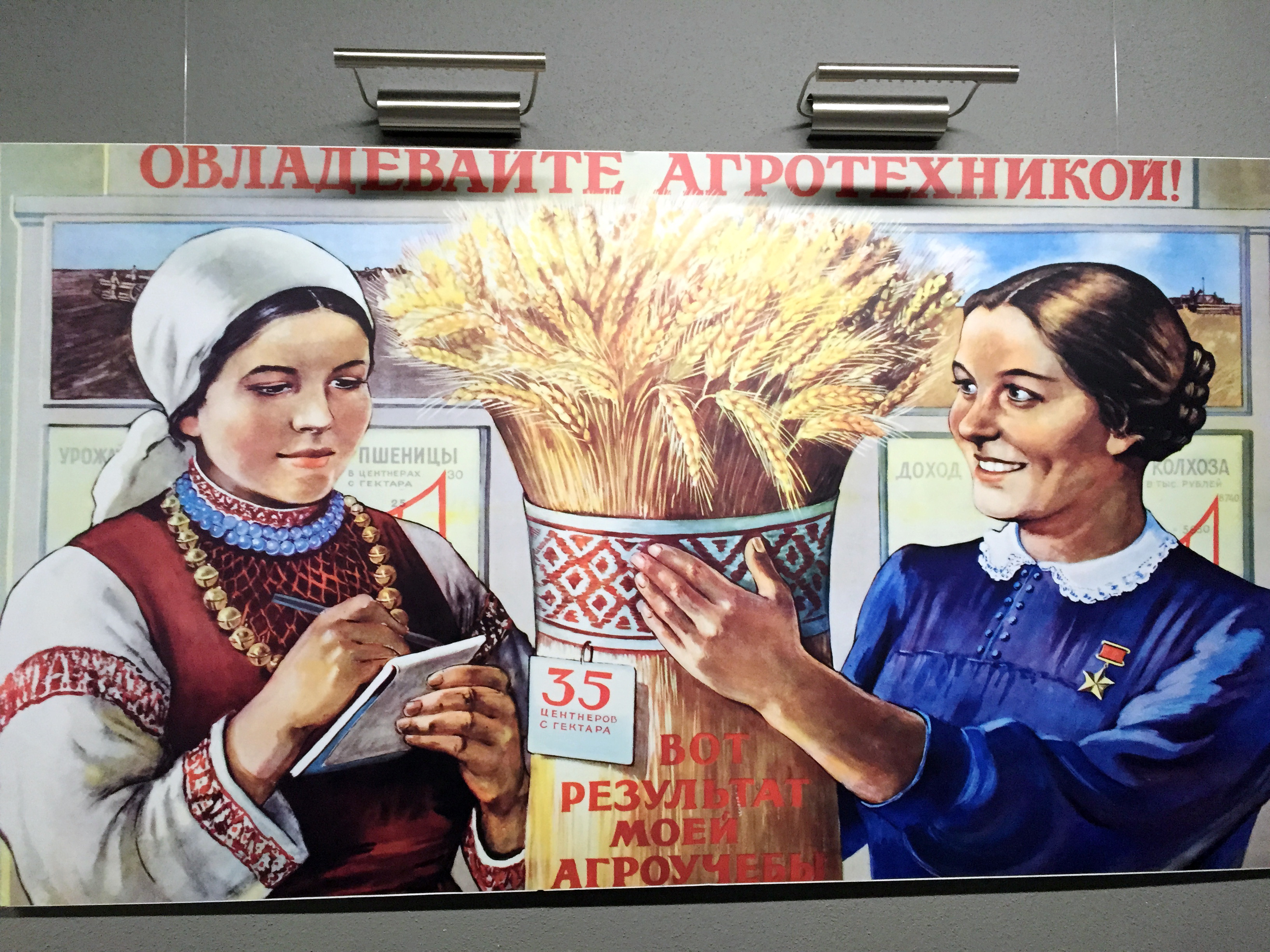
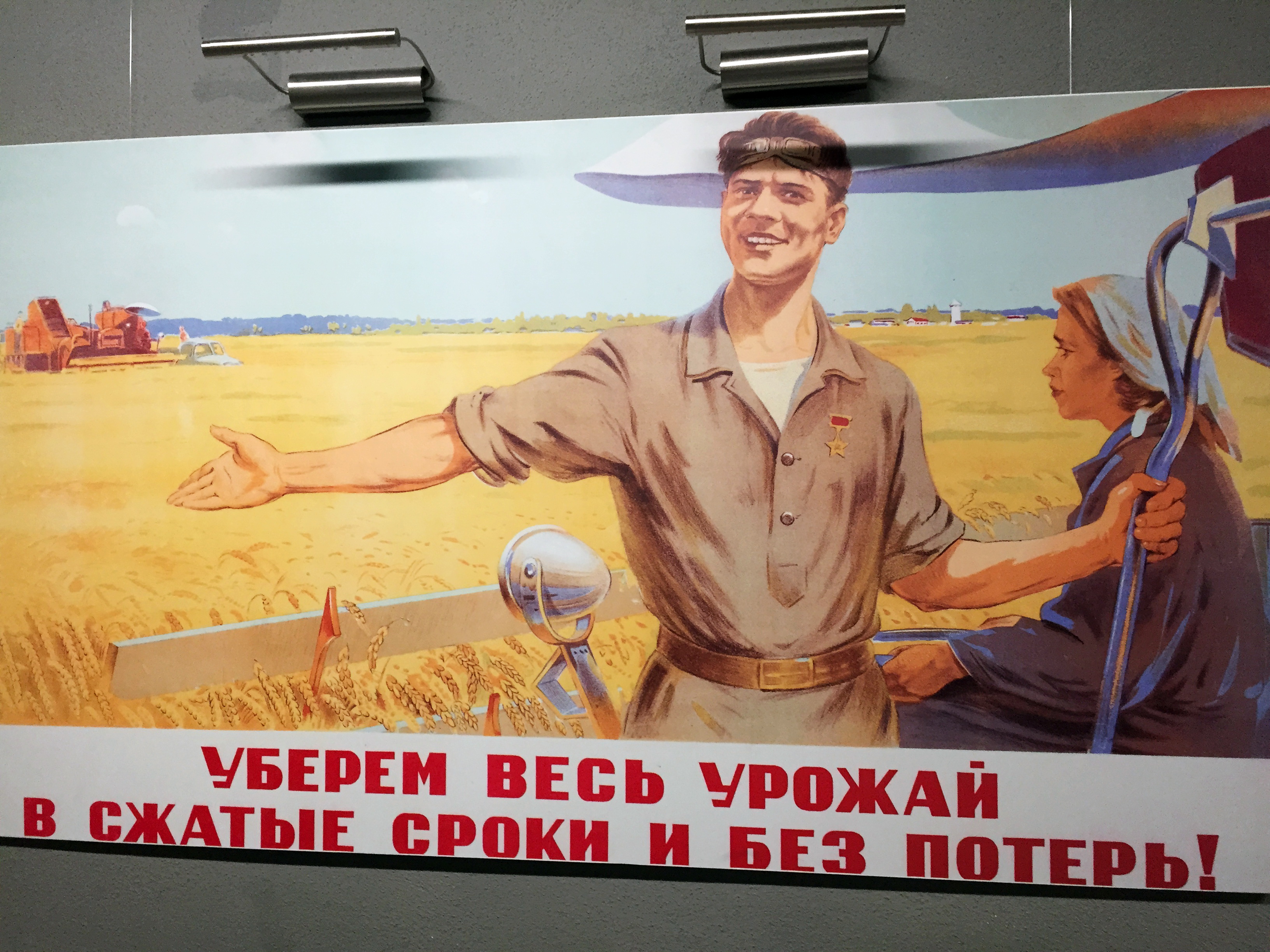
Foreign guests of the exhibitions on the happy faces of people depicted on posters could have guessed that wheat is very, very good. So it is possible that they will show the photo on the contrary to demonstrate how great Russians live with wheat, and therefore why do they need our cheese and even more so tomatoes.
To complete the whole picture, I must say that this exhibition had another product of the production of the Russian Federation. In the center of the hall, glazed with windows with grain and lit by cosmic purple light, stood a mysterious glass apparatus, similar to moonshine.
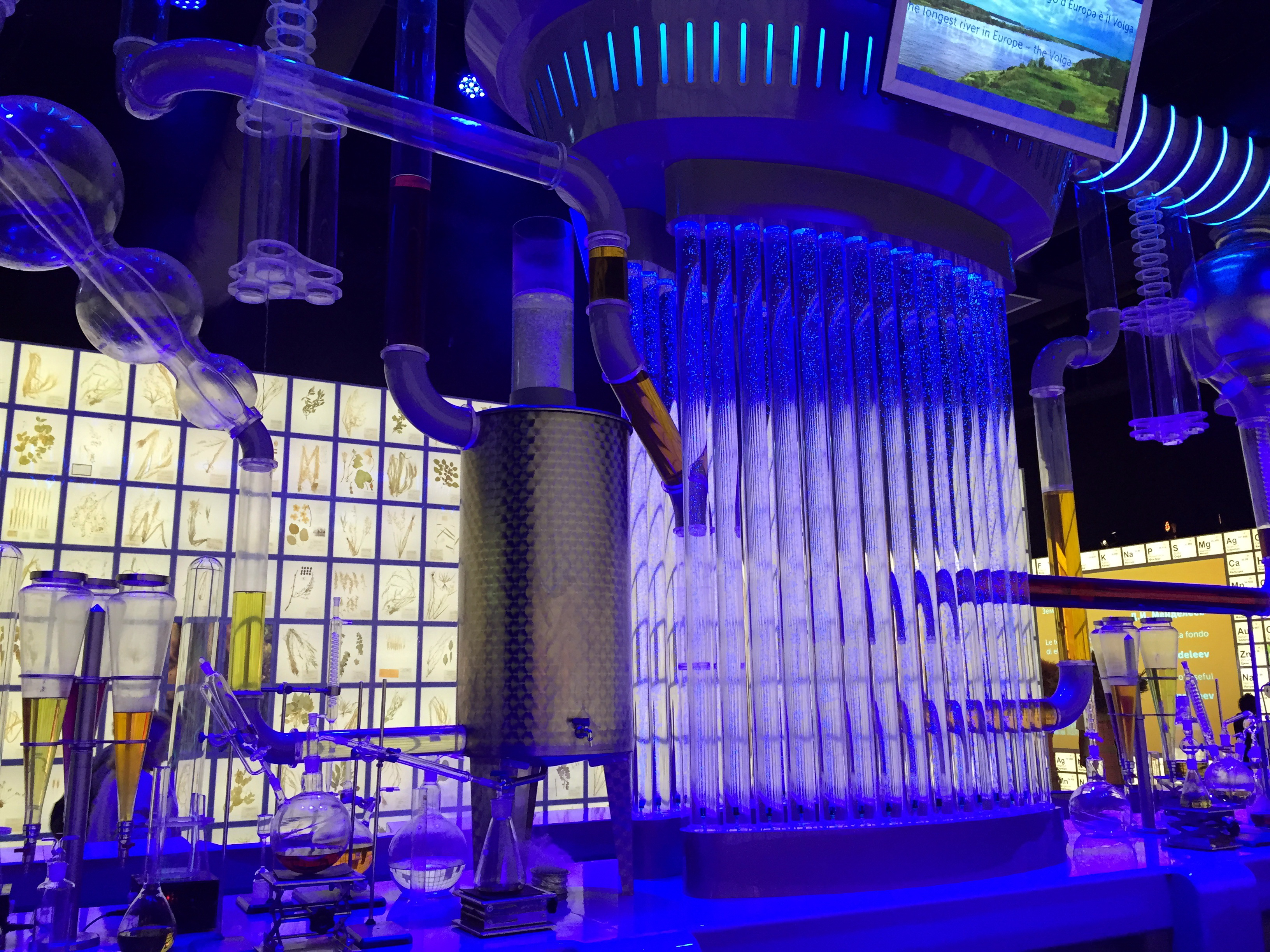
Glass cones were hoisted next to the device, into which soda was filled in the Soviet years. Apparently, they were brought here from the GUM store. The device was supposed to symbolize that Russia, in addition to bread, produces all kinds of liquids.
Going closer and watching the information screenings surrounding the device, we really learned that Russia is one of the ten world leaders in the production of drinking water, and is also proud of its (not a surprise) vodka. It is curious that the flagship of the Russian vodka industry, worthy of showing in the demonstration pavilion of the world exhibition, turned out to be vodka again Beluga brand (unlike the flagship vodka), after which it became really interesting to me whether the owners of this brand were relatives of the members of the Lake cooperative.
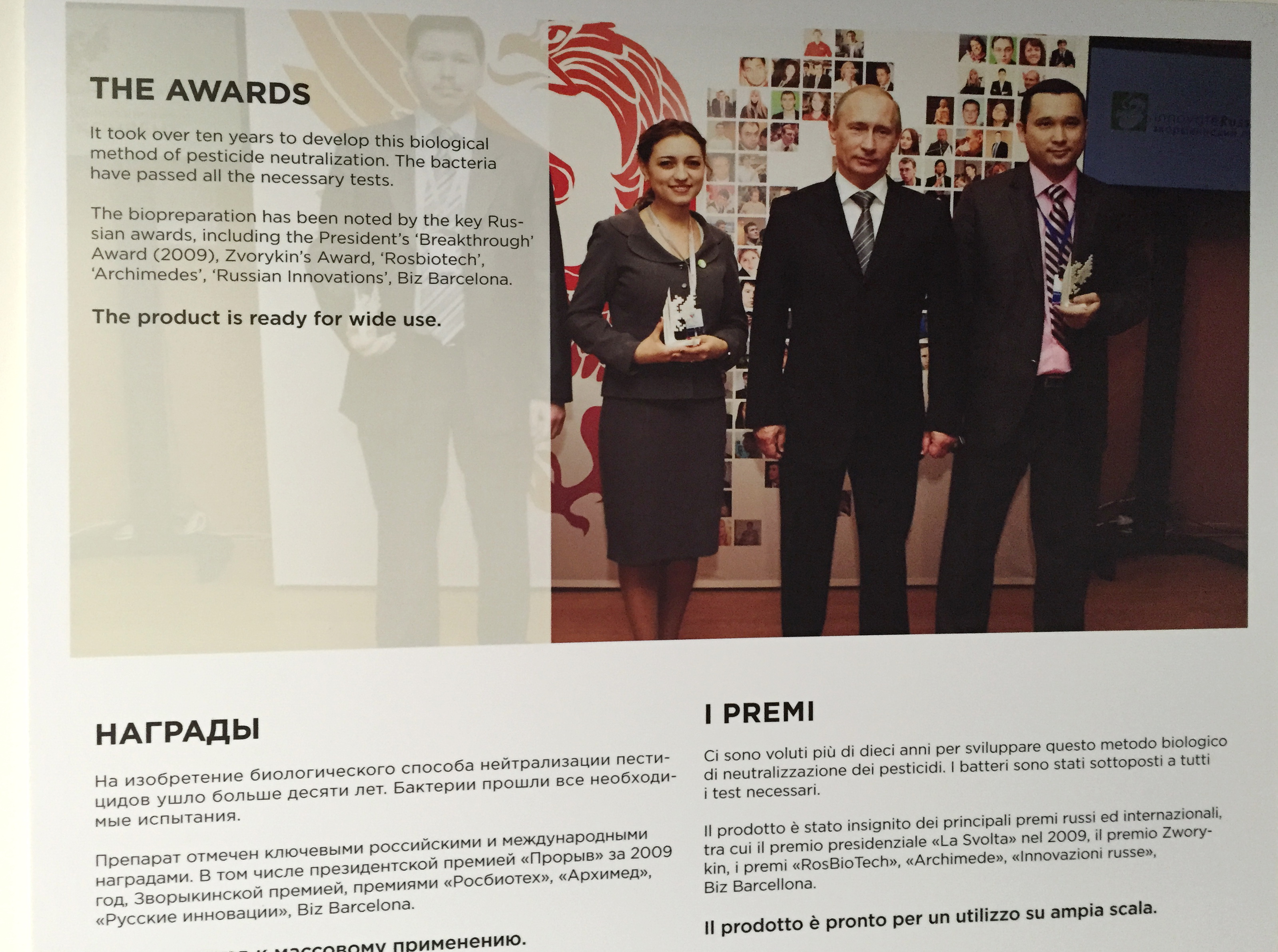
To be completely careful, then in this pavilion it was also possible to find out that in addition to wheat and liquids, Russia is proud of its bacteria. But this is only if you start studying a photo posted on the wall, where Vladimir Putin congratulates the inventors of these useful bacteria that destroy pesticides, which seemed to go to this wall only because Vladimir Putin got into the frame with them. And yet, already completely leaving, we found at the reception in addition to wheat a can of salted cucumbers. And garlic. And wheat, but this is by itself.
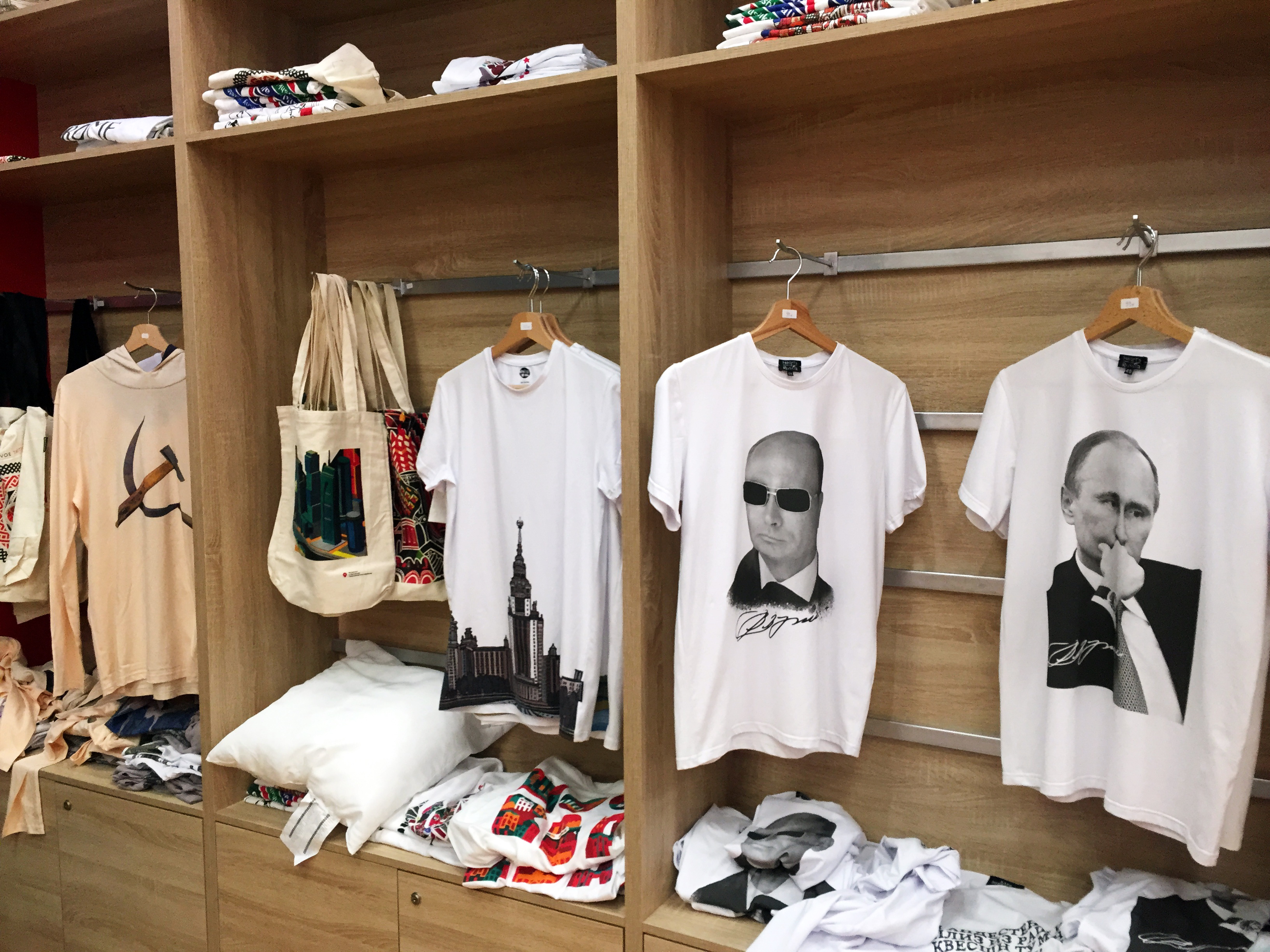
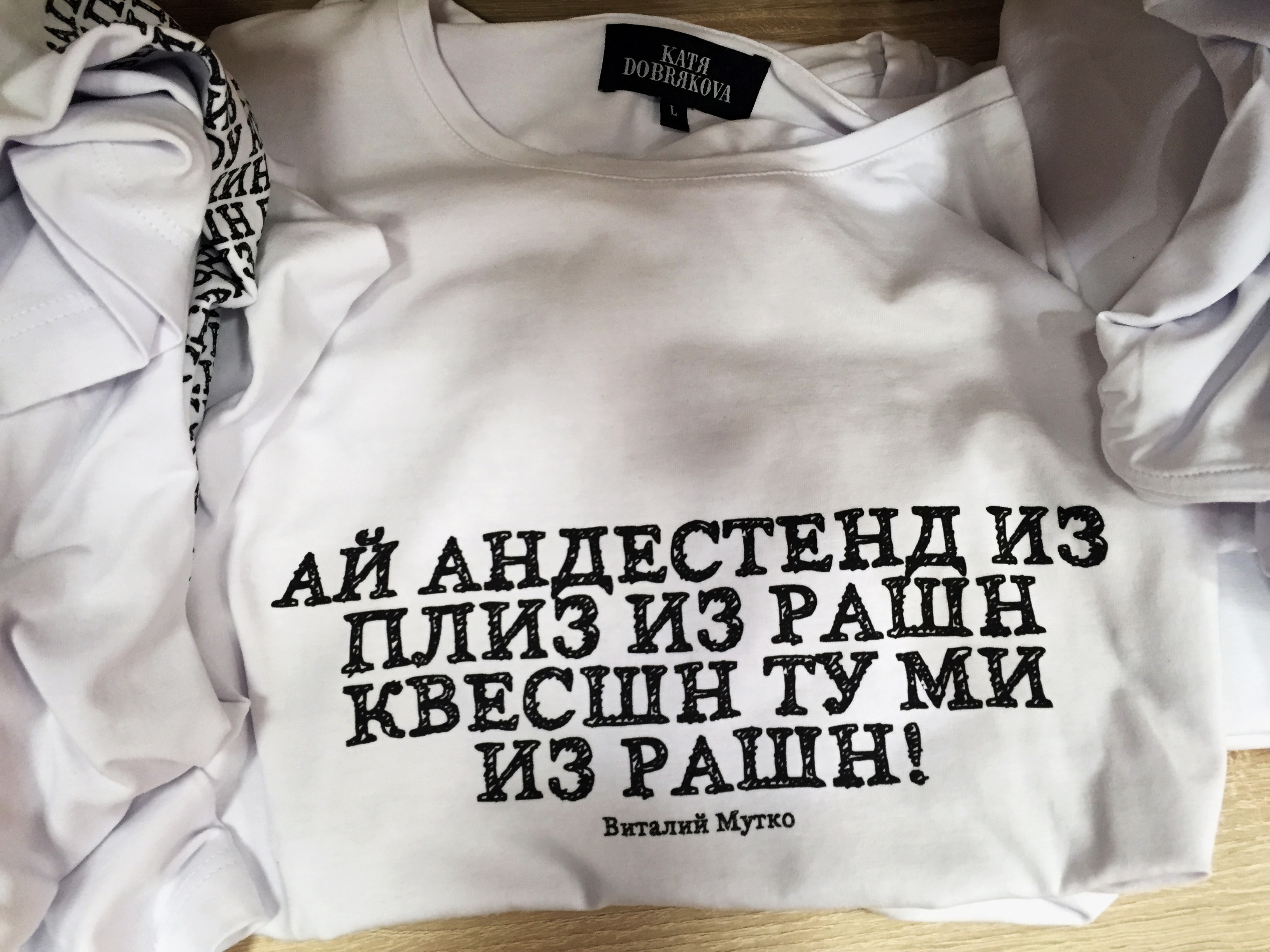
And only in the souvenir shop of the Russian pavilion we expected a certain variety of products. True, not edible. There, of course, was the unchanging Vladimir Putin. But there was also a T -shirt with a quote by Vitaly Mutko in English, written by Russian letters, which neither Russians nor native English are able to understand. The English Vitaly Mutko, therefore, is a special subject of Russian national pride.
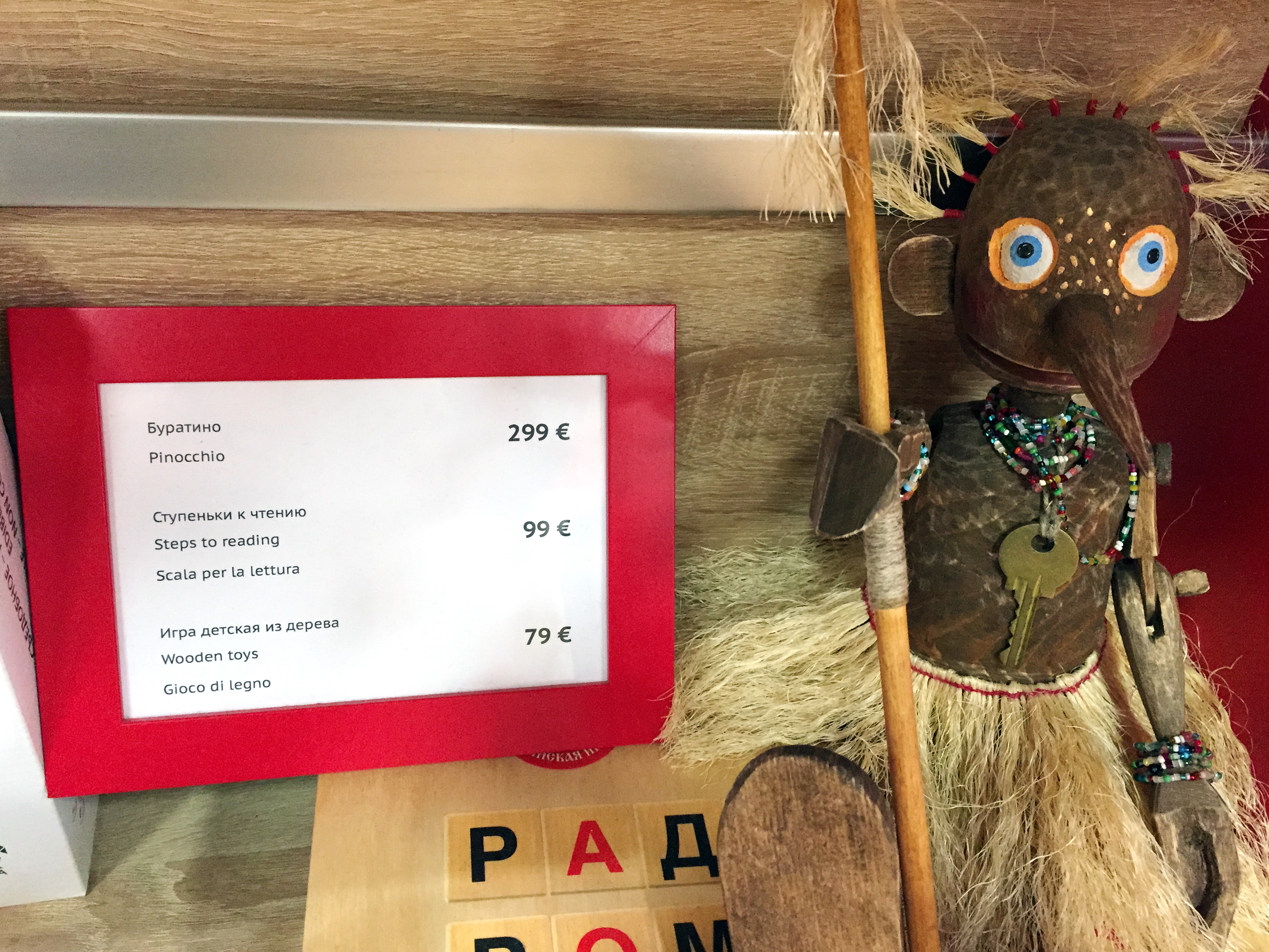
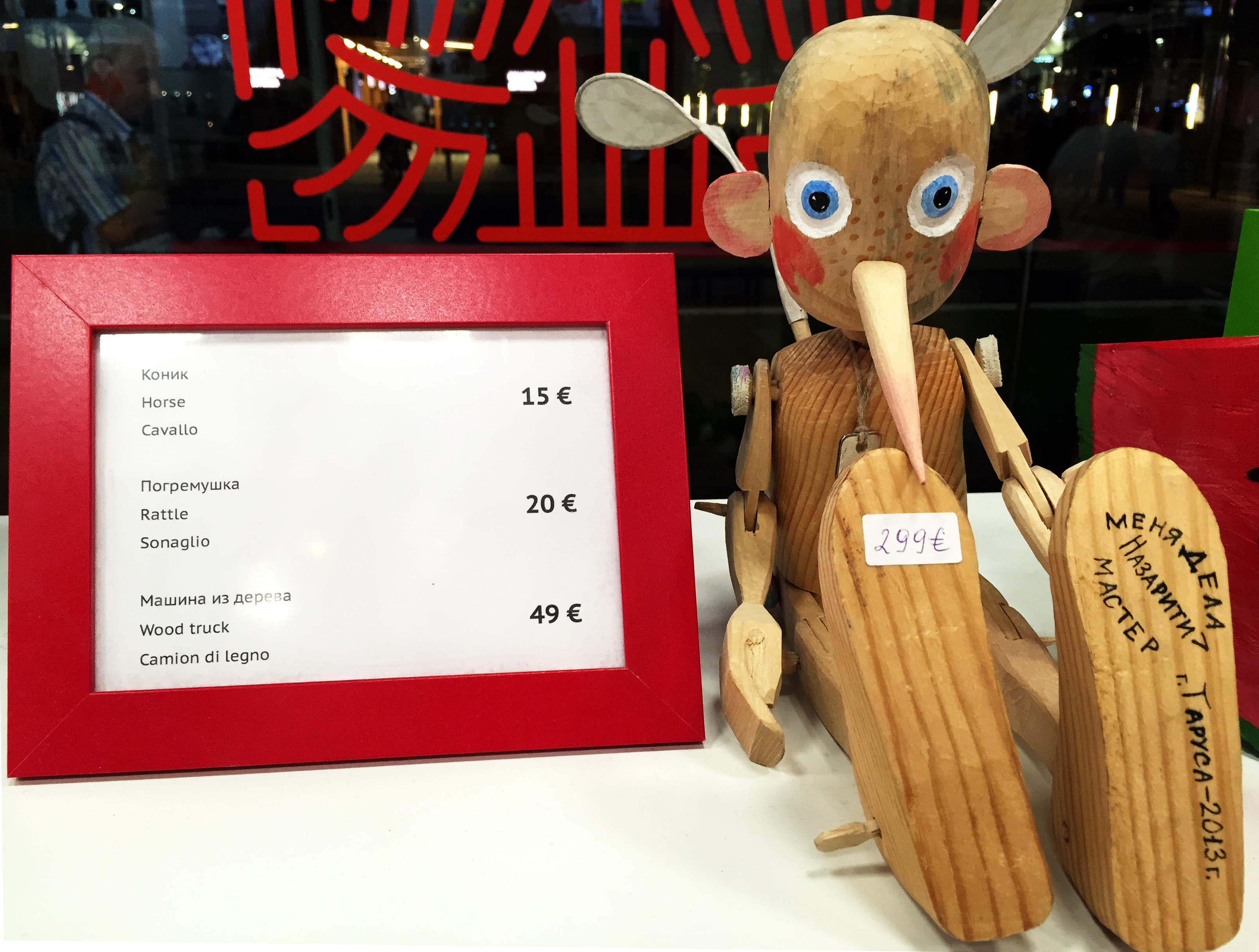
In addition, there were two whole options for Pinocchio. One - how to say it political correctly - dark -skinned. The second ordinary, European type of appearance. Both Pinocchio, as follows from the inscriptions, were produced in Tarusa. Both cost 299 euros. Someone must report this to the Tarusites. This is where, as it turns out, the most valuable objects of national pride are produced.
Nevertheless (returning to food), the thought of some inferiority of the Russian pavilion did not leave us. We specifically went immediately after it to the Turkmenistan pavilion to compare, but what about the products with other CIS countries? According to the Turkmen exhibition, their food industry functions is more likely Russian, despite all their ambiguous regime. There were whole shelves with different boxes and packages.
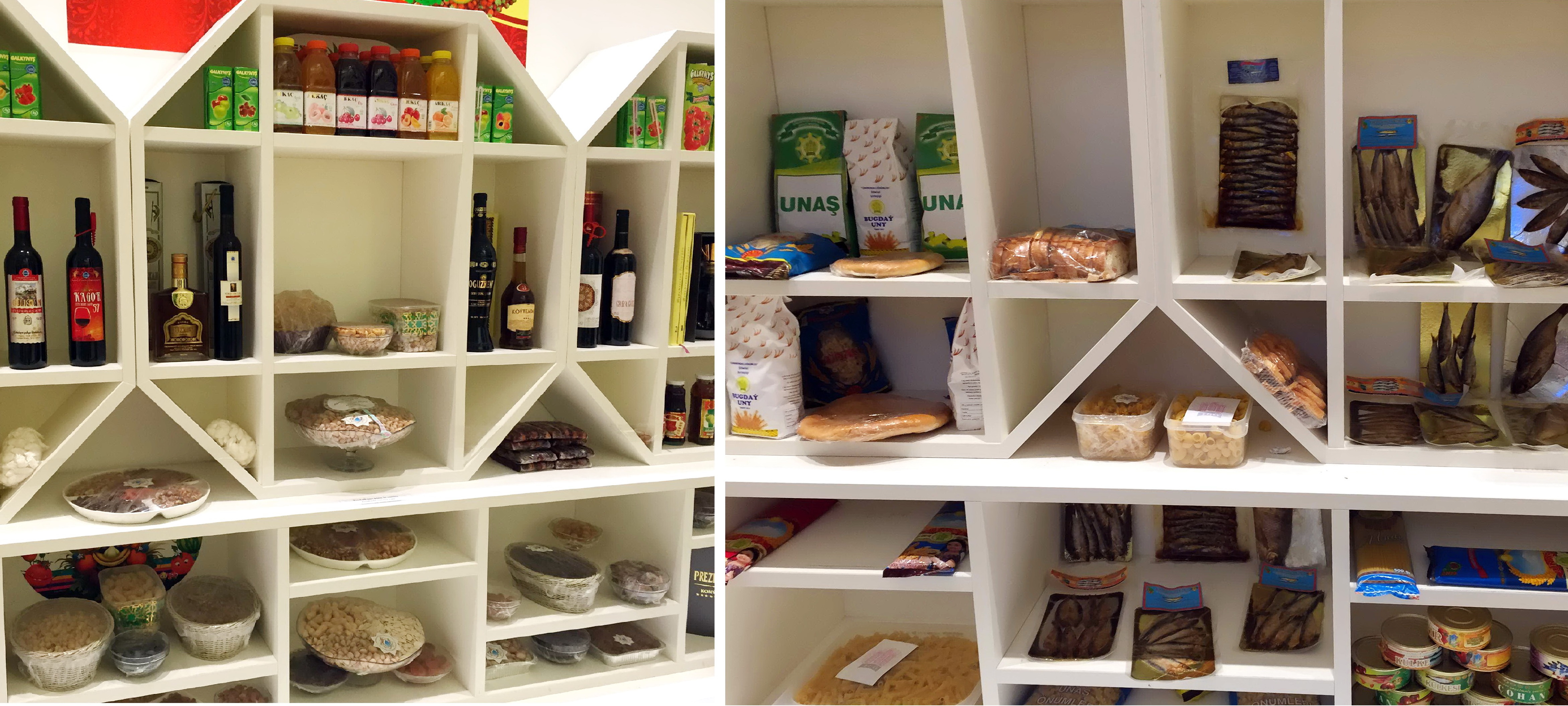
At the same time, the image of their president Gurbingula Berdimuhamedov, who met us at the entrance, was also much larger than Putin (in T -shirts and in the photo with inventors of useful bacteria). That is, in this direction, Putin has where to grow. And it is growing. I already see the upgrade of the Expo exhibition. In the Zero pavilion, heaps of food crushed in Russia. And in the Russian pavilion, Putin's image instead of food. This is where the harmony is.