
Translated material
The guard Palmyra
For which the militants of the “Islamic state” executed the Syrian archaeologist: The Guardian
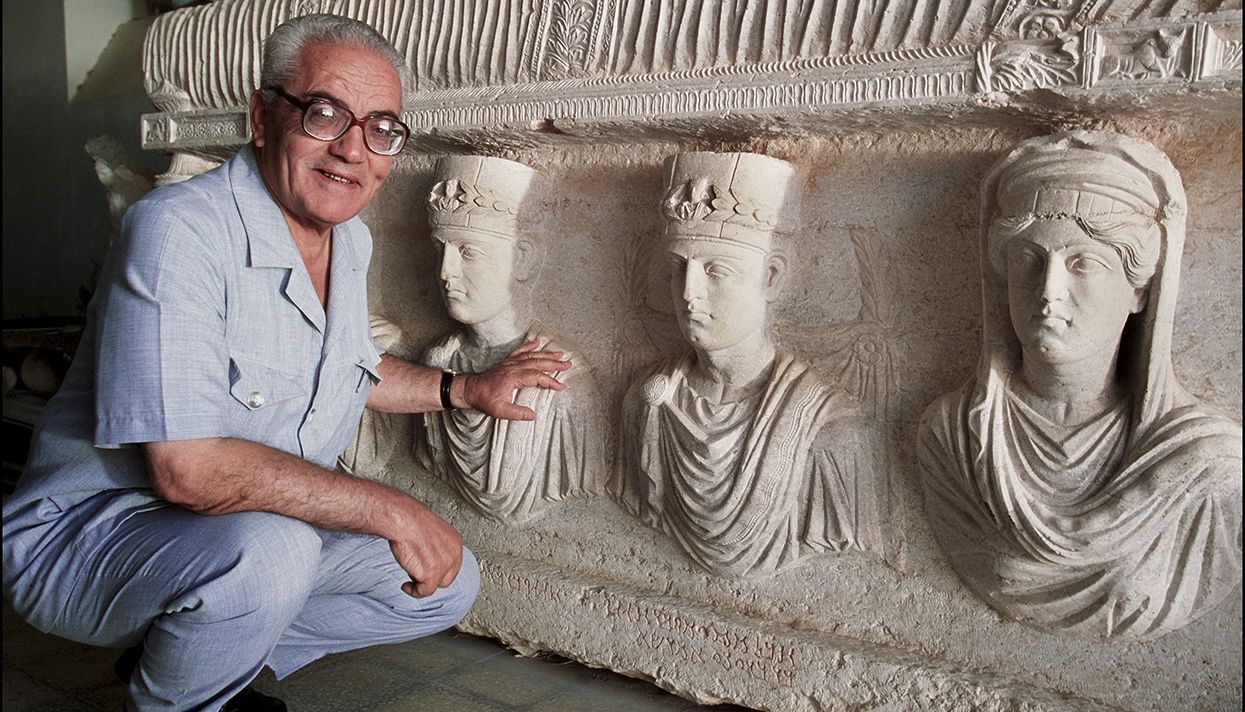
On August 19, it became known that the militants of the “Islamic state” (in Russia, the group was recognized as extremist, its activity is prohibited) who captured Palmyra, beheaded by the Syrian archaeologist Haled Assad. The 82-year-old scientist devoted almost his whole life to Palmyra-he worked at the excavations of an ancient city and restored the antique buildings for 50 years, and when the threat of Islamists hung, he helped to hide the most valuable exhibits. The Guardian talks about Haled Assade, his work and why the Islamists executed the archaeologist after a month in captivity.
“He was an integral part of the city. You can’t talk about the history of Palmyra or discoveries without mentioning Khaled Assad. This is how to talk about Egyptology and forget about [the discoverer of the tomb of Tutankhamun] Howard Carter, ”says the Syrian specialist in the monuments of the ancient world of AMR al-Am, who personally knew Assad.
Khaled Assad, according to his acquaintances, knew every corner and column in Palmyra, he was part of the ancient city and walking encyclopedia. He is called absolutely irreplaceable for Palmyra and the world of archeology by a person who was to the end devoted to his work. According to the Syrian agency, Sana, Assad personally discovered several ancient burials and the Byzantine cemetery in the Garden of the Palmyra Museum, and also knew Aramaic well, which they spoke in this area one and a half to two thousand years ago.
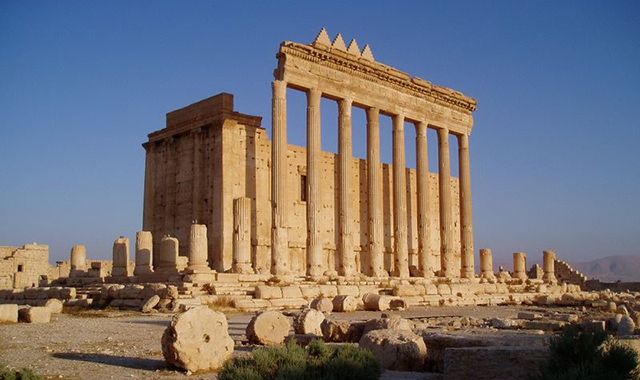
Until 2003, Assad headed the Palmyra Antique Heritage Directorate. Having resigned, the archaeologist continued to work as an expert and cooperate with Palmyra museums. Among its last finds is the mosaic of the third century AD and a treasure of 700 coins dated to the seventh century of our era.
When in the spring of 2015 it became clear that the Syrian authorities would not be able to protect Palmyra from Islamists, Assad was engaged in the evacuation of works of ancient art - primarily those that can be easily taken away. The Islamic State is known to the demonstrative destruction of historical relics, but in addition to this, they willingly earn on the sale of captured works of art; Palmyra for the militants was supposed to be a gold bottom.
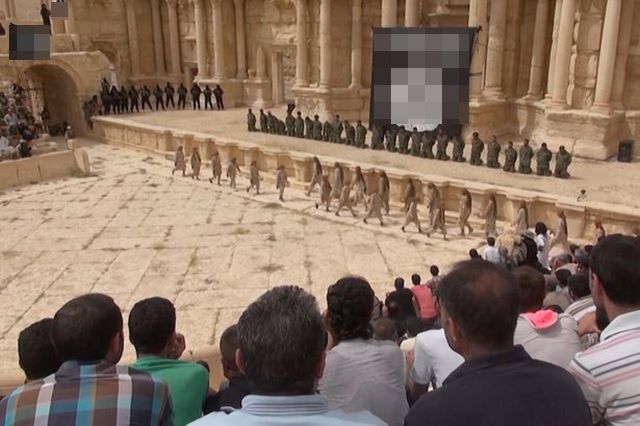
According to The Guardian, Assad was an obvious target for militants, but did not run from Palmyra when the Islamists came. “He lived here for so long and all this time was part of the city. Maybe he decided that he had lived all his life here, he would die here. And so it happened, ”says Amr al-Azm.
Haleda Assad was captured about a month ago. Throughout this time, the militants tried to force him to tell where the hidden treasures of Palmyra are located. Assad refused to cooperate with the Islamic State. On August 18, his head was chopped off, and the body of the archaeologist was tied to a pillar on one of the streets of Palmyra.
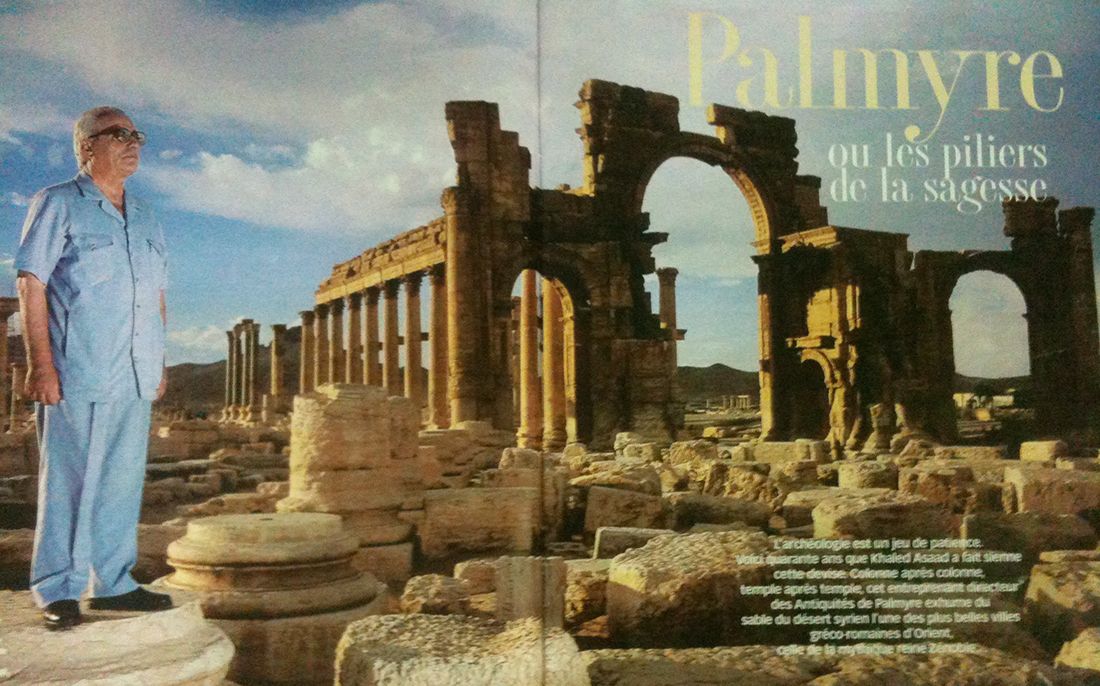
On the plate nailed to the pillar, accusations were listed: loyalty to the President of Syria Bashar Assad, contacts with the intelligence of the country's authorities and concealing the collection of “idols” Palmyra (English ulcer).