
Translated material
Alternation of algorithms
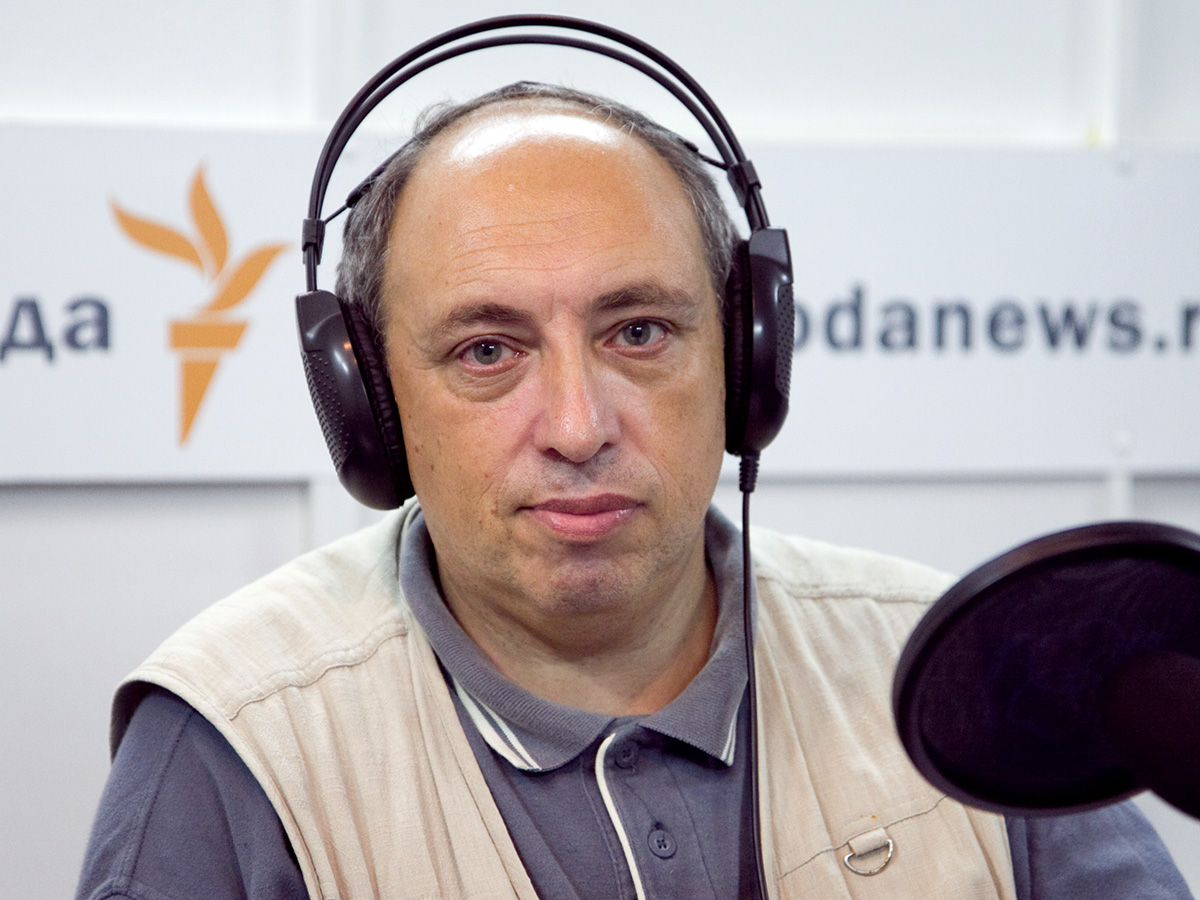
There are topics that cannot be spoke to the fly. Therefore, I return to my discussions about two fundamentally different ways of organizing the Russian/Soviet/Russian state.
For 400 years, the rulers of the Fatherland reform the state system - even those who do not have a reputation of the reformer. For example, sovereign Nikolai Pavlovich, behind which the fame of the organizer of the "stagnation" reaches out, carried out one of the most revolutionary reforms, completely replacing the "rod" of statehood - from the aristocracy to the bureaucracy. He created the most important crypto -institute of “checks and counterweights” in the then state - gendarmerie, entrusting it, except for political investigation and struggle with corruption, “wip off the tears of widows and orphans”. Could the emperor, who transferred his handkerchief to Count Benkendorf for these noble purposes, to assume that 75 years will pass, and the most shameless pressure of the gendarmes on the owners of the enterprises (and the pressure in favor of the interests of hired workers - which you won’t do to prevent the open class struggle!) Complete the universal strike of the south of Russia in 1902, which, in turn, will become a detonator of the first Russian revolution?
Each Russian or Soviet ruler, understanding the perniciousness of unlimited, but at the same time sprayed and delegated to the place of power, carefully created a system of checks and counterweights. Only some tried to ensure that the conflict of mutually controlling forces remain "a fight of bulldogs under the carpet." More precisely, this was substantiated by Nikolai Karamzin, who dissuaded the sovereign Alexanda Pavlovich from the Constitutional project of Speransky. Others, like the same Mikhail Speransky, believed that the conflict of forces should be institutionalized, be public in nature, that is, every person who suffered from one of the center of forces could seek public protection from the other. The ruler acted as a supreme arbitrator. Thus, some rulers strove for "harmony", in which conflicts are considered impossible, are considered as the results of some random and temporary shortcomings and natural human weaknesses, while others - to an honest ristala, based on the objective pattern of such conflicts.
Already 400 years ago, the main task of the state structure was to prevent the possible appearance of sole tyranny in the style of Ivan IV or Boris Godunov. Therefore, the role of the Boyar Duma and the Zemstvo Cathedral was fixed. In the form of Sagittarius, universal weapons arose, as they would say now, of the "middle class"-wealthy townspeople-owners. Peter I, pulling the college between him, and the aristocracy with the nouveau riches, with attempts by the creeping constitutionalism of his father Alexei Mikhailovich committed it. Such an attempt was not successful both by Catherine II, who tried to create bodies of urban self -government and her grandson Alexander I. But the sovereign Alexander II Nikolaevich was able to create institutions of public discussion of the right of power - independent courts of jurors and public opinion based on limited free journalism.
For the first time, the conflict within the state was institutionalized by the sovereign Nicholas II Aleksandrovich, which additionally created the Plenipotentiary, but the legislative parliament in the form of a Duma, the State Council and the Government of the Senate, as well as allowed parties and trade unions.
Lenin and Stalin returned to "Harmony". Lenin, who forbade the factions within the party in power, and also deprived the trade unions of the possibility of monitoring the managers of production, especially attached a hand to this.
The institutionalized conflict tried to return to the life of Nikita Khrushchev: he divided the party into workers' and peasant and peasant (industrial and agricultural regional committees), allowed us to exist and publicly discuss on the most important ideological issues, albeit within the framework of a given consensus. At the same time, ministerial collegiums and most importantly, regional trade units were created, which allocated economics management both from ministerial verticals and from the republican-regenerate party structures.
The cyclic change of models of domestic confrontation means that “after Putin” the era of the institutionalized public conflict of centers of strength and social groups will certainly return. The European story teaches that only such a conflict is able to gradually, but steadily generate law and democracy
Leonid Brezhnev and Yuri Andropov returned the "harmony", which even the power fights of the Ministry of Internal Affairs and the KGB did not interfere. But Konstantin Chernenko, having created the councils of labor collectives, created an institution publicly opposing the director’s corps, "returning" the requirements of supporters of the rights of trade unions from 1920. On the eve of his death, Chernenko, generously distributing the anniversary orders of the sixties, actually restored the balance in the status of “patriots recognized by the state” for Stalinists and anti-Stalinists, which existed in the late 50s and early 60s.
About the institutionalization of the conflict under Mikhail Gorbachev and Boris Yeltsin to spread too much. What is only the confrontation created by the first president of the USSR between the CPSU Central Committee and the Presidential Council?! Putin diligently returned the "harmony", although the undisguised struggle of the Investigative Committee and the General Prosecutor's Office, the support groups of Putin and Medvedev became the nervous of the country's inner life.
However, the cyclic change of both models of domestic confrontation means that “after Putin” the era of the institutionalized public conflict of centers of strength and social groups will certainly return. The European story teaches that only such a conflict is capable of gradually, but steadily generating law and democracy.
Do not forget that the entire ideological pluralism of the West grew out of the struggle of the doctrines of various monastic orders, dads and emperors, cities and barons; And the spiritual pluralism is from the disputes of realists and nominalists, which ultimately led to the assertion of the principle of the difference between the two truths - theological and philosophical.
Evgeny Niolov - expert of the human rights movement, public figure and publicist