Translated material
Knock to the EU
Mass death of refugees locked up, in the abstractor, on the Austrian Autoban, in the heart of Europe ... What will it change?
Mass death of refugees locked up, in the abstractor, on the Austrian Autoban, in the heart of Europe ... What will it change?
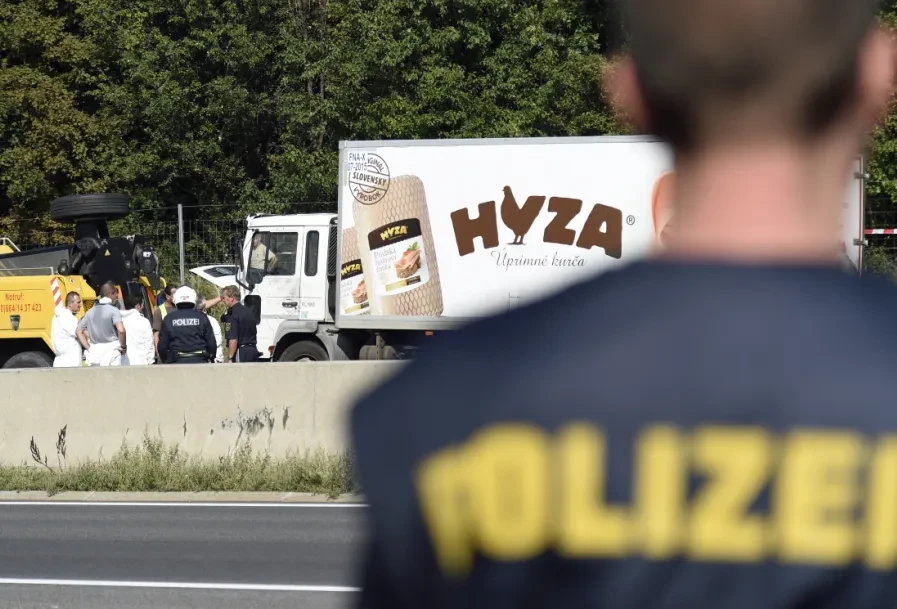
The size of the refugee tragedy in the Austrian Avtoban Europe shocked - 71 deceased, including four children. Everyone suffocated in the back of the refrigerator. All, presumably, were immigrants from Syria and tried to illegally get to Germany to ask for political asylum.
For the first time in the European Union, mass death of refugees occurred. Before the Austrian tragedy, the Balkan traffic of migrants, unlike the Mediterranean route, did without human casualties. The sea crossing on fragile ships from the Libyan coast to Italy has long earned the sad glory of the “Road of Death” - drowned and missing are calculated in thousands.
Austria police in cooperation with the Hungarian colleagues quickly established that the truck that previously owned by the Slovak company of meat products was sold last year and later re -registered in Hungary in the name of the Romanian citizen. The very next day after the tragedy, seven people were detained, of which three were left under arrest - Hungarian and two citizens of Bulgaria. Police representatives believe that these are far from the last arrests, since we are talking about an extensive international network of criminals specializing in the illegal transfer of refugees from Asian countries to Central Europe.
Smuggling illegal delivery is an super -free business. So, on the African coast, local businessmen take from 500 to 800 euros for a place in the boat. The path from Turkey to Europe through the Balkans is estimated even more. In Izmir, for example, migrants offer illegal delivery services to Germany for $ 2,400. The scope of the underground business is evidenced by a kind of advertising avenue that paints in detail the delivery methods, the type of transport and the prices at each stage of the Balkan traffic.
I must say that the police of European countries are not idle. In Serbia, in recent days, 160 taxi drivers lost their license for transporting refugees across the Hungarian border. Almost daily on the roads of Austria and Germany, police stop dozens of various trucks and minibuses with migrants to check. In Bavaria alone, almost 1300 cases of violations associated with illegal migration were registered for the first half of the year. In Austrian prisons, waiting for the court, about 300 carriers of illegal immigrants are sitting. But, as the head of the police department of the Austrian land, Burghenland, rightly noted, where a terrible find was revealed, each truck can’t be checked - they should only be more than 3 thousand on the A4 Autoban Avto Bann every day. And on the refrigerator, the transportation of refugees for the police is for the first time in practice.
And in fact, it is hardly possible to solve all the problems of illegal migration only by police measures. However, political efforts within the European Union are still clearly insufficient to develop a single package of actions.
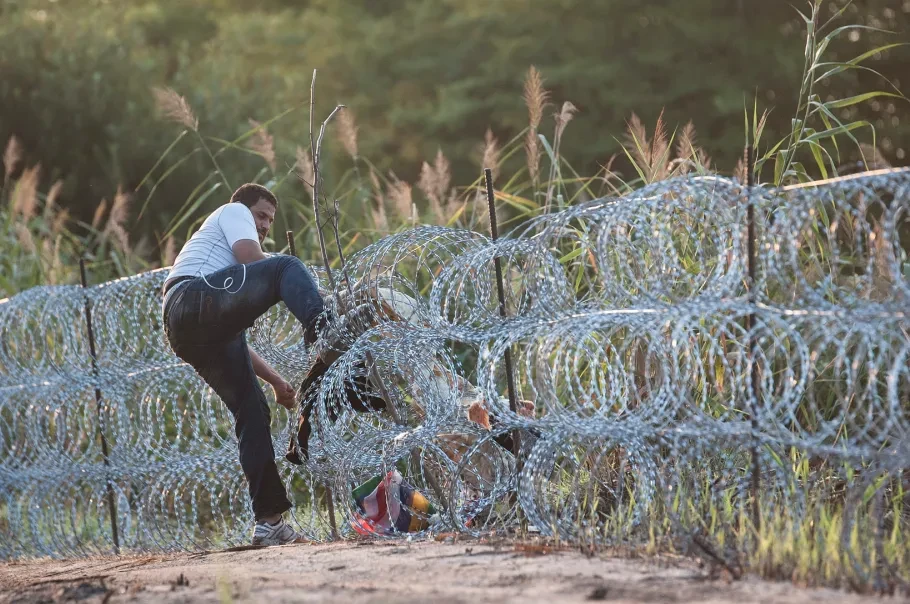
Italy and Greece, without sufficient financial capabilities, actually eliminated the primary registration of refugees (“closing their eyes”, pass them further, deep into old Europe). Hungary, along with the construction of border structures on the border with Serbia, tightens its own migration legislation. Strong disagreements on the issue of quotas on migrants are still preserved: Poland, the Czech Republic, the Baltic countries generally refuse to accept them, Slovakia agrees to let several hundred people, but only a Christian religion ...
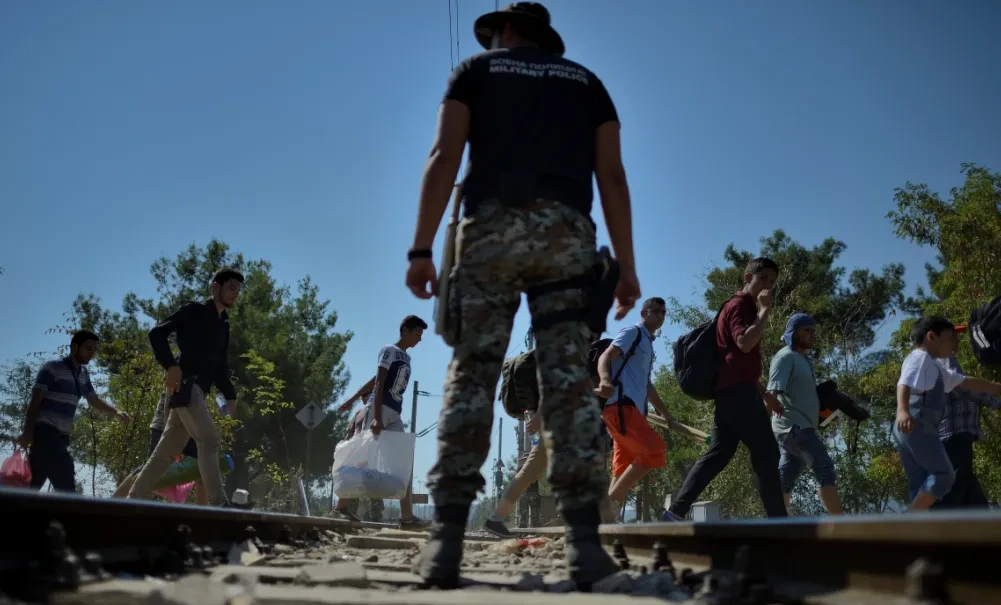
This situation causes criticism of the European bureaucracy not only from public opinion. So, the UN Supreme Commissioner for Refugees Antonio Gutierres called the current system for working with migrants completely useless in Europe. Those 300 thousand refugees that have arrived from January to the European continent, in his opinion, are quite possible for countries such as Greece, Serbia or Macedonia, however, taking into account the total EU population of 510 million, this figure is relatively small.
Meanwhile, the Asian stream of refugees through Turkey continues to grow, on the Macedonian and Hungarian borders, thousands of desperate people are looking for the slightest opportunity to continue their difficult path to a cherished goal. And no one gives guarantees that the Austrian tragedy will not happen again.