
Translated material
"The most tormenting is the unknown"
The infinite, painful expectation of those who have close ones went missing in Chechnya
Hundreds of Chechen families have yet to bury their loved ones, missing more than a decade ago during two wars that fell upon the republic. On the eve of the International Day of victims of violent disappearances, which is celebrated on August 30, Radio Liberty correspondent talked with his parents, who to this day expecting his son - living or dead.
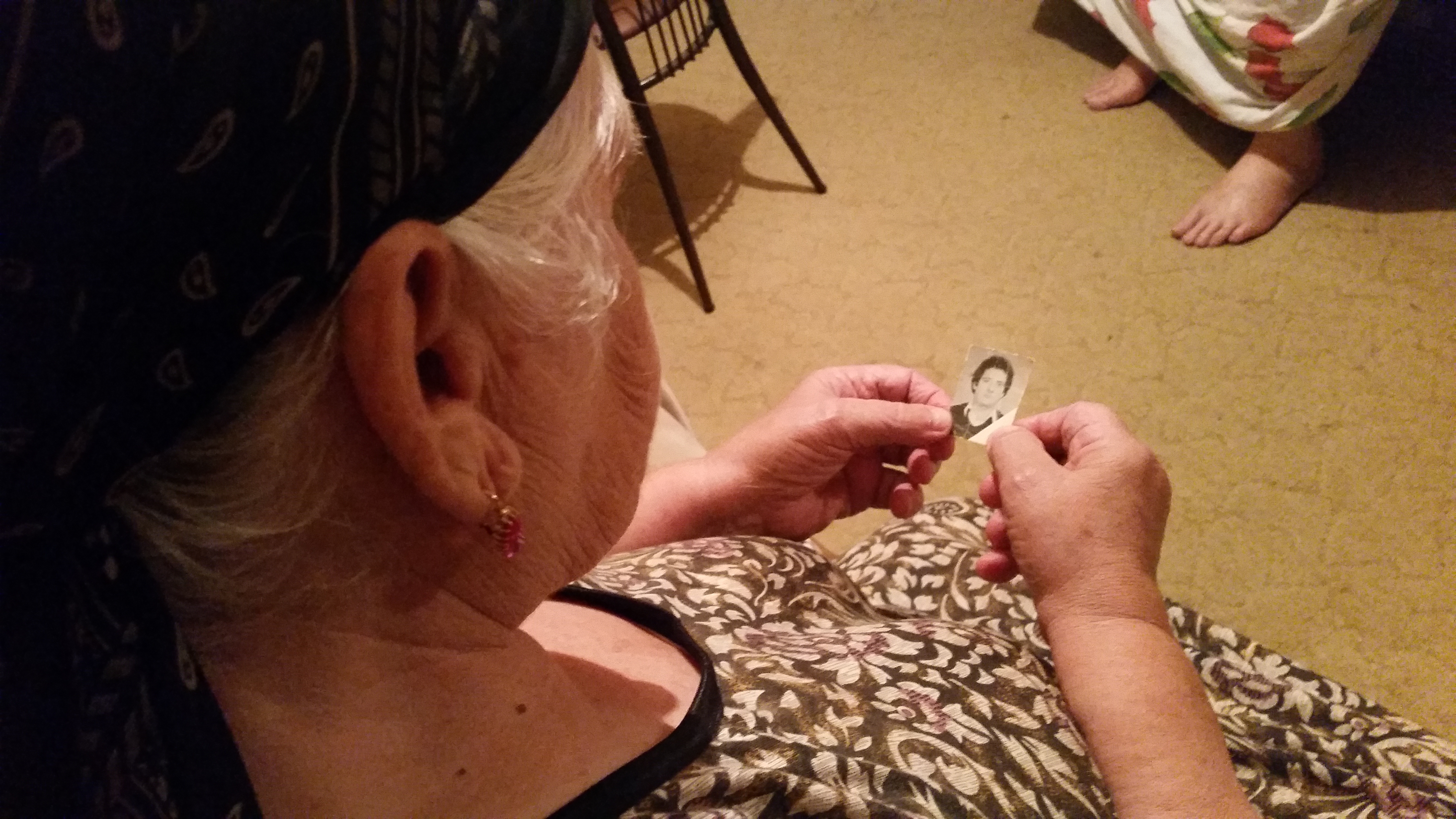
Zura Bataeva carefully holds a small photo card in his hands. With a faded, rumpled photo, a black -haired and curly young man looks at us. This card is all that Bataeva remains in memory of her son hang , missing shortly after the invasion of Russian tanks more than 20 years ago.
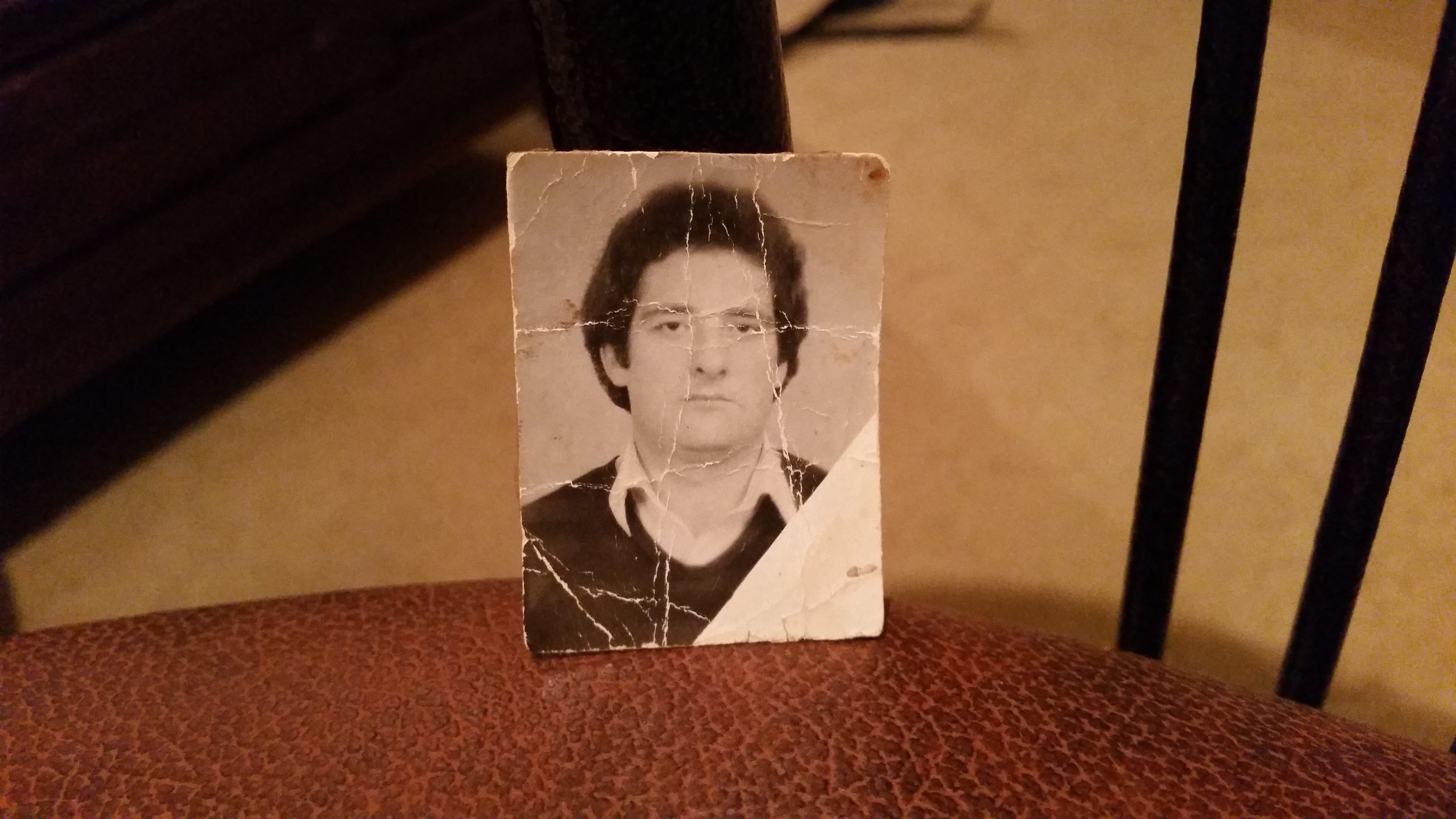
“The worst of all is not to know what happened to him,” Zura Bataeva says nervously with the edge of the scarf. “My only comfort is that when I die, we will be together again.” It is not easy for her to remember her son. The gaze is suspended, the words are slow. After the disappearance, the life for Zura and her husband Abuezida stopped. Their second son, a police officer, was killed. In 1998, a year before the start of the Second Chechen War, he was found dead with multiple chopped wounds on his body. His parents (both Grozny pensioners) to this day cannot find explanations to what happened.
Sometimes I close my eyes and see my son, as if he had returned
Bataevs understand that Visit, most likely, is also not alive. They suspect that he died at the hands of the federal troops, who, trying to discover the connections of local residents with the militants, detained Chechen men for both wars. Many of these detainees were subsequently found dead with traces of torture on the bodies.
The 27-year-old is hanging and his neighbor Musa disappeared on December 31, 1994-on the day the bloody assault on the Terrible federal troops began. According to eyewitnesses, young people took refuge from the artillery at the basement of the hospital, where they were captured by Russian soldiers. Since then, no one has seen them alive. The body of Musa was found later in the Moscow morgue, but the circumstances of his death could not be found out. Parents took the body of his son and buried him in Chechnya.
“Sometimes I close my eyes and see my son, as if he had returned,” Zura says. “I see how he talks to me, how we have lunch at the summer veranda of our house. I see him in a dream.” A painful unknown is familiar to many Chechens. According to human rights activists, as a result of two wars, about 5,000 people are still listed in the lists of missing.
Nobody needs us
Many families, like Bataev, continue to look for their loved ones. They accuse the authorities of indifference. With the help of monetary injections from Moscow, the current head of Chechnya Ramzan Kadyrov carried out a large -scale restoration of Grozny. However, while sparkling skyscrapers are being erected in the city, the painful duty of legending the bodies of the dead in the war lies mainly on the shoulders of human rights activists.
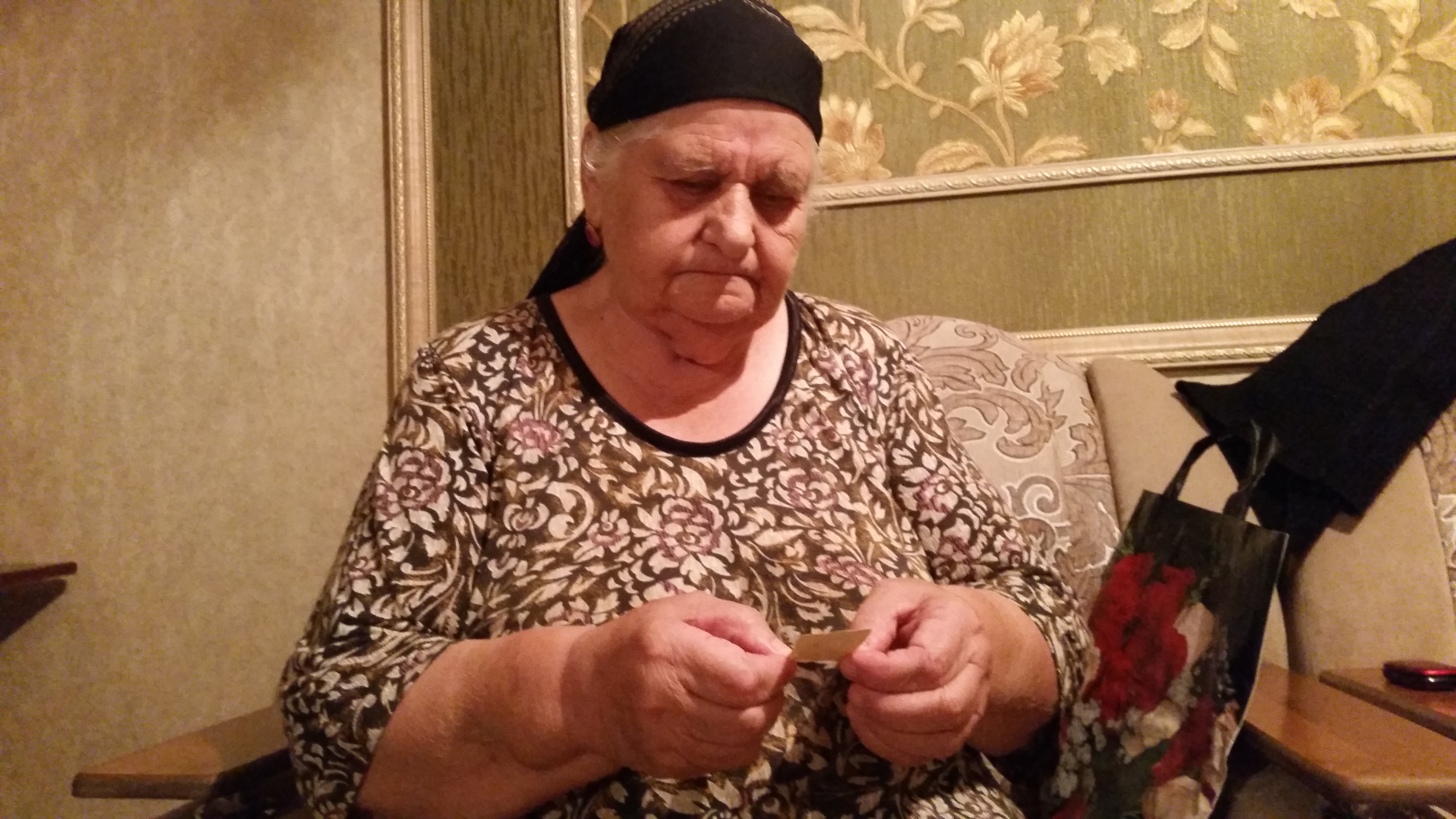
“No one needs us. The government left us alone with our problem,” Visita sighs. “Ordinary people help us a lot, but they have their own problems. Relatives of many of them are also missing.”
According to human rights activists, unnecessary burials remain throughout Chechnya - in basements, in yards, in the fields. The authorities, however, are in no hurry to extract bodies from the ground. The human rights activist Zeynap Mezhidova knows the whereabouts of at least three mass burials, where, according to her, there are the remains of hundreds of people. “These bodies should be identified. We know where they are,” she says. “The authorities are obliged to look for our children.”
Contrary to all, Zura leaves no hope to find his son alive
Despite the repeated promises of Kadyrov, in Chechnya there is still no own forensic examination laboratory. The remains extracted from the general graves are sent for examination to Moscow or Rostov-on-Don, and then returned to Chechnya for burial.
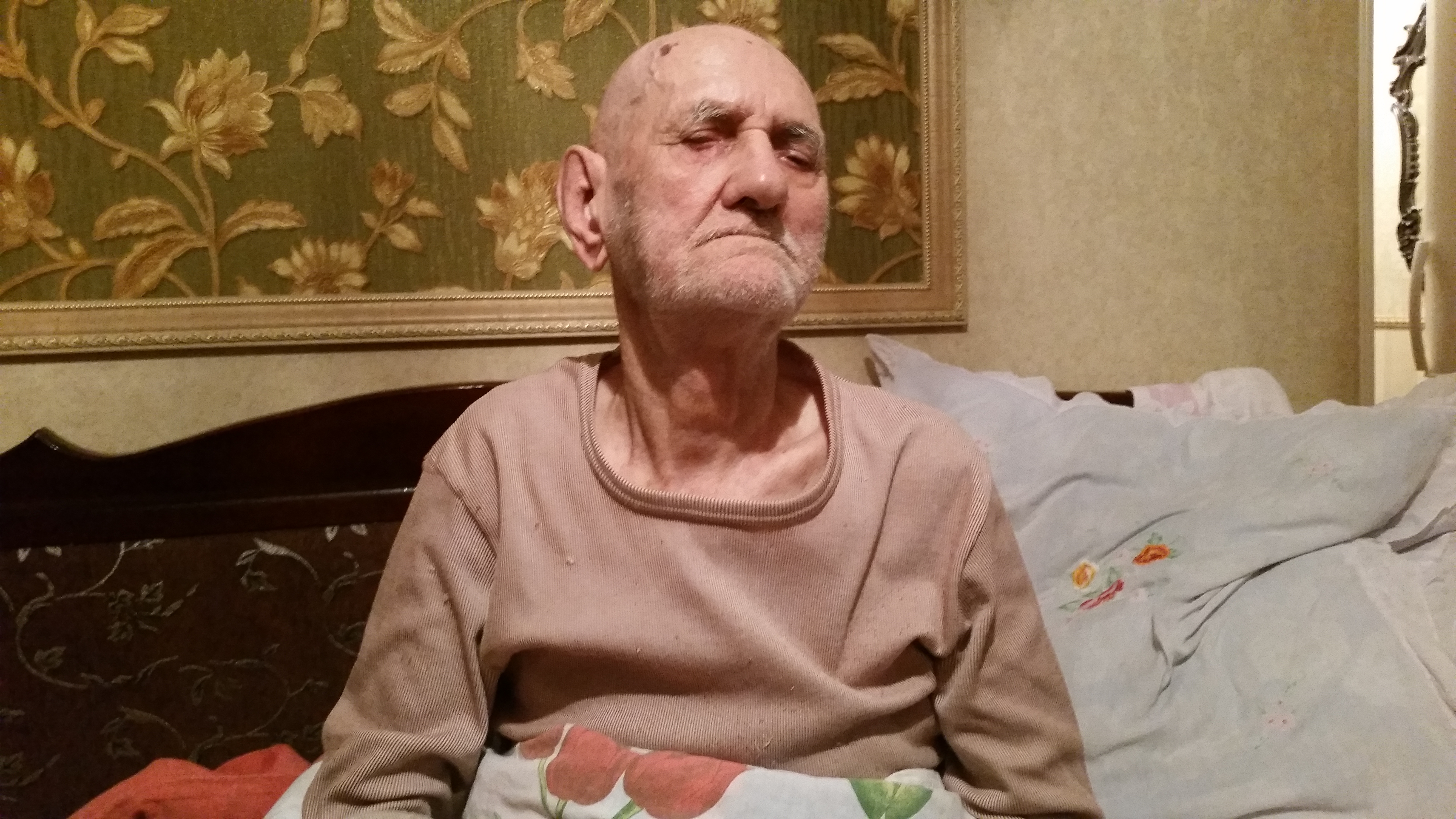
In search of his son, Abuzid Bataev studied numerous mass burials, with his bare hands fingering the remains in them. Once he learned that in a common grave near the Grozny Time Plant, a body was found, according to signs, similar to the body of his son. The name hangs in the documents found next to the body. Abuzid and Zura immediately went to the burial place. When identifying, it turned out that this is not their son. “There were about 250 bodies there,” Zura recalls. “In some of them, the legs were tied with barbed wire.”
In the hope of finding out the fate of Visit, his father even reached the laboratory of forensic examination in Rostov-on-Don. However, he did not find his son there either. Soon after this trip, Abuzid was blind. He considers the result of unbearable grief to loss of vision. Today, he and his wife are no longer able to continue the search for the body of the VISIT. However, contrary to all, Zura leaves no hope to find his son alive.
“When I hear a child on the street, my mother is entangled, I turn around,” she says. “I still hope to meet my son one day.”