
Translated material
Voices of clowns
Transfer of acoustic properties of circus art. The voices of the glory of Polunin, pencil, Igor Taborsky *** Tabasarana from Derbent *** “Our Contemporaries” sound. Why are the Orthodox looking for a refuge in a Catholic shelter in Vyatka. *** "Red dry" with the poet Leo Rubinstein
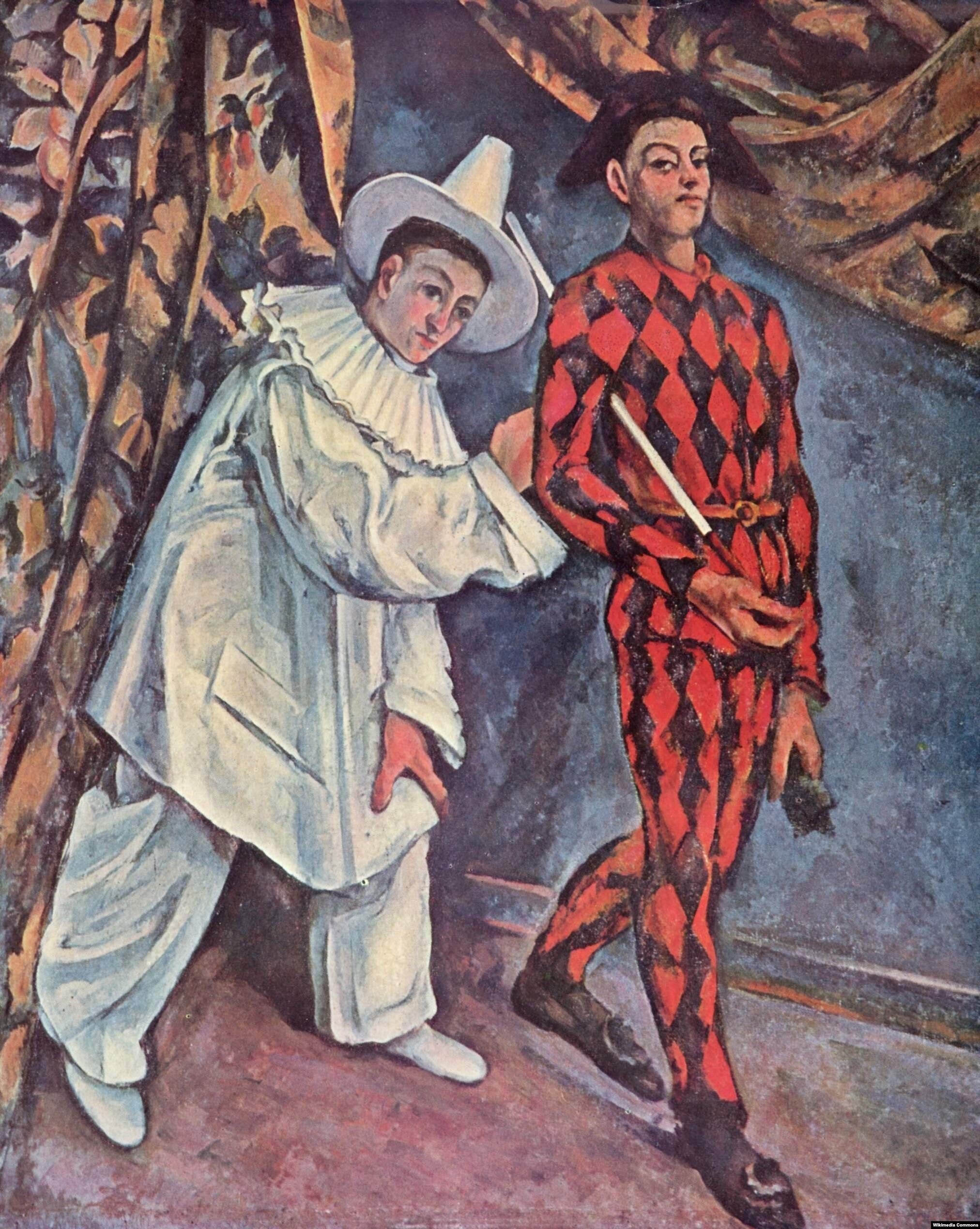
To understand, to feel the circus, of course, it must be seen. For radio - the circus is not the perfect genre. And yet you can try. The circus has its own musical and acoustic signs, maybe not the main, but irreplaceable. What role does the voice play in the clowning? The programs sound the voices of the glory of Polunin, pencil and Igor Taborsky:
“The circus, as a rule, is a large room. It is not adapted to speak there. It is difficult to talk to a large space, before there were no microphones. A special technique of speech was needed. If you are standing on the arena and in front of you are thirty rows going up, then you must try to talk to the last row. Basically, in the circus, all clowns speak high voices, falsettes. An important feature is to stretch vowels. Another important thing is a pause. The sound flies, and you have to give him time to fly. ”
In mid -September, the Dagestan city Derbent celebrates a two thousandth. Different peoples live in Derbent with different culture, customs, religion, among them are Tabasarana ..
“What are Tabasaranes? What are they? At the moment, the birth rate is the first in Russia. Seven to eight children in the family is the norm. In my family - 10 children. All are alive and well. "
“I walked for water with a jug on my back. And he looked at me through the window. I saw my long braid, and his parents came to woo me. True, I did not see his face, but my father gave me married because he knew his father. There was also a mathematics teacher. My father believed that the groom would look like his father. I have seven sisters, and everyone got married like that. Not one divorced. "
"Our contemporaries"
Three Tatyana tell. All of them are Orthodox, but they found refuge in a Catholic shelter in Vyatka.
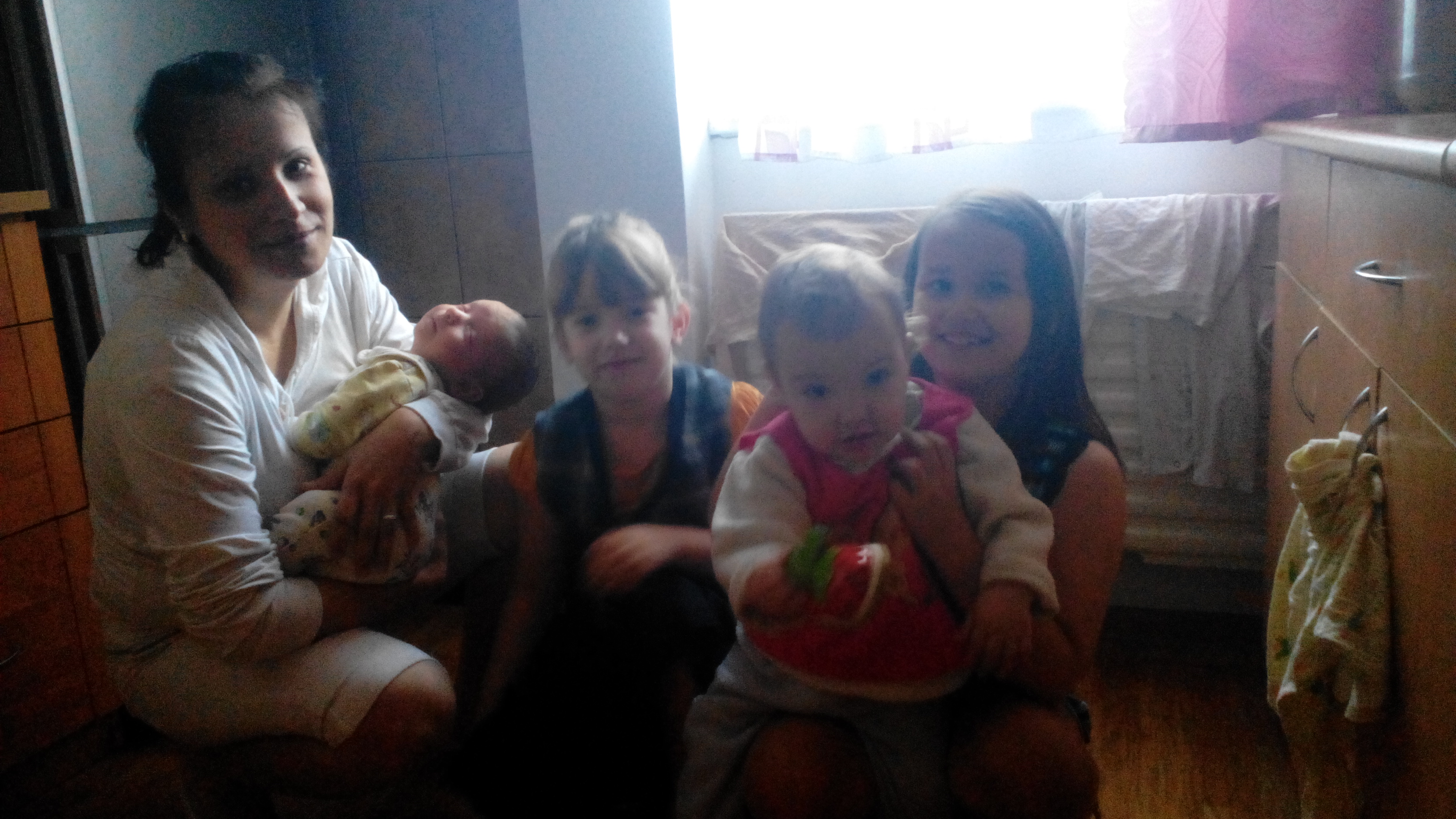
“God gave me a son and three beauties-daughter. When I walk along the street, people look back at me, and the expression of faces is so strange: “Fool! So, it’s hard to live, and she started four children! ” And I have one in a stroller, the other was suspended in Kangaroo, and two more hands hold on! And if I had not paid abortions, I would have seven children! "
The theme of today's program "Red Dry" is alcohol and language, alcohol and vocabulary.
The topic is rich. Each of us, without looking into the dictionary, can immediately recall the dozen synonyms of the word “drink”: attach, clat, pull, grind, cut, sink, stretch, tale, skip, soak the throat, figure it out on three, for intellectual people - “lay up for a tie, and for highly educated ones”, “commit an end” “Bring the victim of the bacch”, and having already brought this very sacrifice-to get drunk to the checks, to the green serpent.
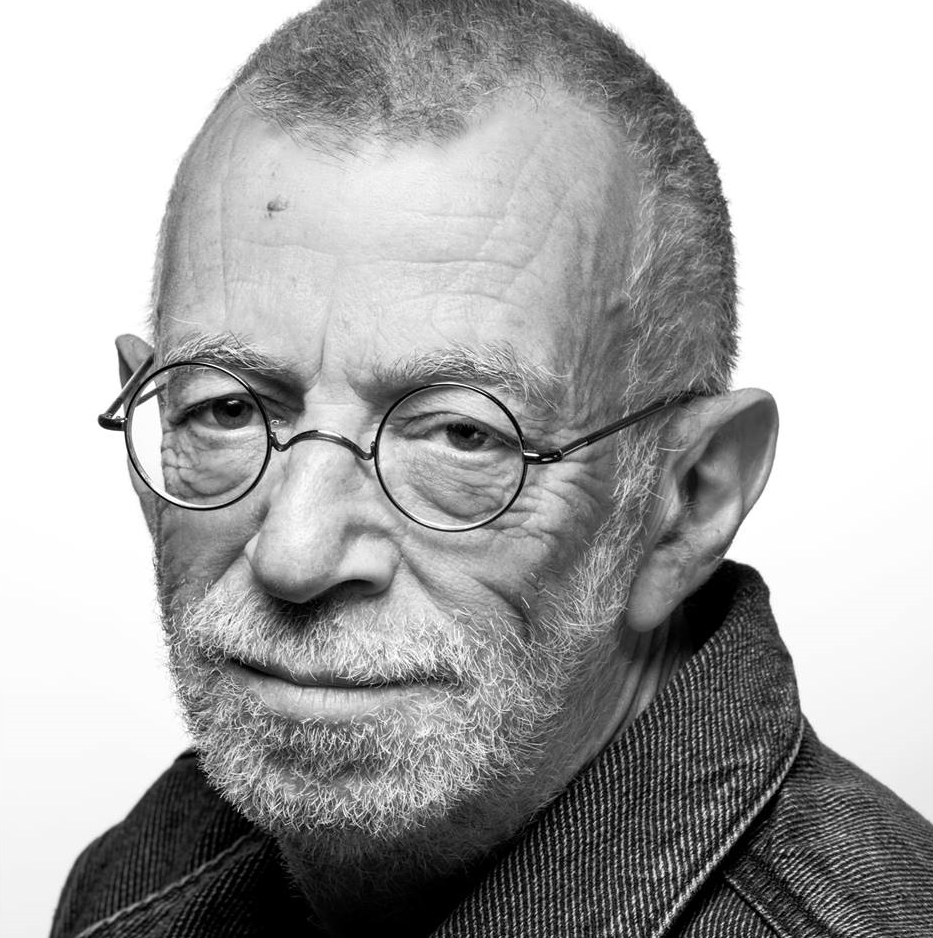
To talk about alcohol vocabulary, I invited an intelligent, poet, author of the book of essays "Cases from the Language" Lev Rubinstein :
“In a decent Jewish family, alcohol and drunkenness spoke in sharply negative colors, because some drunken neighbors lived nearby. But when the guests came, they drank in the family. Moreover, vodka was on the table, but it was never served in a bottle, it was indecent. Vodka was necessarily in the countess, infused with crusts. Mostly they drank all sorts of wine "