
Translated material
Roskomnadzor did not find violations in Windows 10
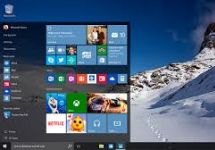
Roskomnadzor did not find contradictions in the activities of Microsoft the law on information protection. This is stated in the response of the department to the request of the vice-speaker of the State Duma Nikolai Levichv, reports RIA Novosti.
In his response, Roskomnadzor pointed out that the Microsoft Windows 10 operating system, which Levichev expressed, does not fall under the law on information, and Microsoft cannot be regarded as the organizer of the dissemination of information on the Internet. The agency also noted that Windows 10 users, accepting a license agreement, give Microsoft their consent to collect their data.
On August 21, Levichv turned to the head of Roskomnadzor Alexander Zharov with a requestto check the activities of Microsoft for compliance with the requirements of the law on information and, if necessary, take measures provided for by Russian law.
“PC users, updating their operating system to Windows 10, agree that Microsoft will collect passwords, passwords and other data used to check authenticity and access to accounts,” Levichv said. “The American corporation will be able to open voice and multimedia messages and other personal information of all Windows that have established Windows 10. Microsoft directly indicates that the above -mentioned personal data can be stored and processed in the USA or any other country for an unlimited period of time. "
On August 11, the State Duma deputy Communist Vadim Solovyov sent a similar request to the prosecutor general of Russia Yuri Chaika . Already in the licensed agreement of the new operating system, Microsoft prescribes its right to disclose information, Soloviev noted. At the same time, he recalled that the personal data of citizens should be processed and stored on the territory of Russia, and collecting and processing can only be carried out by organizations that are included in the appropriate register.
Many Russian state structures use Windows operating systems in the work, the communist noted. In his opinion, a leakage of secret information to foreign special services is possible. “In fact, we are talking about espionage,” Zavil Soloviev.
In the request, he asked for an audit of the company, as well as “take measures to block the corresponding Internet resource from which it is possible to download this software product before making the final decision on its admission to the Russian market, as well as the warning to the executive and legislative authorities of the Russian Federation to use this software product on their devices.”
Denis Davydov, Chairman of the Board of the Safe Internet League, agreed with Solovyov. However, in his opinion, the situation can only change with the advent of similar domestic software products. "The fears of the deputies are correct. However, while we do not have our own developments - operating systems, office packages and other things, it is unlikely that any checks will be able to bring a significant result," Davydov said.