
Translated material
Orphans and orphans in spirit
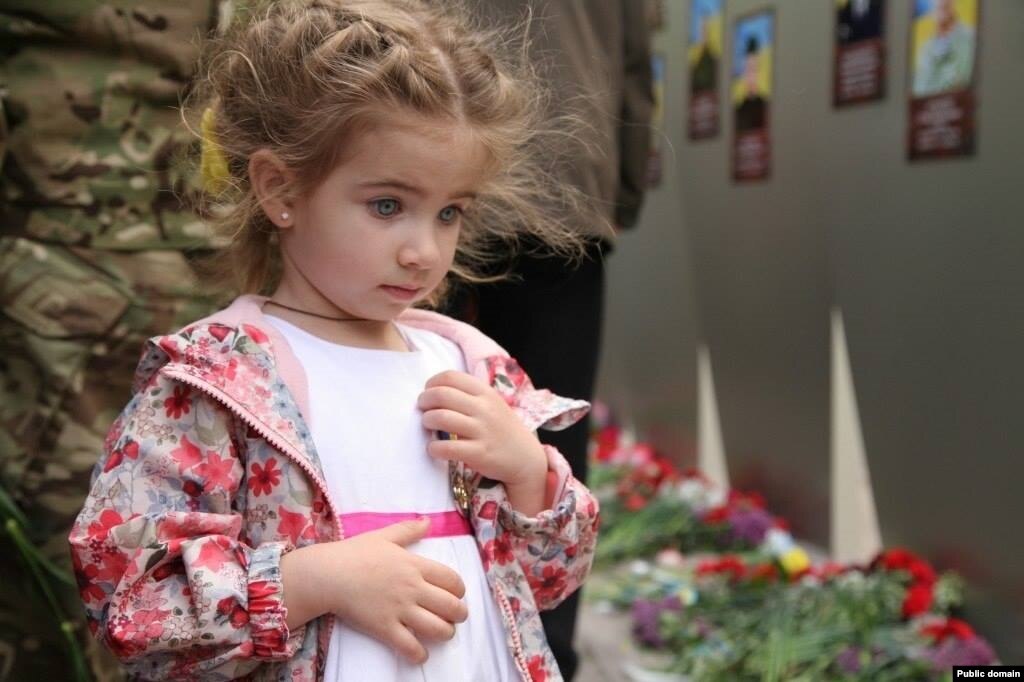
Will the Heavenly Father will help devoid of ordinary fathers and mothers?
Yakov Krotov: This release of our program is dedicated to a meeting with Alexander Gezalov, who in itself is a whole phenomenon, one of the few orphanages who achieved success in life, the author of Salty Childhood. First of all, we will talk about the heavenly father, simply for the simple reason that very often well -educated unbelievers, see a priest and say: “What do you believe in? After all, Freud has already clearly proved that God is just a projection of children's dreams. There is an earthly father, a person knows him. He then takes and projects to heaven. The same father turns out, only big.” And in front of me a person with the experience of the lack of experience of the earthly father. You were baptized at 33. What would you answer such an atheist? There is no experience of paternity, but there is a meeting with God.
Alexander Gezalov: In the 70s, back in Soviet times, I intuitively felt that something was happening around. I attended the church back in 1978 in the city of Suzdal. Everyone went in red ties, and I went there. I understood little, and now I don’t understand much. But this feeling of the difference ... It was very different from the world in which the state placed me. I went to pioneer camps, all sorts of raids there and so on ... And there I felt that the questions that were 7-year-old, were somehow resolved by themselves. Calmness appeared.
Yakov Krotov: 7 years old is age on the verge. These can be even earlier questions about death, there may be later questions about justice. What did you have?
It was a matter of salvation - to avoid cruelty, peace, understand that not everything is so bad
Alexander Gezalov: And I had everything together. I thought about death and think now. And justice as such was not obvious then, but I felt that something was wrong, not so. It seems that I am the same boy as those homemade, but for some reason I live in this cruel world where the family and the state sent me. It was probably a matter of salvation - to try to somehow avoid cruelty, peace, understand that not everything is so bad. Some kind of children's attempt to hide from the bombing that took place around. I went a lot where I went. But this place was probably the brightest. And now it is the brightest.
Yakov Krotov: Religion, on Marx - opium.
Alexander Gezalov: And I never gathered and is not going to prove anything to anyone, especially an atheist. I have my own way. I myself try to answer before God. I live unprovenly. I just live.
Once we built a chapel for convicts in the investigative isolator. I pierced her for 9 years. Two convicts who were assigned to me were brought to me. And the first thing they said: "Thank God that we do not believe in God." Then they began to help and bounced in this chapel, and came to freedom, it seems to me, others.
Yakov Krotov: Have you contacted them after release?
Alexander Gezalov: Unfortunately, no. But they sat there for a long time, so we talked with them for several years. I saw that they have some progress. They have many unresolved questions precisely on the spiritual level, and they begin to think about it. I am not a guide for the idea that everyone needs to be planted so that they all stand up at the icon and pray, but there is an attempt to lay in them the desire to change something in a spiritual plan. My brother, while in prison after the orphanage, also came to the conclusion that he was bounced, and began to go to the prison temple. Apparently, there was some need inside, and he tried to realize it.
Yakov Krotov: My experience of communicating with people, who, in the conditions of lack of freedom (prisons, army), came to faith, sad in the sense that 99 out of 100 in prison go to the temple, but having freed - no.
I myself try to answer before God. I live unprovenly. Just alive
Alexander Gezalov: And only 7%go in prison. In the orphanage, I tried to avoid cruelty - I went to the temple, and they are trying to occupy their free time in order not to do something else - they go to the temple.
Yakov Krotov: When I read about you and you, in one place there was some inconsistency. Some article said that you decided to find your classmates, but found that they all had already died out or sit. But in your own book you wrote that just your class is successful.
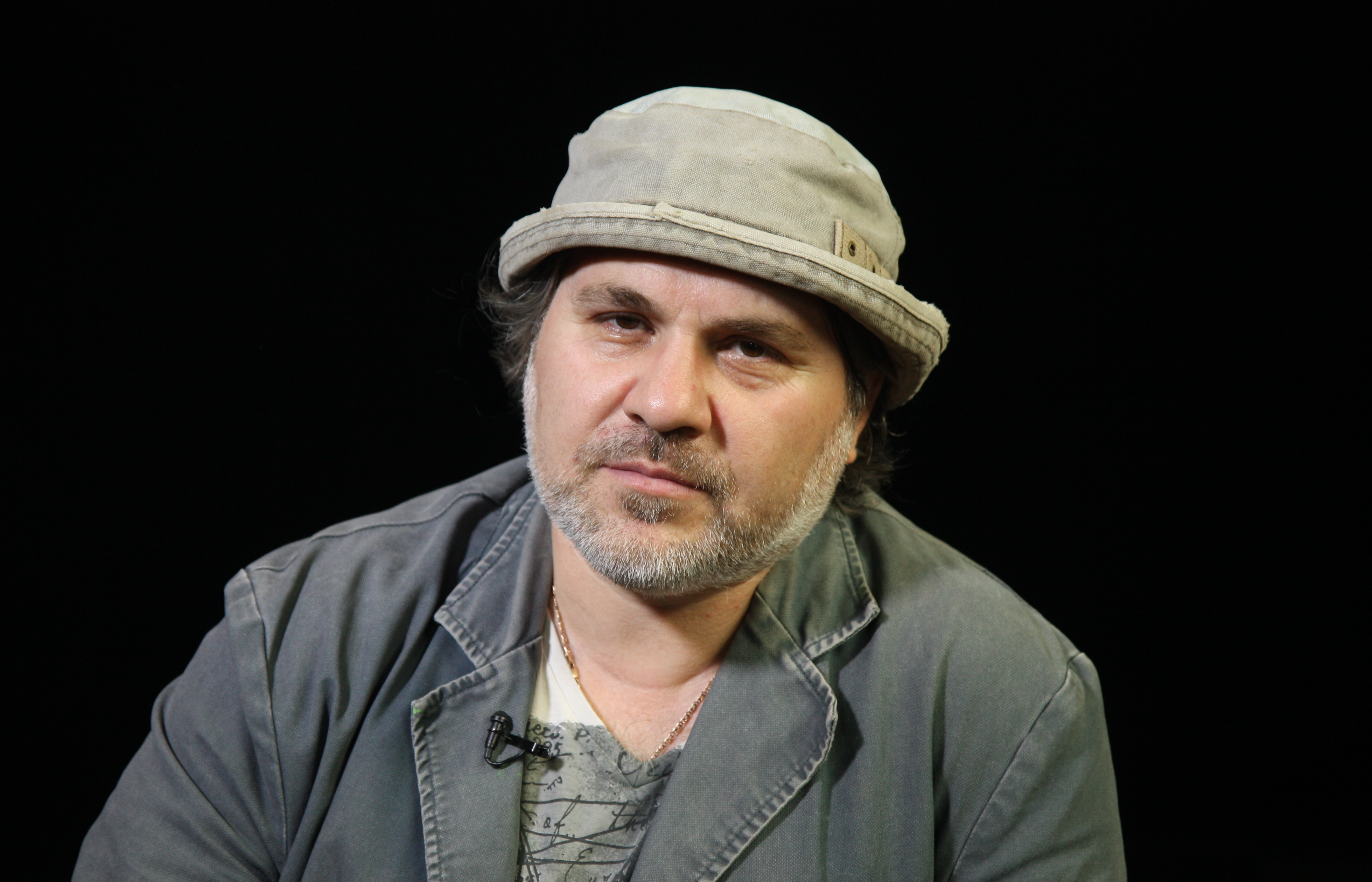
Alexander Gezalov: The fact is that our class is actually the whole. And those who came out after me, who sat in prisons, who died and so on. I practically do not meet qualitative residence, because this orphan childhood is catching up with everyone. And then it breaks. I also had all kinds of ... it seems, we have to go forward, paternity has not yet appeared, the responsibility has not yet found it, and something else, more and more. And still there is a certain cotton wool, a vacuum. Many are trying to solve this with alcohol, many with cruelty. I tried to come to Vera and try to post something inside myself there.
Yakov Krotov: In your biography there is an interesting moment. You write that it is inexplicable. Do I understand correctly that you had this - Suzdal orphanage, the elders who atrocities and torture the younger ones, and there are still medium. Purely military three -stage gradation. And here is the moment of the shift - you become the eldest. And suddenly your class refuses to take anger at those who tortured you, refuses to torture the younger ones and interrupts this grandfather. Why?
This orphan childhood is catching up with everyone
Alexander Gezalov: When we were small, we constantly discussed it ... You look at the photos of the pupils of orphanages: they have very adults, sometimes senile eyes. Inside there is such a processing of all these difficulties and unbelief into something that they begin to cool. And we all the time discussed who we would become. I personally had no desire to become this cruel mentor, that is, a person who will rebuild this model for a new one in order to receive benefits. It seemed to me then that it would be unfair to everyone who is there. First of all, this is a system built by the educational system, the employees themselves. Then this, indeed, will be fruit, these same children will torment other children. But the most cruel (then I noticed it on myself) - the desire to take revenge remains.
Yakov Krotov: Even if you take revenge?
Alexander Gezalov: Yes.
Yakov Krotov: Is it growing?
Alexander Gezalov: Now not, but then I had a desire to go out and deal with those who hung me, burned and strangled me in a gas chamber. Now I was called one boy with whom we were in the same group, but he was younger. He said: "I still want to do something." He has this revenge in any way. But these people are already over 50. To interrupt life only because I have a certain moral right to this ... I somehow postponed it. We stopped not only internal cruelty, but also this desire to take revenge over time.
The desire to take revenge remains
Those who came out later, whom I met (now one boy is serving 25 years for murder), they remember about me as a normal kid, in a good sense of the word. For me, this is also a confirmation that I did not become a guide for anger, brutality, cruelty. This, in my opinion, was fundamental. Although there were those who wanted, on the contrary, to continue this banquet. But I thought that all this is hopeless. Cruelty inside - then it will catch up with it anyway.
Yakov Krotov: How old were you at that moment, when did you think so?
Alexander Gezalov: Probably 10 years.
Yakov Krotov: Are you sure that at 10 years you really assessed the prospect?
Alexander Gezalov: Yes. The fact is that those who left, then they came. It is not necessary that graduates of orphanages come to the orphanage. This horror, which has been there for 8 years, lasted another 6 years. I constantly saw these people. And when I saw them at 13 and at the age of 14, we just all gathered and left the orphanage. The orphanage was empty. I was worried that I had hell here, and it continues because they continue to come and try to build us so that we would build those who are younger. And here we began to stock up on knives, and slingshots with bolts to shoot these villains from the windows. But I coped.
Yakov Krotov: Why did it stop?
Alexander Gezalov: Sometimes I myself cannot find the answer. How can one think that “I will not be cruel” at 10? Maybe because inside the system itself it was constant grief and rigidity were uncomfortable. Personally, it was really uncomfortable for me that I would be forced to call, force, mutter, manipulate younger children.
Yakov Krotov: Recently there was a film about an orphanage, there is a rather depraved director and so on. And suddenly the military instruction, the manager began to teach children to take revenge, defend themselves. And there in the final children converge, there are thousands of them. This is the final of revenge.
Personally, it was uncomfortable for me that I would be forced to force, mutate, manipulate younger children
Alexander Gezalov: I constantly monitor films that are associated with orphanages. These are the films "Boys", "Bastards", "French Lesson". Indeed, you, being there, are constantly under pressure, under the press that your strength is in your fist and in your desire to be strong. You can’t be weak. What we showed was actually weak, because you can’t cry in the system, you can’t complain, you can’t yabed.
Yakov Krotov: I know a lot about the old history of orphanages - under Stalin, a little later. With all the nightmares that I know, there, nevertheless, the directors did not beat the pupils of heels in the face.
Alexander Gezalov: There is a wonderful film "Wounding" with Gubenko, Bykov, Evstigneev. The then orphans were different. These were the children of the heroes of the war. Then there was a heroic time. And then...
Yakov Krotov: Alexander Samedovich, but they stole, stole!
Alexander Gezalov: Well, what to do?! Everywhere and always stole.
Yakov Krotov: And if some steal, then others die of hunger.
Alexander Gezalov: A new generation of people appeared that began to hand over children, because the state said - o'key, you are handing over, we take. And there was objectively a large number of orphans whose parents died. And part of the society took responsibility for this, and socialization and adaptation were quite successful. At that time there was no such debauchery in the media, there was no such stratification of society and everything else that we have today.
In the late 40s, in the 50s there were more idealism
Yakov Krotov: Yes, in the late 40s, in the 50s there were more idealism. True, he looked like a biblical colossus, which has a golden head and clay legs. I think that in fact, the percentage of socialization was not very high and then, because the orphanages knew that they were lying. They told me how the deceased Furtsev in pioneer camps - tons! I think that the current generation of Soviet people, perhaps, is happy, because they don’t really lie to them: no one is talking about communism.
Alexander Gezalov: When a lie becomes the norm of life, a false truth also appears.
Yakov Krotov: Your book is just about the difficult for the people like you, orphanages. She surprised me a little, because at first we are talking about some great things (the choice of a wife, husband, meaning of life), and then about a toothbrush, two pipettes in a first -aid kit and so on. In mine, a home child, a presentation should be the other way around. But then it seemed to me that this is just your strong side when you say that a person should have a vision of 6-7 years.
Alexander Gezalov: Of course.
Yakov Krotov: Did you have it?
Alexander Gezalov: Apparently, yes.
Yakov Krotov: Why do not others have it? Is it to form? As I understand it, you really hope for the church. You say this in direct text.
Alexander Gezalov: I hope that a person by his weakness will still look for the way.
Yakov Krotov: If a person will look for a path from weakness, then he will find a very crooked path. Maybe look for the path from power?
I hope that a person by his weakness will still look for the way
Alexander Gezalov: We have a lot of managers on our strength. The person is still weak.
Yakov Krotov: Do you consider pride by force or weakness?
Alexander Gezalov: I think this is by force.
Yakov Krotov: Pride?!
Alexander Gezalov: Yes, which is not needed by a person, but it is precisely weakness, like a woman.
Yakov Krotov: Rather, I agree with Freud here that pride is a manifestation of weakness.
Alexander Gezalov: weaknesses, but this is an instrument for power in our society.
Yakov Krotov: For violence.
Alexander Gezalov: Yes.
Yakov Krotov: But strength and violence are opposite.
Alexander Gezalov: Unfortunately, this is also a substitution. And a person lives precisely by this tool. For example, there is Christian ethics, there is public, moral, and corporate ethics appear when a person constantly offers new survival models in society through the adaptation of managerial management.
Yakov Krotov: Are these books like "How to become a bitch"?
Alexander Gezalov: Yes, "how to become a villain" and at the same time control the world.
Yakov Krotov: I don’t remember something among this world ... Angel Merkel is not a bitch, or the Lithuanian president. Something I do not remember the people who have come from these books.
Alexander Gezalov: In politics, it is very difficult to be moral. The tools are used in order to achieve some of its goals - public recognition and so on.
Yakov Krotov: This is sociopathy.
In politics, it is very difficult to be moral
Alexander Gezalov: Yes, but when you are brutally treated, you must also be strong, and this, in fact, is weak. A person tries to seem strong, tries to pump muscles, do something else. Arriving in prison and playing football with the guys there, I see that they are all physically strong. But this did not help that they remain free, because the whole physical component is not a spiritual component. Therefore, they very calmly gave someone in the eye, someone was taken from someone and so on. I personally never had a desire to use this power, although I was constantly invited to the organized crime group.
Yakov Krotov: What is this? ..
Alexander Gezalov: An organized criminal group. After all, I want to eat well, and look good, and manage someone. And living a fool is very difficult. And so I chose, probably, such a moment that I could not stick out and do not seem bright ...
Yakov Krotov: The way you live in red pants and without taking off your hats, with endless performances, books and so on - is it you called "not to lean out"?
Alexander Gezalov: This is "not to lean out."
Yakov Krotov: And then what is in your view to "lean out"?
Alexander Gezalov: This is when you achieve the situation in society, and then spit on this society. I don’t spit on him, I work with him and live in him at the norm that is today - and being a large father, and not working anywhere, and trying to find a resource in order to feed my family. This is also quite strange in today's space.
Yakov Krotov: You are trying to help those who go through an orphanage. But you write somewhere that your goal is that there are no orphanages at all. I think this is just a Christian goal. And if they disappear? They took all the orphans. How many are there?
Alexander Gezalov: 76 thousand in the data bank.
Yakov Krotov: The country has 130 million people, 50 thousand families. They were all dismantled. And what would you do?
I love fishing very much. I would sit all day, but there is no such possibility
Alexander Gezalov: I would go fishing. I love fishing very much. I would sit all day, but there is no such opportunity. There is a very good film, where Bykov and Yankovsky go on the cart, and Bykov says: "This is the time when there will be no one, there will be no prisons, and everyone will be free." Yankovsky told him to this (in my opinion, this is the film "Two Comrades served"): "What are you?! It was always and will always be." So I do not quite believe that there will be no these institutions, because we always have situations in which they either refuse, either throw it away, or kill ... not quite an idealistic picture.
Yakov Krotov: There is simply the experience of countries where there are no orphanages.
Alexander Gezalov: Everywhere there are orphanages. Only they are called campus. For example, in the same America there are orphanages where children under 100 people are still there for 3 months, in the state system. And now, according to the 481st resolution, the child must be temporarily in this institution.
Yakov Krotov: Back to the prospect. Do you think home children have a prospect?
Alexander Gezalov: There is.
Yakov Krotov: I recall Makarenko, who very often repeated: what he does with street children is, of course, very nice ...
Alexander Gezalov: Makarenko would now sit in prison with our orphans.
Yakov Krotov: Why?
Alexander Gezalov: Because then there were other orphanages. We now have no difficulty in orphanages. Children do not work there.
Yakov Krotov: And they decompose softly.
Makarenko would now sit in prison with our orphans
Alexander Gezalov: And he would begin to apply it, and his prosecutor’s office for white pens ... Several directors of orphanages are already sitting.
Yakov Krotov: But he always said that it would be much more difficult with children who have a normal family. And he is not sure that he would have dealt with them.
Here I am - a domestic child, albeit without trouble, and you are a child on which the coals have not just fried. Do you have some kind of preference in comparison with me, or do I have it?
Alexander Gezalov: The fact is that children's losses are like a sausage. This flask is always filled with you, and I have air there. And in order to try to finish this flask, you first need to pump this air. But I can no longer do this. Этот воздух всегда будет там. Это утрата настоящего детства…
Яков Кротов: Вот у меня отец сидел 18 лет, его не было, а мать все эти годы вкалывала, потому что много детей…
Александр Гезалов: Но это все равно мать. Детдом же - не мать и не отец. Это же система. Просто это файловые подкачки содержания детства - иногда вернувшейся матери, сделавшей пироги или блины, а не постоянно находящийся рядом воспитатель, которому на тебя наплевать. Ты выходишь оттуда таким вот зверем, потому что тебя там делают борцом. Ты против всех, и все против тебя. Сначала ты в системе борешься с самой системой, а потом выходишь и начинаешь доказывать системе, что ты тоже что-то можешь, и система тоже начинает тебя ломать, потому что ты непонятен, ты живешь по другим законам.
Детдом же - не мать и не отец. Это же система
Домашний ребенок, худо-бедно, знает общественное устройство. А мы знаем только зазаборную систему, в рамках которой - вот твоя суповая тарелка, вот твоя кровать. Личных вещей нет, самовыражение – нельзя, вякнул – заткнись. И это приводит к тому, что ты выходишь оттуда на слабых ножках, и очень много чего надо будет пройти, прежде чем состояться. Как птенец, которому частично отрезали крыло и сказали – давай.
Яков Кротов: Как описано у вас в "Соленом детстве", это даже не птенец с отрезанным крылом, а просто цыпленок табака, который вдруг воскрес и летит.
Владимир Буковский в свое время, когда его только обменяли, на вопросы журналистов: "сколько, по-вашему, заключенных в СССР?" схохмил: "340 миллионов", то есть все население СССР. Вы бы согласились с тем, что детдомовская психология у всех жителей России?
Александр Гезалов: Да нет, наверное. Пока в реальности не побываешь… Это все равно, что говорить о человеке, который был на фронте.
Яков Кротов: Конечно, у кого суп жидок, а у кого жемчуг мелок. У кого мама поздно с работы пришла…
Александр Гезалов: Но пришла! А к кому-то вообще не пришла и не придет.
Яков Кротов: Вы неуклонно пытаетесь донести до себя сегодняшнего: не будь инфантильным… Но ведь об инфантилизме хором говорят, как об основной черте советского или современного российского человека.
Александр Гезалов: Да. Но у меня есть ощущение, что до адресата это не доходит. Пока еще ничего не состоялось, потому что идет отторжение, ярость, неверие, недоверие. Попытаться это переломить, наверное, пока не удается, хотя много пишут и выступают по этому поводу. Мне кажется, в наших людях очень крепко сидит какое-то советское восприятие и общества, и мира.
Яков Кротов: Вы построили четыре церкви?
Александр Гезалов: Всего - шесть. Две сожгли.
Яков Кротов: Я всегда чуть-чуть побаиваюсь, когда слышу про часовню в тюрьме, про уроки закона Божьего в школах, про детдом, рядом с которым вы, я так понимаю, сознательно ставили храм.
Александр Гезалов: Рядом с интернатом.
У ребенка нет выбора, у заключенного нет выбора
Яков Кротов: Я скажу, чего я побаиваюсь. У ребенка нет выбора, у заключенного нет выбора.
Александр Гезалов: Почему?! Я в 10 лет сделал выбор. Я остановился. Как Христос пришел, рабовладельческий строй упал, грубо говоря.
Яков Кротов: Я прочел текст ваших воспоминаний, где священник говорит, что Господь не протестовал. Но я вам скажу, как историк, что это неверно.
Александр Гезалов: Может быть, но хочется в это верить.
Яков Кротов: По той простой причине, что в России рабство было упразднено в 1861 году 19 февраля, и то некоторые считают, что не до конца. Были христиане-рабовладельцы, были и остаются.
Александр Гезалов: Это понятно. Я имею в виду, что внутреннего раба в себе…
Яков Кротов: Убить в себе раба не так трудно, как убить в себе рабовладельца.
Александр Гезалов: Все зависит от раба.
Убить в себе раба не так трудно, как убить в себе рабовладельца
Яков Кротов: Вы не жалеете, что вы тратили столько сил на храмоздательство?
Александр Гезалов: Был такой период, когда у меня ничего не было. У меня и сейчас-то особо ничего нет.
Яков Кротов: Четверо детей!
Александр Гезалов: У меня не было жилья, прописки, машины, дачи, не было жены. В общественном пространстве я слыл дурачком. И я понимал, что ничего не теряю, а приобретаю то, что делаю, пытаясь построить церковь, хотя вокруг чего только не было... Сейчас, уже что-то приобретя, в том числе четверых детей, я бы, наверное, не начал строить церковь.
Яков Кротов: Сейчас программа пошаговой доступности церкви через коленку ломится в жизнь.
Александр Гезалов: Я к угнетающей верхушке уже не принадлежу.
Я пришел к владыке Эммануилу, тогдашнему митрополиту, и просил его благословить в честь иконы Божьей Матери Владимирской, потому что я сам из Владимира. Но он каждый раз и сам находил какие-то свои решения, может быть, правильные, но то, что я хотел, я так и не смог сделать. Я хотел сделать некую благодарность Богу за то, что я до сих пор живу. У Высоцкого есть такая песня "Кому сказать спасибо, что живой?" Оглядываясь на весь этот жизненный путь, я не знаю людей, которым я мог бы сказать за это спасибо.
Яков Кротов: В своих мемуарах вы это "спасибо" сказали не меньше 10 раз.
Александр Гезалов: Я имею в виду «спасибо» с большой буквы. Человек что-то сделал, а потом наступал период, когда то, что было сделано, уже нельзя было реализовать. Появлялись новые вызовы, а рядом никого не оказывалось.
Яков Кротов: Но это же не обесценивает предыдущего добра.
Александр Гезалов: Не обесценивает, но когда на тебя постоянно идет давление, и ты вынужден каждый раз находиться в выборе между черным и белым, тебе все время до 33 лет нужно постоянно делать выбор… У домашних выбор, в какой-то степени, делают родители. А здесь постоянно – сделать так, чтобы быстро получить то, что ты хочешь, или все-таки посидеть в рубище?
Яков Кротов: Какой-то палисадничек между собой и будущим – нейтральная полоса.
Александр Гезалов: Где цветы замечательной красы.
Яков Кротов: Наоборот, где такая пустыня.
Неясность будущности, а ты без корней, с чистого листа
Александр Гезалов: Наверное, демаркационная зона, где никто не стреляет. Ты постоянно размышляешь над тем, как прошел твой день, как построить завтра, что будет послезавтра. Неясность будущности, а ты без корней, с чистого листа... И вот каждый раз пытаться представить себя вершителем самого себя – это очень тяжело.
Яков Кротов: Я как домашний ребенок скажу, что вы не очень переоцениваете. В конце концов, самое острое в Евангелии, - когда Господь говорит людям, что «оставит человек Отца, Мать, оставит человек всю собственность».
Александр Гезалов: Сначала примет, а потом оставит. А когда тебя сразу оставили при рождении, не сказав тебе: «иди вперед, сын», или что-то еще, а просто написав отказную записку, это совсем другое. Когда ты оставляешь отца и мать, зная, что они тебе что-то дали… А тут ты родился, а отец и мать уходят, ничего тебе не дав. Это очень непростой момент для дальнейшего саморазвития.
Yakov Krotov: I agree. Вы пишете в своей книжке: хорошо, что у вас был очень плохой детдом.
Александр Гезалов: Да.
Яков Кротов: Потому что, если бы не такой, то вы бы… Так вот, 90% семей – это не очень хороший детдом. В этом смысле вам, может быть, больше повезло, чем ребенку в семье миллионера, который потом будет наркоманить или сопьется. И никакие родительские миллионы его не спасут.
Александр Гезалов: У многих сирот "потом" может не наступить.
Яков Кротов: Это верно.
Александр Гезалов: Мне бы хотелось до "потом" получить то детство с запахом матери, которая вернулась домой с пирогами с тяжелой работы, разбудила и сказала: "Вася, я пришла – на!". А тебя будят и говорят: "Иди, я тебе сейчас морду набью". There is a difference. И вот это "потом" страшное. Я вообще не надеялся, что я потом, после детского дома, буду жить. Я думал, что выйду, и будет так, как с теми, которые потом приходили в наколках и рассказывали байки о тюрьме.
90% семей – это не очень хороший детдом
Яков Кротов: У меня есть друг Александр Васильевич Суворов, он из детдома под Загорском (это еще начало 60-х), слепоглухонемой. Он закончил психфак МГУ, читает лекции слепоглухонемым. И он награжден орденом Буратино – такой огромный ключ.
Вы думаете, детдомовцы больше доверяют вам, чем домашним людям? Этот контакт есть?
Александр Гезалов: Безусловно. Потому и книжка-то написана, что сначала семья, а потом щетка и паста. Ведь щетка и паста могут быть, но семьи может не быть. Многие не могут создать семью, потому что вот эти пустоты не дают двигаться дальше. Детство догоняет тебя и начинает все время тебя расчехлять.
Почему доверяют? Потому что я открыто говорю, что я не идеальный, я тоже косячил, и трудности были, и сейчас эти трудности есть, часто было больно. Правда такова, что я был реально никому не нужен, как реально будут не нужны и они. И они это тоже начинают понимать. Свой своему говорит о том, что было там, что будет потом и что нужно сделать, чтобы это «потом» было. Приходящий домашний дает свою модель, а я пытаюсь сказать, что, да, сейчас сложно, да, трудно, в потом будет еще труднее. Они это слышат.
Яков Кротов: Признаться, в вашей книжке меня больше всего потрясла даже не эта газовая камера в каком-то таком фургоне, как я понимаю, для перевозки в психушку, а история про женщину, которая дала вам 15 копеек для старших в порядке оброка, а потом пошла к директору и наябедничала. И в результате вас же избили тем самым каблуком. Ее реакция – это полное непонимание того, что происходит в детдоме. Она же хотела добра, но совершенно не имела информации…
Александр Гезалов: Я добр, но добра не сделал никому.
Яков Кротов: Это откуда?!
Александр Гезалов: Есть такая песня. Она поступила правильно, с точки зрения общественной морали - нужно прийти и сказать: ваш ребенок сидит в снегу, просит деньги. Но она же не знает, что я прошу деньги не для себя.
Яков Кротов: А не знать – это правильно?
Александр Гезалов: Да, это правильно.
Яков Кротов: Но это же грех?!
15 лет назад о сиротах выходила одна статья в месяц, сейчас – 16 статей в день
Александр Гезалов: Для того, чтобы знать, нужно кое-что отринуть. Для этого нужно пойти служить этим детям. А просто знать и в этом не участвовать… У нас сейчас достаточно много информации. Например, 15 лет назад о сиротах выходила одна статья в месяц, сейчас – 16 статей в день.
Яков Кротов: А вы не передаете новым детдомовцам цинизм вот этим лозунгом, что надеяться надо только на себя? Вере противоположно не неверие, вере противоположен цинизм.
Александр Гезалов: Жизнестойкость есть только тогда, когда ты понимаешь, что твои силы есть только у тебя, и их нужно каким-то образом развивать. Например, выйдя из детдома, я сразу начал учиться боксу и хорошо научился. Я реально понимал, что все равно буду в окружении людей, которые меня захотят подковырнуть и препарировать.
Яков Кротов: Я думаю, что это Бог вас уберег, что вы с боксом, приглашаемый мафиози стеречь ларьки, все-таки не вляпались в эту среду. Это такое же чудо, как то, что в 10 лет вы остановили цепь зла. Это иррационально. Кто учится боксу, тот обречен быть убитым.
Александр Гезалов: Все зависит от учителя.
Яков Кротов: У вас был хороший учитель?
Александр Гезалов: Да. Он говорил: бей, когда есть явная угроза, но не бей, когда ты хочешь показать свое превосходство.
Яков Кротов: А как не стать параноиком человеку с детдомовским прошлым?
Александр Гезалов: Все оценивать, очень сильно приглядываться к людям. Я люблю смотреть на людей, особенно в московском метро. Когда ты смотришь на человека и полностью для себя срисовал его…
Яков Кротов: А это не высокомерие?
Александр Гезалов: Нет.
Яков Кротов: Не самонадеянность?
Александр Гезалов: Это приспособление, выживание – не ошибаться в людях, потому что ошибиться можно один раз. Все сироты это делают. Это их некое техническое задание.
Яков Кротов: Это есть у цыганят. Но это признак отсутствия детства. Человек в 3 года в гетто в Варшаве вычислял все, потому что это был вопрос куска хлеба. Но это не человеческое, это звериное. В человеке есть то, что не поддается вычислению.
И все-таки - граница между цинизмом и трезвостью.
Детдомовский не должен жениться на детдомовской, потому что практика показывает: хорошего в этом будет мало
Александр Гезалов: Не возвышаться – «смирением не возвышаемый». Конечно, иногда хочется сказать: вот вы знаете, я прошел такую трудную жизнь… Все говорят – ну, ты уж там давай… Я говорю – ну, что я?! Я ничего. Нет у меня такого, цинического…
Яков Кротов: Ваша жена детдомовская?
Александр Гезалов: Нет.
Яков Кротов: Вы считаете золотым этот совет, что "детдомовец не должен"…
Александр Гезалов: Нет, просто однажды директор, собрав нас (там был мальчики и девочки), сказала, что детдомовский не должен жениться на детдомовской, потому что практика показывает: хорошего в этом будет мало. In fact, it is. Не хватало домашнего образования, знаний, чтобы в 20 лет создать семью. Я создал семью в 40. По пустыне ходил.
Яков Кротов: Вот такой, какой вы есть, – это чистый Диккенс! Но ведь это и из Даниэля Дефо – это как бы триллер, страшный сон современного человека, что ты один в мире, тебя окружает необитаемый остров, тут людоеды, тут крокодилы, и ты абсолютно один.
Александр Гезалов: Нет. В какой-то момент это уходит. Можно и с крокодилами общаться, и с людоедами жить.
Яков Кротов: Вы столько раз упоминаете знакомство с архиереями, что я напрягся. Тем более, что я вижу ваши фотографии с православными архиереями. Я вспоминаю фильм "Левиафан", где архиерей – это воплощение мирового, вселенского зла. Все беды от него. Он всем распоряжается в провинции.
Александр Гезалов: Нет. Я очень хорошо дружил с владыкой Эммануилом. Он как-то по-отечески ко мне относился. С одной стороны, это политес, а с другой стороны, что делать, так мы сходимся иногда.
Яков Кротов: Насколько глубоко уходит то, что вы пытаетесь посеять? Вы же не первый год этим занимаетесь.
Александр Гезалов: 16 лет.
Яков Кротов: Какой КПД ?
Можно и с крокодилами общаться, и с людоедами жить
Александр Гезалов: Хороший. Вот чистое поле, вот кусты, в которых лежали бездомные. Вот это все чистится. Власть дает землю и говорит – строй. А не хватает 9 метров, потому что это на склоне. Тебе нужно найти 9 метров. All.
Яков Кротов: Находите?
Александр Гезалов: Господь посылает. Рядом строящийся дом, земля вынимается, кладется туда. Там выкапывается крестом котлован, туда ставят церковь.
Яков Кротов: То есть умножение земли.
Александр Гезалов: Умножение душ. Ничего не было, и вот появился приход, священник, дети, которые туда приходят, тем более, они глухонемые. Соединение приходских людей с интернатскими детьми состоялось. И, на мой взгляд, это самое важное, потому что потом, выйдя из учреждений, вряд ли они найдут каких-то помощников, добровольцев, а вот здесь уже состоялось некое воссоединение с теми, кто может им помогать. Это некоторый и духовный, и человеческий ресурс, и зарождение мысли, как было у меня в 7 лет, когда я куда-то пошел и что-то нашел.
Яков Кротов: То есть вы, выскользнув из пасти Левиафана, не боитесь этого Левиафана и даже отчасти, насколько я понимаю, умудряетесь на его спине что-то строить.
Александр Гезалов: Я просто живу. Многие пытаются жить превратить в шоу, в какой-то перформанс, в какие-то инсталляции. Я просто реально живу с трудностями, с детьми, с женой, с друзьями, иногда с безденежьем, то есть со всем, что есть. Что там подо мной, кто там подо мной - Левиафан ли, недостающие ли 9 метров этой земли, - я не загадываю. Я просто делаю, что могу, что мне по силам.
Яков Кротов: Кому вы больше доверяете – Богу, жене, себе?
Александр Гезалов: Вопрос сложный, потому что Бог и в детях, и в жене.
-

Yakov Krotov
Historian and priest, leading Radio Freedom Radio "Between Vera and Belief"
ykrotov@yahoo.com