
Translated material
There was Stalin here
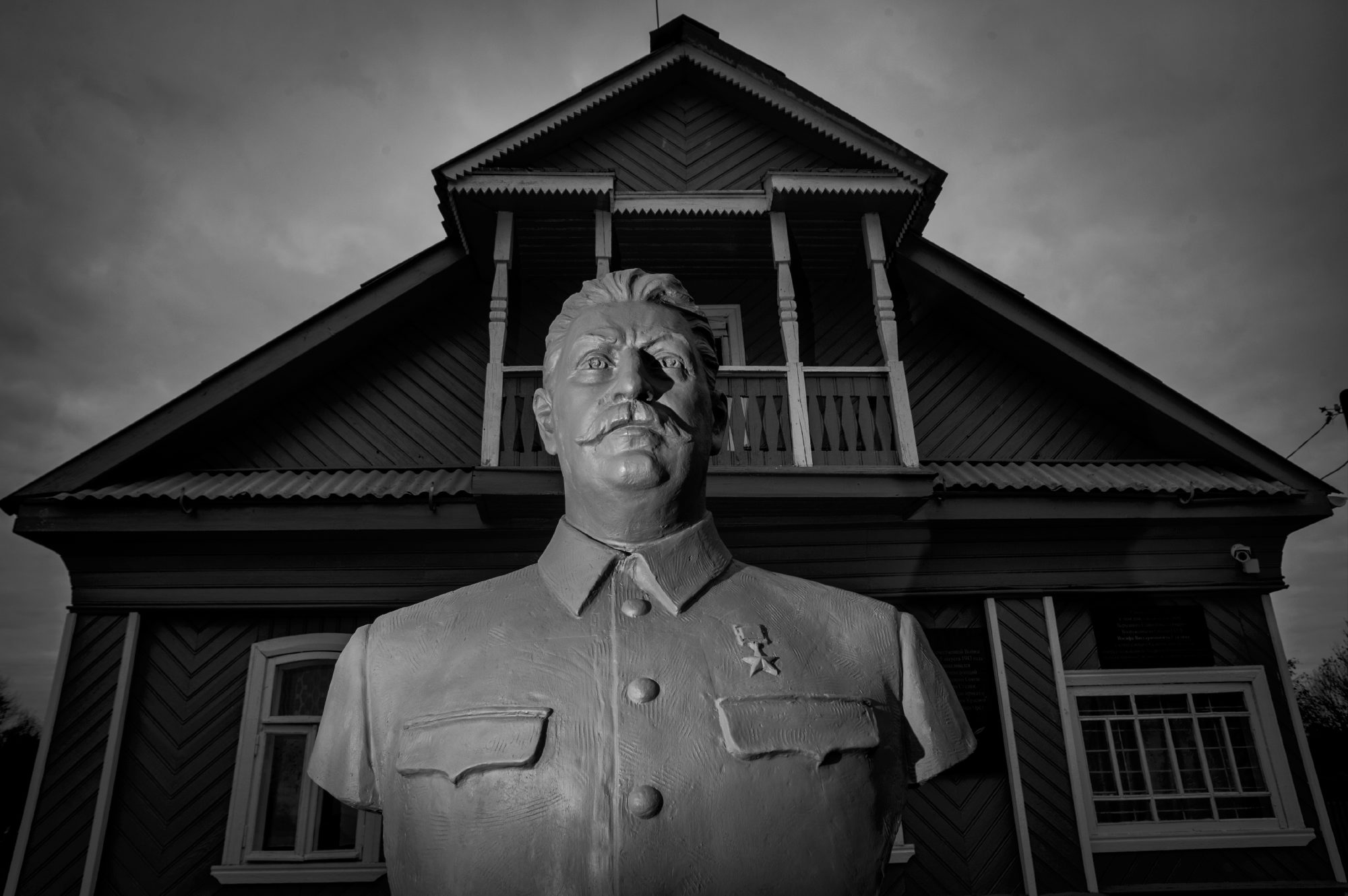
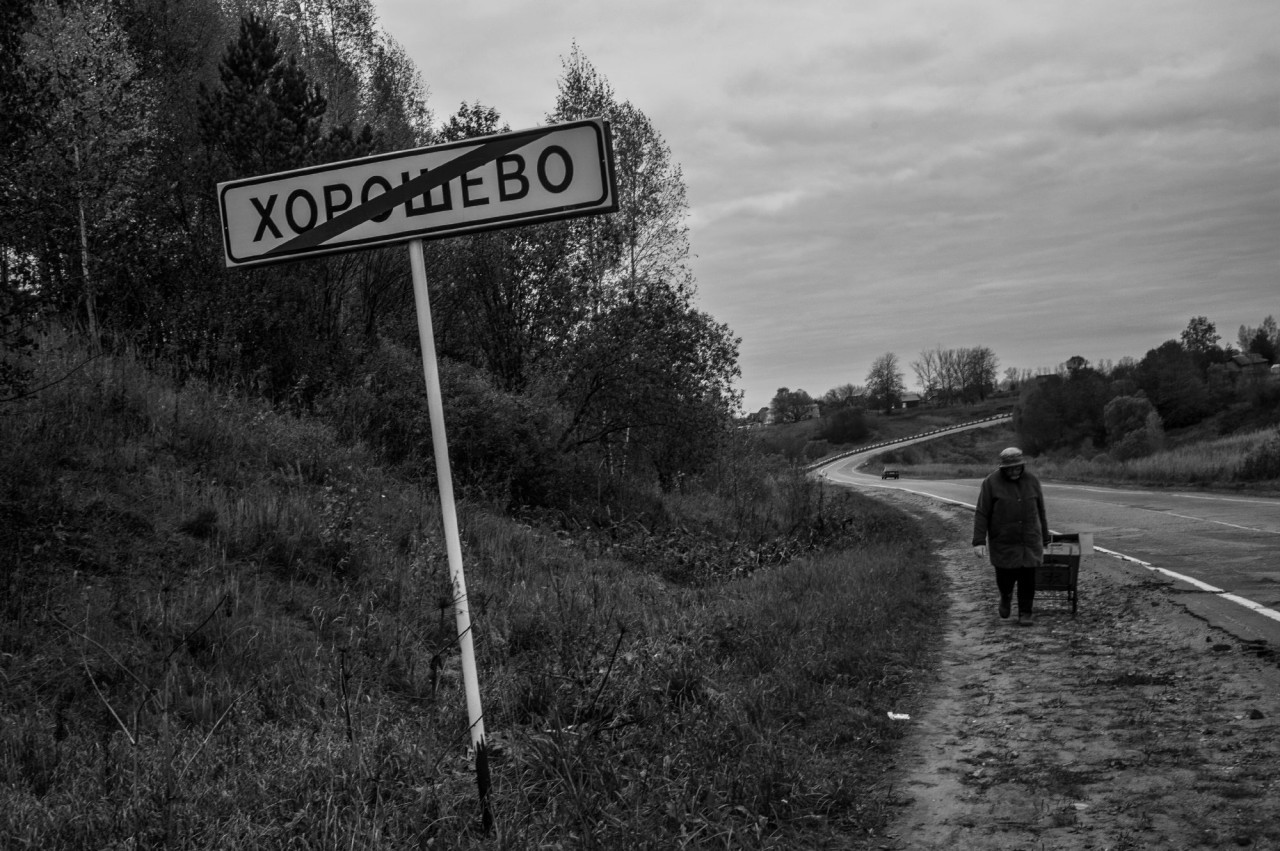
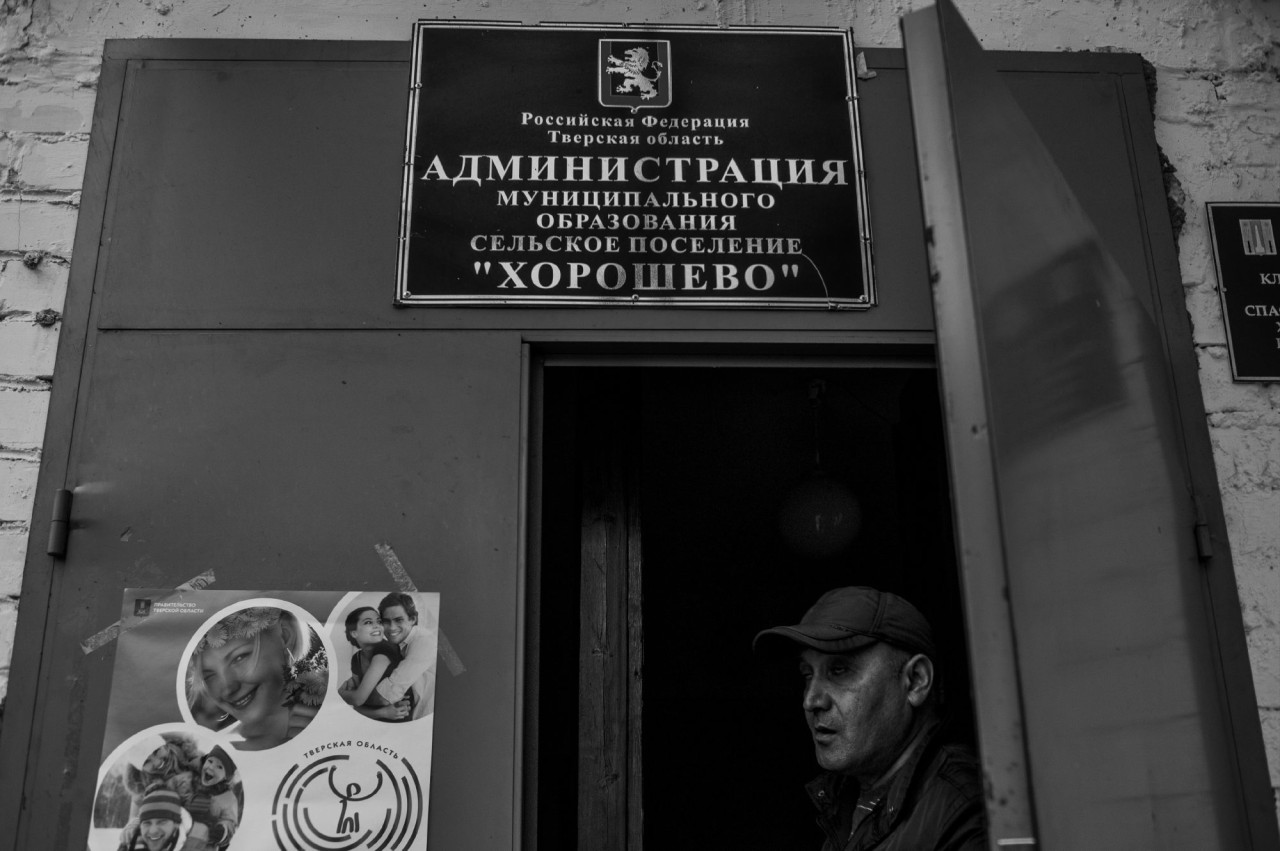
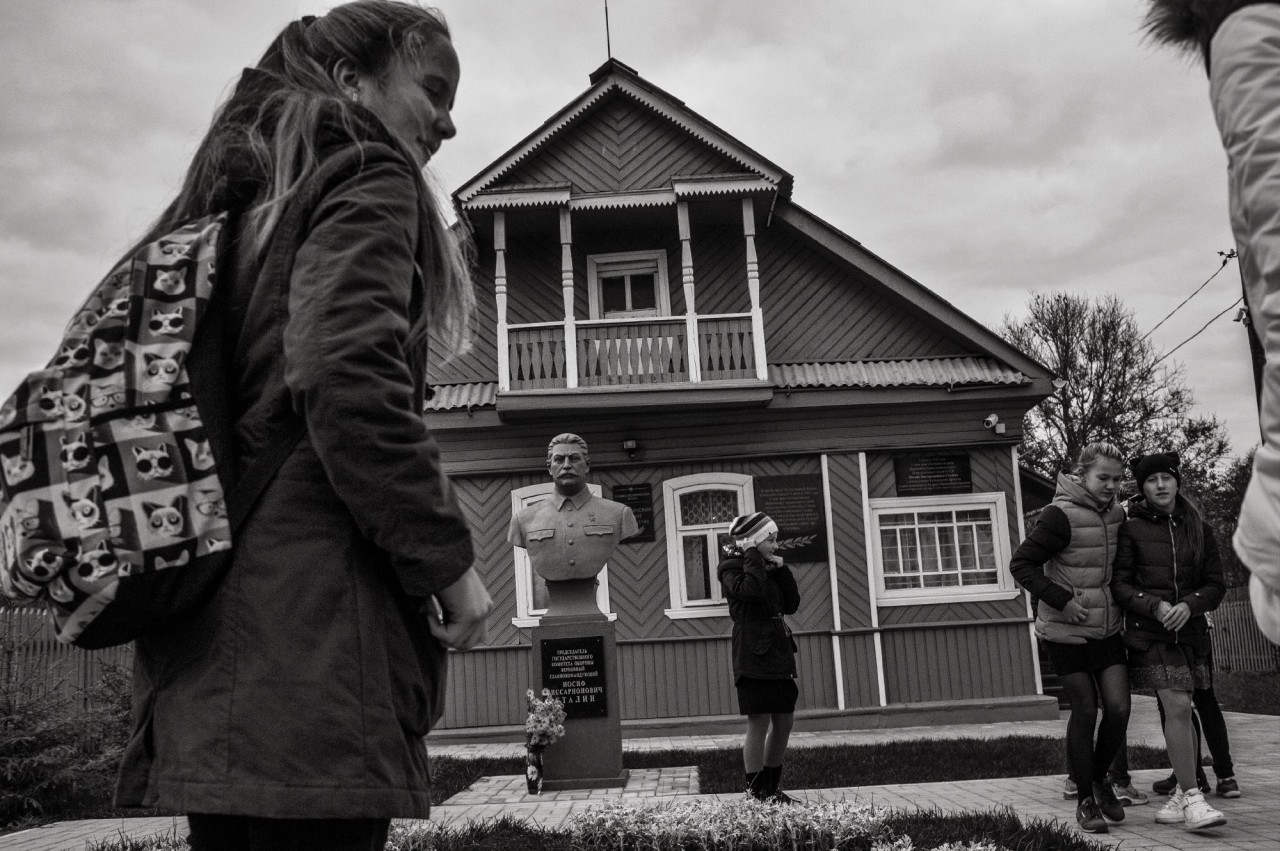
In the village of Khoroshevo, Tver region, where Stalin spent one night in 1943, opened the Generalissimo Museum and installed his bust. Alexandra Polivanova ("Memorial") found out that local residents think about it, and recorded their direct speech
Only during the period from October 1936 to July 1938 in the Kalinin (Tver) region at least 16,722 people were arrested. 73% of the arrested were accused of anti -Soviet agitation. Repressions covered all segments of the population, but the inhabitants of the villages were most affected. On the so -called former fists, solers and collective farmers, 60% of the arrested accounted. There were areas where the entire male population was arrested without exception.
- Tell me, you say, remember the war? Maybe even remember how Stalin came here?
- Of course, I remember that this house, where the museum is now, is the house of my father’s brother. The brother died before the war, his wife and daughter remained. And my father came to my father, we went with his mother to accompany him to the military enlistment office, and he suddenly comes back, says: "They leave me." Only when the Germans came, I realized why they left him: he knew German and was needed here. I myself am the 30th year. But already in the 42nd year, we were in the dugout, a car arrived, we tell our hands up-Hande Hokh, our mother was put in the car, the neighbors of everyone, and we were driven nearby with my father, and we were in the camp in Sychevka. Oh, Lord, I can’t even talk about it, tears at once. There was a civilian camp, there was no roof, full of people were brought, from all over Rzhev, from everywhere. And the mother was taken out of the camp, she fell ill, I don’t even remember when they took away where, as she was taken out, I have no idea, my mother died, and how to bury her, Lord, I am still grateful to these Sychevsky residents, she was buried in a cemetery, in civilian life. When the frosts began, we were distributed home, we came across families and bad ones too, we were kicked out of the house, three are sitting in the bathhouse, our father lies unconscious, they brought us on the potato, we swallowed it, and all the time shooting, shooting ... I can not remember. There, a sister one dies with hunger, from the cold, and lice, where scars, everything is filled there, eat people alive; I buried my sister in the snow, could not bury normally normally. And in the 43rd we were released. March 15. Already without a mother and without a sister. Well, we worked with all our might. And on some day I come for lunch, August 5, or what? And I want to go to the garden, there are at least some berries there, and what I see there: there are some men and everything is not in military uniform, but in a civilian one, and not like some kind of skullcaps, but all in costumes. I stopped, they began to interrogate me, and about which I do not remember; It turned out that it was a guard. Then on the second day my father says to me: “And you know, yesterday Stalin was here.” I say: "PA-up, how can you know such things?" And he says: “Aunt Natasha told me. He spent the night with them. " I say: "How is it, but where did they spend the night, aunt Natasha and Sonya?" And they spent the night at the grandmother of Yeni. He is now standing this house, so bad, nearby.
- And how did you feel about Stalin? Not afraid?
-Why be afraid! You don't understand this. I still remember it every day. And on this power, that this democracy has grown, these bandits, like mice bred ... Stalin know how strictly it was.
- Was it too strict? What was in this village in the 1930s?
- Well, in this village what happened. Yes, it was only that that everyone who was the elders took everyone. And they no longer returned. Here at the other end of Lapin Grisha lived - they took it away, there lived there - they took it away, and others too.
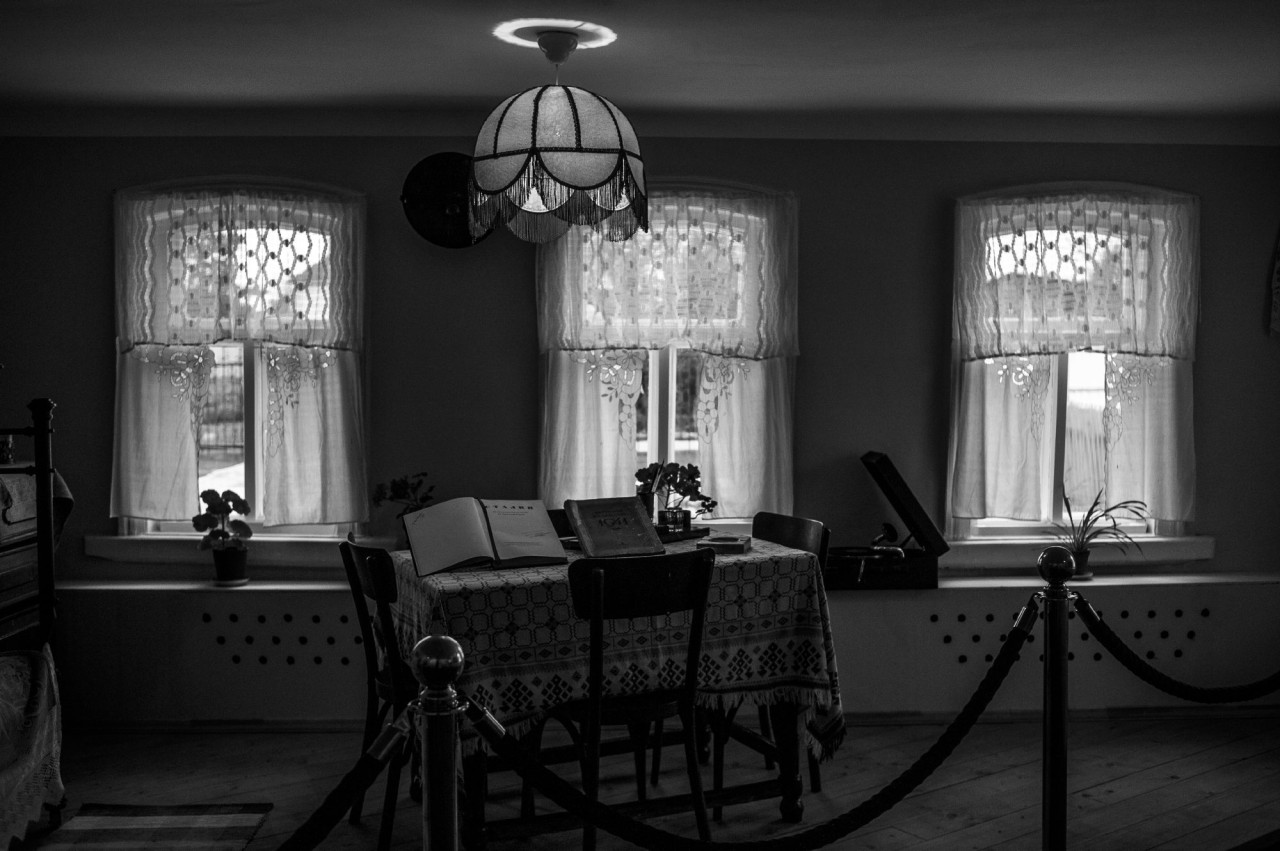
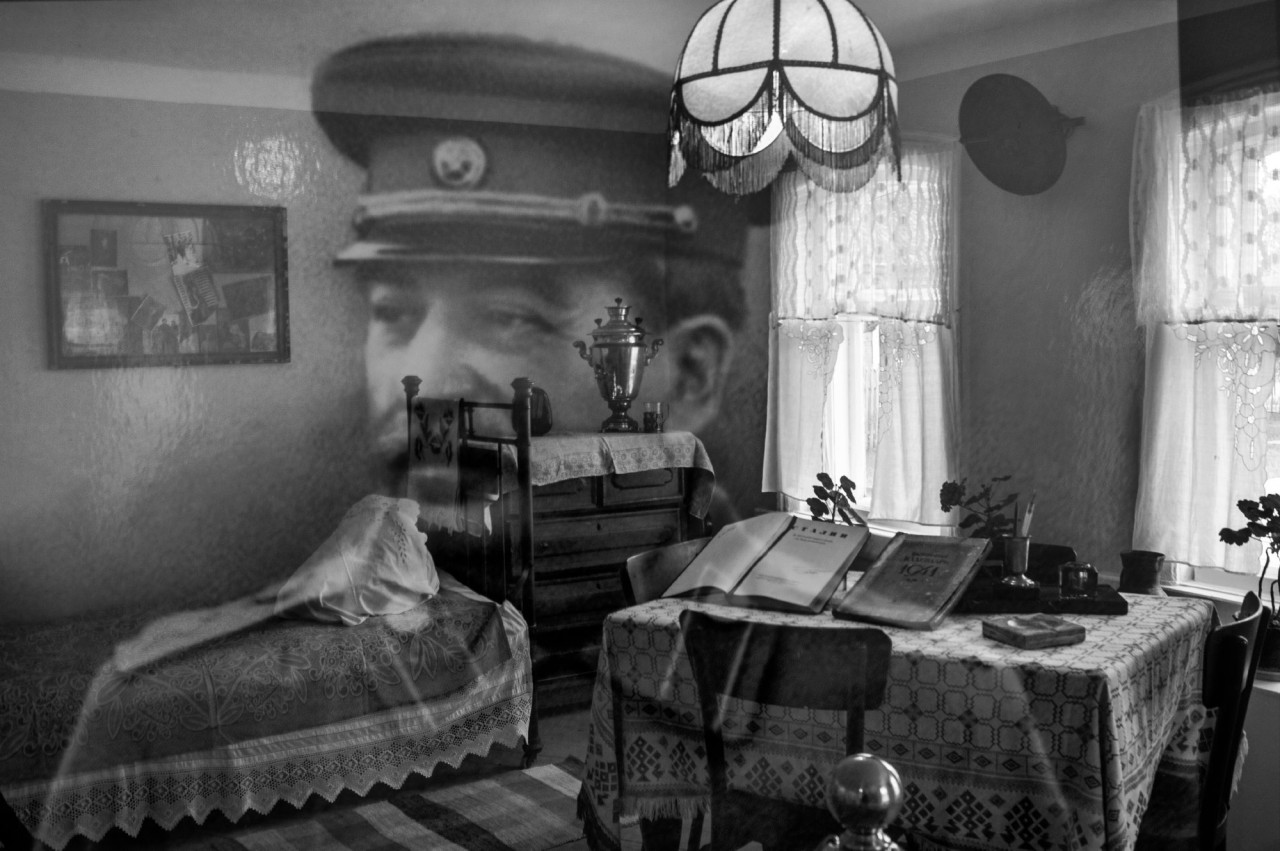 The main exposition of the house-museum. Photo: Andrey Lyubimov for TD
“Do you think they were to blame for something?”
- Some are to blame, and some who know ... I generally remember almost nothing before the war. I remember that my mother worked on my collective farm. And what to work on the collective farm if they do not give money. On October 20, the 44th father died, I went to the hospital after school, and they told me: "Father died." From gangrene. His finger was frozen back in Sychevka. And in the hospital there is nothing to cut the leg, he lay and died for two weeks. And all, my life is over. My sister and I began to climb the dugouts. There was nowhere to live, our house collapsed. And since we are not enemies of the people, the collective farm either ourselves, or who obliged - and who obliged it? .. But how was it: I have a dream then that I drink tea with Stalin, and after that, right away, in this place they build a house for us. Small, 4x5 meters. I am not a family of the headman, why was it built for me? Don't know. I can only thank Stalin. At first I wanted to study, and then I went to work. And as you will go to work, the village did not have passports to leave. My chairman, here, was the village council here, asked me to get out there. I cleaned. And the salary is three rubles. And he says: "I will help." And I still pray God for him, “I,” he says, “will help you get a passport, and you will go to work for production, the city is nearby.” And helped. I received a passport. I went to work, but they didn’t take me anywhere, I’m such a sprout, I have a little more than 20 kilograms in me. I got a job at the power station, worked for three days and lost it. Then she went to go to the weaving factory, the director looked at me and said: “How old are you, you won’t reach the machine with your feet.” Well, she left, again entered the evening school. And there the director says, I found a job to you, at the factory of the pantry, you will write out the checkpoints there, draw up documents. I was so happy. I don’t understand only why the cards were then: I remember, the director says: “You will receive cards, they will give you bread in the buffet, there are some grams there.” Well, I walked in one hand bread, in the other a book, went to study in the evening, cried, cried and studied. So the director, the kingdom to him, is also heavenly, helped to get a job and survive.
- Is this all due to the fact that you managed to get a passport?
-Yes, yes, thank God, then I managed to get a passport, if not God, I don’t know what would be with me. All the girls tried to marry the city so that the registration was, they left for whom, if only to get a passport. Without a passport, nothing could be done. They didn’t take anywhere. Such a law was. Stalin is Stalin, this is not like now.
Thank God, they managed to get a passport, without it they did not take anywhere. Such a law was. Stalin is Stalin, this is not like now. Twist this quote
- Well, what is good that people were not given to people?
- Well, maybe there is no good, I don't know. On the one hand, it’s good, but on the other hand it is bad. There were no thieves, everything is strict, everything is open, and now what? You can’t let anyone go anywhere.
-Did your parents tell you anything about pre-revolutionary Russia?
-No, there was no time to tell, and it is dangerous. We didn’t talk about anything at all. I knew nothing about my father. That he was captured in the First World War in captivity by chance. There were German patrols at the intersection, and a German came to us one day, and I suddenly hear, father in German tells him: their Arbl Stat Luxembourg begins to list everything in German, oh, as I was frightened then.
- You remember so much - maybe it was necessary to open a museum about your history and about other village residents?
- Yes, I have never been in this museum, I have not to go there already. That's when the library was there, I went there, took books, I had a card there. Three sisters were there, I tried on everything, it was also hard for them. And look, Morozova is coming. Well, hello. We are talking about the museum.
- Hello. Have you been to the new museum?
- It was once, I liked it. There, you know, everything that Stalin used. And the bed is standing there, and God hangs, and the Mother of God is in the corner, the benches are standing, that is, the design of the hut, everything is as it was when Stalin came here. The bed remained from the stove. Now what else is there? So, pipes, household items that he used ...
- Do you think when Stalin spent the night in the hut, the icon hung there?
- And how much do I know? Once they hung it, then she hung, probably.
- I read that here in the vicinity almost all the churches were closed in Soviet times?
- They were destroyed!
-Yes, the churches were ruined by everything, the mother first drove us to this church, then she was ruined, we began to walk in another, got up for four hours, and then she was ruined.
***
- I was not in the new museum, but when I worked in the kindergarten, we went to the library in the library to organize, read poetry, and there was already a museum room in which Stalin spent the night. After all, with Stalin, how: there was a time when they stopped telling everything. My aunt, my father’s sister, worked there in the library as a cleaner, when there was still a bed there, then everyone was ordered to remove, to forget about Stalin. And now again. But when I worked in the garden, I already got furniture again and again opened the room. Already a few years ago. But then there was just a small exposition in the room, but what I opened now, I didn’t see it, she, they say, is all new and beautiful and a ticket is 200 or 300 rubles.
- And what do you think about Stalin?
- Well, who knows now. They write different things. I was eight years old when he had already died. My mother was dispossessed by my mother, but they did not talk about it. It is better if no one knows anything about you. You have a good past, bad, it is better to know anything to anyone. This is now we all teach history, we find out who came from, and at that time it was not. My mother never talked about dispossession, she did not like it. My grandfather was disabled, I don’t know from what war, 1905 or something, they arrived from the village of another, they worked there in the fields, planted, sowed, worked themselves, and then it turned out that they were wealthy. Well, they dispossessed. And then his mother had a brother, so he was sent to Kolyma. But they did not talk about it.
- For Kolyma, what do you think?
- I don't think anything. Now they write everything differently, someone writes, it was forced to. But in general, I do not know anything, because they did not talk about it. Such a time was, people did not talk, but more and more worked. My mother was stolen to Germany, she was a prisoner, then they fled, from the station from some. Then my sister told me. When we grew up, we did not ask what the parents thought about Stalin, and when the little ones were, the parents did not say. And it was not interesting to everyone. My aunt, my mother’s sister got married in Vorkuta, her husband was from Vorkuta.
- And how was she there?
- Yes, I don’t know, I say, we did not ask. She met her husband there, at first they lived in Vorkuta, then came here. What are you looking at me like that? .. Look right. Well, yes, Vorkuta. Yes, I don’t even know which side they were there. With this or that.
***
- Hello, tell me, do you lead schoolchildren to the museum that you have opened here?
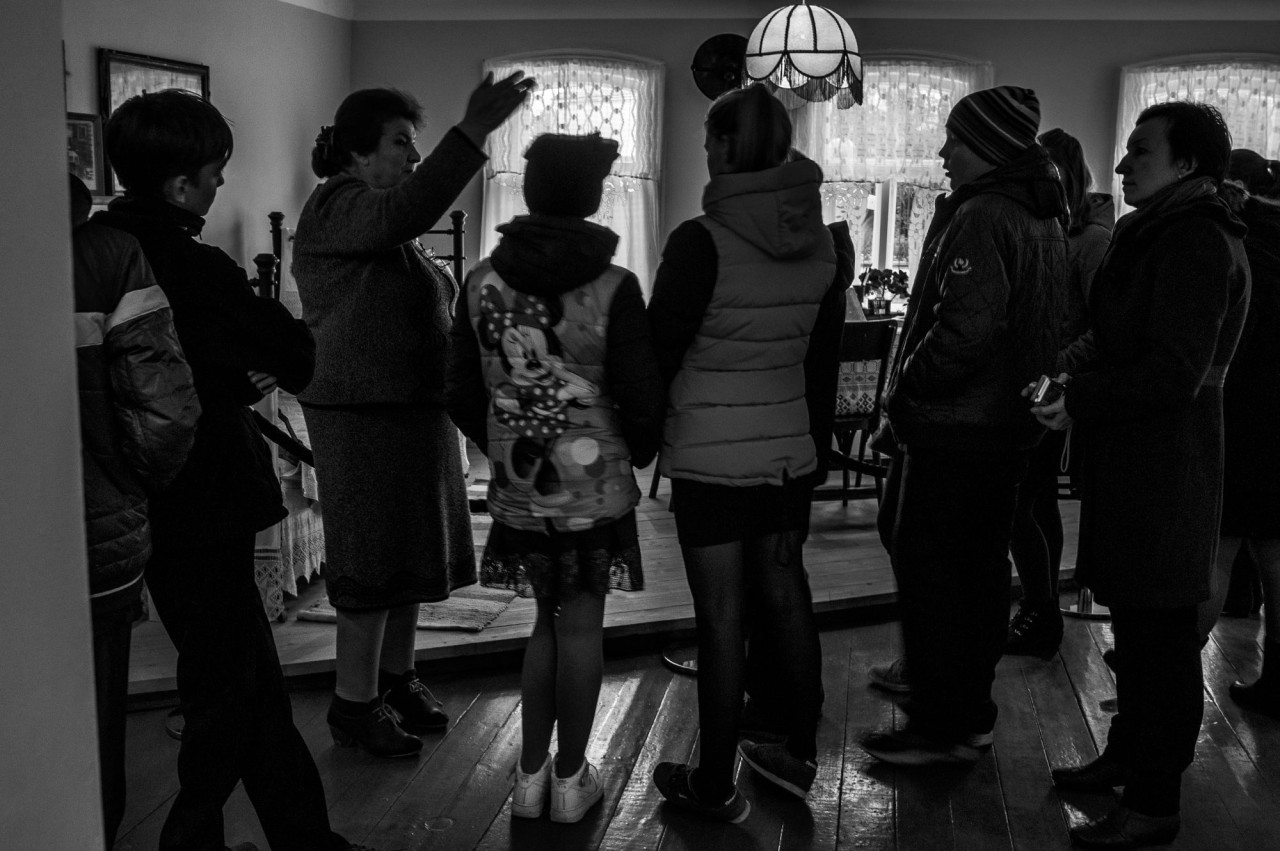
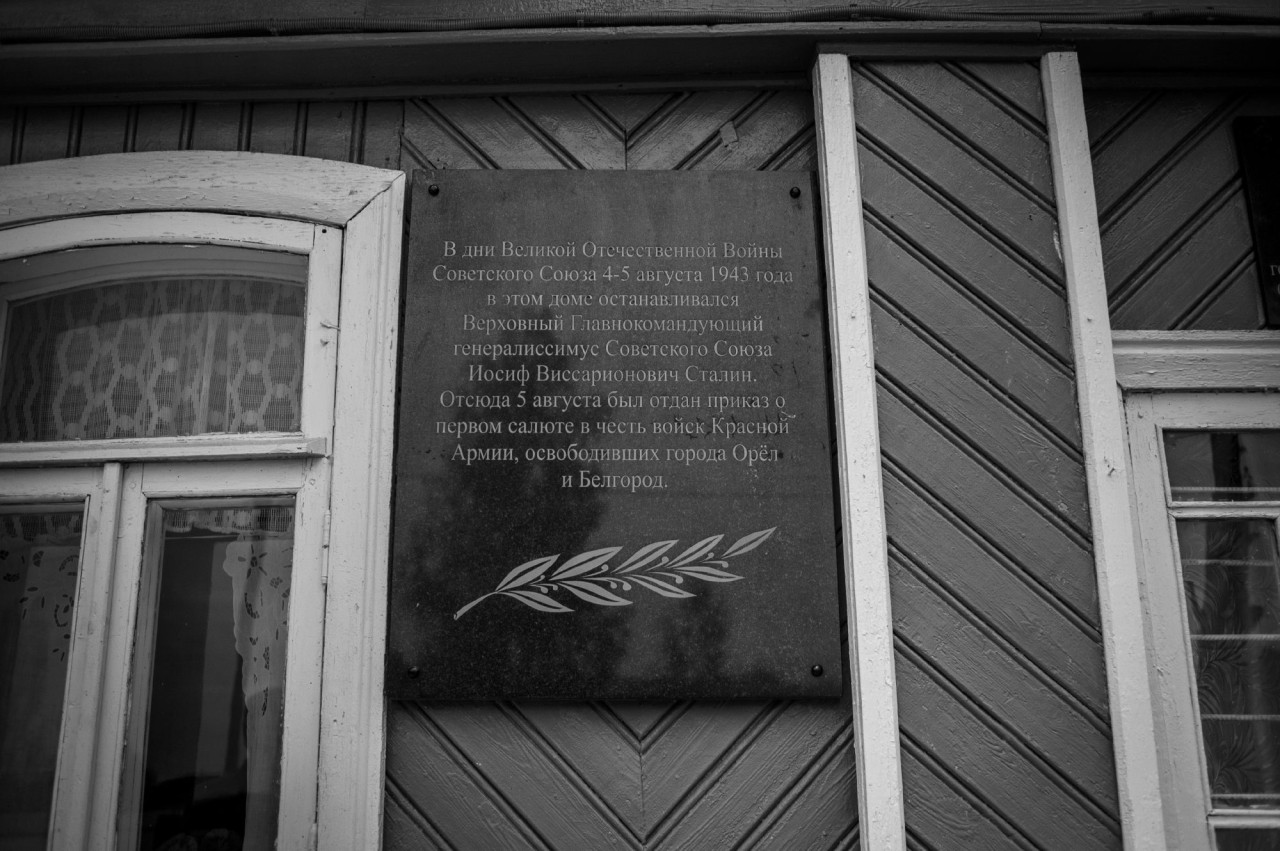
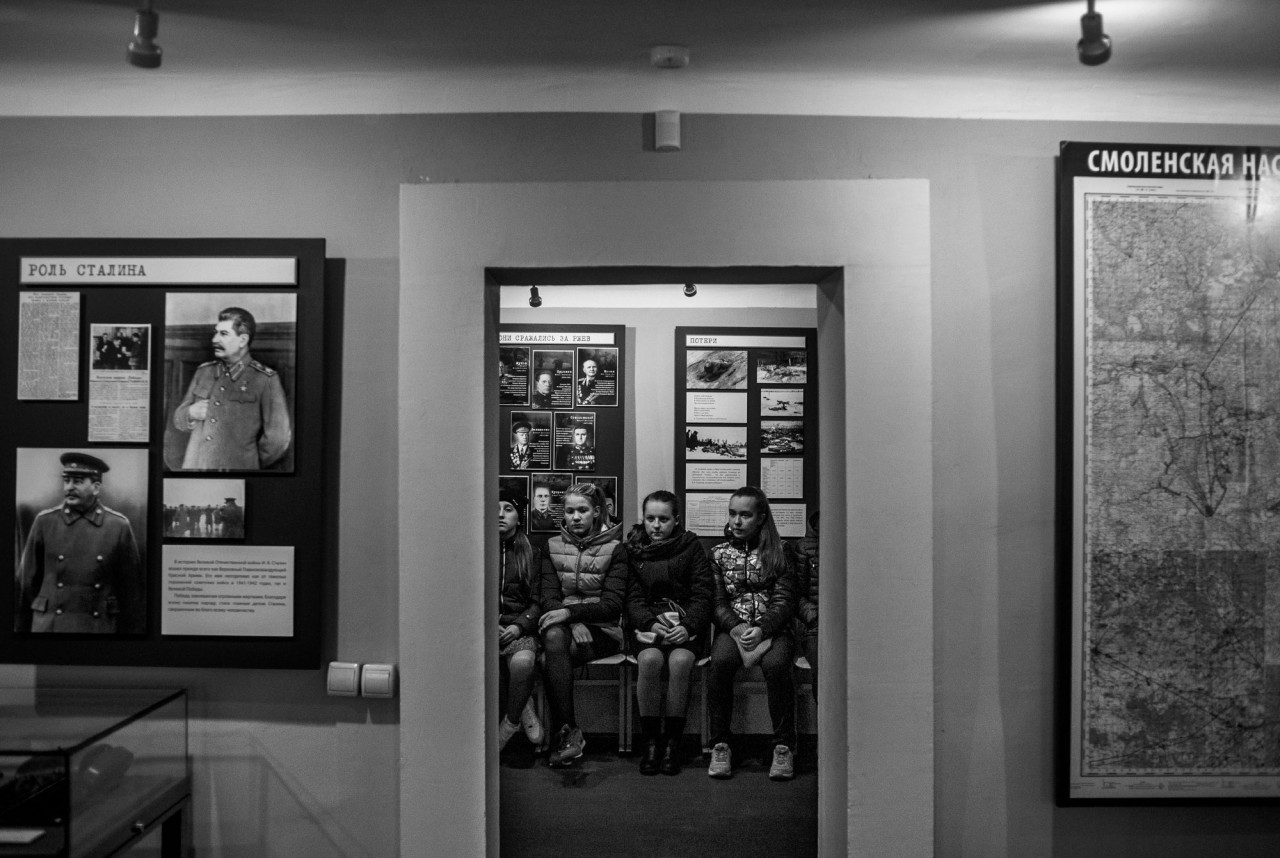
- The museum opened in the summer of 2015 with us, right? The guys and I systematically go there, used to go to the library, but now to the museum. Our first visit took place in the summer. With the summer educational camp. There were guys from grades 1 to 4. Further on September 1, the second grade guys, together with their teacher, went to the museum, where a joint event took place with our district social shelter: the head of the museum with the guys talked about the school, why you need to study, the game program, then visited the museum, they familiarized them with history, then played a little on the street, such a joint event passed. Then we have plans to work with first -graders, we are preparing them a little in advance, with our parents together, who is Stalin, we discuss that they know, because the museum is not accidental, because Stalin has given us a decree on the first salute in honor of the liberation of the eagle and Belgorod. In the lessons of the world around us, the project was “your small homeland”, the guys had to find the sights of their small homeland and stick it in a notebook. And many guys glued our museum and portrait of Stalin, told their first knowledge on this topic.
- What exactly do you tell the children about Stalin? I noticed that you have an invitation to Sunday school on your door, do you tell the children how to get around with priests and churches under Stalin?
-Well, you see, we do not delve into history, we have small children, we need to give the most initial information. Once we have a museum in our village, we are discussing why we have this museum, what was here. First -graders what about Stalin tell me? That he was the commander in chief, commanded the front during the Great Patriotic War, that the most important person was, as my children say “commander”, then we say that he came to our Kalinin front.
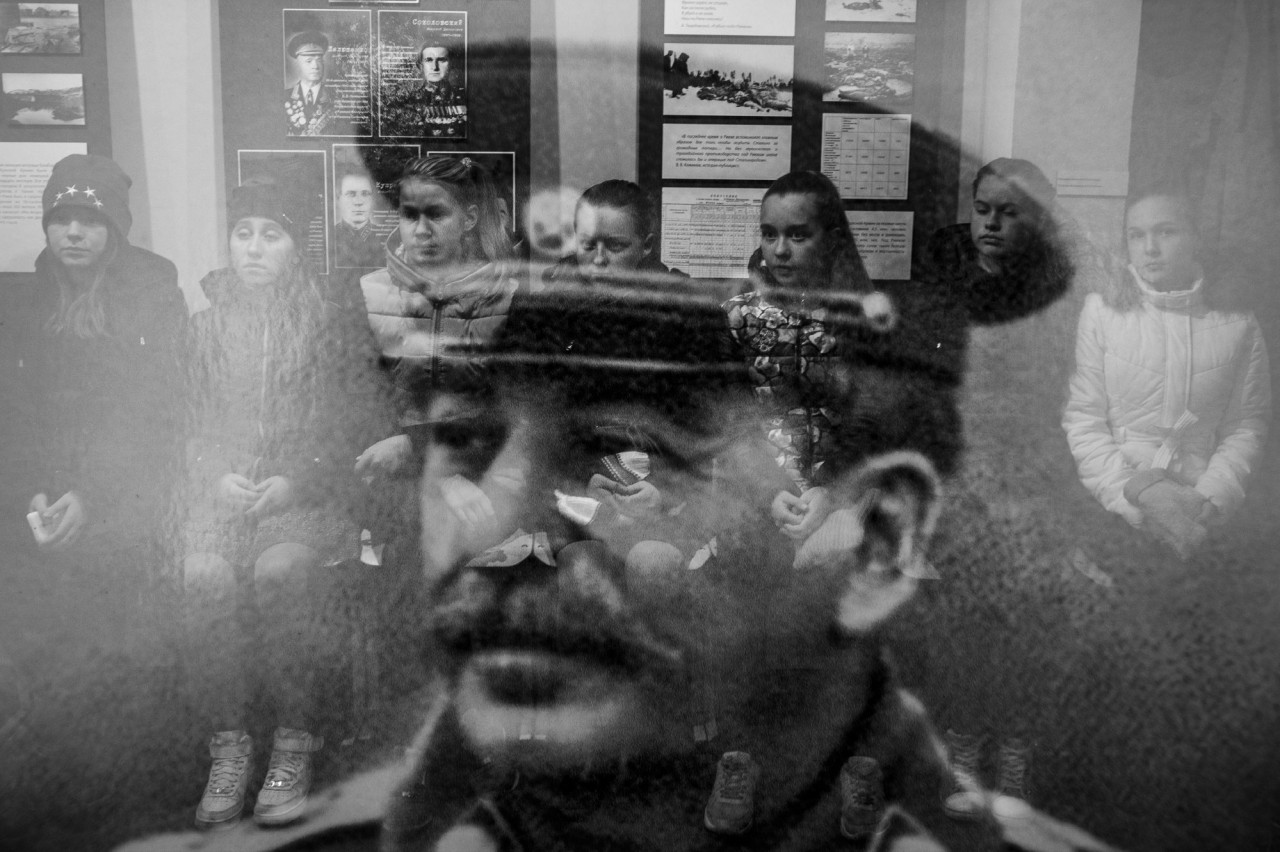 Children during the tour are sitting in one of the premises of the house-museum. Photo: Andrey Lyubimov for TD
- But when Stalin came here, the front line was already 300 kilometers to the west?
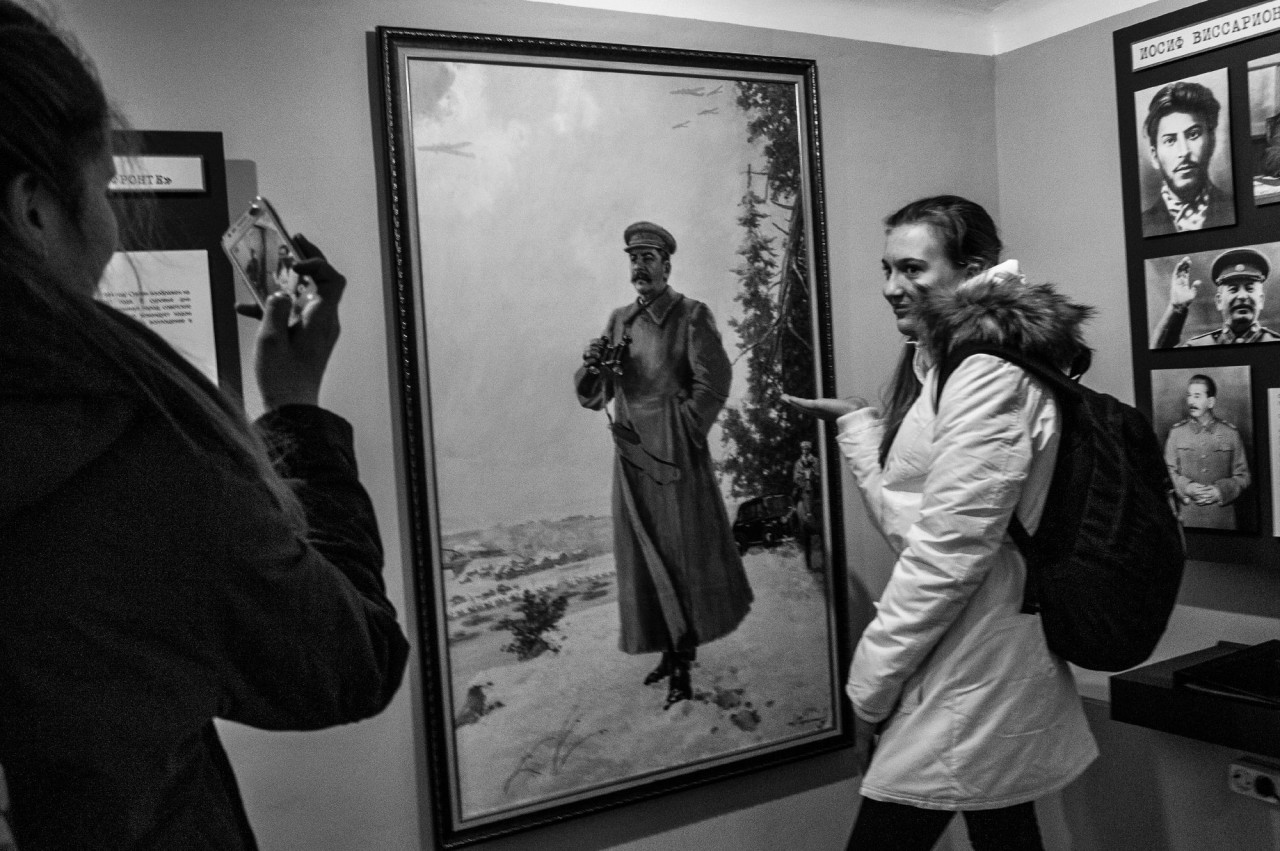
- Well, it doesn’t matter. We say that he was here, visited our village, stopped in this house, and that it was from here that he ordered the first salute. We do not delve into, good Stalin, bad, but when they already go on an excursion to the museum, there the professional guide in an accessible form tells what needs to be told. And in the war, still, Stalin’s role has the main thing.
- But your locals had to go through this, that they want to erect a monument instead of the monument to Stalin?
- You see, this is just very good that our monument and the museum opened. Good - a small village, we have at least a small museum here, and since a museum, then a story. This is not just Stalin’s house, it is a museum of everyday life, the children see old beds, a bedside table, an environment and just the story of it.
***
- Girls, tell me, were you in the museum?
- I was at the opening.
- And I was not yet.
- There used to be a library, now they made a repair there.
- There you know, people themselves made the entire museum, there were ads and people brought their old beds, curtains, wallpaper ...
- Do you like what you opened?
- Like. At least, children are interested, here are our children, schoolchildren, they were satisfied, the director says very interestingly, shows films.
- I like it too. Friends said that here is your village, you have a museum of Stalin, you have a bust of Stalin, they say, "You have thundered, your village Khoroshevo is now known to the whole country."
- From Germany, they say, they even came to look.
- And do you like it all? And you like Stalin himself?
- Well, do you mean that under Stalin it seems like a lot of people died? Somewhere there in concentration camps or how is it, the Gulag, or something, called?
- Your neighbor told me that in the thirties many were arrested here, no one returned. There is no at all about this in the museum?
- No, it really is strange. And you ask granny why she doesn't tell anyone about this?
- Yul, do we have a monument to Stalin in our country?
- Yes, I read that nowhere else.
- Do you think there is a reason for pride?
-In general, yes, it’s strange somehow, you are right, like Hitler doesn’t erect a monument anywhere? And here we erected a monument. Apparently, the victory in the war is blocking everything.
***
- Stalin’s house, I know, but how, I myself attributed the old curtains.
-And we went to the opening, and there was a salute holiday, and some anniversary was some kind of anniversary and two expensive paintings were brought from Tver to the exhibition, so we have no such people in the museum.
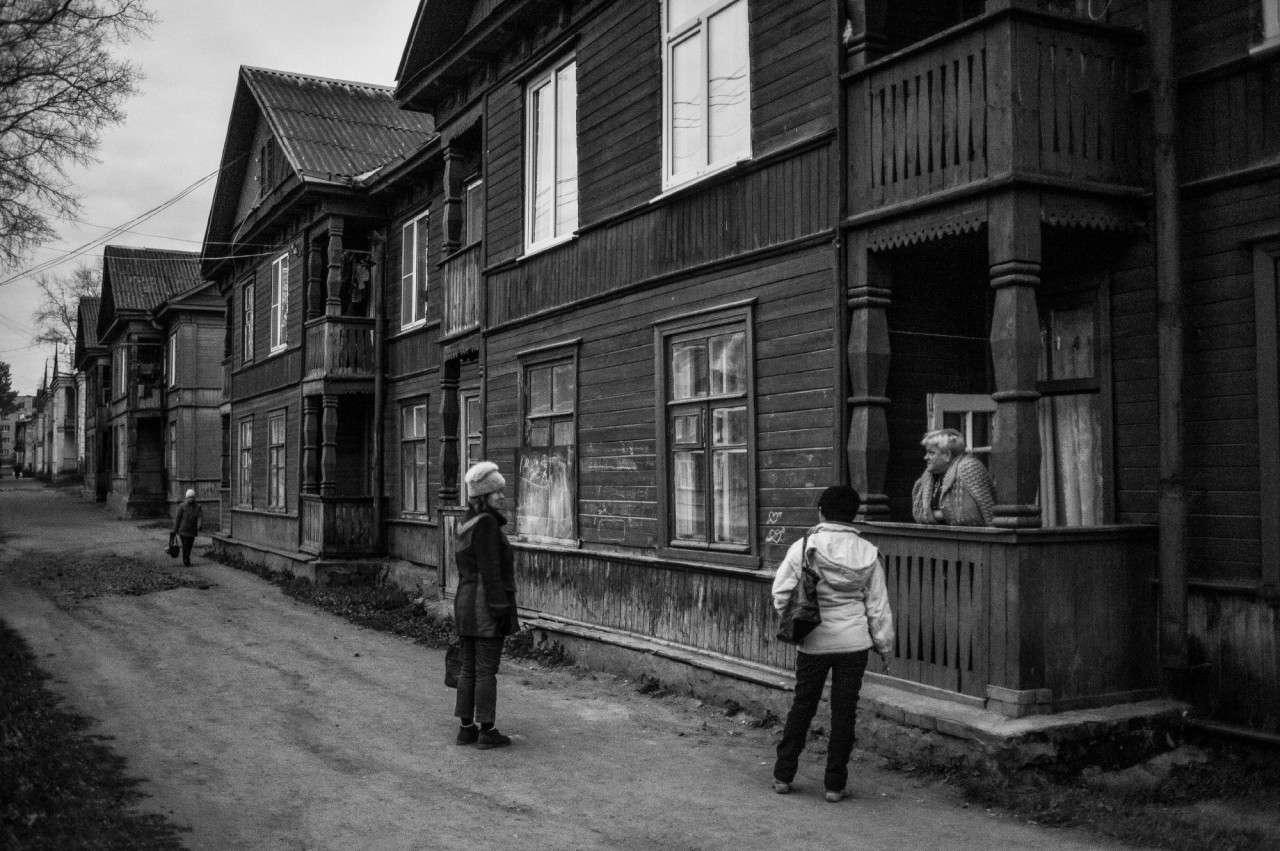
- Yes, they are well done there, they did well, cleanly so, all the freshly painted recently, very good there. And you even know that it is good that the neighboring houses, which are simply residential, are also reproached them, well, outside, maybe only, but it’s good, you see, our street immediately began to look more likely.
It seems to Hitler does not erect a monument anywhere? And we put here. Twist this quote - they say, when only the library was opened, there was Stalin’s room from the very beginning, there was already a bed where he was sleeping, the rugs are round, knitted, everyone left it as it was. And then when this happened that Stalin’s photographs began to be removed from everywhere, by the way, we also hung a photo at home, I remember then, we say, let's take it away, but we won’t throw it away, but just hang it into the barn. And he hung in our barn for a long time. And when it all started, then in the library, too, this room was closed and everything was taken out, everything was sent to the attic.
- You are talking about this when the cult was, and then stopped?
- No! I'm talking about the 80s. And this bed, she was so lying in the attic. And then there was still this: Stalin himself was the Armenians, or not, Georgians, and now some Georgians came here and took something. And now we have almost nothing. And then these carpets took everything.
- Do you like the museum again opened?
- Of course, what!
- Yes, but what is not like here.
- We all went.
- What do you like?
-This, you know, is somehow for yourself.
- It is very beautiful there near the museum itself.
- And how many schoolchildren are traveling, from Moscow from itself, buses, pilgrims.
- What can I say, we are just pleased that we have such a curiosity in Khoroshev that we became famous.
- At the expense of Stalin!
- And for what Khrushchev condemned Stalin, remember?
- That's how now everyone is silent about these executions, about the camps, they don’t talk now, they are silent.
- And you remember, recently there was a movie about this. About the Gulag. Not this year, but in that.
- Last year they came and said: "We will make a museum." Well, at first they wanted not to make a museum, but simply. And then they still changed the decision. And why did they still put this bust? That's why it was necessary to make Stalin directly? As if there was no Gulag, right?
“Well, I don’t know what you say.” And I really like that here we have such a museum.
- So we are not interested in politics. Now, in general, all enemies, now Lenin is the enemy.
- Do you think this is a policy?
- Well, yes, in general it is just a murder and all, you need to call a spade a spade.
-Listen, well, he did a lot to win a lot?
- And remember, the film was shown? What was the concentration camp on the swamps? Our concentration camp is for ours. Not Hitler. И вот трупы и прямо костями от этих трупов прямо вся дорога устлана.
— Во-от — так ведь весь ГУЛАГ так и делали: арестуют людей и заставляют работать бесплатно и без еды. И рельсы клали. Во всем Союзе.
— И в конце концов дожили: у нас тут музей Сталина открыли и бюст. Позорище на всю страну.
— А кто переиграл это решение, чтобы сделать все-таки музей Сталина?
— Ну, кто мог переиграть?
— Да кроме Москвы никто не мог.
— Конечно, Москва.
— Да, и я говорю, здесь все Москва решала. Сначала просто музей про войну, говорили, сделают.
— Потом говорили первого салюта, а теперь вот Сталина…
— Ой, а здесь какой красивый салют делали на открытие, разноцветный, ой красота была!
— А чего — вот и сделали бы музей первого салюта, а сталинского тут ничего нет, ноги б его тут не было. А то одну ночь побывал.
— А лучше было бы войны, без Сталина.
— Мне все равно какой это музей, Сталина-не Сталина…
— Ну опять же, не всем все равно, знаешь, может, кто-то и против, но все молчат. Так говорят сейчас часто «Сталина б сюда», но это просто на нашу политическую жизнь ругаются, а так Сталина сюда никто б не хотел.
— Ну, знаешь, люди многие, Люб, просто не знают, что творил Сталин.
— Ну, не скажи, все-таки знаешь, раньше было как-то интересно, звездочку прикрепляли, помнишь, октябрятскую, с дедушкой Лениным? Интересно было, а сейчас, выходит, у нас все враги? И Ленин, и Сталин? А как мы войну выиграли? Все предатели, а войну-то выиграли все равно?
— Ну войну-то не он выиграл, считай. Он что — воевал, что ли? Это другие.
— Конечно, войну да, люди выиграли. Он-то, Сталин, вон приехал сюда, а война уже далеко ушла.
— А сколько здесь по Тверской области до сих пор лежат. Вы съездите у нас тут в Мончаловский лес.
— Ой, да, там прямо выпирает…
— Туда страшно заходить, находишь все время кости, ложки, сапоги, деревья часто в железной проволоке, просто страшно, и вот эти сапоги-сапоги-сапоги — это самое страшное. At every step.
— А как думаете, может, стоило бы как следует раскопки организовать, захоронить останки, а из находок музей сделать, вместо музея Сталина?
— Вот да, да!
— Да-да, вот я и говорю!
— Конечно, вот как вы хорошо сказали, я тоже прямо так теперь и думаю!
— Да даже хотя бы и сейчас в этом музее, там много места! Сделали бы захоронения, оформили бы все прилично, а все находки в музей бы сдали.
— Патроны там валяются, за грибами очень страшно ходить, катакомбы, там не до грибов, там бы на мину не нарваться.
— Даже знаете, фильм был «Мончаловские леса», Парфенова, так там все страшно.
— У нас и поговорка есть, да, Тань? Если что — в Мончаловский лес, там никто не найдет.
— Да, он очень дремучий, и там очень опасные бои шли именно в деревне Мончалово и в лесу.
— Там же еще дорогу строили.
— Если бы даже мы, например, против были музея, ну два-три человека, кто бы нас послушал!
— Хотим мы, не хотим. Наша администрация все решила и все! Наше мнение никто не спрашивает.
— Ну нам все равно нравится, что есть куда сходить, дитяткам что-то рассказать, а так нас никто не спрашивал, хотим мы Сталина или не хотим.
— А я люблю этот музей все-таки. Вот я туда захожу, меня прямо берет за душу: старина такая, мебель старая, ностальгия.
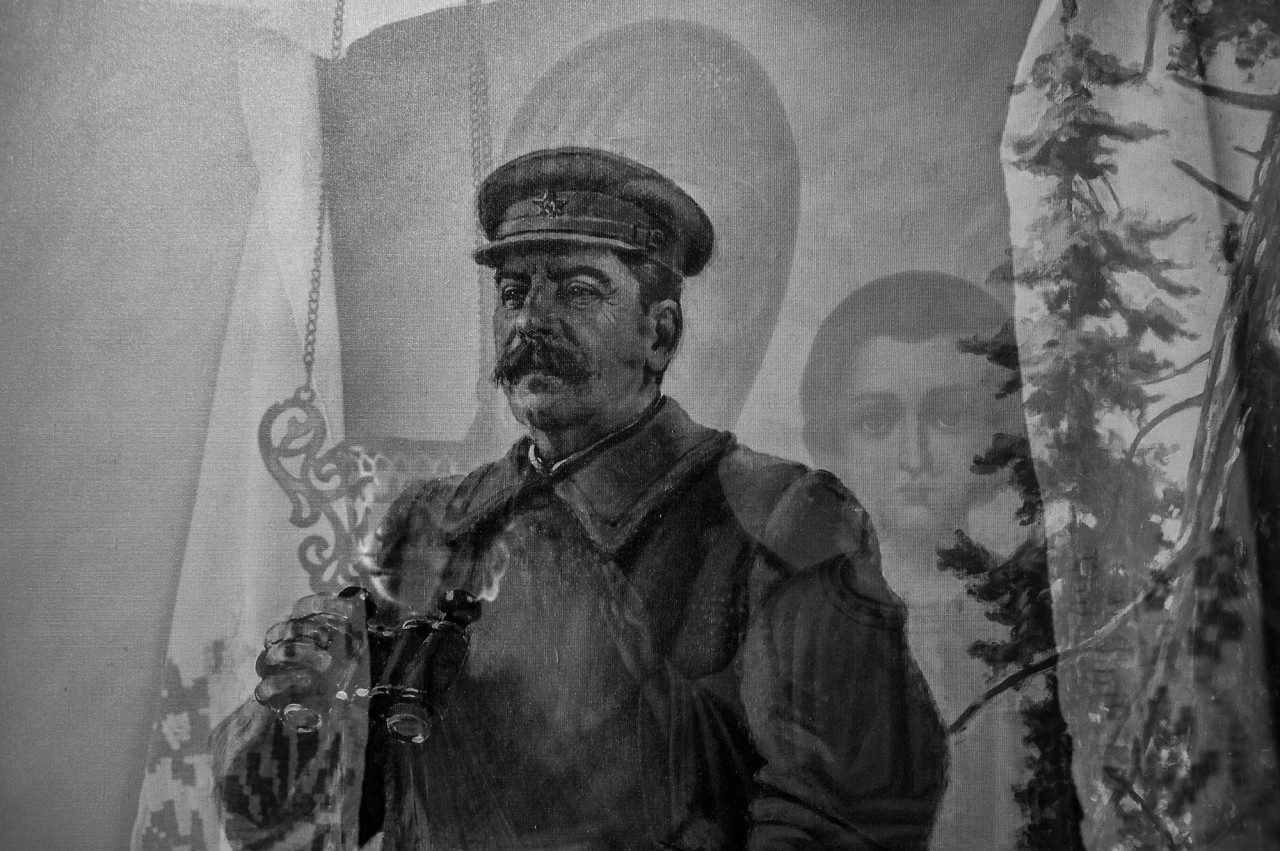 Портрет Сталина Фото: Андрей Любимов для ТД
***
– Вы пришли к нам в детскую школу искусств. В первую очередь скажу, что мы очень рады, что у нас этот домик Сталина стал полноценным музеем. Раньше это была библиотека, а домик Сталина только по совместительству. Но, слава богу, вот этим летом такая серьезная реконструкция стала происходить.
– По чьей инициативе?
– Думаю, наша администрация Хорошева в первую очередь была заинтересована. Потому что это пропаганда нашего местечка, всего сельского поселения. Ну, и благодаря тому что сделали реконструкцию, теперь это уже дом-музей, очень здорово и замечательно, но, честно говоря, сама я не была еще. Но обязательно собираюсь!
– А бюст Сталина во дворе видели?
– Да, вот это я видела. I really like it!
– А как думаете, почему нигде уже не стоят памятники Сталину, а у вас взяли и снова поставили?
– У нас место такое особенное, чудесное!
– А почему в других местах убрали памятники?
– Ну, наверное, потому что отношение такое. По-разному все говорят. Моей бабушке 76 лет, она боготворит Сталина, она собирались ехать к нему на похороны, но ее не пустили.
– А бабушка знает про масштаб сталинских репрессий?
– Да все она знает. Сейчас это уже более открытая информация. У всех отношение разное… Поэтому про все, что у нас здесь Сталин страшненького наделал, все решили забыть, а вот про хорошее – первый салют – это же хорошо? Вот про хорошее помнят и музей сделали. А все плохое стирается.
Все, что у нас здесь Сталин страшненького наделал, все решили забыть, а вот про хорошее помнят. Twist this quote
Я вот не то чтобы думаю, как хорошо — Сталин-Сталин, всех расстрелял! А я рада, что музей красивый открыли, и я могу в него сходить.
– Ну а, может, лучше было бы другой музей открыть, чтобы вы могли сходить? Краеведческий, про историю местных жителей – им тут столько всего пережить пришлось.
– Ну знаете, на краеведческий музей денег бы никто не дал. В этот музей было вложено достаточно много денег, их дали именно под Сталина. Так что выбор у нас: либо музей Сталина, либо никакого.
***
– У вас во дворе храма знак стоит, что раньше тут был другой храм, а сейчас его нет. А что с ним стало?
– Ну был, да, потом разрушили его во время войны и во время этого.
– Чего этого?
– Ну этого. Когда храмы разрушали.
– А когда в деревне рядом открыли музей «Домик Сталина», ваша церковь или другие настоятели не возражали?
– Нет, ну вы понимаете, если против всего возражать, то что у нас вообще тогда будет? You can’t do it. Ну открыли и открыли. Пусть будет музей. Ну, а как: надо же всем прощать. По-другому-то нельзя.
***
– Ой какие у нас гости, из Москвы прямо! Давайте я, может, позвоню директору музея… Лидия Евгеньевна, это Оксана из администрации, у вас сегодня выходной, но тут приехала девушка, пишет про музей наш… А-а-а, не сможете. Ну, значит, сама расскажу, что знаю.
– Скажите, кто был инициатором открытия музея?
– Район и Военно-историческое общество. Ой, чувствуете, как у нас пахнет ладаном? Это мы только что ездили освящать новый храм, насквозь пропахли! Очень приятный, правда, запах?
– А жителей не спрашивали, хотят ли они музей Сталина?
- No. Это на другом уровне решалось. А библиотеку переселили.
– Куда переселили?
– Пока у нас на складе лежит. Потом в будущем, может, что-то откроют или пристроят.
– А местные жители довольны музеем?
– Да ну, у нас такие жители, что у них никакого мнения. Кто-то жаловался, что библиотеку закрыли. Хоть и мало, но все-таки ходили. Но такого чтобы недовольны, не думаю.
– А вам самой нравится, что памятник Сталину в деревне стоит?
- Don't know. Вроде и согласна с вами. Но не знаю даже, что сказать.