
Translated material
Surviving books of dead people
The new exhibition of the Jewish Museum and the Center for Tolerance is dedicated to the victims of the Holocaust in Slovakia
The exhibition at the Jewish Museum has a multi -digit name. Last Folio is both the last sheet, the last page of the life of those who died in a disaster, and the last days of the once saved the current elderly, who finally decided to share mournful memories. It is also ready to crumble to dust sheets of books. According to the 1940 census, about 89 thousand Jews lived in Slovakia. Now in the country there are only three thousand of them. The exhibition presents modern photographs of abandoned synagogues and artifacts that have survived to this day - evidence of the former life of the Jewish community. The documentary "Last Folio is the last sheet", which includes interviews with the surviving prisoners of Nazi concentration camps, is also demonstrated here.
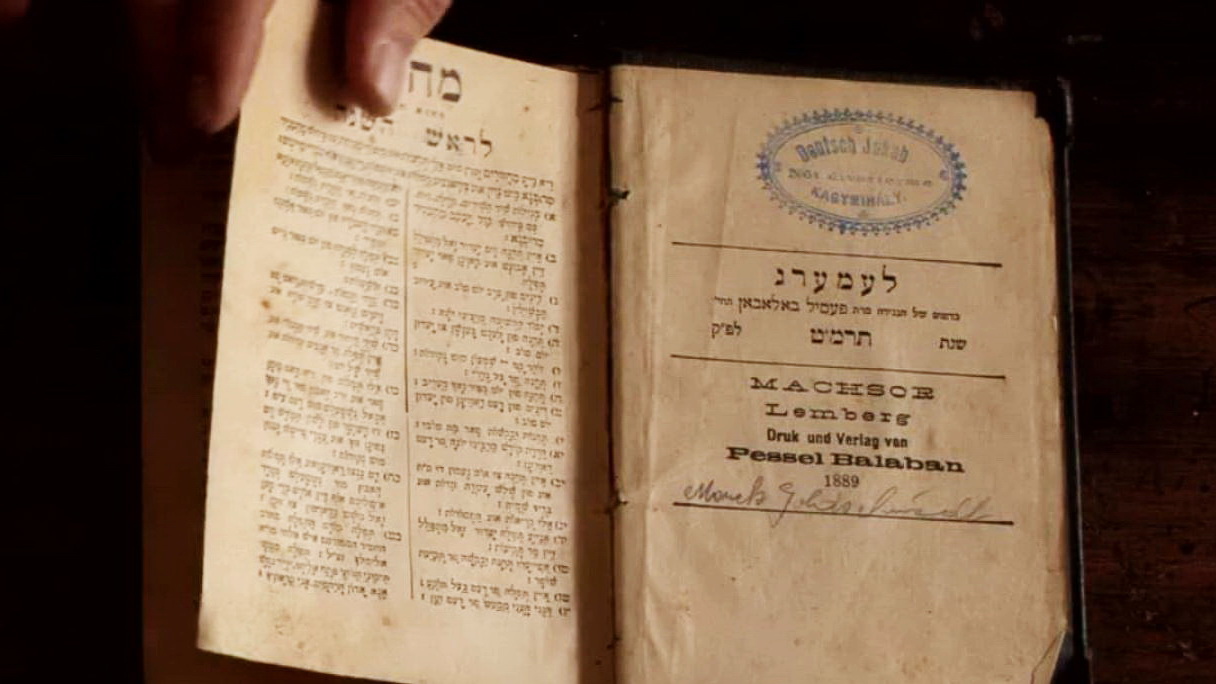
Photographer Yuri Deutsch and director of documentary cinema Katya Krausova - Slovak Jews. They emigrated from Czechoslovakia in 1968, after the invasion of the Soviet troops. After almost forty years, Deutsch and Krausov visited Bratislava, where their acquaintance took place. By that time, a series of photo portraits of the few, surviving after the genocide of Slovak old people, had already been created. They decided to visit them again, already for filming the film. In one of the small provincial cities, a local resident took Katya Krausova and Yuri Doych into the building, where there was once a Jewish school. Since 1942, there was no one to visit her. Behind the locked doors, everything remained in their places: the tabletings about performance, proven student works, sugar prepared for tea drinking and a library in a prayer room. Among the decaying books, there was a special, with a stamp of the owner. It was the grandfather of Yuri Doych. Yakub Doich, a tailor from Mikhalovts, who died in Auschwitz.
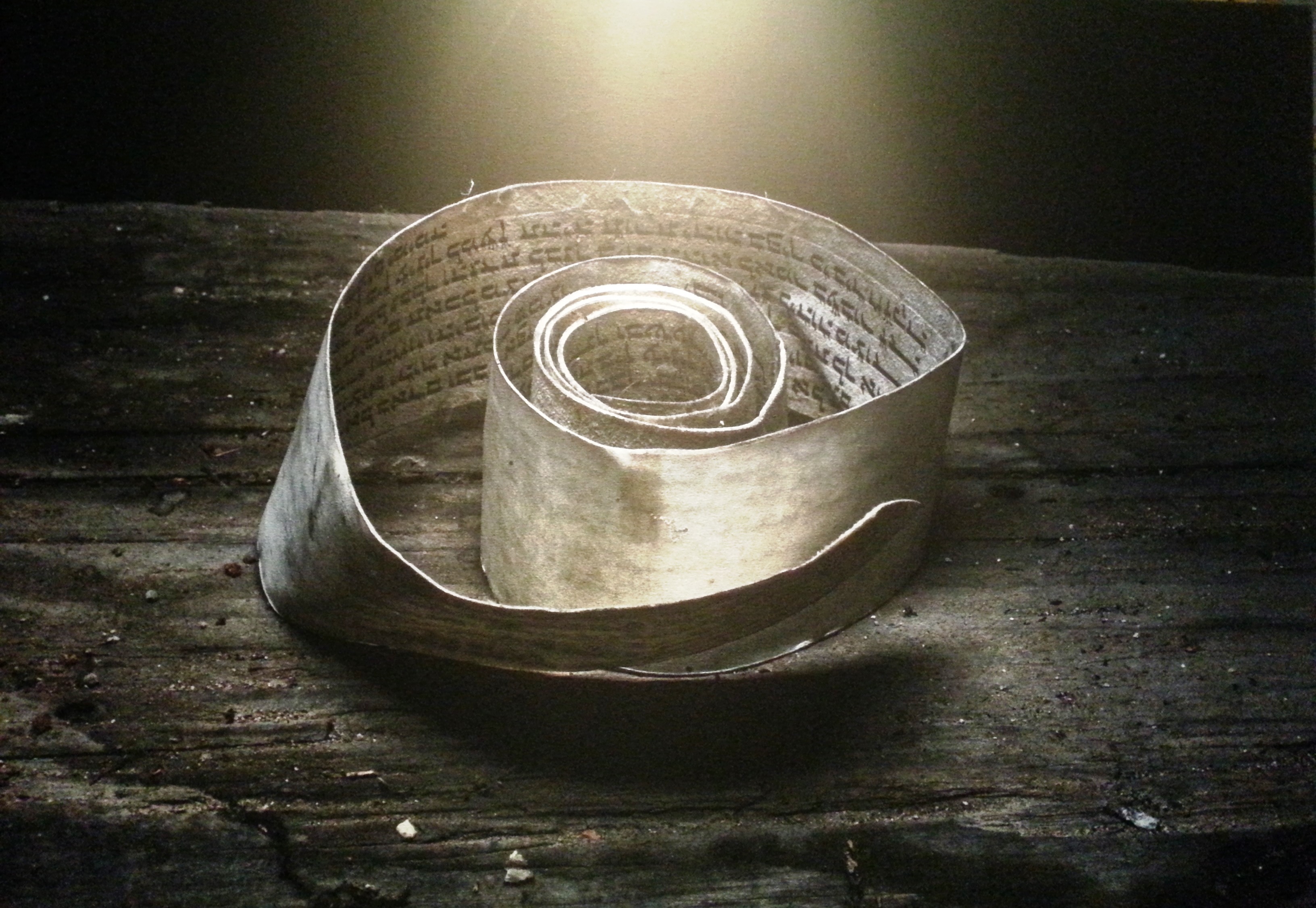
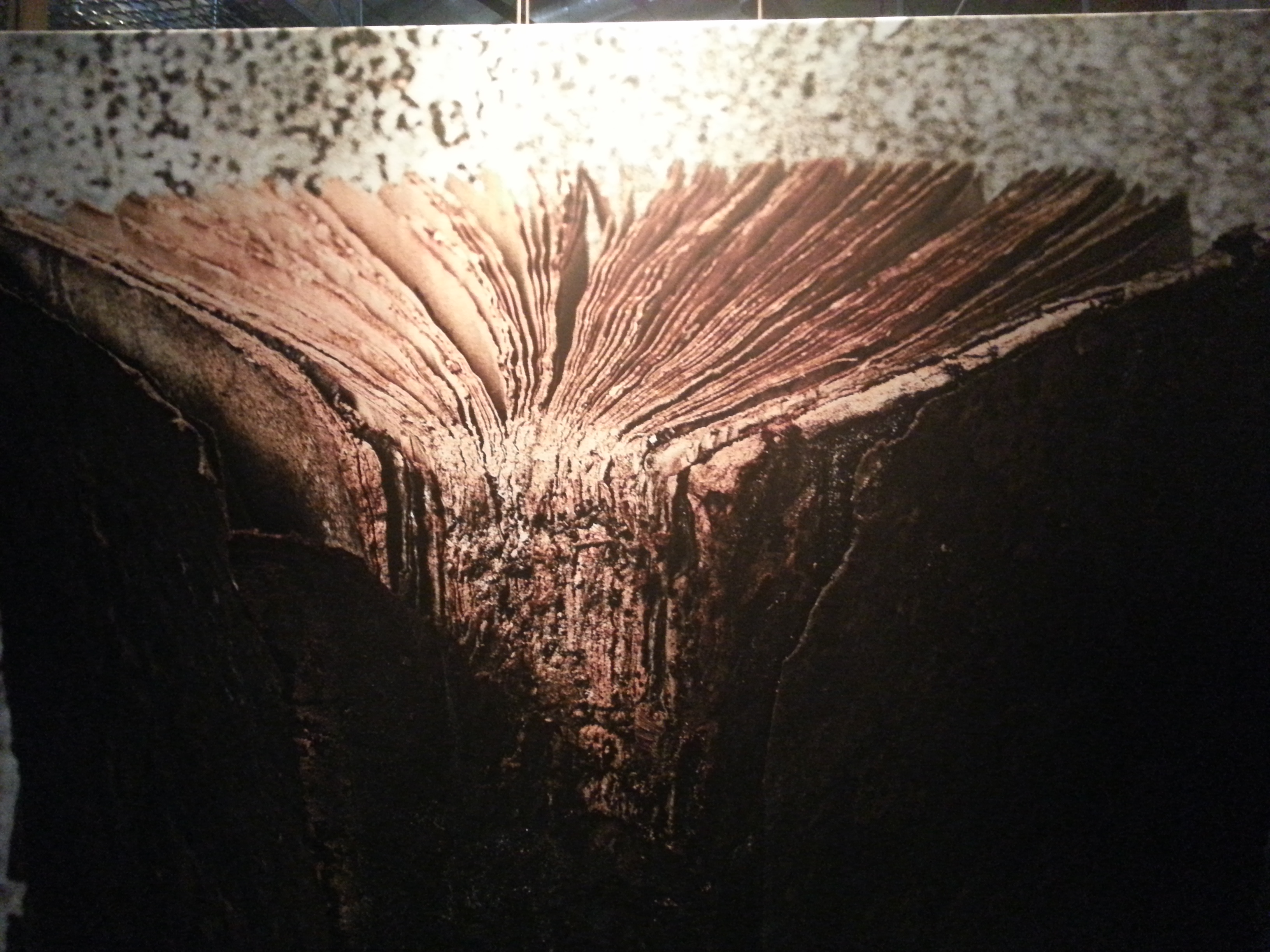
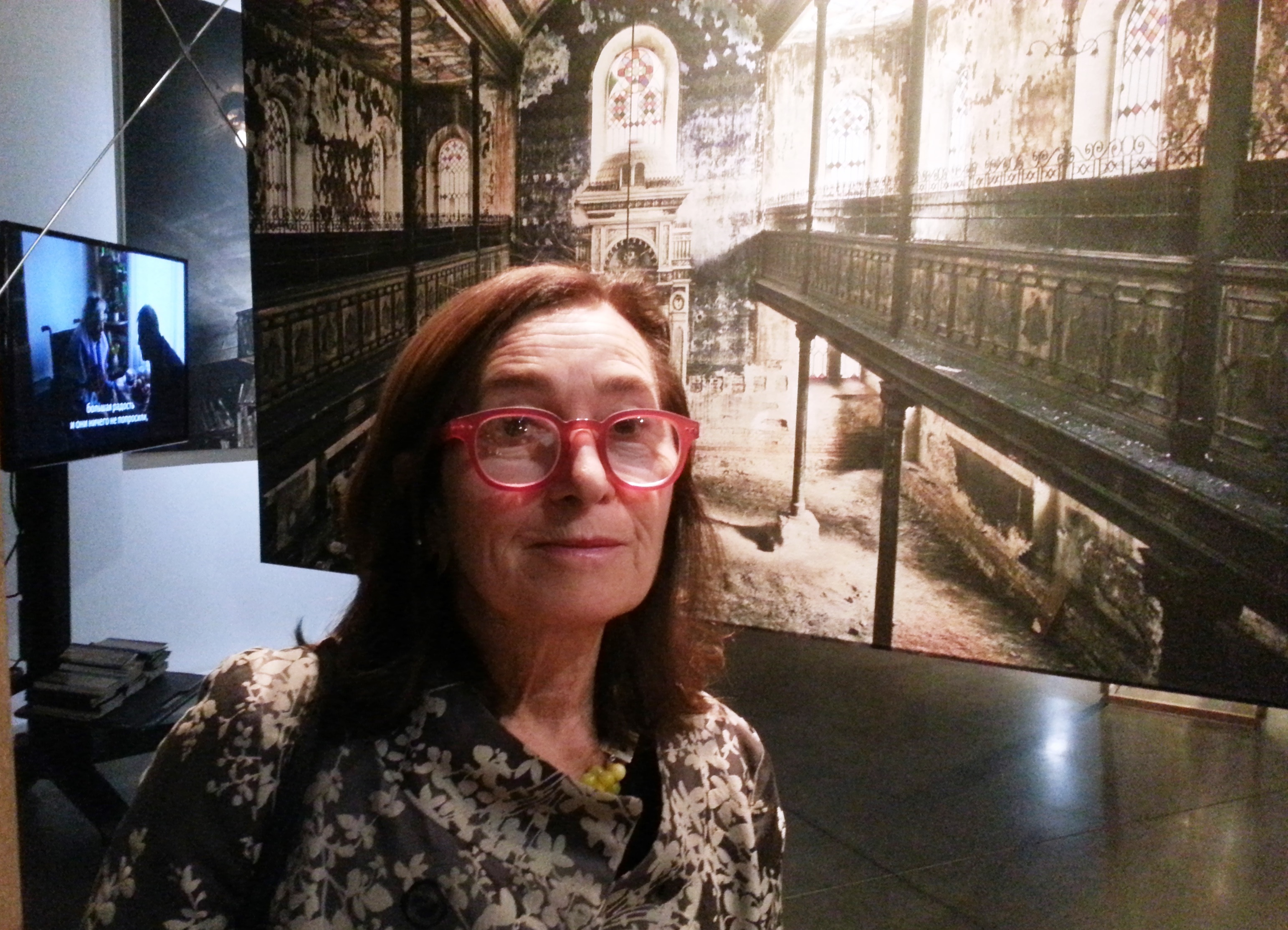
The abandoned library served as the reason for creating a new series of photographs, called "Last Folio - the last sheet." This is a sad, but not oppressive exhibition. Deutsh treated old books with the same tenderness as before his old people. He says that he was filming without photographs, and this made it possible to emphasize the fragile beauty of old folios. The absent -minded light from the dusty window fell on the Torah scroll so that a photograph came out, which the author jokingly calls "worship of Vermer." At another work, the brown pages opened by the fan are similar to a saw of a tree with annual rings. There is a pacifying note in this: a book made of wood came out to a tree and returns.
Film director Katya Krausova emphasizes that Yuri Deutsch is not a documentary photographer:
- When he sees a person, a place, a book or sheet, he is interested in emotion. In a sense, his pictures are poetry. Today, schoolchildren came to our exhibition, they were 17 years old. These were our first visitors. And they said that they did not know that one could tell about genocide in this way, artistic language: there are no people, but their books remained, their last sheets.
- For quite some time, 10 years ago, I made a big journey through Slovakia. Both in the capital, and in very small cities I saw closed synagogues. They had such dusty glasses, there was no doubt: there was no one there for a long time. In the historical center of Bratislava there is an old Jewish street, on which, as I was told, not a single Jew lives. Is something changed since then?
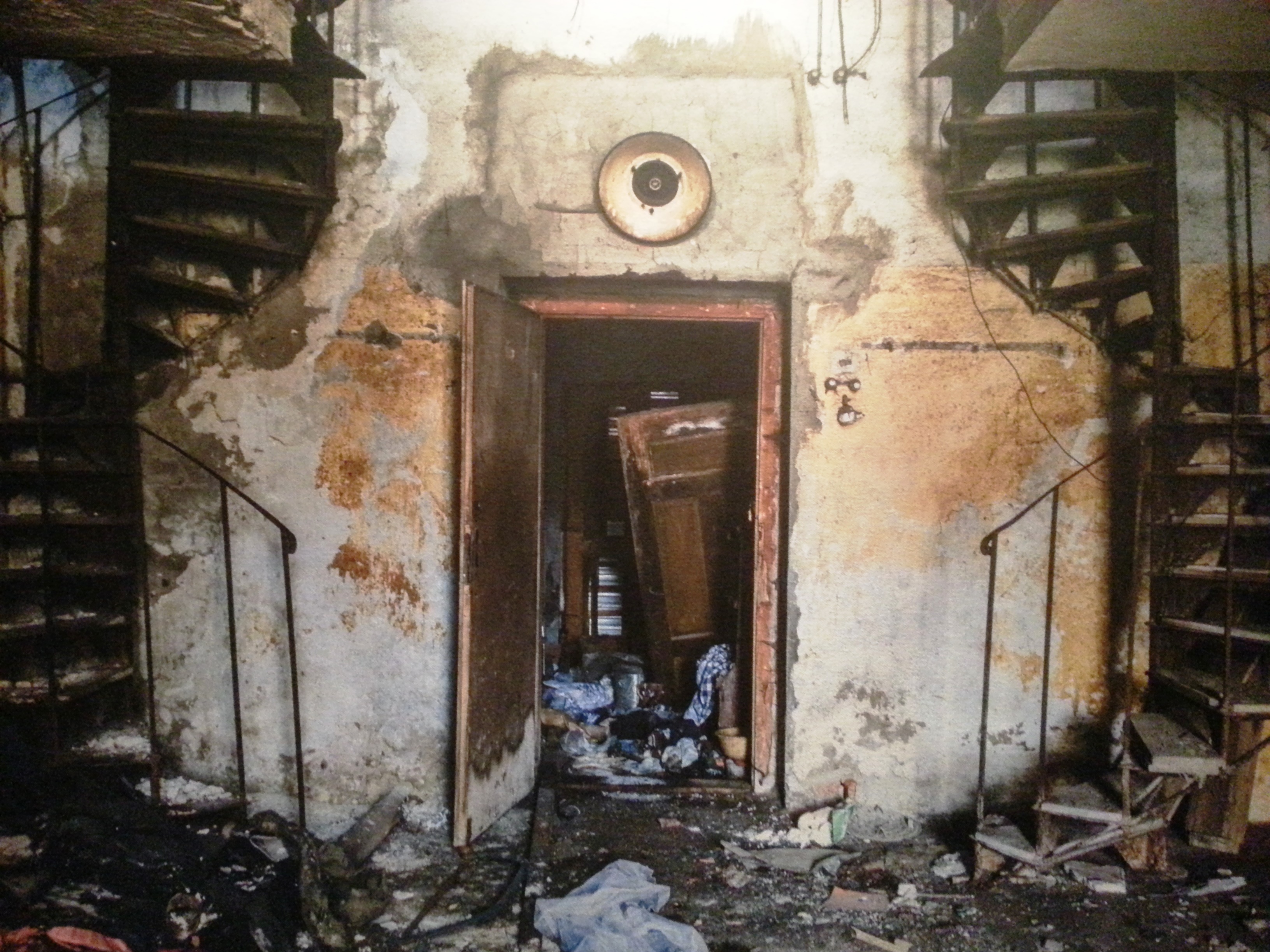
- Until now, everything is the same. Our project is just 10 years. I began to work with Yuri in 2005, when, quite by chance, I saw his photos at the exhibition. Over these 10 years, we have seen a lot of synagogues. Almost everything is in a terrible state. They are destroyed. There is no money for their repairs, and there are almost no people who could come there. This is especially true for small cities. There are no more Jews in them.
Before the war in Eastern Slovakia, there were probably not as many as in Poland or in Germany, but still in the area that belonged to the Austro-Hungarian monarchy, there was a blooming Jewish community. Moreover, it was a multicultural world. The books that we found are written in different languages. Including Hungarian, Russian, Polish, German and Slovak. People of different religions always lived there. But everything is lost.
- In that case, on what material did you make a film?
- It was a long journey in search of what was left. It was immediately clear that for the people with whom we were talking, there were the last moments in life when they could tell about their fate. They were very old. Almost all of about 85-90 years. They lived alone, these are all very difficult stories.
But, in principle, I understood over the years of our travels that we were looking for the fate of our parents, which we never asked about the experience. And this may be such a universal problem for all of us that when you need to ask, there is no longer the one you can ask. I hope that our film and our exhibition will push other people to look for what else remains.
The new exhibition of the Jewish Museum and the Center for Tolerance is dedicated to the victims of the Holocaust in Slovakia
- If possible, personal question. Do you know anything about your parents, grandfathers, grandmothers in connection with this tragedy?
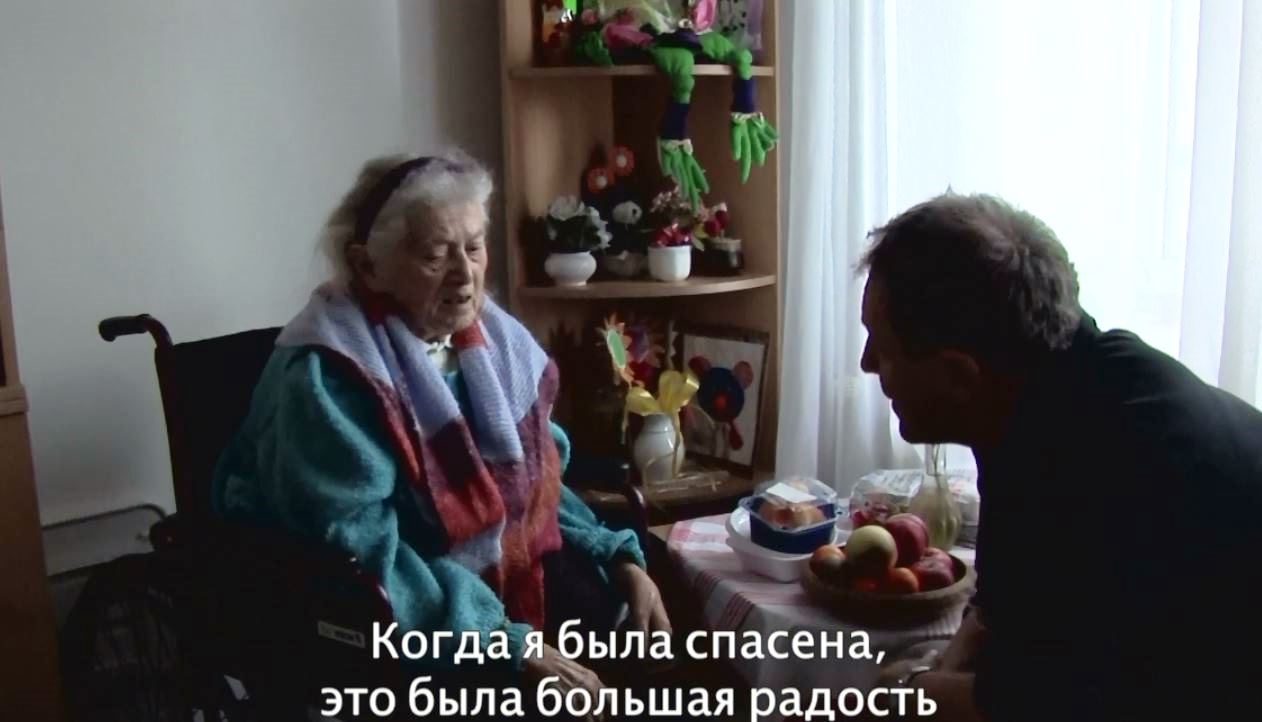
- Yes, I know. Almost the whole family of my dad died then. My dad was in four concentration camps. From my mother, almost 70 percent disappeared during the war. But I had a wonderful story that happened when we did an interview with one of the survivors, with Mrs. Grunstein. She told the story of how the end of the war found her somewhere in Germany. The homeland was still far away. Along the way, she met a group of people who also returned from concentration camps, about 30 people. Among them was a young man who told everything only about the future. He had such a huge energy for the future! For three weeks they all went to Lubeck, to Northern Germany. They knew that there was a center where they would be sent back to Czechoslovakia. This woman spent three years in Aushwitz, and she knew that she had lost everyone. And she told us that at that moment she realized that maybe she would live.
She was 23 years old, and she fell in love with this man. I ask her: "Have you married him?" She said: "No, unfortunately, we lost each other in Lubeck. I waited for him for two months, did not find it and returned to Czechoslovakia. And I got married. And only one person returned from my city." I asked if she remembered what was the name of the person she lost. I admit, at the moment when I asked her, I already knew the answer. It was such a wonderful moment! She said: "His name was - Martin Kraus." It became quiet. No one says anything. And then I said: "You know, it was my father." And the wonderful thing was that when she talked about this man who always looked into the future, and how they went to Lubeck for these three weeks, I remembered that this was the only episode of the war that my father told me about. Now I listened to that very story! I asked her if she found out whether he was alive or not. She said: "Yes, many years later I heard that he is alive, lives in Bratislava, he has a daughter." And I said: "Here I am this daughter."
After that, I told my film crew that I should call my mother, who was very sick, and dad had already died by that time. They say to me: "Are you crazy? Will you be your very, very sick mother to tell that you saw some woman who fell in love with your father?" And I said: "Yes! Because it is a story about life, and it's just fine!" - says Katya Krausova .