
Translated material
Ten years of hatred
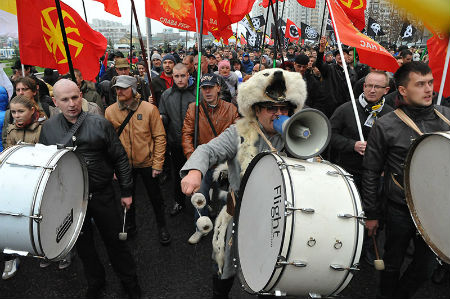
Russian march 2013. Photo by Lyudmila Barkova
Ten years ago, the first Russian march was held in Moscow. Recall the main stages of development of this initiative, marked by the struggle for the privatization of a symbolic action.
2005. The first march was originally conceived as the "right march". The initiative of its holding belongs to the leader of the "Eurasian Youth Union" to Alexander Dugin. According to Dugin himself, he actively proposed this idea of the presidential administration, but did not receive active support from the Kremlin. Nevertheless, the first procession was the only permitted in the center of Moscow - by boulevards. However, there were much more supporters of the DPNI in it than the small "Eurasians".
2006. The fate of the second Russian march was decided in a tense atmosphere. The question was raised even in the State Duma. The organizers included Sergey Baburin, deputies Alksnis, Kuryanovich, Savelyev, Rogozin. Competing movements argued about the venue. The city hall forbade the procession in the center of Moscow. The panic in the press and on the network caused a threat to hold shares in the subway along the entire ring line. As a result, the march was allowed in the form of a rally of the Baburin Party "People's Volya" on the Maiden Field. Anti -government slogans and fascist signs were prohibited. The performances were much softer than on subsequent promotions, some spoke out in support of the Kremlin. The rally was also attended by DPNI. The large forces of the police cordoned off the area from the Park of Culture metro to the girl’s field, the participants were searched when leaving the metro. After the allowed rally, some of the participants tried to conduct a procession to the subway. More than 300 people were detained.
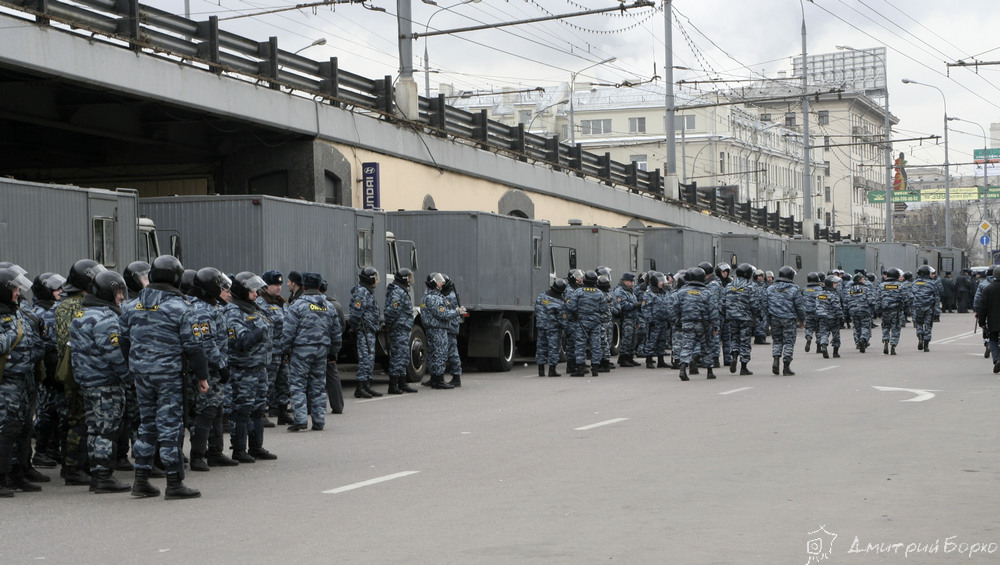
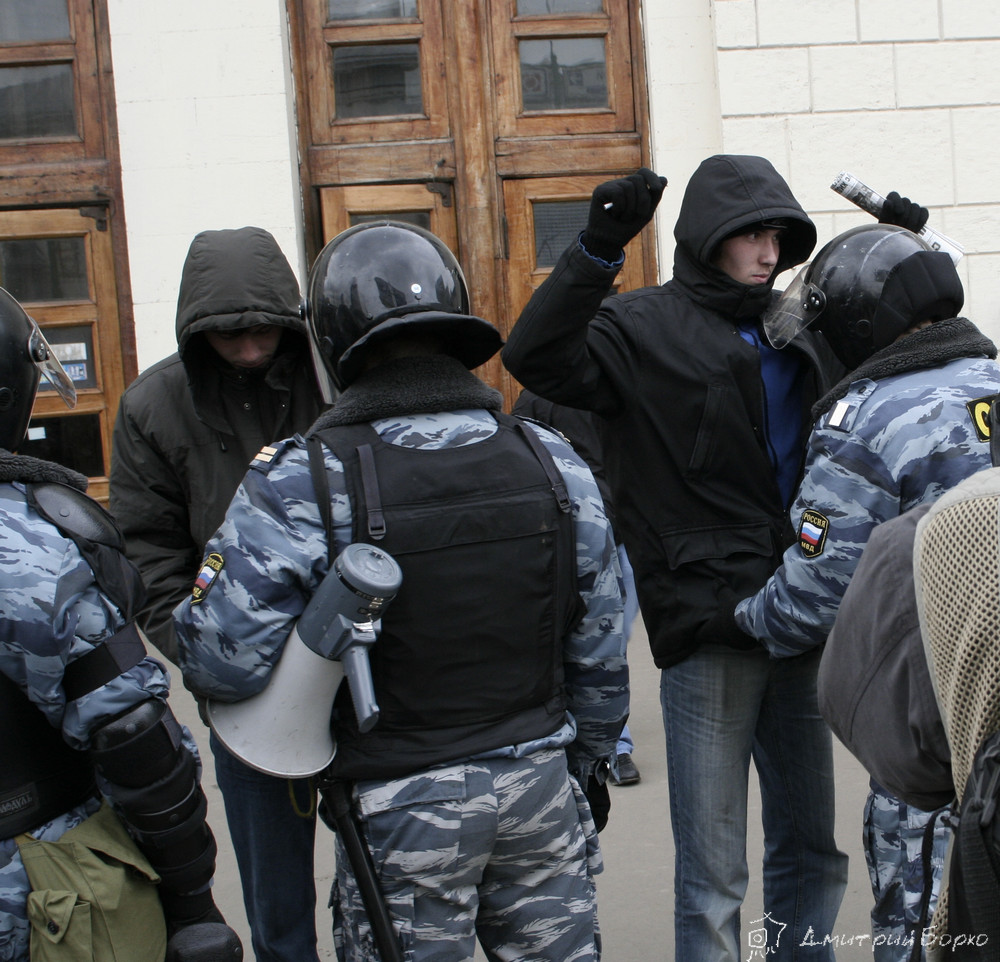
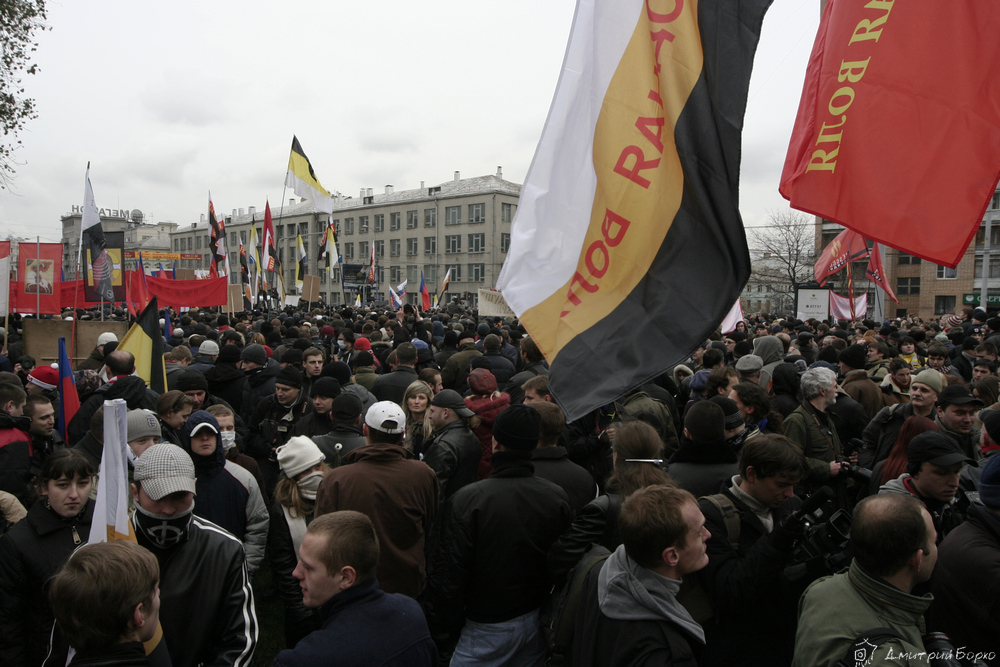
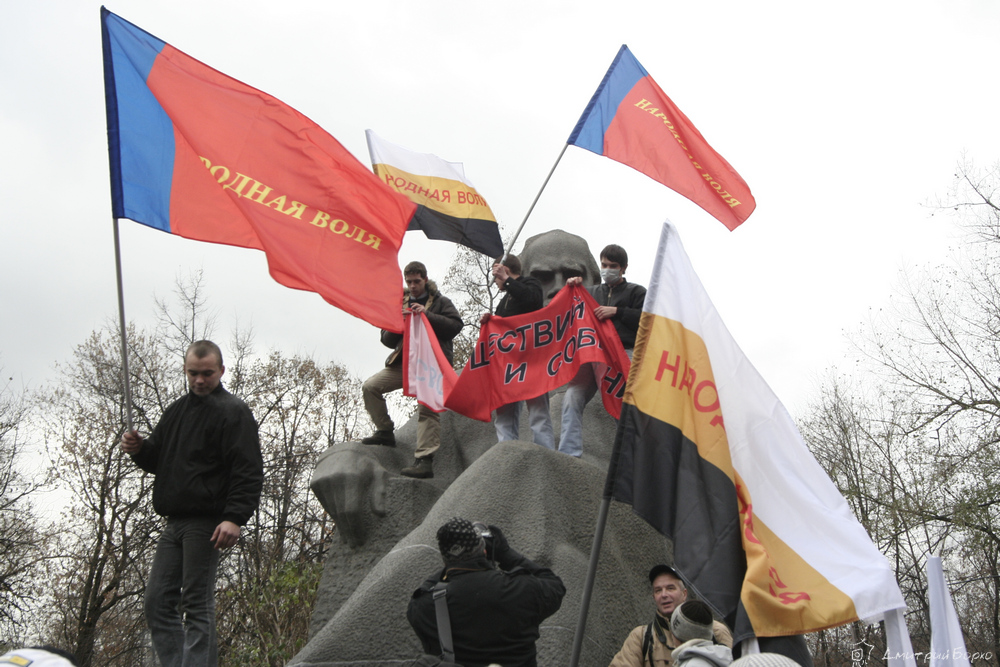
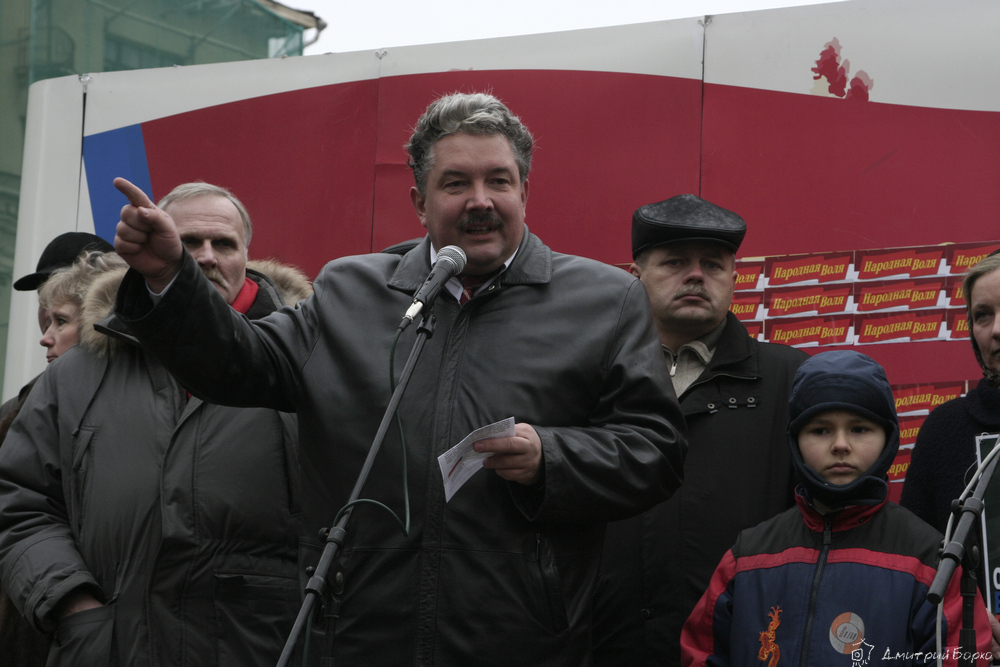
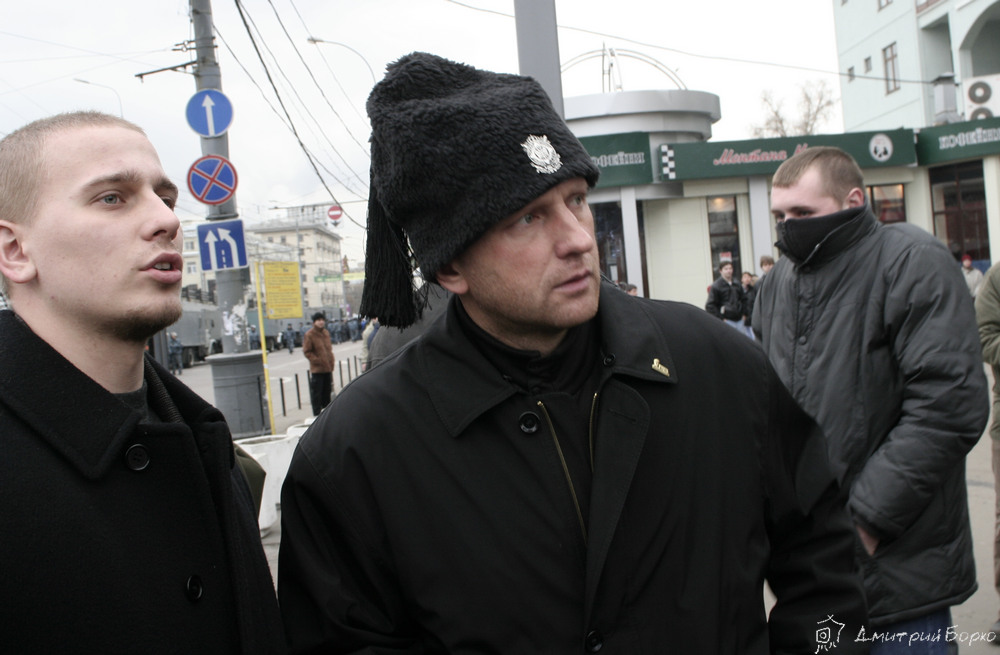
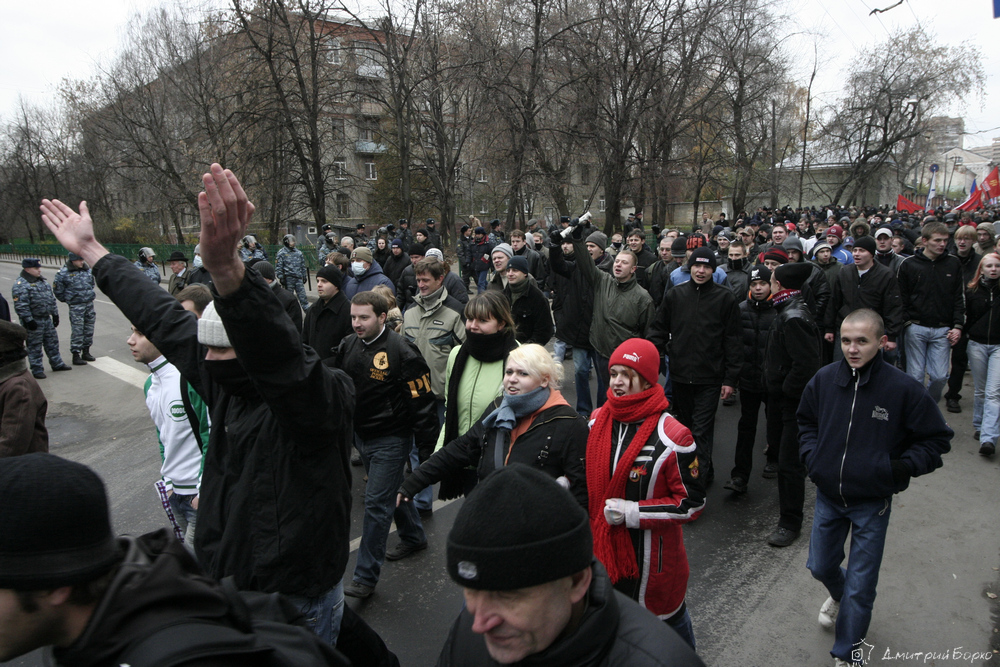
2007. The march is divided into two shares - DPNI and the "People's Union". Both processions take place at different times on the embankment of Taras Shevchenko. The DPNI action turned out to be more numerous and collected various movements of radical nationalists. The participants repeatedly "threw Zigi" and chanted "Kondopoga - to every house!"
2008. The official action organized by the "People’s Union" with the speaking Baburin, Alksnis and Kvachkov on the embankment Shevchenko gathered no more than 500 people. DPNI Belov and the "Slavic Union" of Demushkin tried to hold an unauthorized procession in Arbat. The police blocked the road and detained 500 out of 2000 participants in the procession. Young nationalists dutifully went to the car receptions, which caused ridicule on the network. For the first time, Alexei Navalny took part in the procession.
2009. In the struggle for the march, Belov and Demushkin finally win, the action is radicalized and receives a "residence permit" in Lublin. The day before, part of the closed Cherkizovsky market ("Cherkizona") moved there, hence the popular slogan "Lublizon should be destroyed." From 2 to 7 thousand people participate in the march. In the speeches of Demushkin, Kvachkov, George Borovikov (the front "memory") there are calls for the creation of a people's militia, "mastering smooth -bore weapons" and reasoning about the right of the people to an uprising.
2010. In Lublin, DPNI and the "Slavic Union" were still seasoned. The columns of football fans took part.
2011. The most crowded of all marches collects in Lublin, according to various sources, from 15 to 25 thousand people. The peak of the Russian march coincides with the rise of the protest movement related to the elections. A column of Navalny’s movement with the slogan “Down with crooks and thieves” is involved in the march, he himself performs at a rally after the procession. Leaders - Belov and Demushkin, despite the fact that their organizations of the DPNI and the Slavic Union are already prohibited as extremist. In the morning, on the day of the march, one of the organizers Konstantin Krylov was detained at his house.
"Russian March" -2011
2012. The march under the leadership of Belov and Demushkin takes place on the Crimean Embankment and ends with a rally at the Central House of Sciences. 6 thousand participate, 25 people were detained. Navalny and Kashin are agitated for the march, but they do not come to the action.
"Russian March" -2012
2013. The march returns to Lublin. Leadership in the march takes upon itself the Association "Russians" created by Demushkin. Up to 10,000 people participate. An alternative campaign in Schukin is organized by the imperial "Great Russia" by Andrei Savelyev.
"Russian march" and clashes with the police


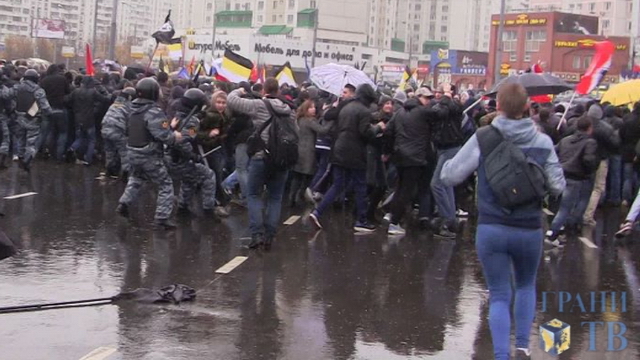
2014. The Russian march is split on the issue of attitude to "New Russia". The “main” part under the leadership of Demushkin (Belov is arrested in an initiated criminal case) opposes expansion in Ukraine, supporters of Novorossiya are holding a campaign in Shchukin. After the mayor's office refuses to coordinate Demushkin’s application, one of the leaders of the National Democratic Party Vladlen Thor (Kralin) becomes the applicant of the march in Lublin. The number of participants in the march in Lublin is noticeably falling - from 2 to 6 thousand. In Schukin, 1,500 people are rallying.