
Translated material
Word and faith
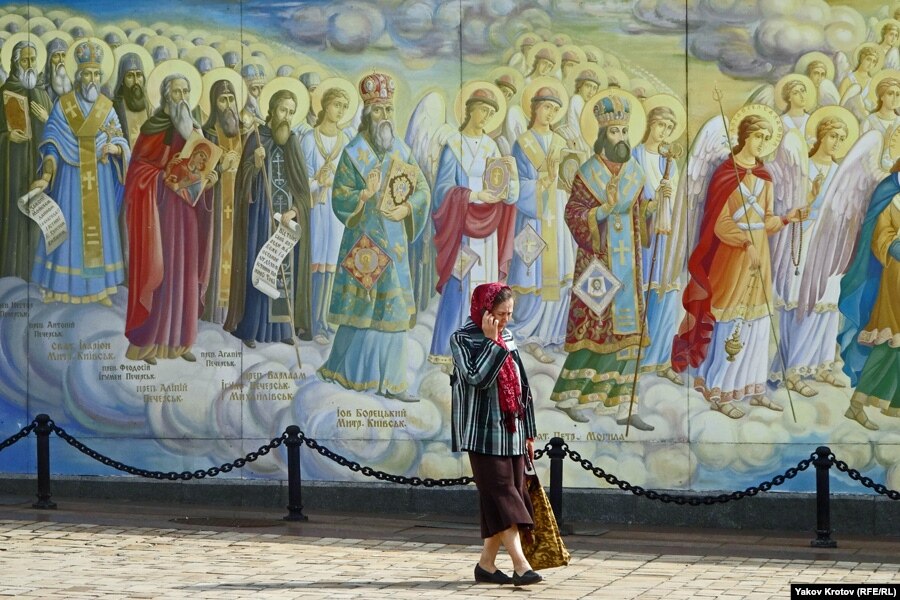
Writer Miroslav Bakulin and publisher Timofey Sayfullin
Yakov Krotov: Our guests are employees of the Tyumen Orthodox Publishing House "Russian Week": his chief editor Miroslav Bakulin , a native of Tobolsk, and an employee of the Publishing House Tu Imofei Saifullin .
Miroslav Yuryevich, in one of your texts you once said that for you every day is the Gospel and Christ, and here is the joy that they are. And what is the difference - the Gospel and Christ?
Miroslav Bakulin: The fact that Christ is really present every day in the life of a Christian, and Christ is inside, and the Gospel outside. The apostle Paul says this: "We are given everything to each other in teaching, the teaching is good, bad." In this sense, Christ is present with me, but this does not mean that I are him for others. This is a big dilemma.
Yakov Krotov: Have you been to the Kremlin?
Miroslav Bakulin: Yes.
Yakov Krotov: I'm just trying to understand how you are different from the broom of Erofeev , with whom you are often compared (or with his lyrical hero).
Miroslav Bakulin: It would be very flattering if I were compared with Venichka Erofeev, but no one ever bother to do it.
Yakov Krotov: I read! Well, consider that I compare you with Venichka Erofeev.
Venichka Erofeev for me is not the person as he is usually represented by a drunkard and so on. For me, this is a deeply Christian writer
Miroslav Bakulin: This is flattered by me, because Venichka Erofeev for me is not the person as he is usually represented, a drunkard and so on. For me, this is a deeply Christian writer.
Yakov Krotov: Yes, I know that you only have a lion Tolstoy in the category of bad writers. “Tolstoy is bored, Pushkin Lys, Brodsky is stupid” ... I quote.
Miroslav Bakulin: No, Brodsky is not stupid, he is an accountant. And Leskov, unfortunately, is an atheist.
Yakov Krotov: He became so under pressure from circumstances.
Miroslav Bakulin: I agree.
Yakov Krotov: You have now arrived in Moscow for a bonus - for a book about St. Philotheus. I think, one of the circumstances that pushed Nikolai Semenovich Leskov to the loss of faith ... After all, he was a believer, but lost faith ... This is like in the story "Bland Court", there is also a very subtle hint of St. Philofei and at the same time at Khlestakov. Here is Philofei - 40 thousand peasants, but, excuse me, do you technically imagine the baptism of 40 thousand people who do not know the Russian language? This is Khlestakovshchina! 40 thousand couriers ...
Miroslav Bakulin: No. It’s just that the mission in those days was very different.
The story of Philotheus and my connection with this saint is very long. I ended up in a monastery where the relics of Philotheus were burned in 1924, and I had documents in my hands, but our rector of the Holy Trinity Monastery was sure that this was not so. He received a letter where it was written that the relics were actually reburied, and only a coffin and a mantle were given to the Soviet authorities. We began to search and found relics.
And this year we found in the historical museum his manuscript, which is addressed to Metropolitan Dmitry Rostov , it is called the "Siberian forests." We transferred it and are now going to publish it. So, I asked this question technically: how could such a number of people be baptized? And I found a very interesting document, digging in the documents of the Konda Monastery.
No, Brodsky is not stupid, he is an accountant. And Leskov, unfortunately, is an atheist
Khanty, Mansi, Selkups, Zyryans treated their gods very pragmatically. They put some idol, sheathed him with skins, made him some victims, and if he worked, they worshiped him. As soon as he stopped doing this, they demolished him with pleasure.
I have a very interesting experience. Once, having left an academic career, I decided to sign up with a sailor-receiver and spent some time among the khants, Mansi, Selkups and Zyryan. I plunged quite deeply into this culture and I know how pragmatic they are. Now they are the same polytheists as 300 years ago. But they call themselves Christians, moreover, they all remember that they are baptized by Philotheus, and are very proud of it. After 300 years, they honor his memory.
When he walked along the river with his small detachment, and they tried to hide in the taiga, they went to very deep places. There are swamps, midges, it is easy enough to die there, and they literally got out of Filofei with this beast and midge. And then, after all, Filofei did this for a long time.
When Filofei, being an venerable old man, arrived in Tobolsk, he gathered the first cathedral of priests
Do not forget another important historical fact. When Philofei, being an venerable old man, arrived in Tobolsk, he gathered the first cathedral of priests. He gathered all the priests from Tobolsk to China, studied with them, explained the rules of singing, looked at what flour, what wine they use, and other thin details. And, studying with them, he traveled to China. We are only raising all these documents now, we work with scientists in Irkutsk, Tomsk, Omsk, Novosibirsk, and we only begin to find out today what kind of person it was.
Yakov Krotov: But we see the result: they are polytheists.
Miroslav Bakulin: Do you know why? Because during the life of Filofei, when he remained retired in the Holy Trinity Monastery, his follower, Archbishop Anthony, destroyed everything that he was going to do. He dispersed the school in Tobolsk, defeated the printing house, dispersed the theater created by Philofei ...
There was Gorbachev - all were the Communists, Yeltsin came - everyone became Orthodox
Yakov Krotov: Does this not mean that you have a look at a person, as a purely passive object? Here Filofei came, tried - everyone became Orthodox. After Filofei - bad, everything ruined - everyone ceased to be Orthodox. Where are the people? They themselves pray, think, feel? There was Gorbachev - all were the Communists, Yeltsin came - all became the Orthodox. Is a person only a function from the Secretary General?
Miroslav Bakulin: No, on the contrary! Now we were engaged in the translation of Philofei and were simply shocked by the fact that a man of the 17th century is more educated than us several thousand times!
Yakov Krotov: What is amazing? Still, Filofei Leshchinsky finished the collegium , this is a major baroque writer of the 17th century with a good Western education.
Miroslav Bakulin: This book, by the way, was addressed to Dmitry Rostov, they were very friends and helped each other. And there were some things that may seem random ... One Khanty prince sent hunters to kill Philofei. They shot him, but he was so skinny (because he fasted very much) that the arrow passed through his mantle and did not hurt him. It was already something prohibitive. He was taken to Kalachov, this prince, and then they talked for a long time. Moreover, Filofei Peter was given the task of baptizing China and Mongolia, and he sent several expeditions there.
Yakov Krotov: Do you like it?
Filofei Peter was given the task of baptizing China and Mongolia, and he sent several expeditions there
Miroslav Bakulin: I understand that this was impossible, but ... people had a faith of a different nature, a different quality. The whole problem is this. Recently I was in Novosibirsk. There, the priest saw that he had small, small ants on his altar in the altar, and he in a shaveor said: "And what will you tear them out than?" And the other priest, poorly educated, but just burning faith, says: "Let's serve a prayer service!" I sat and watched this conversation. He says: "Nothing will help." He says: "Well, you can, me?" - "Pray." So they got up with a deacon and, while the priest, the abbot went somewhere, prayed. The abbot arrives and sees that such a small thread was curled from the threshold of the church, put on glasses, leaned, looked-the ants migrated somewhere from this temple.
Yakov Krotov: Timofei Alekseevich, you have the name Tatarskaya, not Russian.
Timofey Sayffullin: Yes.
Yakov Krotov: Are you a hereditary Orthodox?
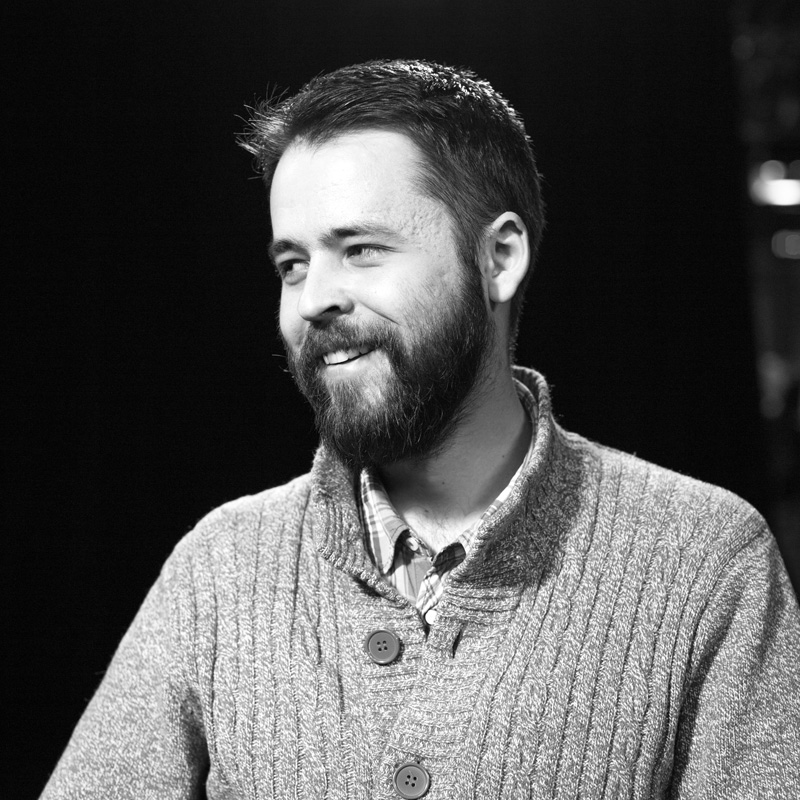
Timothy Sayffullin: No. I was baptized at the age of 7, and before that I was even called Timur. He tried to take root in two names, but it did not work out, and decided that I would still be Timothy. They baptized with Timothy, then changed the name.
Yakov Krotov: So when you listen to stories about the baptism of entire peoples, ethnic groups, is it close to you? You had a purely personal choice.
Timothy Saifullin: I would not say that at the age of 7 I had some choice. I haven't figured anything yet. Somewhere from 10 years old I already started to seal, then I went to the Orthodox gymnasium, and this was already a personal choice.
Yakov Krotov: Is the project of the baptism of Tatar, Mongolia, China?
I liked the evening worship, when the dusk, the six -popsalmia is read, the candles are burning
Timothy Saifulin: I think this is a personal meeting with the holy man. I was in the church all the time because I really liked it. I liked the evening service, when the dusk, the six -popsalmia was read, the candles burned ... I went into this life and stayed there. I think this is a meeting with a person. We had Archimandrite Tikhon, who, in fact, found the relics of Philotheus, and I went to Sunday school behind this person. Miroslav Yuryevich Bakulin taught there.
Yakov Krotov: Miroslav Yuryevich, you really look like a broom of Erofeev, who has been striving for the Kremlin all his life and could not get. But you quoted the famous not the Orthodox philosopher that God is a circle who has a center everywhere, and the circle is nowhere.
Miroslav Bakulin: Well, yes.
Yakov Krotov: This can be said about Orthodox Russia: this is a place where the Kremlin is everywhere, and where is Christ?
Miroslav Bakulin: No, it happens the other way around. A person has Christ in the heart. The problem is different - will he have time to build the Kremlin in his heart in his life?
Yakov Krotov: Is this necessary?
Miroslav Bakulin: I think yes. If a person does not reward the praise from which his heart rejoices, then what is the point of living in general?
Yakov Krotov: You have words that any of the Russian classics could write, Dmitry Rostov or Father Alexander Men, that a person needs a great goal in life, there should be a great thing that a person’s whole life strives for this goal.
Miroslav Bakulin: No, I said, rather, other words. Today, our generation asks the younger one: why did you earlier be musicians, punks, someone else, and then all suddenly became priests, archimandrites, believers, bearded? We were looking for power. And we found her, found God, Christ. We searched, the problem was in the search.
Recently, one person told me: "You know, the son of my very good friend, believer, went to the Muslim madrasah, study at the mullah. This is terrible, tragedy!" I said: "And what is the tragic? A person is looking for. And thank God if he finds." A colleague in the department, a professor, an unbeliever came with wild eyes and said: "My son went into a sect, and said to me:" My father is God, and you are no one at all "." And I said: "I am glad for you because the Lord finally visited your family." Now you will have to figure out what Christianity is. ”
If a person does not reward the praise from which his heart rejoices, then what is the point of living in general?
I will say easier. When I was very young and just started going to church, I sat once in the temple. It was winter, an evening service, and I look - the grandmother sits in the corner and laughs, such a completely Siberian old woman. I go up and ask: "Grandma, what happened?" She says: "Yes, God visited, they stole the shawl."
Yakov Krotov: Miroslav Yuryevich, it is difficult with you, because your texts are really in the style of the brooms of Erofeev. Not all, of course, is a classic, such as a definition of love: to love is to see another with the eyes of God. This is not a broom of Erofeev, this is Berdyaev , father Sergius Bulgakov ... But still you are jeopardized in the texts. But personally, as I am glad to see when meeting, you do not jeopardize, do not swear, but are very worthy.
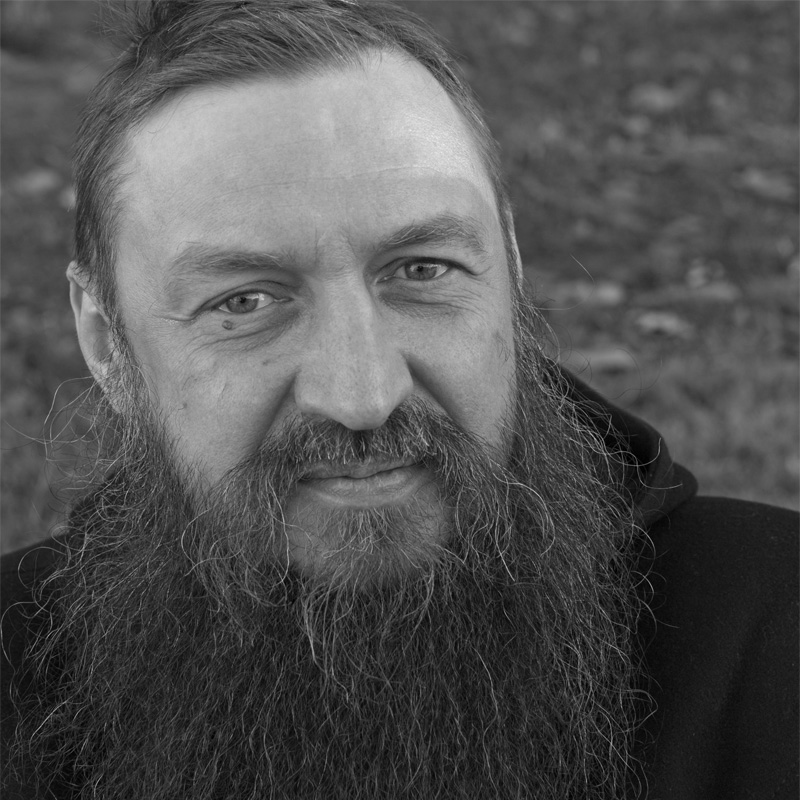
Miroslav Bakulin: This is an attempt to get rid of the internal editor. At one time, I ended up in the Siberian Orthodox newspaper. My confessor, Father Tikhon, sent me there. He led me into the room, like a groom, a young girl, circled me with a horizon - they say, look what will happen. There was not even a stool in the room. I went home, walked on the way and thought who I would be, what is Orthodox journalism at all and what they eat with. I come. My house has a gorgeous black car, a woman with black hair comes out of it and says: "You know, you were accepted by the deputy head of a large bank, right now." I say: "You know, you are late for 15 minutes, I have already been hired." She says: "You have an office, salary, secretary, all these things ..."-"No, no, I can’t, I already promised." She replies: "Thank God, we found out in time that you are an idiot." And I began to buy paper, print a diocesan newspaper alone, spread it, and I saw a lot of things around the country, saw people, became an eyewitness of many things: good, funny, terrible, terrible, joyful, amazing, wonderful ... But I could not expose the nudity of the church in the newspaper. And I began to write something in the table so as not to go crazy.
Yakov Krotov: Didn't you go away?
I began to write something on the table, so as not to go crazy
Miroslav Bakulin: I don’t know, probably, I got down. My father and I had a very interesting relationship, we always talked on the Hamburg account. He was a very educated person, a journalist himself, and once I just showed him these notes. And we had a strange conversation, which, in fact, the literature began. He came to me, sat on my house on a bench, we sat, just praying. Then he turned to me and said: "Miroslav, you are an amazing man!" That is, he told me this is not as a father, but as a literary critic. "This must be published because there is life in this." And I acted as a literary character who wrote all these texts. I myself may not be that. After all, what I think about myself, and what I really are, can be “two big differences”. And this is foolishness, fucker, an attempt to escape somewhere to the side-this is another. On the one hand, I had to teach at a university, at a spiritual school, to make a newspaper, to work on radio stations, on television, and on the other hand, I also wanted to live.
Yakov Krotov: You have one book called the "teeth of the sinner" ...
Miroslav Bakulin: Yes, these are literally the first psalms: "Thou shut the teeth of sinners."
Yakov Krotov: When the holy fools were foolish, it was one thing, this is a kind of missionary, and this is a testimony of truth, how Basil Blessed in a totalitarian world, where the word of truth cannot be sounded, because Malyuta Skuratov will come and seal your mouth. But what you write is not entirely foolishness, this is not a certificate of truth. I would say that this is the phenomenon of Schweik’s soldier . This is a person set in conditions when there can be no talk of any evidence, and for him this winding, almost a tornado is a kind of resentment that is passed through himself, like moonshine through milk, and this is a means of self-survival, self-preservation. But then it deeply contradicts life in Christ.
Schweik is an idiot, but, telling an infinite number of different stories, he defeats the reader
Miroslav Bakulin: This does not contradict. Schweik is an idiot, but, telling an infinite number of different stories, he defeats the reader. For a very long time I looked for the moment when Christ still shone somewhere. And there is a moment when Schweik was hit, suddenly he ended up in a hut, got drunk with the gendarmes, and they sleep together on some sofas, beds. Schweik wakes up, looks at the table and - "the suffering face of Christ looked from the table." And I suddenly realized that Hashka, with all his clericalism ...
Yakov Krotov: I remember your words about acquaintances who "endowed Tsatsk as a cash and thereby renounced Christ."
Miroslav Bakulin: They did not renounce Christ, and they entrusted their will to the bishop, we will call it that. They are just trading.
Yakov Krotov: You often write that faith is joy. A few years ago, a six -year -old daughter died, three children left, and as I understand it, you suffered it ... I don’t know if I could transfer it ... my granddaughter is now 8 years old. Christianity does not answer the question of the meaning of evil.
Miroslav Bakulin: I think many people who do not face real evil do not know how close Christ comes close at that moment. One woman asked me: “Your daughter lived for only seven years, she suffered from brain cancer for a year and a half. You practically lived in the hospital, the rest of the children were outside your field of life, you rushed between Tyumen and Moscow. Why is it so? Why a little child ... He didn’t have time!” I say: "By my bitter experience that I suffered, she did more for life than I did." She turned to God much more people than in her entire life I turned.
My daughter, who died at 6 years old from brain cancer, turned much more people to God than I turned in all my life
A simple example. A certain woman Raisa lived in America, she was not familiar with me or my daughter. She went there to make heavier fertilization, and there she sold into slavery at first to the Poles ... In general, everything was very difficult there, and then she received his rights, Grinkart and became such an average American ... And she knew her from the north: “Here is such a disaster, a girl is sick, I need to pray ...” and she went to the Church of the Holy Trinity in Chicago, and I did not know, I didn’t know, I didn’t know me, I don’t know. What to do ... "And the father says:" Brothers and sisters, let's get together and pray. " They gathered together and began to pray with her. Потом пошли в трапезную, накормили ее, напоили, стали с ней разговаривать. В общем, она впервые оттаяла душой, поняла, что ее кто-то держит за человека. У них там главный святой в Тобольско-Тюменской метрополии – Ян Максимович, и его дальний родственник, другой Ян Максимович, его мощи находятся в Сан-Франциско. Ей говорят: "Поезжай туда, привези оттуда мощи и пошли Мирославу". Она едет в Сан-Франциско, там ее точно так же встречает русский церковный дом, и она опять почувствовала, что она христианка, что ее любят. И она стала доброй христианкой. И такие примеры я могу вам рассказывать бесконечно.
Почему-то считается, что в церковь непременно нужно приходить из какого-то горя - вот это я понять никак не могу.
Мерить человека делами – если это не язычество, что тогда язычество?
Яков Кротов: Ну, это Фейербаховская идея, что Бог – это опиум для народа. Это очень атеистическое изречение: религия – опиум: когда больно – ее принимают, когда не больно – не принимают. И я бы убил эту женщину за сам вопрос: «что сделала»? Мерить человека делами – если это не язычество, что тогда язычество? И почему люди ищут смыслы там, где смыслов быть не должно? Как можно задавать вопрос о смысле жизни, о смысле любви? Это означает, что мы отрицаем абсолют, мы отрицаем существование того, что выше смысла и из чего исходит смысл.
Мирослав Бакулин: Когда студенты меня спрашивают, в чем смысл жизни, я говорю: "Берите ручки и записывайте: служить Богу и ближнему". Когда-то в другой день вы подумаете об этом и сами решите. Service! Начни служить, начни что-то делать, и в этот день ты найдешь себя.
Яков Кротов: Вот вы говорите – и сам апостол Павел говорит вашими устами, и друг съезжаете на мощи, на силу молитвы. А ваши тексты проповедуют Христа и бессилие молитвы.
Мирослав Бакулин: У молитвы есть два конца. С одной стороны – бессильный человек, а иногда, может быть, гадкий, подлый, мерзкий, отвратительный, уродливый, а с другой стороны – Бог, всемилостивый, любящий, прощающий, милосердный. Это отрезок, даже, может быть, некая прямая. Как говорил Николай Кузанский , всякая прямая – часть окружности или треугольника, имея в виду, что это всегда или зациклено, или как-то протянуто, но в любом случае это отрезок. Поэтому, какой бы человек и как бы ни молился, Господь слышит его молитву.
С одной стороны – бессильный человек, а с другой стороны – Бог, всемилостивый, любящий, прощающий, милосердный
Вот вам простой пример. Однажды мы с неким дьяконом приходим ночью печатать газету. А в типографии работали одни женщины, они увидели наши подрясники… И одна ко мне подходит и говорит: "Вот если ты веруешь, можешь сделать так, чтобы я не курила?" Человек задает мне вопрос с верой и упованием, и я с верой и упованием говорю, налагая руку на голову (а дьякон при это стоит совершенно ошалевший от моей наглости): "Давай, раба Божия, будем молиться с тобой". Я очень большой прохвост в этом смысле, и хлестаковщина присутствует. Я пропел "Царю небесному", что-то еще прочитал. Через некоторое время прихожу в эту же типографию, она встречает меня криком: "А, обманщик пришел! Я как курила, так и курю". Я говорю: "Ласточка моя, а ты сама-то молилась в это время?" - "No". – "А тут надо самой помолиться". Пошли в уголок, я достал из кармана иконочку Божьей Матери, поставил и говорю: "Вот, говори любыми словами…" Она начала: "Божья Матерь, вот, я курила столько лет, сейчас не хочу больше курить. Как же мне быть?" Я отошел подальше, и у нее там создалось некое интимное пространство в молитве. Она говорила-говорила и в конце концов расплакалась. Прихожу через какое-то время, а она торжественно, пасхально бежит ко мне, обнимает меня, целует и говорит: "Слушай, я ведь бросила курить".
Яков Кротов: Ох, не люблю чудес…
Мирослав Бакулин: А меня они окружают круглые сутки! Вы не любите чудес, а я уже перестал их различать.
Яков Кротов: В каком-то смысле чудеса – враги, а настоящая жизнь с Богом начинается, когда нам не нужны чудеса.
Мирослав Бакулин: А мне вот они совершенно не нужны, я их совершенно не ищу.
Яков Кротов: А зачем тогда вы их делаете?
Мирослав Бакулин: Я их не делаю.
Яков Кротов: А с курением?
Вы не любите чудес, а меня они окружают круглые сутки!
Мирослав Бакулин: Ну, просто человек попросил меня, и я отозвался на просьбу, а дальше дело Господа. Я отвечаю абсолютно на любой вызов, даже на самый дикий. Вот по поводу венцов безбрачия могу рассказать. Поехали у нас три девушки к одной колдунье, хотели решить проблему с женихами. После этой поездки одна из них совершенно случайно попала в автокатастрофу, другая совершенно случайно попала в больницу с аппендицитом, а третья пришла ко мне, целая и невредимая. И она мне говорит: "Знаете, мне ведьма сказала, что на мне венцы безбрачия". Я говорю: "Ты знаешь, я очень специальный человек, особенный, я снимаю венцы безбрачия на раз. Тут надо решиться, решимость отличает христиан от остальных людей". Она говорит: "Ну, хорошо, что нужно делать?" Я говорю: "Я сейчас вызову священника, надо будет исповедаться, ты причастишься, а потом я сниму венцы". Я звоню батюшке: "Человек первый раз в жизни на исповеди". Полтора часа они беседуют с батюшкой обо всей жизни. Ей говорю: "Только ничего не оставляй. Вот что-то оставишь – и это будет гвоздик, на котором венец безбрачия повиснет и будет висеть всю жизнь. Все, самое позорное, чего ты и не хотела бы, чтобы в твоей жизни было". Она исповедалась, на следующий день пришла в храм, мы постояли литургию, она причастилась, выходит из храма, я ее подзываю и говорю: "Иди, раба Божия Анастасия, сейчас будем снимать. Снимаются венцы с рабы Божией Анастасии во имя Отца, аминь, и Сына, аминь, и Святого Духа, аминь!" Она встала так: "Ах, как легко стало!" Я прохвост, да, но она что сделала?
Яков Кротов: Я и говорю, Веничка Ерофеев!
Мое дело – уметь общаться с окружающими людьми, то есть уметь обижать их так, чтобы им это было приятно
Мирослав Бакулин: Я дал Господу возможность побыть с ней, войти в нее, гореть в ней… Это Он все снимет, сделает, решит, это Его дело. Мое дело – уметь общаться с окружающими людьми, то есть уметь обижать их так, чтобы им это было приятно.
Яков Кротов: Позволю себе процитировать один из ваших рассказов: "Отец Вадим Булатов вместе со мной радовался, что из меня, слава Богу, не вышло попа. Он даже нарисовал картинку, что было бы, если бы я стал попом. Там, на этой картинке, я стою на амвоне, за мной - отверстые царские врата, ворот моего подрясника расстегнут, оттуда почему-то видна тельняшка, в занесенной руке моей граната с оторванной чекой. Прихожане лежат на полу, схватившись за головы, а изо рта моего выплывает пузырь, в котором написано: "Молитесь, суки!""
Мирослав Бакулин: Была такая картинка.
Яков Кротов: И я теперь понимаю, что отец Вадим Булатов имел в виду. Тимофей, насколько легко работать с таким главным редактором?
Тимофей Сайфуллин: Скажем так, не легко и не трудно, а очень… по-настоящему. Я всю жизнь мечтал о том, что мы делаем. Я хотел быть поближе к издательству, я люблю книжки, и я оказался в издательстве. Издательство у нас маленькое, ему всего пять лет, но за это время мы уже многое издали, и издали то, что хотелось.
Яков Кротов: А с вами Мирослав Юрьевич производил какие-то чудеса?
Главное чудо - что мы вместе
Тимофей Сайфуллин: Главное чудо - что мы вместе. Он меня очень сильно поддержал по поводу воскресной школы, когда я был маленький. В семейной жизни моих родителей, возникали проблемы, и я это вынес благодаря Мирославу. Была другая направленность в жизни, я был в церкви, был с людьми, которые меня поддержали и вырастили, пока родители, к сожалению, были заняты собой.
Яков Кротов: Помню ваш чудный рассказ про алкоголика, вы подаете алкоголикам (кстати о Веничке Ерофееве), хотя есть люди, которые считают, что подавать алкоголикам – это антихристово дело, что тем самым людям делается большое зло. И про пьяницу, который сказал, что "превратить воду в вино не так трудно, а я превратил вино в мебель" – бросил пить, и у него в квартире появилась мебель.
Несмотря на все мои неправильности, мою грешность как человека, то, что я делаю, пишу, многих людей все-таки как-то подводит к Христу
Мирослав Бакулин: Его спрашивают: "Неужели ты поверил в эту сказку, что Христос мог превратить воду в вину?" И он сказал: "Я не знаю, мог ли он это сделать, но в моем случае он вино, которое я пил, превратил в мебель в моем доме".
Яков Кротов: Вот все эти милые чудеса – успокоение сердца, снятие венцов безбрачия, увеличение груди и так далее – не превращаете ли вы этим Христа в мебель?
Мирослав Бакулин: Я думаю, что нет. Думаю, несмотря на все мои неправильности, мою грешность как человека, то, что я делаю, пишу, многих людей все-таки как-то подводит к Христу.
Яков Кротов: И в заключение процитирую один маленький рассказ, где некий Авва Мироген болел водянкой, его навещали, ухаживали, а он говорил: "Лучше молитесь обо мне, отцы святые, чтобы внутренний человек мой не страдал водянкой".
-
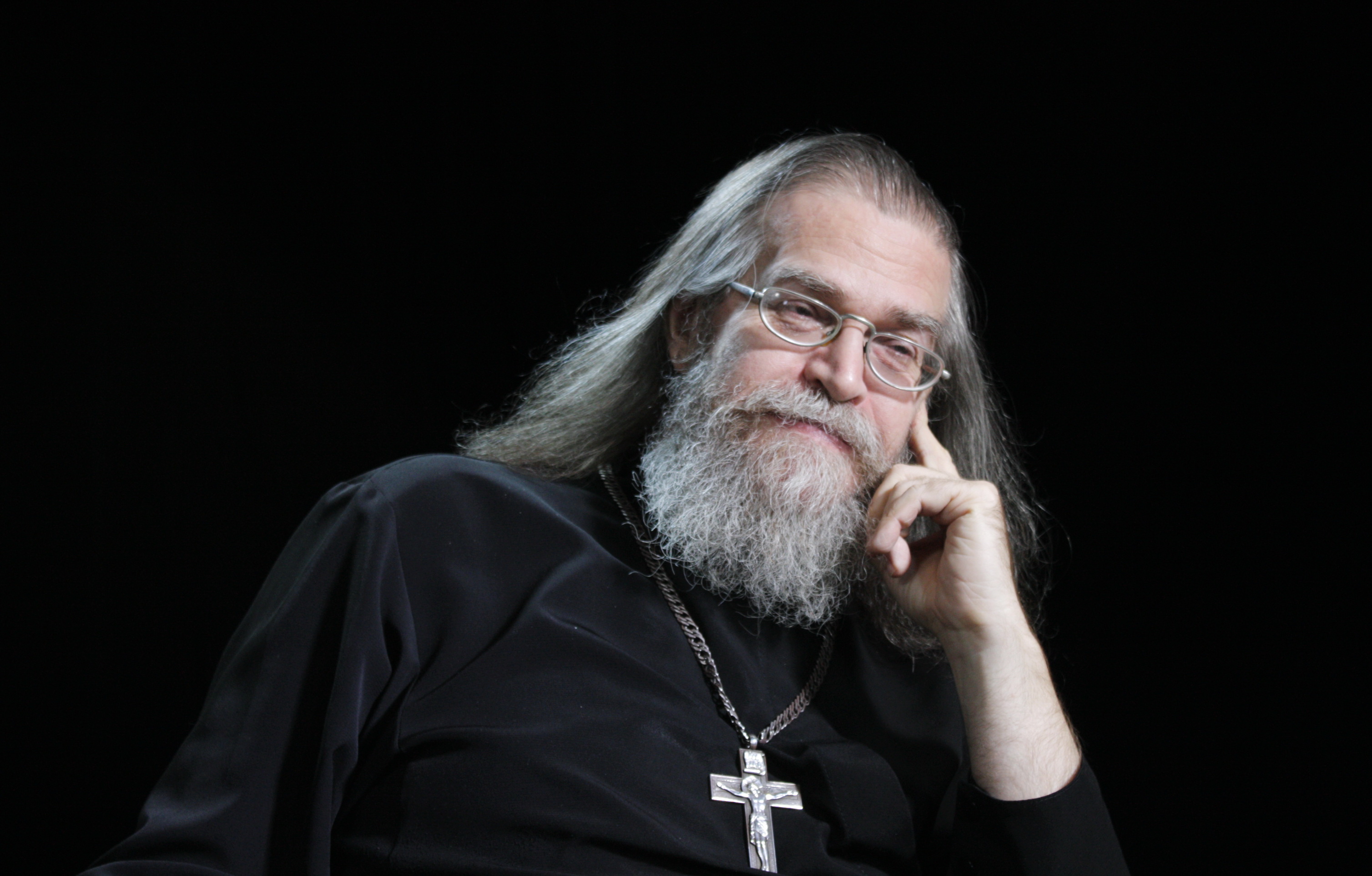

Yakov Krotov
Historian and priest, leading Radio Freedom Radio "Between Vera and Belief"
ykrotov@yahoo.com