
Translated material
Sunday Bloody Sunday
The story of "Bloody Sunday." Photo gallery
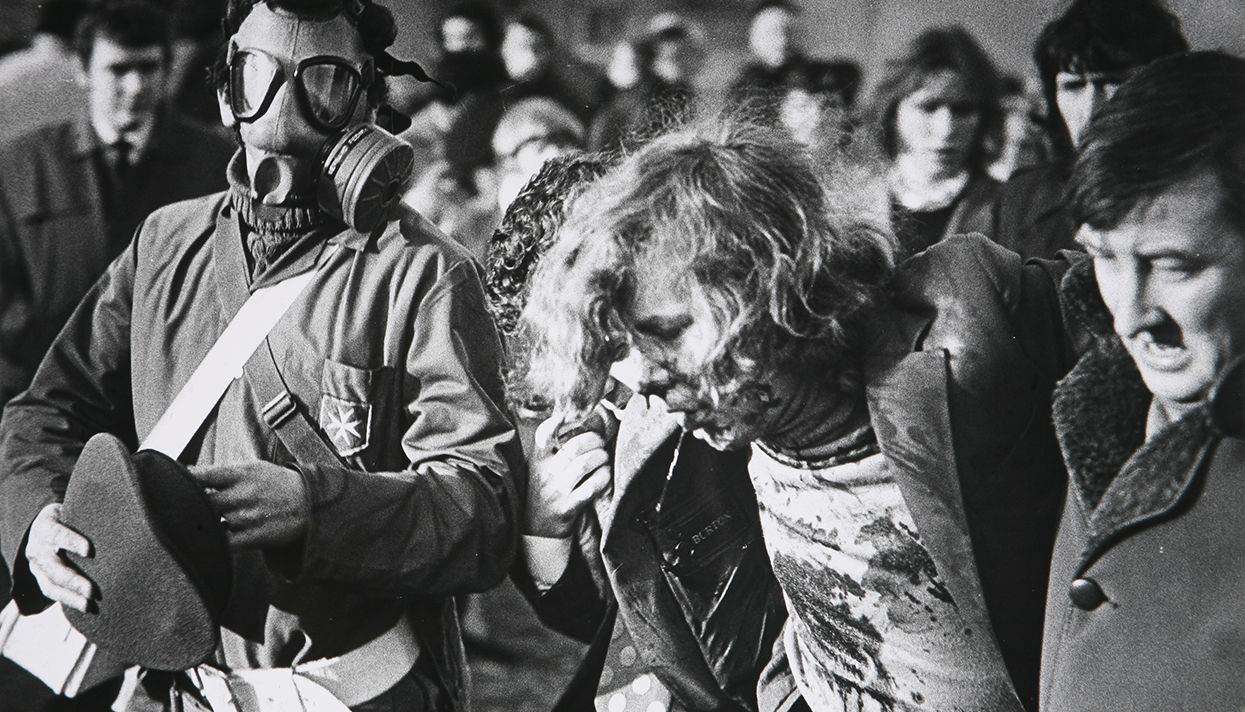
In Northern Ireland, on November 10, the 66-year-old former military serviceman of the British army was arrested, who participated in the dispersal of demonstrators on Bloody Sunday on January 30, 1972. He became the first person arrested in this case, although more than 40 years have passed since the shooting of unarmed action participants. Relatives of the dead in Derry call the arrest of the triumph of justice, the military personnel of the parachute regiment who shot at the demonstrators accuse the government of betrayal. "Medusa" recalls the story of "Bloody Sunday."
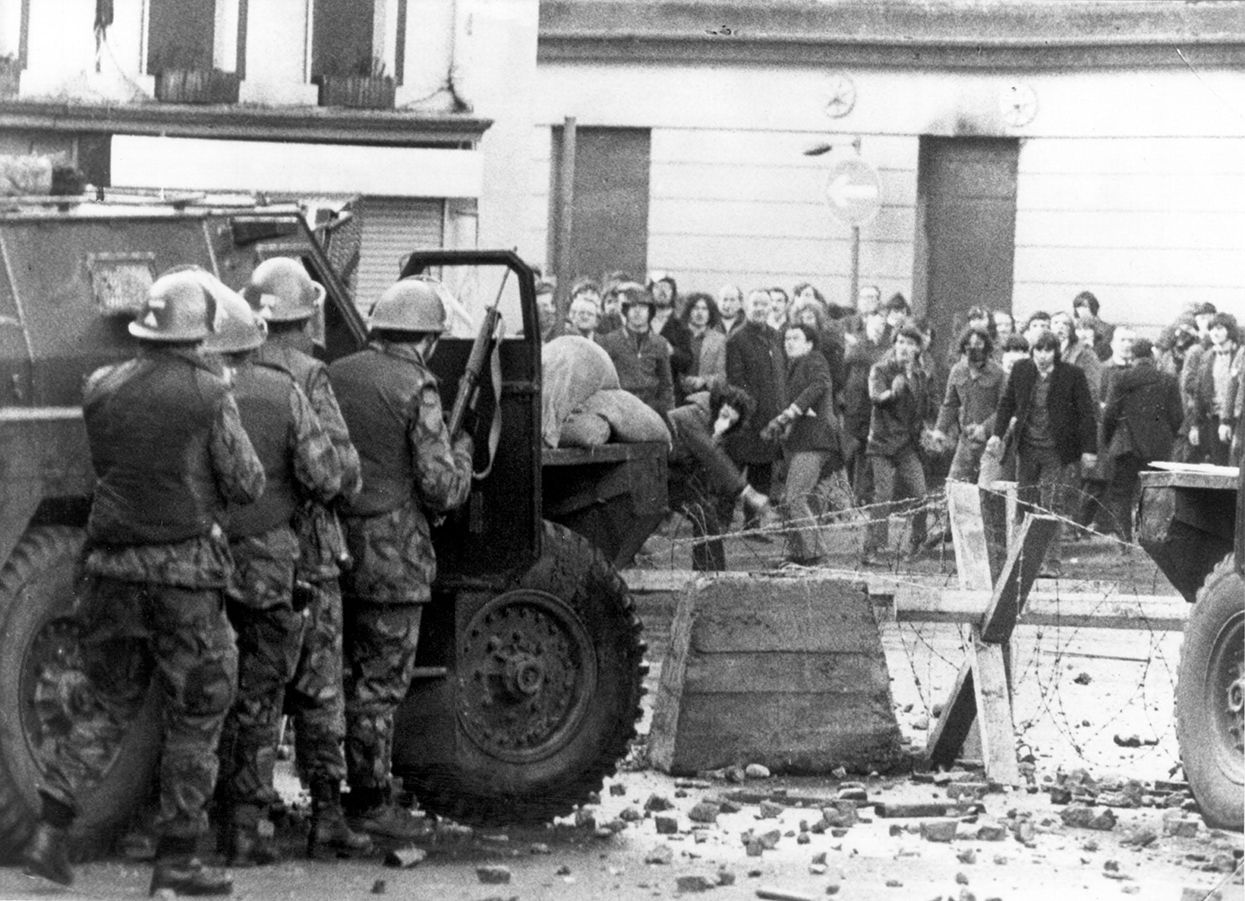
The history of the conflict of Irish Catholics and British Protestants has more than one hundred years. At the beginning of the 20th century, the conflict grew into a full -scale war, as a result of which an Irish state independent of the island of Ireland was formed on a significant part of the island of Ireland. Northern Ireland, where many Protestants lived, remained in the United Kingdom. Since the 1950s, the Irish Republican Army (Ira) waged a struggle against the British authorities, by the end of the 1960s a clash between Protestants and Catholics acquired almost daily character. In 1969, after mass clashes in Derry and Belfast, Great Britain introduced the troops into Olster, and in 1972 the Government of Northern Ireland was dissolved, and the region began to be directly controlled by London.
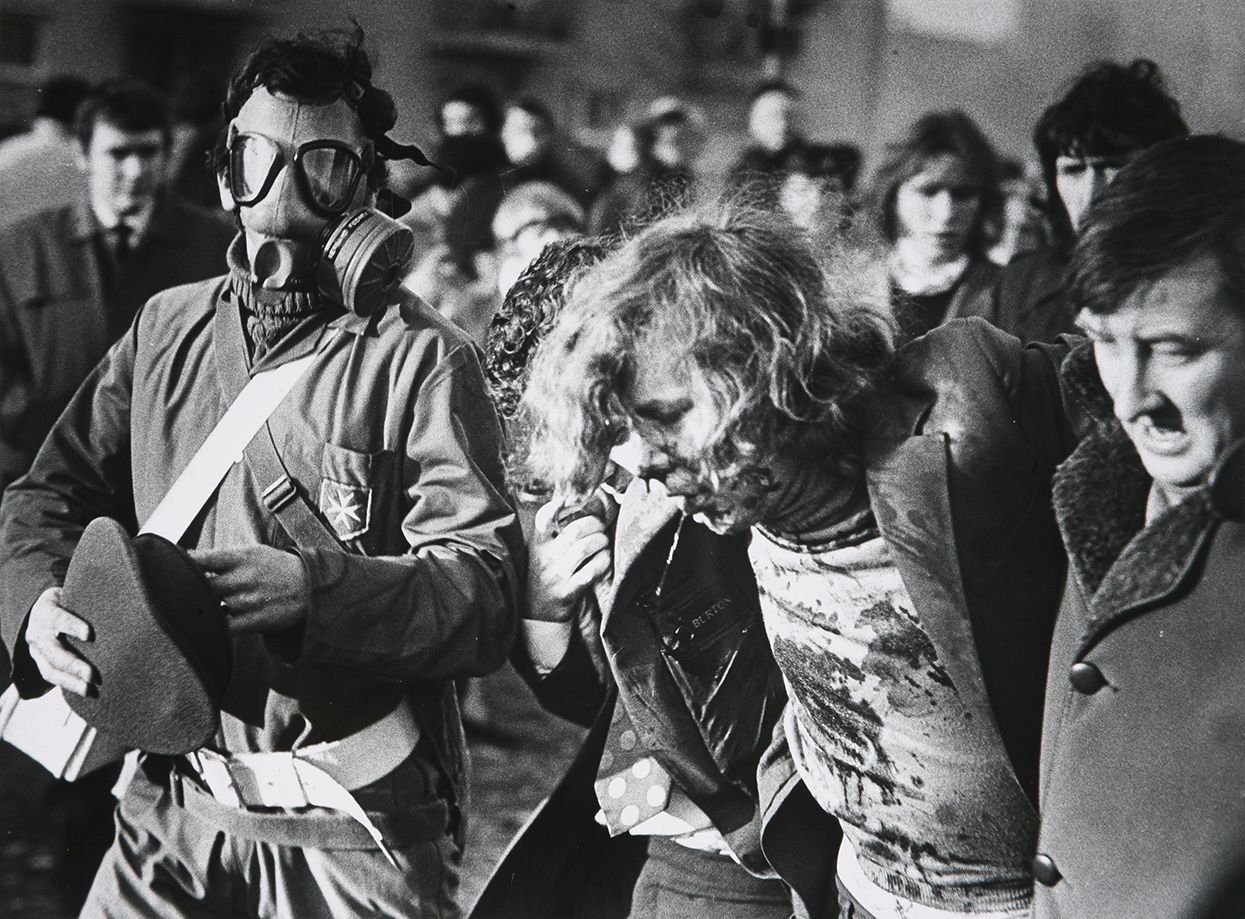
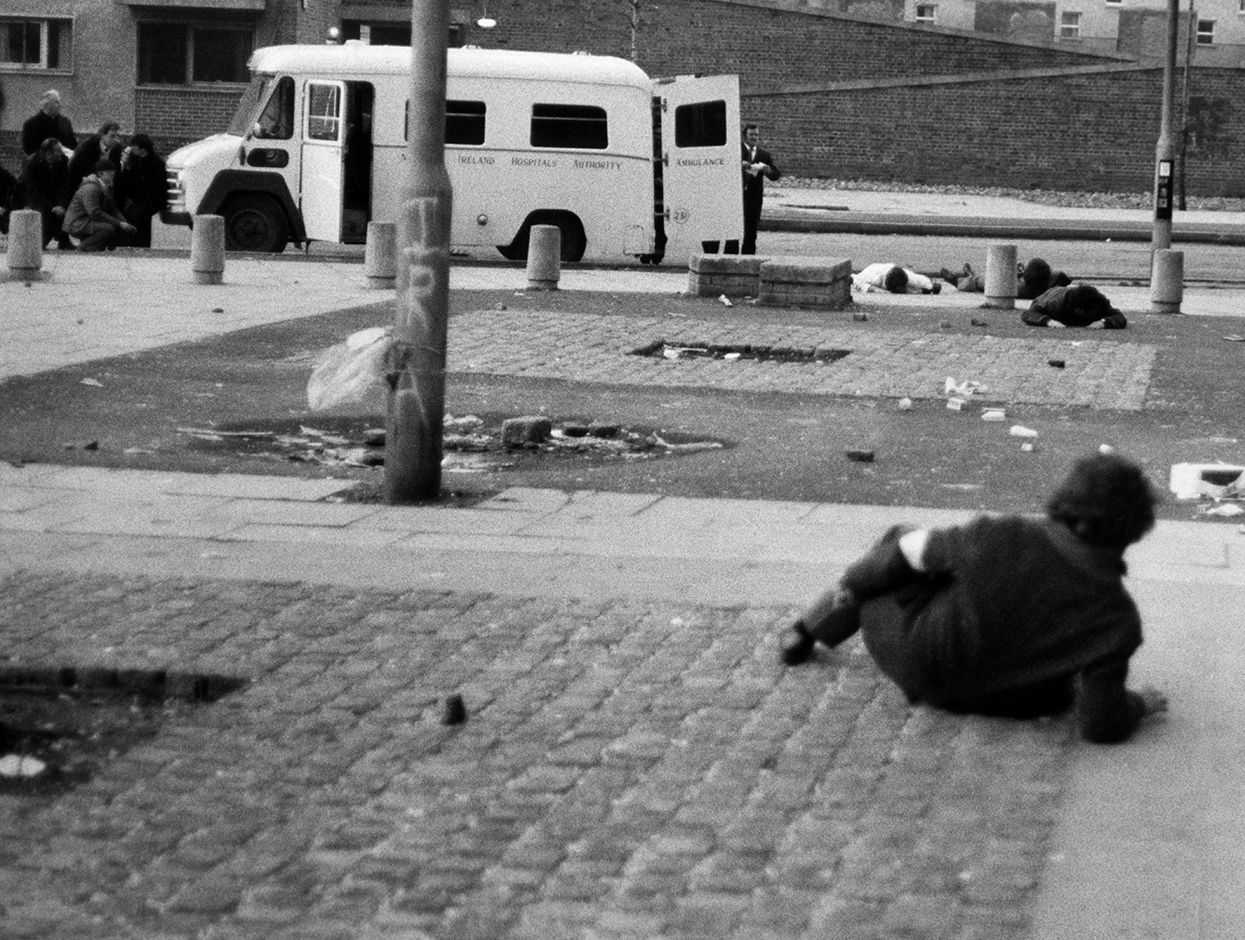
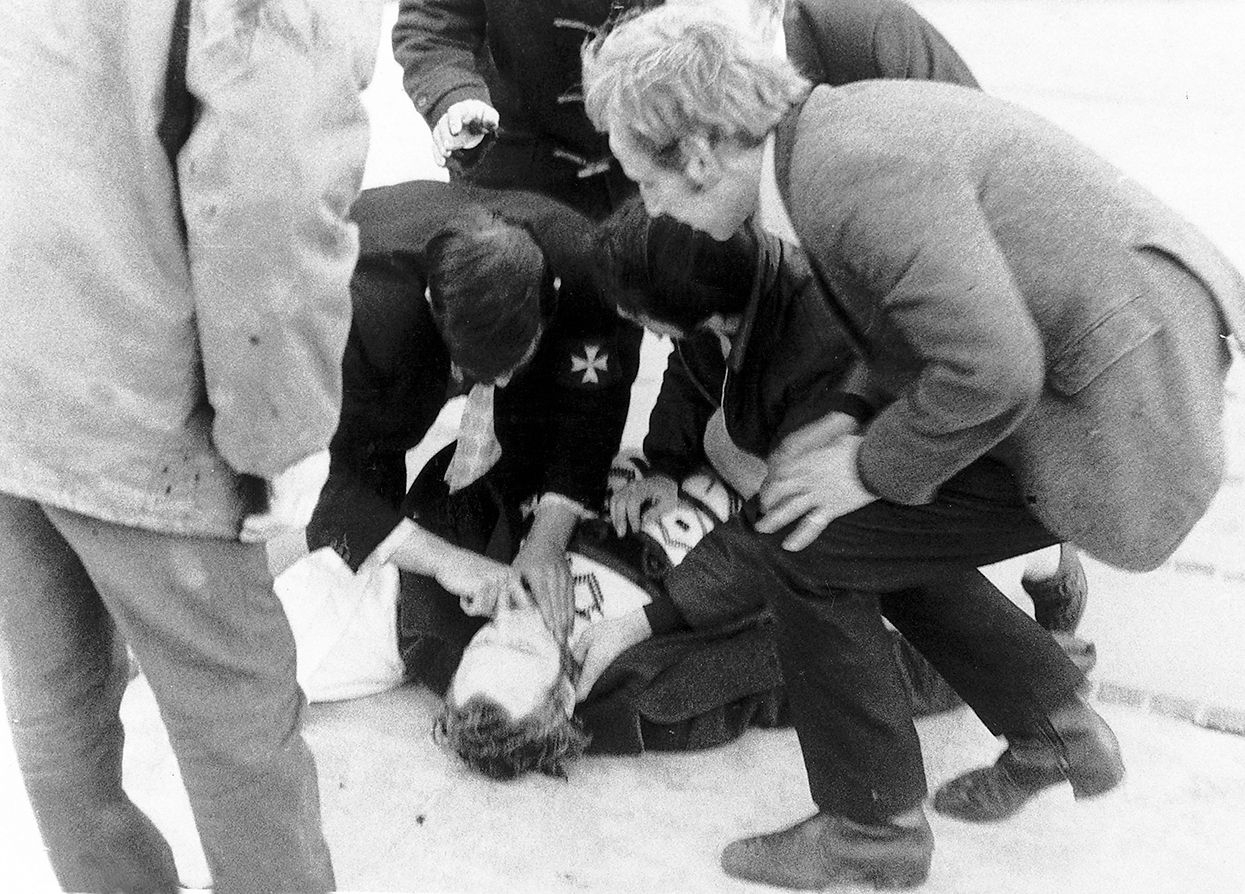
On January 30, 1972, in the city of Derry (full name-Londerri), military personnel of the 1st parachute regiment of special forces of the UK opened fire on demonstrators who went to the march of protest. They still argue about the causes of what happened, it is only known that the military made more than 100 shots. 13 people died on the spot, another died from the consequences of the wound after a few months. Six of the dead were 17-year-old teenagers. None of the victims of the Bloody Sunday had weapons and explosives. According to the official version of the British authorities, the military opened fire due to the fact that they were threatened with direct danger from the demonstrators. One of the causes of bloodshed was called the attack of a group of teenagers with stones that had broken off from the main march, but this happened at that time in almost every street action.
The Bloody Sunday led to a significant exacerbation of the situation in Northern Ireland and caused indignation among the Irish. In Dublin, on the day of the funeral of the dead, the embassy of Great Britain was burned, and the relations of the two countries were heated to the limit. 1972 became the most bloody in the history of the conflict in Northern Ireland - about 500 people were killed on both one and the other. Ira groups moved from street performances and terrorist attacks to open shootings with the British military.
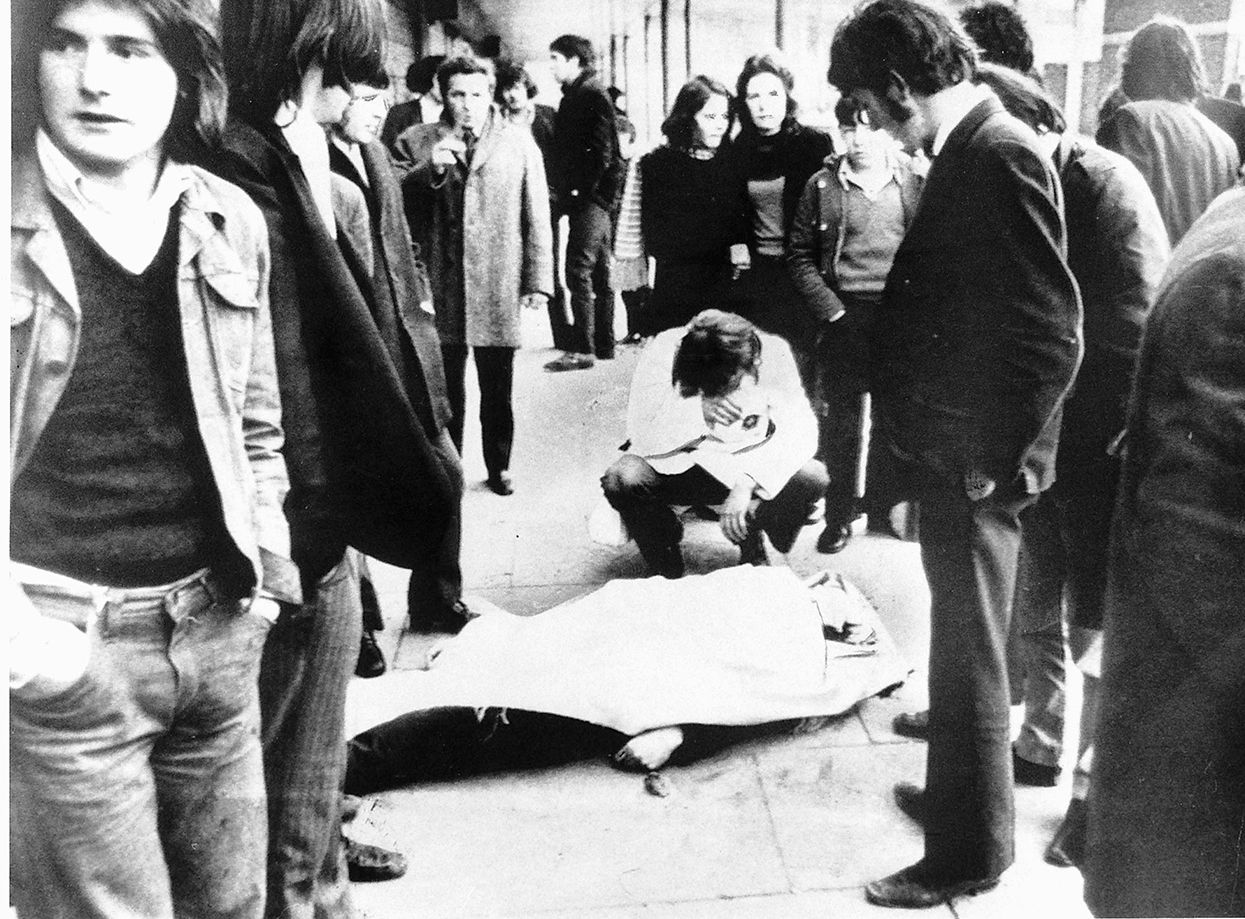
In 1998, the UK authorities, which had previously denied the military’s guilt in the events in Derry, began a large -scale investigation into the Bloody Sunday. In the same year, Ira announced the cessation of hostilities. The investigation lasted 12 years - a record for the UK - and ended with the recognition that there were no grounds to open fire on the demonstrators. Moreover, the investigation says that the military “lost control” and shot at those who tried to help the wounded, and did not warn about the discovery of fire. The results of the investigation indicate that, contrary to the previously widespread opinion, the demonstrators did not throw Molotov’s cocktails and “cocktails”. At the same time, it was found that during the march there was a sniper Ira, who shot the military - however, he opened fire only after them. The investigation cost about 200 million pounds. After the publication of his results, the country's authorities official apologies for the families of the dead.
The name of the only arrested (and then after 43 years) is unknown to the former soldier of the 1st parachute regiment, in the media it is mentioned only as the younger corporal Jay. In 1972 he was 23 years old, he came to serve in the Armed Forces about six years before. The younger corporal was in Northern Ireland for the third time. He was interrogated during the last investigation of the Bloody Sunday, and he stated that during the march he was behind the barricades when he saw a man with a home -made bomb - and shot him. Also, according to the former military man, he saw several men with weapons. The results of the investigation of the words of the younger corporal Jay are refuted.
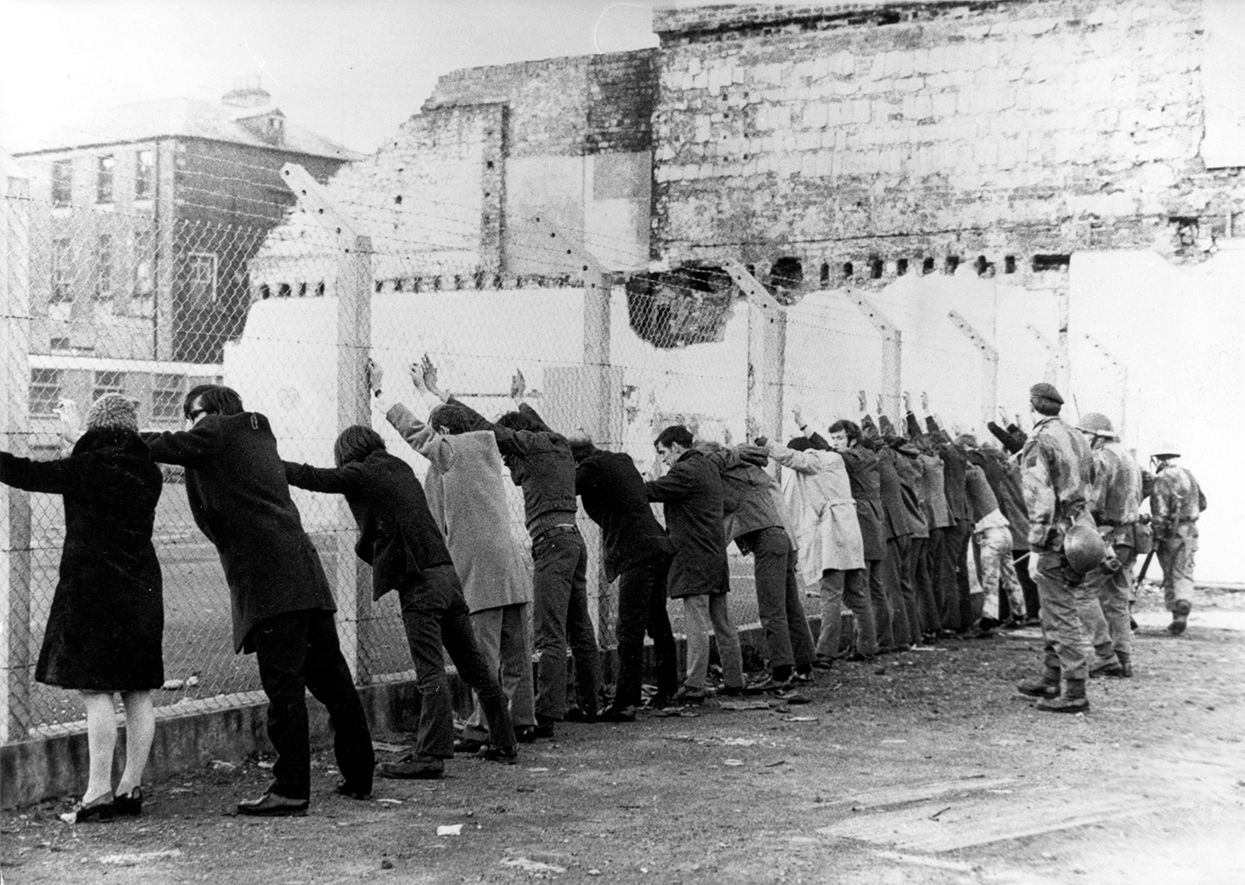
Relatives of the victims on the Bloody Sunday joyfully perceived the news about the arrest of Jay Jay. And the former paratroopers, according to one of the participants in those events, now live in fear, fearing that their names will become known. In total, as the investigation established, during the “bloody Sunday” 29 military shot, three of them are no longer alive. According to the terms of the investigation, their identities are classified from fears of revenge. The authorities of Northern Ireland opened a criminal case of events in Derry in 2012, six more people were included in the list of probable suspects, in addition to the already detained corporal.