
Translated material
The threat of genocide in Burundi
The main thing about the fight against the opposition in the African country. And why is it important
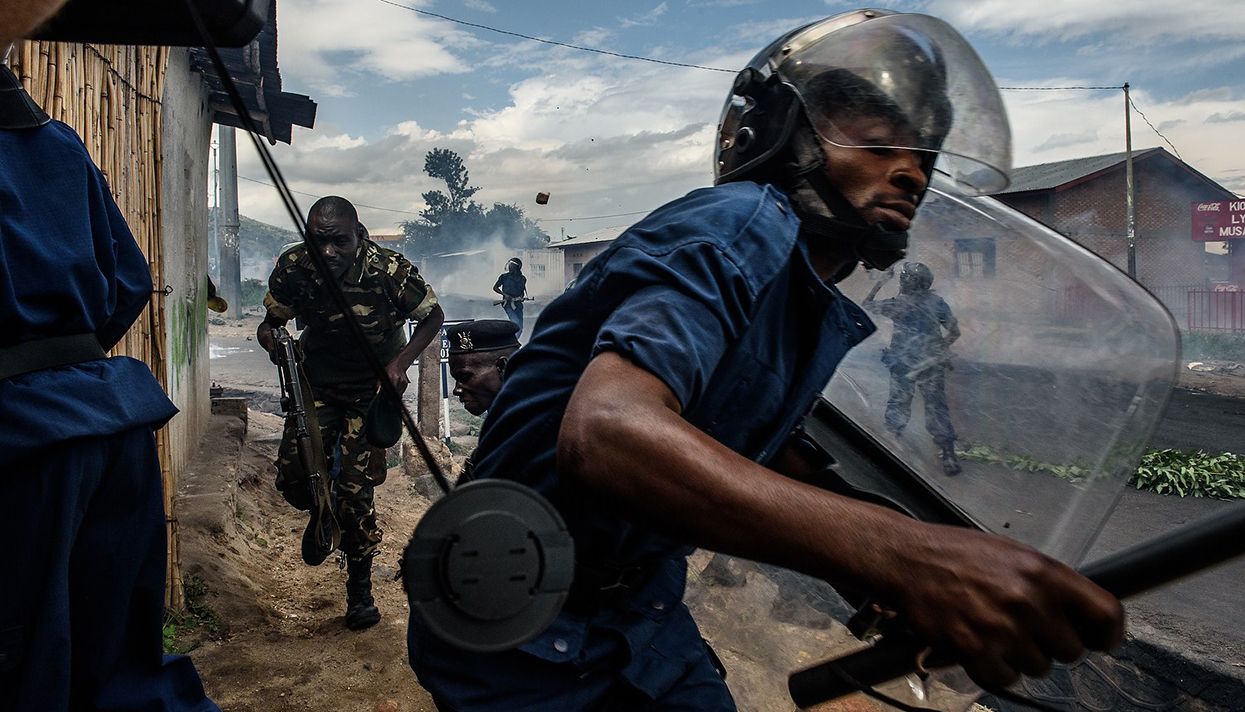
The UN Security Council made the issue of the situation in Burundi - a small African country on the border with Rwanda; There since the spring of 2015, power has passed to the physical destruction of the opposition. International human rights organizations indicate the probability of genocide in Burundi. Since April, when President Pierre Nkurunziz decided to go for a third term, more than 240 opponents of the authorities were killed or killed in the country. "Medusa" tells the main thing about the situation in Burundi - and why this is important.
In Burundi, as in neighboring Rwanda, two ethnic groups live - Hutu and Tutsi. At the same time, Tutsi in both countries is an ethnic minority. Inter -ethnic wars between Hutu and Tutsi took place more than once in both countries; In 1994, up to a million people were killed as a result of a genocide in Rwand for three months, mainly representatives of the Tutsi nationality. About 25 thousand Tutsi were killed in Burundi a year before, which was subsequently recognized by the UN genocide. In fact, for hundreds of years of living together, Tutsi and Huta have practically no ethnic differences, both groups speak similar languages, mixed marriages are common.
In the spring of 2015, a coup d'etat almost occurred in Burundi. President Burundi Pierre Nkurunziz in April announced that he would run for presidents for the third time in a row - according to the opposition, contrary to the constitution. Nkurunziza explained that he could be advanced to the presidency, because for the first time he was appointed parliament, and not a popular vote. In April, mass performances of dissatisfied began, and in May there was an attempt by a coup d'etat: while Nkurunziza was visited by Tanzania, the former head of the intelligence of Burundi Godfried Niombara, who once fought in the local civil war on the Khutu side, announced the overthrow of power. Nkurunziza hurriedly returned to the country, many military men appeared on his side, and ultimately Niyombare surrendered. At the Nkurunziza elections, he received more than 60% of the vote and and for the third time he was elected president of the country.
From the beginning of the unrest, at least 240 people died in Burundi. This is evidenced by the UN data. About 210 thousand people left the country. In total, 10 million people live in Burundi.
Burundi authorities use the rhetoric of the time of the genocide in Rwanda . After an unsuccessful coup and victory in the Nkurunziz elections, he headed for the suppression of the opposition. Many prominent opposition figures were killed - in the places of meetings dissatisfied with the authorities and areas of their residence. The president announced the opposition of the ultimatum, demanding to disarm. He calls its representatives exclusively enemies and terrorists. The leader of the upper house of the local parliament is reha than Ndicurius that the police were still “shooting on the legs”, but soon she would be ordered to “go to work”. This phrase is well remembered in Burundi since the Genocide in Rwanda: this is how Rwandian propaganda described the process of mass arrests and executions of Tutsi.
Murders in Burundi do not have a racial background, this is an attack on the opposition. Despite the similar rhetoric of the authorities, the crisis in Burundi is exclusively political, not ethnic in nature. For example, both the current president and the former head of intelligence, who tried to overthrow him, belong to the Hutu ethnic group. If in Rwanda it still matters belonging to a particular nationality, then in Burundi society is clanov - Hutu and Tutsi calmly coexist and may have similar political views.
They are afraid of the repetition of the Rwandian genocide in Burundi - and it seems, they can’t prevent it. The International Community and the UN in 1994 could not do anything with the genocide in Rwanda. In particular, the UN special mission worked there, but when a real massacre began, the peacekeepers continued to inactive without suitable instructions on this subject. Now the UN is recognized that they have even less resources in order to control the situation in Burundi.